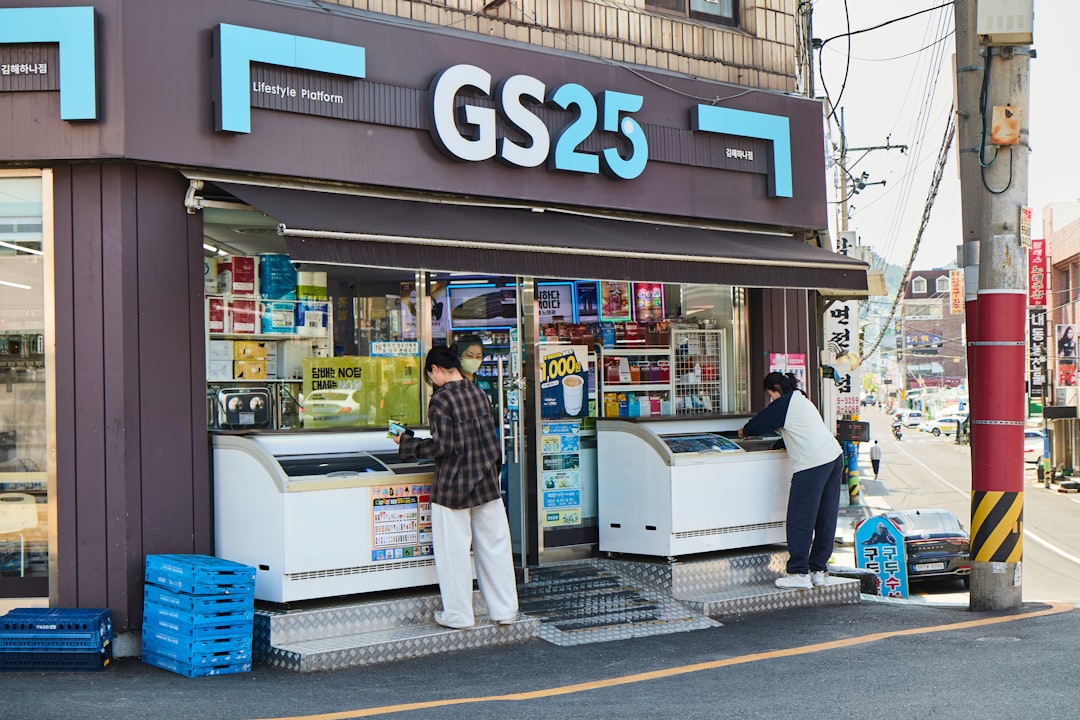
Why Korean Convenience Store Snacks Are Taking Over the World
Picture this: it’s 2 AM in Seoul, and you stumble into a brightly lit GS25 convenience store after a night of karaoke. The shelves are stacked floor-to-ceiling with snacks you’ve never seen before — triangle kimbap wrapped in perfect seaweed, steaming hot dogs spinning on a warmer, and an entire wall of ramen flavors that would make your local grocery store weep with envy. You grab a basket, and thirty minutes later, you walk out with $15 worth of the best korean convenience store snacks to try — and every single one is a revelation.
Korean convenience stores — known locally as pyeonuijeom (편의점) — aren’t like anything you’ve experienced in the West. They’re closer to mini gourmet markets, stocked with fresh meals, exclusive collaborations with celebrity chefs, and snacks engineered to be addictive. In 2025, South Korea had over 54,000 convenience stores nationwide, meaning there’s roughly one for every 940 people. That density breeds fierce competition, which means constant innovation.
Thanks to the global Hallyu wave and viral TikTok mukbang videos racking up billions of views, Korean convenience store food hauls have become a cultural phenomenon. Whether you’re planning a trip to Seoul or shopping at your local H-Mart, this guide covers the absolute best korean convenience store snacks to try — with honest reviews, price breakdowns, and tips on where to find them outside Korea.
The Big Three: Korea’s Convenience Store Chains Explained

Before diving into specific snacks, it helps to understand the three major chains dominating the Korean convenience store landscape. Each has exclusive products you won’t find at the others, so serious snack hunters hit all three.
CU (Formerly FamilyMart Korea)
CU is the largest chain with over 17,000 locations. They’re famous for their Baek Jong-won collaboration ramen series and their extensive line of affordable lunch boxes (dosirak) starting at around 3,500 KRW ($2.50 USD). CU also leads in dessert innovation — their custard cream buns and mochi items regularly sell out within hours of restocking.
CU’s private label brand, “HEYROO,” consistently delivers quality that rivals name-brand products at 20-30% lower prices. Their corn dogs and fried chicken items are particularly popular among late-night snackers.
GS25
GS25 operates about 16,800 stores and is beloved for its premium triangle kimbap and collaboration products. Their “Youmyeon” instant noodle series broke sales records in 2025, and their fresh sandwich line competes with dedicated bakery cafes. GS25 also runs a popular app with daily deals and stamp rewards that locals swear by.
7-Eleven Korea
While smaller than CU and GS25 with about 13,000 locations, 7-Eleven Korea punches above its weight with exclusive items. Their collaboration with the popular Korean cooking channel Paik’s Cuisine produced some of the most viral convenience store meals in recent memory. They’re also the go-to for international tourists because of their multilingual signage and tourist-friendly payment options.
| Chain | Stores | Best For | Must-Try Exclusive |
|---|---|---|---|
| CU | 17,000+ | Lunch boxes, desserts | Baek Jong-won Ramen |
| GS25 | 16,800+ | Triangle kimbap, sandwiches | Youmyeon Noodles |
| 7-Eleven | 13,000+ | Hot food, tourist-friendly | Paik’s Cuisine Meals |
Top 10 Best Korean Convenience Store Snacks to Try in 2026
After testing hundreds of products across dozens of trips (and admittedly gaining a few pounds in the process), here’s our definitive ranking of the best korean convenience store snacks to try. These are available at most Korean convenience stores, and many can now be found at international Korean grocery stores.
1. Triangle Kimbap (삼각김밥) — The Gateway Snack
If you try only one thing from a Korean convenience store, make it a triangle kimbap. These onigiri-style rice triangles wrapped in crispy seaweed come in dozens of flavors — from classic tuna mayo to spicy bulgogi to kimchi fried rice. They cost between 1,000-1,800 KRW ($0.70-$1.30 USD), making them one of the best value snacks anywhere on earth.
The opening technique is famously tricky for first-timers. Pull tab 1 (top center), then tabs 2 and 3 (sides) to separate the plastic layers that keep the seaweed crispy. Once you master it, you’ll feel like a local. Pro tip: the tuna mayo flavor is the all-time bestseller for a reason — it’s creamy, savory, and perfectly seasoned.
In the US, you can find similar triangle kimbap at H-Mart’s prepared food section, though the variety is more limited. Some Whole Foods locations in major cities have started stocking Korean-style onigiri as well.
2. Honey Butter Chips (허니버터칩)
These legendary chips caused actual riots when they launched in 2014 — stores sold out in minutes, and resellers listed bags for $50+ on Korean auction sites. The hype has calmed down, but the flavor hasn’t. Honey Butter Chips by Haitai deliver a sweet-salty crunch that’s genuinely unlike anything in the Western snack aisle. Each ridged chip is dusted with a honey-butter seasoning that somehow tastes both indulgent and light.
A regular bag runs about 1,500 KRW ($1.10 USD) in Korea. At H-Mart in the US, expect to pay $3.99-$4.99. They also come in seasonal variants — the truffle honey butter version released in late 2025 is outstanding.
3. Buldak Bokkeum Myeon (불닭볶음면) — Fire Noodles
Samyang’s fire noodles need no introduction — they’ve generated over 10 billion views on YouTube challenge videos alone. But the convenience store versions deserve special attention. The cup noodle format (2,000 KRW / $1.45 USD) is perfect for eating in-store using the free hot water dispensers that every Korean convenience store provides.
Beyond the original, look for the Carbonara Buldak (creamy and spicy), Jjajang Buldak (black bean sauce meets fire), and the seasonal Corn Buldak. The 2x Spicy version clocks in at approximately 10,000 Scoville Heat Units — proceed with extreme caution and have milk ready. suggested topic: Ultimate Korean Instant Ramen Tier List 2026
4. Korean Corn Dogs (핫도그)
Korean corn dogs are a completely different beast from American corn dogs. They’re coated in a sweet, slightly chewy batter — often with additions like french fry pieces, ramen crumbs, or even mozzarella — then deep-fried to golden perfection. Convenience store versions cost about 1,500-2,500 KRW ($1.10-$1.80 USD) and come with packets of ketchup and yellow mustard for dipping.
The mozzarella cheese corn dog is the crowd favorite — bite into it and you’ll get that satisfying cheese pull. Most stores keep them spinning on heated rollers near the register, so they’re warm and ready to eat. In the US, Myungrang Hot Dog and other Korean corn dog chains have opened in most major cities, but the convenience store version offers the same satisfaction for half the price.
5. Banana Milk (바나나맛우유)
Binggrae’s Banana Milk is Korea’s national beverage, full stop. That squat, bulbous bottle has been an icon since 1974, selling over 800 million units annually. The flavor is sweet, creamy, and distinctly artificial in the best possible way — think banana Runts candy meets whole milk. It costs 1,500 KRW ($1.10 USD) and is available at literally every convenience store in the country.
Newer variants include strawberry, melon, and coffee flavors, plus a “light” version with less sugar. At H-Mart in the US, a single bottle runs about $2.49. It pairs perfectly with any of the sweet or salty snacks on this list.
6. Convenience Store Dosirak (도시락) — Lunch Boxes
Korean convenience store lunch boxes are the ultimate sleeper hit for international visitors. For 3,500-5,500 KRW ($2.50-$4.00 USD), you get a compartmentalized meal with rice, protein, vegetables, and banchan (side dishes). Popular options include kimchi jjigae dosirak, galbi bento, and dakgalbi rice bowls.
Every store has a microwave available for customer use — most meals need 3-4 minutes. The quality has improved dramatically in recent years, with chains hiring celebrity chefs as consultants. CU’s collaboration with Baek Jong-won (Korea’s most famous chef) produced a dosirak line that sold over 30 million units in its first year. Maangchi Korean Cooking — Dosirak Inspiration
7. Pepero — Korea’s Answer to Pocky
Lotte’s Pepero — thin biscuit sticks dipped in chocolate — is such a cultural staple that Korea has an entire holiday dedicated to it (November 11, because the date looks like four Pepero sticks). Convenience stores stock 15+ varieties at any given time, from Almond Pepero to White Cookie Pepero to the seasonal Nude Pepero (filled with chocolate inside the biscuit instead of coated on the outside).
A single box costs about 1,200-2,000 KRW ($0.85-$1.45 USD). The Crunky Pepero, studded with crispy rice puffs in the chocolate coating, is the staff pick. In the US, most Asian grocery stores and even some Target locations carry the basic varieties for $2.99-$3.99.
8. Soju + Cider Combo (소맥 세트)
While not technically a “snack,” no Korean convenience store haul is complete without drinks. The classic combo is a bottle of Chamisul Fresh soju (1,800 KRW / $1.30 USD) and a can of Chilsung Cider (Korea’s version of Sprite, 1,000 KRW / $0.70 USD). Mix them together for a refreshing somaek, or try the newer fruit-flavored sojus — peach, grapefruit, and green grape are the bestsellers.
Korean convenience stores have outdoor seating areas with tables, so it’s totally normal (and legal) to sit outside and enjoy your drinks with snacks. This is a core part of the convenience store culture that visitors absolutely love.
9. Choco Pie (초코파이)
Orion’s Choco Pie — two rounds of soft cake sandwiching marshmallow filling, coated in chocolate — has been a Korean pantry staple since 1974. It’s so culturally significant that it was once used as informal currency along the North Korean border. A box of 12 costs about 4,500 KRW ($3.25 USD) at convenience stores.
The original flavor remains the gold standard, but the Banana Choco Pie and Tiramisu Choco Pie limited editions are worth seeking out. Pro tip: pop one in the microwave for 10 seconds — the marshmallow melts slightly and transforms the whole experience.
10. Yukgaejang Sabalmyeon (육개장 사발면)
This spicy beef cup noodle by Nongshim is the unsung hero of Korean convenience stores. While tourists flock to Buldak and Shin Ramyun, locals quietly reach for Yukgaejang Sabalmyeon — a deeply savory, moderately spicy broth with chewy noodles and dried vegetable flakes that rehydrate beautifully. It costs just 1,000 KRW ($0.70 USD), making it the best value on this entire list.
Fill it with hot water from the store’s dispenser, wait 4 minutes, and add a triangle kimbap on the side. That’s a complete, satisfying meal for under $2.00. Welcome to the magic of Korean convenience stores.
How to Build the Perfect Korean Convenience Store Snack Haul

Walking into a Korean convenience store without a plan is like walking into Costco hungry — you’ll end up with way more than you bargained for. Here’s a strategic approach to building the perfect snack haul, whether you’re shopping for yourself, creating content, or bringing back gifts.
The Budget Haul ($5-10 USD / 7,000-14,000 KRW)
- 2 Triangle Kimbap (different flavors) — 2,400 KRW
- 1 Cup Ramyeon (Yukgaejang or Shin) — 1,200 KRW
- 1 Banana Milk — 1,500 KRW
- 1 Pepero (Almond) — 1,500 KRW
- 1 Choco Pie single — 500 KRW
Total: ~7,100 KRW ($5.15 USD) — a complete meal and dessert for roughly the price of a single latte at Starbucks.
The Ultimate Haul ($20-30 USD / 28,000-42,000 KRW)
- 1 Premium Dosirak — 4,500 KRW
- 3 Triangle Kimbap (assorted) — 4,200 KRW
- 1 Korean Corn Dog — 2,000 KRW
- 1 Buldak Cup Noodle — 2,000 KRW
- 1 Honey Butter Chips — 1,500 KRW
- 2 Pepero boxes — 3,000 KRW
- 1 Banana Milk + 1 Milkis — 2,800 KRW
- 1 Pack of Choco Pies — 4,500 KRW
- 1 Soju (fruit flavor) — 1,800 KRW
- 1 Seasonal/Limited Edition snack — 2,000 KRW
Total: ~28,300 KRW ($20.50 USD) — enough food to share with friends and still have leftovers.
Pro Tips for Shopping
- Check the “1+1” and “2+1” deals: Korean convenience stores run constant promotions where you buy one and get one free. These stickers are prominently displayed on products — look for the yellow or orange tags.
- Visit after 10 PM: Many stores discount fresh items like kimbap, sandwiches, and dosirak by 20-30% as they approach expiration dates.
- Use the apps: CU, GS25, and 7-Eleven all have apps with digital coupons, stamp rewards, and exclusive deals. Even tourists can download them and save 10-15% on their haul.
- Ask about new arrivals: Store staff rotate limited-edition items weekly. Some of the best finds are brand-new products that haven’t gone viral yet.
Where to Find Korean Convenience Store Snacks Outside Korea
You don’t need a plane ticket to enjoy the best korean convenience store snacks to try. The global demand for Korean food has made these products surprisingly accessible worldwide.
In-Store Options (USA)
- H-Mart: The largest Korean grocery chain in America with 90+ locations. They stock virtually everything on this list, often with a dedicated “convenience store snacks” endcap. Prices run about 50-100% higher than in Korea, but the selection is excellent.
- Zion Market: Primarily on the West Coast, Zion Market carries a strong selection of Korean snacks and fresh prepared foods similar to convenience store items.
- Whole Foods / Trader Joe’s: Limited but growing selection. Trader Joe’s Korean Inspired offerings have expanded significantly, though they’re not identical to the originals. Whole Foods carries Banana Milk, Pepero, and select ramen brands at most locations.
- Asian grocery stores: Even non-Korean Asian markets (99 Ranch, Mitsuwa) typically stock popular items like Honey Butter Chips, Choco Pies, and Samyang noodles.
Online Retailers
- Weee!: Asian grocery delivery app with an impressive Korean section and competitive pricing.
- Amazon: Most major Korean snacks are available via Amazon, though prices are marked up. The “Korean Snack Box” variety packs ($25-$40) make great gifts and solid introductions.
- SnackFever / SeoulBox: Subscription boxes that curate monthly selections of Korean snacks. SnackFever’s “Original Box” runs about $35/month with 10-14 full-size items.
For the freshest items like triangle kimbap and dosirak, you’ll need to visit H-Mart or a local Korean grocery — these don’t ship well. But shelf-stable snacks like chips, Pepero, Choco Pies, and instant noodles are easy to order online and make fantastic gifts. suggested topic: Best Korean Grocery Stores in America: Complete City-by-City Guide
Korean Convenience Store Food Culture: More Than Just Snacks

Understanding why Korean convenience stores are so exceptional requires understanding pyeonuijeom munhwa — convenience store culture. In Korea, these stores serve a fundamentally different social role than their Western equivalents.
The Social Hub
Korean convenience stores are gathering places. The outdoor plastic tables and chairs aren’t an afterthought — they’re a deliberate feature. Friends meet at their neighborhood convenience store to share soju and snacks. Couples on dates stop by for dessert. Office workers eat lunch there daily. In a country where dining out can be expensive and cooking at home isn’t always practical (many studio apartments barely have kitchens), convenience stores fill a genuine need.
This social function explains why the food quality is so high — these aren’t afterthought gas station snacks. They’re meals that people rely on, sometimes for every meal of the day. The chains invest heavily in R&D, with CU reportedly testing over 1,000 new products annually and launching roughly 300 of them. Korea Tourism Organization — Korean Food Culture
K-Drama and Pop Culture Influence
If you’ve watched any K-drama, you’ve seen characters shopping at convenience stores. Shows like Backstreet Rookie (2020) were literally set in one. When a character eats a specific product on screen, sales spike within hours. This K-drama product placement has made Korean convenience store snacks recognizable to international audiences long before they ever visit Korea.
K-pop idols regularly share their convenience store favorites on V Live and Weverse, driving both domestic and international demand. When BTS’s Jungkook mentioned his love for a specific brand of banana milk in a live stream, it sold out nationwide for three days. 7 Best K-Pop Albums to Buy for Beginners in 2026
Innovation and Limited Editions
Korean convenience stores operate on a fast-fashion model for food. Limited-edition collaborations with celebrities, restaurants, and even other brands drop constantly. In 2025 alone, GS25 launched collaborations with over 40 different partners, including a viral series with the popular cooking YouTuber “Cooking Tree” and a fried chicken brand partnership that produced a chicken-flavored ice cream bar.
This creates a FOMO-driven shopping culture where regular customers visit multiple times per week to check for new arrivals. It also means that some of the best korean convenience store snacks to try are only available for a few weeks before they’re gone forever.
Pairing Guide: Combining Korean Convenience Store Snacks Like a Local
Koreans don’t just eat convenience store snacks randomly — there are classic combinations that locals swear by. Think of these as the Korean equivalent of milk and cookies.
Sweet + Salty Pairings
- Banana Milk + Honey Butter Chips: The sweet creaminess of the milk cuts through the salty-sweet chips perfectly. This is the “starter combo” that every Korean will recommend to a first-timer.
- Choco Pie + Black Coffee (Maxim): The rich chocolate-marshmallow pairs beautifully with Korea’s iconic Maxim instant coffee sticks (sold individually for about 500 KRW). This is the quintessential Korean office snack break.
- Pepero + Strawberry Milk: A combination that feels designed for Instagram aesthetics but genuinely delivers on flavor. The cookie crunch and the creamy strawberry create a dessert-like experience.
Meal + Snack Combinations
- Cup Ramyeon + Triangle Kimbap: This is the #1 convenience store meal in Korea, period. The rice from the kimbap absorbs the spicy ramyeon broth, and the seaweed adds texture. Total cost: about $2.20 USD.
- Dosirak + Corn Dog: A full lunch box with a corn dog on the side is the college student special. Microwaving them at the same time is an art form that Korean university students have perfected.
- Soju + Any Fried Snack: The crisp, slightly sweet alcohol cuts through the grease of corn dogs, fried chicken skewers, or fish cakes. This is the late-night convenience store experience distilled to its essence.
When you’re assembling your haul, think about these pairings. It’s the difference between buying random items and curating an authentic Korean convenience store experience. Korean Cafe Study Rooms: Complete Guide for 2026
Health-Conscious Options: Lighter Korean Convenience Store Picks

Not everything at a Korean convenience store is deep-fried or sugar-coated. Korean chains have invested heavily in healthier options over the past few years, responding to consumer demand for cleaner eating. Here are some lighter alternatives that still deliver on flavor.
Fresh and Light
- Salad Cups: Pre-made salads with Korean-style dressings (sesame, gochujang vinaigrette) for about 3,500 KRW ($2.50 USD). They’re surprisingly fresh and well-portioned.
- Hard-Boiled Eggs (Hueran): Smoked and seasoned eggs sold individually or in pairs. At about 1,200 KRW ($0.85 USD), they’re a protein-packed snack with incredible flavor — the smoked variety tastes almost like deli meat.
- Dried Seaweed Snacks (Gim): Roasted seaweed sheets come in individual packs for about 800 KRW ($0.55 USD). They’re low-calorie, rich in minerals, and genuinely addictive. The olive oil and wasabi varieties are standouts.
- Sweet Potato (Goguma): Some stores sell roasted sweet potatoes, especially in fall and winter. They’re naturally sweet, filling, and contain about 110 calories per serving. A perfect healthy snack when available.
Better-For-You Beverages
- Yuja Tea (유자차): A citrus tea made from Korean yuzu, served hot or cold. It’s naturally sweet and packed with vitamin C. One bottle runs about 2,000 KRW ($1.45 USD).
- Corn Silk Tea (옥수수수염차): A caffeine-free herbal tea made from corn silk that’s mildly sweet and allegedly good for bloating. It’s the healthy drink that Koreans actually enjoy, not just tolerate.
- Aloe Vera Drinks: OKF and other brands offer aloe vera beverages with real aloe chunks. At about 1,500 KRW ($1.10 USD), they’re refreshing and lower in sugar than most sodas.
These healthier options prove that Korean convenience stores cater to every dietary preference. Whether you’re counting calories or just want a lighter option between heavier snacks, there’s always something available. Snail Mucin vs Centella for Acne: Which Works Better in 2026?
Frequently Asked Questions About Korean Convenience Store Snacks
What are the best korean convenience store snacks to try for first-timers?
Start with the holy trinity: a tuna mayo triangle kimbap, a bag of Honey Butter Chips, and a bottle of Banana Milk. These three items represent the breadth of Korean convenience store excellence — savory, sweet-salty, and creamy — and they cost under $4.00 USD combined in Korea. They’re also widely available at H-Mart and most Asian grocery stores in the US, so you can try them before committing to a full haul.
Are Korean convenience store snacks available in the United States?
Yes, increasingly so. H-Mart is the best brick-and-mortar option with 90+ US locations carrying most of the snacks mentioned in this guide. Online retailers like Weee!, Amazon, and specialty subscription boxes like SnackFever ship nationwide. However, fresh items like triangle kimbap, corn dogs, and dosirak are only available at Korean grocery stores with prepared food sections — they don’t ship well. For shelf-stable items like chips, Pepero, Choco Pies, and instant ramen, online ordering is perfectly reliable.
How much does a typical Korean convenience store snack haul cost?
In Korea, a satisfying snack haul of 5-7 items typically costs between 7,000-15,000 KRW ($5-$11 USD). A full meal including a lunch box, drink, and dessert runs about 7,000-8,000 KRW ($5-$6 USD). In the US, expect to pay roughly 2-3x Korean prices at H-Mart or online. A comparable haul of 5-7 items from H-Mart typically costs $15-$25 USD. Subscription snack boxes range from $25-$45 per month depending on the size.
What’s the spiciest Korean convenience store snack?
The Samyang Buldak 3x Spicy (Haek Buldak) is widely considered the spiciest commercially available convenience store snack in Korea, registering approximately 13,000 Scoville Heat Units. For context, a jalapeño pepper ranges from 2,500-8,000 SHU. If you’re not accustomed to extreme heat, start with the original Buldak (4,404 SHU) or the Carbonara Buldak (2,600 SHU) and work your way up. Always keep dairy nearby — water actually spreads capsaicin, while the casein in milk neutralizes it.
Can I eat inside Korean convenience stores?
Absolutely. Most Korean convenience stores have designated eating areas — typically a counter with stools along the window and outdoor plastic tables. They provide free hot water dispensers for instant noodles, microwaves for heating lunch boxes, and even condiments like chopsticks, napkins, and sesame oil packets. It’s completely normal and socially acceptable to eat an entire meal at a Korean convenience store. Many locations in busy areas like Myeongdong and Hongdae have larger seating sections specifically designed for tourists.
Do Korean convenience stores accept international credit cards?
Yes. All three major chains — CU, GS25, and 7-Eleven — accept Visa, Mastercard, and most international cards. Many also accept mobile payments like Samsung Pay and Apple Pay. However, it’s a good idea to carry some cash (Korean won) for very small purchases under 1,000 KRW, as some stores have minimum card purchase amounts. T-money transportation cards, which you can buy at any convenience store for 4,000 KRW, also work for in-store purchases and are the most convenient payment method overall.
Related Posts You’ll Love
If you enjoyed this guide to the best korean convenience store snacks to try, check out these related articles for more Korean food, travel, and culture:
- Nami Island Rail Bike Day Trip 2026: Complete Guide — Pack your convenience store haul and enjoy it on the scenic Gangchon Rail Bike ride through the Korean countryside.
- Traditional Hanok Stay Booking Guide 2026: 7 Best Picks — After a late-night convenience store run, sleep in a traditional Korean guesthouse for the full cultural immersion.
- 7 Popular Korean Dog Breeds as Pets in 2026 — Speaking of Korean culture, discover the adorable dog breeds that are wildly popular in Korea right now.
Start Your Korean Snack Adventure Today
Korean convenience store snacks aren’t just food — they’re a gateway into Korean culture. Every triangle kimbap tells a story about Korea’s fast-paced lifestyle. Every limited-edition collaboration reflects the country’s obsession with innovation. And every 2 AM convenience store visit under fluorescent lights is a memory waiting to happen.
Whether you’re planning your first trip to Seoul, browsing the aisles at H-Mart, or ordering a snack box online, the best korean convenience store snacks to try are more accessible than ever. Start with our top 10 list, experiment with the pairing guide, and build your way up to a full-blown haul.
Now we want to hear from you: What’s your favorite Korean convenience store snack? Have you tried any of the items on this list? Drop a comment below and share your recommendations — we’re always looking to update our rankings based on reader feedback. And if this guide helped you discover something new, share it with a friend who’s curious about Korean food culture. Trust us, they’ll thank you later.
Don’t miss our next deep dive into Korean food culture — subscribe to our newsletter for weekly guides, honest reviews, and insider tips on the best of K-Food delivered straight to your inbox.