Why Korean Convenience Store Snacks Are Taking Over the Internet
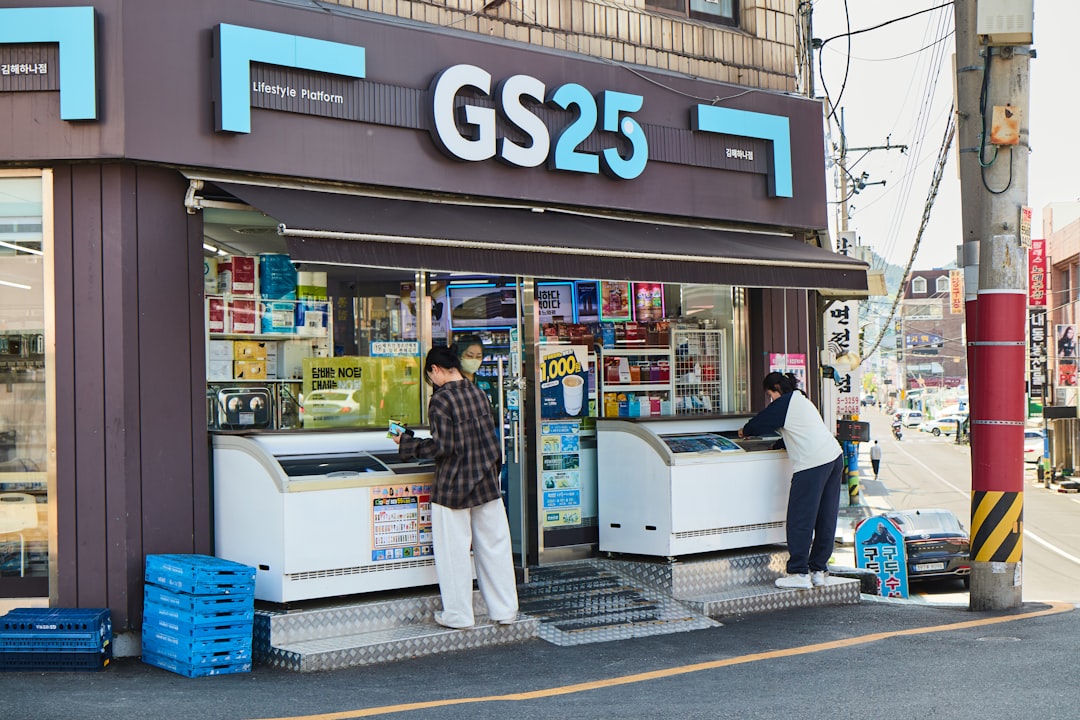
Picture this: it’s 2 AM in Seoul, and you stumble into a brightly lit GS25, CU, or 7-Eleven on a quiet side street. The shelves are glowing with colorful packaging, the aroma of freshly steamed buns drifts from the counter, and a triangle kimbap display is calling your name. You grab a basket — and thirty minutes later, you walk out with a haul worth documenting. Sound familiar? If you’ve ever watched a Korean convenience store food haul on YouTube or TikTok, you already know the feeling.
Korean convenience stores — known locally as pyeonuijeom (편의점) — are nothing like the gas-station snack stops most Americans are used to. These compact retail wonderlands stock everything from gourmet ramyeon and freshly made sandwiches to viral dessert collaborations and exclusive K-Pop branded snacks. In 2025 alone, South Korea’s convenience store industry generated over $28 billion in revenue, with food and beverage sales accounting for nearly 65% of all transactions.
Whether you’re planning a trip to Seoul, browsing the Korean aisle at H-Mart, or simply curious about the hype, this guide breaks down the absolute best Korean convenience store snacks to try in 2026. We’re talking specific product names, flavor profiles, price points, and where to find them outside of Korea. Let’s dive in.
The Big Three: Korea’s Convenience Store Chains Explained

Before we get into the snacks themselves, it helps to understand the landscape. South Korea has approximately 55,000 convenience stores — roughly one for every 940 people, making it one of the most convenience-store-dense countries on Earth.
CU (BGF Retail)
CU is South Korea’s largest convenience store chain by store count, with over 17,000 locations as of early 2026. CU is famous for its private-label snack collaborations, frequently partnering with popular Korean brands and even K-Pop groups. Their “HEYROO” house brand covers everything from chips to ready-to-eat meals. CU stores are also known for affordable, high-quality dosirak (lunchboxes) priced between ₩3,500–₩5,500 ($2.50–$4.00 USD).
GS25 (GS Retail)
GS25 is CU’s fiercest competitor, operating over 16,800 stores. GS25 consistently wins consumer polls for best prepared food quality. Their signature item? The “Cheese King” triangle kimbap, which has sold over 100 million units since its launch. GS25 is also the chain most likely to carry limited-edition collaborations with Netflix shows, webtoons, and viral social media trends.
7-Eleven Korea
While smaller than CU and GS25 with around 13,000 stores, 7-Eleven Korea punches above its weight with creative meal solutions. Their claim to fame is the “Cup Bap” (컵밥) series — single-serving rice bowls in a cup that you heat up in-store. 7-Eleven also stocks a wider range of international snacks alongside Korean staples, making it a favorite among tourists.
All three chains share a common trait: they release new products weekly, creating a culture of snack-hunting that fuels the endless stream of haul content you see online.
Must-Try Instant Ramyeon and Noodle Cups
No Korean convenience store food haul is complete without ramyeon. Korea consumed approximately 80 servings of instant noodles per capita in 2024, making it the world’s number-one instant noodle consuming nation per person. Here are the best Korean convenience store snacks to try in the noodle category.
Shin Ramyeon Cup (신라면 큰사발)
The undisputed king. Nongshim’s Shin Ramyeon needs no introduction, but the convenience store cup version hits different. The broth is intensely spicy with a deep beef-and-mushroom umami backbone. At convenience stores, it costs around ₩1,500 ($1.10 USD). Pro tip: add a convenience store egg (삶은 달걀, ₩1,000) and a slice of processed cheese on top — this is the unofficial Korean “upgrade” that locals swear by.
Buldak Bokkeum Myeon (불닭볶음면) — Hot Chicken Flavor
Samyang’s Buldak series went from a niche Korean product to a global phenomenon after the “Fire Noodle Challenge” went viral. The original clocks in at roughly 4,404 Scoville Heat Units (SHU), while the 2x Spicy variant doubles that. In Korean convenience stores, you’ll find limited-edition flavors unavailable in most export markets: Quattro Cheese Buldak, Jjajang Buldak (black bean sauce), and Light Buldak for those who want the flavor without the tears.
In the US, you can find most Buldak products at H-Mart, Lotte Plaza, and even Walmart or Target. Prices range from $2.49–$3.99 per cup depending on the variant. Korean Cooking Techniques and Recipes
Ottogi Jin Jjambbong (진짬뽕)
This is the sleeper hit that noodle aficionados swear by. Ottogi’s Jin Jjambbong captures the essence of Korean-Chinese spicy seafood noodle soup (짬뽕) in instant form. The broth is loaded with dried vegetables, squid bits, and a chili-oil slick that coats every noodle. It’s spicy but more nuanced than Buldak — think slow-building heat with a seafood sweetness. At ₩1,200 ($0.85 USD) in-store, it’s arguably the best value snack in any Korean convenience store.
Paldo Bibim Myeon (팔도 비빔면)
A cold noodle option that’s perfect for summer hauls. You drain the water, toss the thin noodles in a sweet-spicy-vinegary gochujang-based sauce, and eat them cold. It’s refreshing, tangy, and slightly addictive. Many Koreans add a hard-boiled egg and a squirt of mayonnaise for a creamier version. This is a staple during Seoul’s humid summers and a must-buy if you’re visiting between June and September.
7 Korean Diet Foods for Weight Loss Beginners (2026 Guide)
Triangle Kimbap and Onigiri: The Perfect Grab-and-Go

Samgak kimbap (삼각김밥) — Korea’s answer to the Japanese onigiri — is the single most-sold convenience store food item in the country. CU alone sells over 800 million triangle kimbap per year. At ₩1,000–₩1,800 ($0.70–$1.30 USD) each, they’re absurdly affordable and endlessly varied.
Classic Flavors You Can’t Skip
- Chamchi Mayo (참치마요) — Tuna mixed with mayonnaise. The undisputed bestseller across all chains. Creamy, savory, and satisfying.
- Bulgogi (불고기) — Sweet marinated beef filling wrapped in seasoned rice and roasted seaweed. It tastes like a miniature Korean BBQ experience.
- Kimchi Fried Rice (김치볶음밥) — Tangy, slightly spicy kimchi rice with a hint of sesame oil. A comfort food classic.
- Spam & Egg (스팸에그) — Yes, Spam is a beloved ingredient in Korea. Combined with scrambled egg, it’s salty, rich, and perfect at any time of day.
Premium and Limited-Edition Varieties
Both CU and GS25 now offer premium triangle kimbap lines priced at ₩1,800–₩2,500 ($1.30–$1.80 USD) with upgraded ingredients. Look for the GS25 “Cheese King” line featuring melted mozzarella fillings, or CU’s “Baekban (백반) Collection” inspired by traditional Korean home-cooked dishes like jeyuk bokkeum (spicy pork) and dakgalbi (spicy chicken stir-fry).
The trick to eating triangle kimbap like a local: pull tab 1 first, then tab 2, and peel the wrapper away from tab 3. The seaweed stays crispy until the exact moment you unwrap it — a small engineering marvel that first-timers always find satisfying.
Sweet Snacks and Desserts That Will Change Your Life
Korean convenience stores have quietly become dessert destinations. The sweet snack game is intense, with new products launching almost weekly and social media driving sell-outs within days. Here are the best Korean convenience store snacks to try for anyone with a sweet tooth.
Choco Pie (초코파이) — The OG Korean Snack Cake
Orion Choco Pie has been a Korean staple since 1974 — that’s over 50 years of marshmallow-filled, chocolate-coated perfection. The original is a soft cake sandwiching a fluffy marshmallow layer, all dipped in chocolate. But the convenience store versions go further: look for Banana Choco Pie, Strawberry Choco Pie, and the premium “Choco Pie House” line with real dark chocolate coating. A box of 12 runs about ₩4,500 ($3.20 USD), but individual packs are available for ₩1,000.
Melona Ice Cream Bar
If you’ve shopped at H-Mart in the US, you’ve probably seen Binggrae’s Melona. This honeydew melon-flavored ice cream bar is creamy, subtly sweet, and refreshing. The texture is closer to a gelato than a typical ice cream bar. In Korean convenience stores, you’ll also find Mango Melona, Strawberry Melona, and Coconut Melona — flavors that rarely make it to US shelves. At ₩1,500 ($1.10 USD), it’s the perfect summer snack.
Honey Butter Chips (허니버터칩)
When Haitai’s Honey Butter Chips launched in 2014, they caused actual nationwide shortages. People were reselling bags for triple the price online. The hype has settled, but the flavor hasn’t — these ridged potato chips hit you with a sweet honey glaze followed by a rich butter finish. They’re salty, sweet, and deeply addictive. A 60g bag costs ₩1,800 ($1.30 USD) at convenience stores. Available at most H-Mart locations in the US for around $3.49.
Custard Cream Cakes and Fresh Bakery Items
CU and GS25 have invested heavily in their in-store bakery sections. The star products include cream-filled croissants, egg custard buns (계란빵), and sweet red bean bread (단팥빵). GS25’s “Bready” line features premium pastries at ₩2,000–₩3,500 ($1.40–$2.50 USD) that rival actual bakery quality. The fresh cream castella cake is a particular standout — a jiggly, fluffy sponge cake filled with whipped cream that melts on your tongue.
K-Beauty Glass Skin Routine for Beginners 2026
Savory Snacks and Chips You Won’t Find Anywhere Else

Beyond the sweet stuff, Korean convenience stores stock an incredible range of savory snacks that showcase uniquely Korean flavor profiles. These are the items that make the best Korean convenience store snacks to try lists for a reason.
Shrimp Chips and Seafood Crackers
Nongshim Shrimp Chips (새우깡) have been a Korean pantry staple since 1971. These light, puffy, shrimp-flavored crackers are unlike anything in Western snack aisles — they’re airy with an intense umami shrimp flavor and a satisfying crunch. The newer Wasabi Shrimp Chips and Spicy Shrimp Chips variants add extra dimensions. Also look for Squid Chips (오징어 땅콩) — peanuts coated in a crispy squid-flavored shell that are dangerously snackable.
Dried Seaweed Snacks (김 스낵)
Korea takes seaweed seriously. Convenience store shelves stock multiple tiers: basic roasted seaweed sheets (김), seasoned seaweed snack packs, and premium thick-cut seaweed chips. The standout is CJ Bibigo Crispy Seaweed — imagine a seaweed sheet sandwiching a thin layer of crispy rice, creating a chip-like texture that’s crunchy, salty, and umami-rich. These are available at Costco and H-Mart in the US for $6.99–$8.99 per multi-pack.
Tteokbokki Snacks (떡볶이 과자)
Tteokbokki (spicy rice cakes) is one of Korea’s most iconic street foods, and snack companies have brilliantly translated that sweet-spicy gochujang flavor into chip form. Look for Sindangdong Tteokbokki Chips by Haitai, named after Seoul’s famous tteokbokki alley. These corn-based puffs deliver an authentic gochujang sweetness with a chili kick. They’re the kind of snack where you tell yourself “just one more” and suddenly the bag is empty.
Gyeongju Day Trip From Seoul Itinerary 2026
Drinks That Complete Your Korean Convenience Store Haul
A proper haul isn’t just food — the beverage section of Korean convenience stores is its own adventure. From banana milk to soju cocktails, here’s what to grab.
Banana Milk (바나나맛 우유)
Binggrae Banana Milk is Korea’s most beloved flavored milk, sold in its iconic squat, jar-shaped bottle since 1974. It’s sweet, creamy, and unmistakably banana — but in a nostalgic, candy-like way rather than an artificial way. Koreans drink over 800,000 bottles per day. At ₩1,500 ($1.10 USD), it’s practically mandatory for any convenience store visit. You’ll also find Strawberry, Melon, and Coffee variants. Available at H-Mart in the US for $2.49–$2.99.
Soju and Flavored Soju (소주)
Korean convenience stores sell soju at shockingly low prices — a 360ml bottle of classic Chamisul Fresh costs just ₩1,800 ($1.30 USD). The real excitement is in the flavored soju section: Peach, Grapefruit, Green Grape, Strawberry, and even Yuzu. These clock in at around 12-13% ABV and taste more like a sweet cocktail than a spirit. The “Soju + Yakult” (소맥) combo is a local favorite — grab a bottle of soju and a pack of Yakult, mix them together, and you’ve got Korea’s most popular DIY cocktail.
Korean Iced Coffee and Tea
The Maxim Kanu Latte series dominates the instant coffee aisle, but for ready-to-drink options, look for Starbucks Korea RTD bottles (exclusive flavors like Sweet Potato Latte), Georgia Craft Coffee, and Pokka corn tea (옥수수수염차) — a naturally sweet, caffeine-free roasted corn silk tea that’s a staple Korean drink for hydration. Corn tea is a revelation for anyone who hasn’t tried it: nutty, slightly sweet, and incredibly refreshing.
Ready-to-Eat Meals: Full Dishes for Under $5

Perhaps the most impressive category in Korean convenience stores is the prepared meal section. These aren’t sad microwave dinners — they’re genuinely good meals at fast-food prices.
Dosirak (도시락) — Korean Lunch Boxes
Every chain has its own dosirak lineup, but the consensus favorites include:
- CU’s “Baekban Dosirak” — A traditional Korean meal set with rice, kimchi, a protein (usually bulgogi or grilled chicken), and two side dishes. ₩4,200 ($3.00 USD).
- GS25’s “Kim Hyesoo Dosirak” — A celebrity-branded lunchbox that actually delivers on quality, featuring premium ingredients like braised short ribs. ₩5,500 ($3.90 USD).
- 7-Eleven’s “Cup Bap” series — Rice bowls in a cup. The Jeyuk Deopbap (spicy pork over rice) and Dakgalbi Cup Bap are standouts. ₩3,800 ($2.70 USD).
Steamed Buns and Hot Snacks
The heated display case near the register is where the magic happens. Look for:
- Hoppang (호빵) — Steamed buns filled with sweet red bean paste, pizza cheese, or even curry. ₩1,200 ($0.85 USD).
- Corn Dogs (핫도그) — Korean corn dogs are coated in a crispy batter mixed with diced potatoes or mozzarella, then deep-fried and dusted with sugar. They’re a street food icon available in-store. ₩2,000 ($1.40 USD).
- Chicken Tenders and Fried Chicken — Most stores fry chicken in-house. The quality varies, but GS25’s “Muppaego Chicken” consistently gets high marks from Korean food reviewers.
The fact that you can eat a complete, satisfying meal for under $4 at a Korean convenience store is reason enough to plan a haul. Explore Korean Food Culture
How to Build the Perfect Korean Convenience Store Haul
Whether you’re shopping in Seoul or at your local H-Mart, here’s a strategic framework for assembling the ultimate haul of the best Korean convenience store snacks to try.
The Balanced Haul Formula
| Category | Pick | Budget (USD) |
|---|---|---|
| Noodles (2 types) | 1 spicy + 1 mild | $2.00–$3.00 |
| Triangle Kimbap (2-3) | Tuna Mayo + Bulgogi + Spam | $2.00–$3.50 |
| Sweet Snack (2 types) | Choco Pie + Honey Butter Chips | $2.50–$4.00 |
| Savory Snack (1-2) | Shrimp Chips + Seaweed | $2.00–$3.00 |
| Drink (2) | Banana Milk + Corn Tea | $2.00–$3.50 |
| Ready Meal (1) | Dosirak or Cup Bap | $2.50–$4.00 |
| Total | 8–11 items | $13–$21 |
Where to Buy Korean Convenience Store Snacks in the US
You don’t need a plane ticket to Korea to try most of these snacks. Here’s where to find them:
- H-Mart — The largest Korean-American grocery chain with 97 locations across the US. They carry almost everything mentioned in this article, often in both individual and multi-pack sizes.
- Lotte Plaza Market — Concentrated on the East Coast, particularly the DMV (DC-Maryland-Virginia) area. Excellent for finding limited-edition and seasonal items.
- Zion Market — West Coast staple, especially in Southern California. Great prices on bulk Korean snacks.
- Amazon — Search “Korean snack box” for curated variety packs ranging from $19.99–$39.99. Convenient but pricier per item.
- Weee! — An Asian grocery delivery app that stocks a surprisingly deep selection of Korean convenience store brands with next-day delivery in many areas.
Pro tip: if you’re near an H-Mart, check their snack endcap displays — these rotate monthly and often feature the newest Korean arrivals before they hit the regular shelves.
Korean Minimalist Fashion Essentials 2026: Style Guide
Korean Convenience Store Culture: More Than Just Snacks
What makes Korean convenience stores truly special goes beyond the products. It’s the culture around them.
The Social Hub
Korean convenience stores function as mini community centers. Most locations have indoor and outdoor seating areas where friends gather to eat ramyeon at midnight, students study between classes, and office workers take lunch breaks. The stores provide free hot water dispensers, microwaves, and even chopsticks and spoons — turning a simple snack purchase into a complete dining experience. This culture has been immortalized in countless K-Dramas where characters share meaningful conversations over convenience store meals.
K-Pop and Celebrity Collaborations
Convenience stores are a major marketing battleground for K-Pop groups and Korean celebrities. In recent years, we’ve seen BTS x CU meal kits, aespa x GS25 drink collaborations, and NewJeans-branded snack boxes. These collaborations often sell out within hours and become collector’s items. If you spot a K-Pop collab during your haul, grab it — they rarely get restocked. 7 K-Pop Rookie Groups Debuting 2026 You Need to Know
Seasonal and Limited-Edition Drops
Korean convenience stores operate on a fast-fashion-like product cycle. Spring brings cherry blossom-themed desserts and strawberry everything. Summer means cold noodle kits and frozen fruit bars. Fall introduces sweet potato and chestnut flavors. Winter is all about steamed buns and hot chocolate. The seasonal rotation keeps the product lineup fresh and gives repeat visitors something new to discover every time.
How to Book a Hanok Stay in Seoul: 2026 Complete Guide
Frequently Asked Questions About Korean Convenience Store Snacks
What are the best Korean convenience store snacks to try for first-timers?
If you’re brand new to Korean convenience store snacks, start with these five essentials: Chamchi Mayo triangle kimbap (tuna mayo rice triangle), Shin Ramyeon cup noodles, Honey Butter Chips, Banana Milk, and an Orion Choco Pie. These represent the core flavors of Korean snacking — umami, spicy, sweet-salty, creamy, and chocolatey — and are all widely available at H-Mart and Asian grocery stores in the US. Together, they’ll cost you under $15 and give you a solid foundation for exploring deeper into Korean snack culture.
Are Korean convenience store snacks healthy?
Like convenience store food anywhere, nutritional value varies widely. Triangle kimbap is one of the healthier options, typically coming in at 150–220 calories with a decent balance of carbs, protein, and fat. Dried seaweed snacks are low-calorie and rich in minerals. On the other hand, ramyeon and chips are high in sodium — a single cup of Shin Ramyeon contains about 1,790mg of sodium (78% of the recommended daily value). The key is balance. Many Korean convenience stores now offer “diet” and “low-calorie” product lines featuring salads, protein bars, and sugar-free drinks for health-conscious consumers. 7 Korean Diet Foods for Weight Loss Beginners (2026 Guide)
How much does a typical Korean convenience store haul cost?
A solid haul of 8–12 items in Korea will typically cost between ₩15,000–₩25,000 ($10.50–$18.00 USD). That’s enough to cover 2-3 noodle cups, several triangle kimbap, a few snacks, a couple of drinks, and maybe a dosirak meal. In the US at stores like H-Mart, expect to pay roughly 1.5–2x Korean prices due to import costs. An equivalent haul at H-Mart would run about $20–$35 USD. Online retailers like Amazon and Weee! tend to charge a further premium but offer the convenience of doorstep delivery.
Can you microwave Korean convenience store food at home?
Most Korean convenience store ready-to-eat meals are designed for microwave reheating. Dosirak lunchboxes, Cup Bap rice bowls, and steamed buns all come with microwave-safe packaging and heating instructions (usually 2–3 minutes at 700W). For cup noodles, you’ll need boiling water rather than a microwave. Triangle kimbap should be eaten at room temperature or slightly chilled — microwaving them makes the seaweed soggy and ruins the texture.
What Korean convenience store snacks are vegetarian or vegan?
Fully vegan options are limited in traditional Korean convenience stores, as many products contain anchovy extract, shrimp paste, or animal-based broths. However, good vegetarian-friendly picks include: Honey Butter Chips (vegetarian, contains dairy), roasted seaweed snacks (often vegan), corn tea (vegan), and certain kimchi triangle kimbap (check labels, as some use fish sauce). In 2025-2026, both CU and GS25 have expanded their plant-based product lines, introducing vegan kimbap and plant-based protein snacks in select locations.
Related Posts
If you enjoyed exploring the best Korean convenience store snacks to try, you’ll love these related guides:
- Jeju Island Hidden Gems 2026: 15 Secret Spots Locals Love
- K-Beauty Glass Skin Routine for Beginners 2026
- 7 Korean Diet Foods for Weight Loss Beginners (2026 Guide)
Suggested future articles:
- Korean Street Food Guide: 20 Must-Try Dishes in Seoul
- Best Korean Instant Ramyeon Ranked: 2026 Taste Test
- Korean Grocery Store Essentials: What to Buy at H-Mart
Your Turn: What’s in Your Korean Snack Haul?
We’ve covered over 30 products across ramyeon, kimbap, sweets, savory snacks, drinks, and ready-to-eat meals — but we know we’ve barely scratched the surface. Korean convenience stores release hundreds of new products every year, and the best discoveries often come from spontaneous grabs off unfamiliar shelves.
Now we want to hear from you: What’s the best Korean convenience store snack you’ve ever tried? Are you Team Shin Ramyeon or Team Buldak? Have you tried the legendary Honey Butter Chips yet? Drop your top 3 picks in the comments below — we read every single one and love discovering new favorites through our readers.
If this guide helped you plan your next Korean snack haul, share it with a friend who needs to experience the magic of Korean convenience store culture. And if you want more K-Food guides, travel tips, and cultural deep dives delivered straight to your inbox, subscribe to our newsletter — we publish new guides every week.
Happy snacking! 🍜🍙🍫