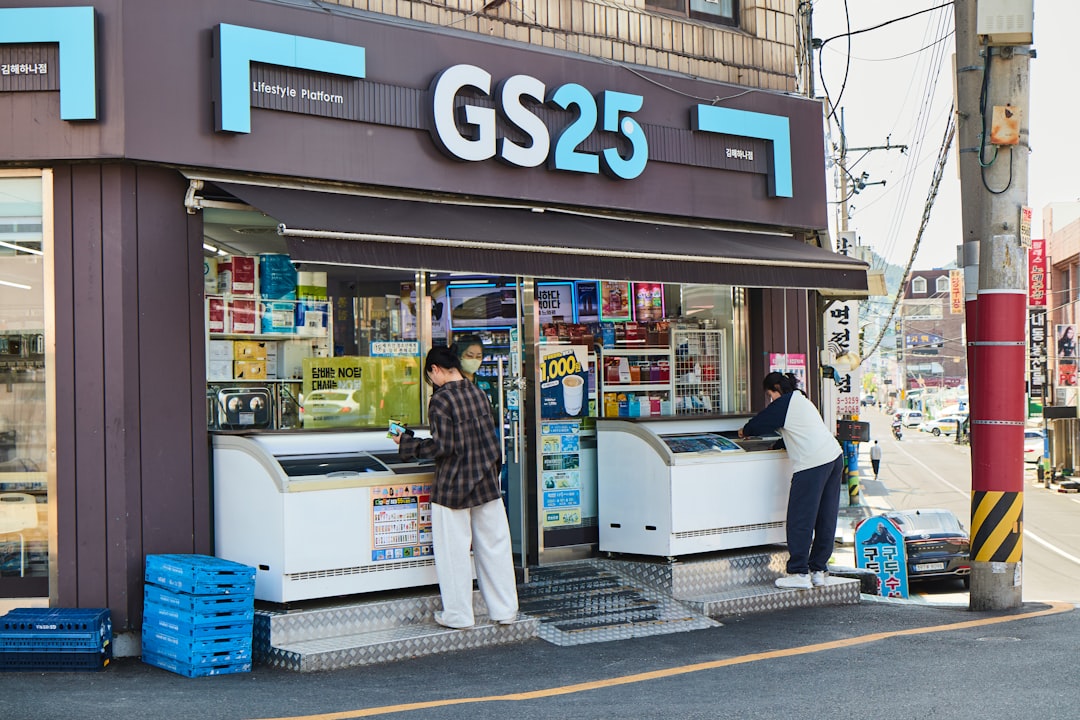
Why Korean Convenience Store Snacks Have Taken Over the Internet
Picture this: it’s 2 a.m. in Seoul, and you’ve just stumbled out of a noraebang (karaoke room) with your friends. Your stomach is growling, but instead of hunting for a restaurant, you walk into the nearest GS25, CU, or 7-Eleven — and suddenly, you’re standing in front of what might be the most impressive snack selection on the planet. From triangle kimbap wrapped in perfectly seasoned rice to corn dogs dripping with cheese, Korean convenience stores (called pyeonuijeom, 편의점) aren’t just places to grab a quick drink. They’re full-blown culinary destinations that have turned millions of international visitors into lifelong fans.
The Korean convenience store phenomenon has exploded on social media, with TikTok videos tagged #KoreanConvenienceStore racking up over 4.7 billion views as of early 2026. And it’s not just tourists filming their hauls — food bloggers, K-drama fans, and snack enthusiasts worldwide are desperate to find the best Korean convenience store snacks to try, whether they’re planning a trip to Seoul or browsing the international aisle at H-Mart.
In this comprehensive guide, I’m breaking down the absolute must-try items across every category — from savory to sweet, from frozen meals to exclusive limited-edition collaborations. Whether you’re building your ultimate snack haul list or just curious about what all the hype is about, this comparison will help you spend your won (or dollars) wisely.
Understanding the Korean Convenience Store Culture

More Than Just a Store: A Way of Life
South Korea has approximately 55,000 convenience stores — that’s roughly one for every 940 people, one of the highest densities in the world. The big three chains are CU (formerly FamilyMart), GS25, and 7-Eleven Korea, with Emart24 gaining ground fast. Unlike their American counterparts, these stores function as affordable mini-restaurants where you can sit, eat a hot meal, and even charge your phone.
Each chain competes fiercely for customers by releasing exclusive products, celebrity collaborations, and seasonal limited editions. This constant innovation is exactly why finding the best Korean convenience store snacks to try requires regular updates — the lineup changes almost monthly.
Price Point: Surprisingly Affordable
One of the biggest draws is the price. A filling convenience store meal in Korea typically costs between ₩2,000–₩5,000 ($1.50–$3.80 USD). Compare that to restaurant meals averaging ₩8,000–₩15,000 ($6–$11), and you can see why locals and tourists alike rely on pyeonuijeom for budget-friendly eating.
In the U.S., you can find many of these same snacks at H-Mart, Lotte Plaza, Zion Market, or online through Weee!, Yamibuy, and Amazon — though expect to pay a 30–80% markup compared to Korean retail prices.
Explore Korean food culture and travel tipsTop Savory Snacks: The Heavy Hitters
Triangle Kimbap (삼각김밥) — The Undisputed King
If there’s one item that defines the Korean convenience store experience, it’s the samgak kimbap — a triangular rice ball wrapped in crispy seaweed with various fillings. At roughly ₩1,200–₩1,800 ($0.90–$1.40), it’s one of the best value snacks anywhere on Earth.
Top flavors to try:
- Chamchi Mayo (참치마요) — Tuna mayo, the bestseller across all chains. Creamy, savory, and universally loved.
- Bulgogi (불고기) — Sweet marinated beef that tastes remarkably good for the price point.
- Kimchi Fried Rice (김치볶음밥) — Tangy, slightly spicy, packed with umami.
- Shrimp Mayo (새우마요) — A GS25 exclusive that often sells out by noon.
- Spam & Egg (스팸에그) — The ultimate comfort combo, paying homage to Korea’s love affair with Spam.
Pro tip: The packaging has a clever pull-tab system that keeps the seaweed separate from the rice until you open it, ensuring maximum crispness. Pull the center tab first, then the side flaps. Watch a YouTube tutorial before your first attempt — there’s a learning curve!
Cup Bap (컵밥) and Dosirak Boxes (도시락)
For a more substantial meal, cup bap (cup rice bowls) and dosirak (lunch boxes) are game-changers. These are full meals priced between ₩3,000–₩5,500 ($2.30–$4.20) that you heat up in the store’s microwave.
Must-try options:
- CU’s Baekjongwon Dosirak — Created by Korea’s most famous chef, Baek Jongwon. The kimchi jjigae (stew) version is outstanding.
- GS25 Bibimbap Cup — Layers of rice, vegetables, gochujang sauce, and a fried egg. Mix it all together for a satisfying bowl.
- 7-Eleven Cheese Dakgalbi Box — Spicy chicken with stretchy melted cheese over rice.
- Emart24 Jeyuk Dosirak — Spicy pork stir-fry that rivals what you’d get at a casual Korean restaurant.
These heated meals have improved dramatically in quality over the past few years, with chains investing heavily in recipe development and premium ingredients. Some even feature sous-vide meats and restaurant-collaboration recipes.
7 Korean Diet Foods for Weight Loss Beginners (2026 Guide)Korean Corn Dogs (핫도그) and Hot Snacks
The Korean corn dog — or hotdog as Koreans call it — deserves its own section. These aren’t your standard American corn dogs. Korean versions come coated in crispy batter, french fries, ramen noodles, or even rice puffs, with fillings ranging from classic sausage to mozzarella cheese, fish cake, or half-and-half combos.
At convenience stores, look for frozen versions from brands like SchoolFood and Ottogi priced around ₩2,500–₩3,500 ($1.90–$2.70). Heat them in the store microwave and dip in the complimentary ketchup and mustard — or, better yet, roll them in sugar like a true Korean street food veteran.
Other hot snack must-tries include tteokbokki cups (spicy rice cakes, ₩2,200), fried chicken tenders from CU’s “Chicken 1990” line, and steamed buns (hoppang) available during colder months.
Best Sweet Snacks and Desserts

Ice Cream: Korea’s Frozen Treasure Trove
Korean convenience store ice cream is in a league of its own. Forget your standard vanilla and chocolate — Korean brands like Lotte, Binggrae, and Haitai create flavors and formats you won’t find anywhere else.
The essential ice cream lineup:
- Melona (메로나) — Honeydew melon bar, creamy and refreshing. The most iconic Korean ice cream, period. About ₩1,200 ($0.90).
- Samanco (싸만코) — Fish-shaped waffle filled with ice cream and red bean. The waffle stays crispy somehow. Pure magic.
- Babambar (바밤바) — Chestnut-flavored ice cream with real chestnut pieces. Uniquely Korean and absolutely delicious.
- Gyeran (계란) Ice Cream — Shaped like an egg, this nostalgic treat has a vanilla shell with a yolk-like center. It’s more about fun than flavor.
- Jaws Bar (죠스바) — Shark-shaped popsicle, grape and strawberry flavored. A childhood staple that adults still love.
- Bungeo Ssangssang Bar — Fish-shaped bar with red bean and vanilla. The upgraded cousin of Samanco.
In the U.S., H-Mart freezer sections carry most of these for $2.50–$4.00 per box. Melona in particular has become widely available even at mainstream stores like Whole Foods and Trader Joe’s in select locations.
Cookies, Chips, and Packaged Sweets
The packaged snack aisle is where Korean convenience stores truly overwhelm first-timers. The variety is staggering, and brands like Orion, Lotte, Crown, and Haitai have been perfecting their recipes for decades.
Top picks for your haul:
| Snack | Brand | Flavor Profile | Price (KRW/USD) | Rating |
|---|---|---|---|---|
| Honey Butter Chips | Haitai | Sweet, buttery, addictive | ₩2,000 / $1.50 | ⭐⭐⭐⭐⭐ |
| Choco Pie | Orion | Chocolate-coated marshmallow cake | ₩4,500 / $3.40 (box) | ⭐⭐⭐⭐⭐ |
| Pepero | Lotte | Chocolate-dipped biscuit sticks | ₩1,500 / $1.15 | ⭐⭐⭐⭐ |
| Market O Real Brownie | Orion | Rich, fudgy, premium chocolate | ₩3,200 / $2.45 | ⭐⭐⭐⭐⭐ |
| Turtle Chips | Orion | Multi-layered, corn-based, airy crunch | ₩2,200 / $1.70 | ⭐⭐⭐⭐ |
| Banana Kick | Nongshim | Banana-flavored puffs, nostalgic | ₩1,800 / $1.40 | ⭐⭐⭐⭐ |
| Jolly Pong | Crown | Puffed wheat, lightly sweet | ₩1,500 / $1.15 | ⭐⭐⭐⭐ |
The Honey Butter Chips caused a nationwide craze when they launched in 2014, with people reselling bags for five times the retail price. They’re now widely available, but still just as addictive. If you can only buy one packaged snack, make it this one.
Market O Real Brownie is another standout — it genuinely tastes like a freshly baked brownie from a premium bakery. It’s become one of the most popular Korean souvenirs for international visitors.
Instant Noodle Showdown: The Ramyeon Section
Cup Ramyeon vs. Pot Ramyeon: What’s the Difference?
Korean convenience stores offer two formats of instant noodles: cup ramyeon (small, quick, solo-serving) and pot ramyeon (larger, cooked in a special machine available at the store’s hot water station). Most stores have a dedicated ramyeon cooking station with boiling water dispensers and even electric cookers where you can prepare your noodles fresh.
The pot ramyeon experience — cooking your noodles in a thin aluminum pot and eating them standing at the counter while they’re still bubbling — is a quintessential Korean convenience store ritual. It costs about ₩1,000–₩1,500 ($0.75–$1.15) for the noodles, with hot water free of charge.
Must-Try Ramyeon Rankings
- Shin Ramyeon (신라면) by Nongshim — The gold standard. Spicy beef broth with chewy noodles. If you’ve never had Korean ramyeon, start here. Available at virtually every grocery store in America.
- Buldak Bokkeum Myeon (불닭볶음면) by Samyang — The viral “fire noodle challenge” ramen. Extremely spicy stir-fried noodles. The Carbonara and Cheese variants are more approachable for spice-sensitive eaters.
- Jin Ramen (진라면) by Ottogi — Slightly milder than Shin, with a deeper, more complex broth. Comes in mild and spicy versions. Many Koreans actually prefer this to Shin.
- Chapagetti (짜파게티) by Nongshim — Korean-style jjajangmyeon (black bean noodles). Mix it with Shin Ramyeon to create Chapaguri, the famous dish from the Oscar-winning film Parasite.
- Neoguri (너구리) by Nongshim — Thick udon-style noodles in a spicy seafood broth. The other half of the Chapaguri combo.
- Yukgaejang Cup Noodle by Nongshim — Spicy beef and vegetable soup, perfect for a quick warming snack.
Budget tip: In Korea, buy the multi-pack (5-pack) versions at the convenience store or nearby mart for significant savings. In the U.S., H-Mart often has multi-pack deals at $4.99–$6.99 for five servings.
Korean recipes and cooking techniques for pairing with convenience store finds suggested topic — Best Korean Instant Noodle Brands Ranked: 2026 Complete GuideDrinks and Beverages Worth Trying

Coffee Culture in a Can
Korea runs on coffee, and convenience stores are ground zero for affordable caffeine. The canned and bottled coffee selection dwarfs anything you’ll find at an American 7-Eleven.
- TOP Coffee (T.O.P) by Maxim — Smooth, not too sweet, available in Americano, Latte, and Sweet varieties. The T.O.P Master Latte uses high-quality Arabica beans and genuinely tastes like a coffee shop latte.
- Georgia Coffee (조지아) by Coca-Cola — The canned espresso line is popular among office workers. Bold flavor with a touch of sweetness.
- Starbucks RTD — Korea gets exclusive Starbucks bottled drinks not available in the U.S., including Jeju Tangerine Latte and seasonal limited editions.
- Maxim Mocha Gold Mild — The iconic Korean instant coffee mix (coffee + creamer + sugar in one stick). A cultural institution. Buy a whole box of 100 sticks for about ₩12,000 ($9.00).
Non-Coffee Beverages You Can’t Miss
Beyond coffee, Korean convenience stores offer a wonderland of unique beverages:
- Banana Milk (바나나맛우유) by Binggrae — The single most iconic Korean drink, recognizable by its squat, jar-shaped bottle. Sweet, creamy, and dangerously drinkable. About ₩1,500 ($1.15) in Korea, $2.99–$3.49 at H-Mart.
- Milkis (밀키스) by Lotte — A carbonated milk drink that sounds weird but tastes like cream soda’s sophisticated Korean cousin. Try the peach and melon flavors.
- Sac Sac (쌕쌕) by Lotte — Orange juice with real pulp pieces. Refreshing and natural-tasting.
- Vita 500 — Korea’s answer to vitamin C drinks. Lightly sweet, citrusy, and a go-to when Koreans feel a cold coming on.
- Soju (소주) — Yes, you can buy soju at Korean convenience stores for about ₩1,800–₩5,000 ($1.40–$3.80). Flavored versions (peach, grape, grapefruit) from brands like Chum Churum and Jinro are wildly popular.
- Makgeolli (막걸리) — Milky, slightly sweet rice wine available in bottles and cans. The banana makgeolli variant has become a viral hit.
Drinking culture at Korean convenience stores is a thing — you’ll often see friends gathered at the outdoor tables sharing fried chicken and soju late at night. It’s called “pyeonuijeom sul” (convenience store drinking), and it’s a beloved Korean social ritual.
Limited Editions and Celebrity Collaborations
K-Pop and K-Drama Tie-Ins
One of the most exciting aspects of Korean convenience store culture is the constant stream of celebrity collaborations and limited-edition products. Korean convenience chains sign deals with K-pop groups, actors, and influencers to create exclusive items that fans rush to collect.
Recent notable collaborations include:
- BTS x CU — Purple-themed packaging on sandwiches, kimbap, and drinks. The collectible photocard inserts drove fans to buy multiple items.
- NewJeans x GS25 — Exclusive snack boxes and beverages with limited-edition merchandise.
- Baek Jongwon x CU — The celebrity chef’s “Baek’s Kitchen” line includes dosirak boxes, cup rice, and snacks that consistently rank among the chain’s bestsellers.
- Squid Game x 7-Eleven — Dalgona (sugar honeycomb) kits, themed sandwiches, and ppopgi-shaped cookies released during Season 2.
These collaborations sell out fast. If you’re visiting Korea and want to snag limited editions, check convenience store apps like CU Pocket CU and GS25 Our Home for real-time stock alerts.
7 K-Pop Rookie Groups Debuting 2026 You Need to Know 7 Underrated K-Pop Albums 2024-2025 You MissedSeasonal Specials to Watch For
Korean convenience stores rotate products seasonally, and timing your visit can unlock exclusive treats:
- Spring (March–May): Cherry blossom-themed snacks, strawberry everything (strawberry sandwich, strawberry milk, strawberry mochi), and lighter salad-based meal options.
- Summer (June–August): Expanded ice cream sections, cold noodle cups (naengmyeon), frozen fruit bars, and watermelon-flavored drinks.
- Fall (September–November): Sweet potato snacks, chestnut-flavored treats, pumpkin desserts, and warm soup cups.
- Winter (December–February): Hoppang (steamed buns) in every flavor imaginable, hot canned drinks, fish cake skewer soups, and holiday gift sets.
How to Build the Ultimate Korean Convenience Store Haul

The Perfect $15 Haul (Korea Prices)
If you’re on a budget and want to experience the best Korean convenience store snacks to try without breaking the bank, here’s my recommended $15 USD haul that covers all the essential categories:
- Tuna Mayo Triangle Kimbap — ₩1,300 ($1.00)
- Bulgogi Triangle Kimbap — ₩1,500 ($1.15)
- Shin Ramyeon Cup — ₩1,400 ($1.05)
- Honey Butter Chips — ₩2,000 ($1.50)
- Market O Real Brownie — ₩3,200 ($2.45)
- Banana Milk — ₩1,500 ($1.15)
- Melona Ice Cream Bar — ₩1,200 ($0.90)
- Samanco Fish Ice Cream — ₩1,500 ($1.15)
- Pepero (Almond) — ₩1,500 ($1.15)
- Banana Kick — ₩1,800 ($1.40)
- Vita 500 — ₩800 ($0.60)
- Milkis — ₩1,200 ($0.90)
Total: approximately ₩18,900 ($14.40 USD) — and you’ve just covered every major category of Korean convenience store greatness.
The $25 “Go Big” Haul (U.S. Prices at H-Mart)
If you’re shopping domestically at H-Mart, Lotte Plaza, or online via Weee!, here’s a realistic haul at American prices:
- Shin Ramyeon 5-pack — $5.49
- Buldak Carbonara Noodles 5-pack — $6.99
- Honey Butter Chips — $3.99
- Banana Milk (4-pack) — $5.99
- Melona Bars (box of 8) — $6.49
- Choco Pie (box of 12) — $4.99
Total: approximately $33.94 — a bit over budget, but every item is worth it. Watch for H-Mart weekly sales, especially during Korean holidays like Chuseok (fall harvest festival), when prices drop significantly.
Korean Minimalist Fashion Essentials 2026: Style GuideWhere to Buy Korean Convenience Store Snacks in the U.S.
In-Store Options
Finding the best Korean convenience store snacks to try has never been easier in America, thanks to the growing network of Asian grocery stores:
- H-Mart — The largest Korean-American grocery chain with 97+ locations across the U.S. Their snack aisles are extensive, and they regularly stock new arrivals from Korea. The freezer section carries triangle kimbap, corn dogs, and ice cream.
- Lotte Plaza Market — Concentrated on the East Coast, particularly in Virginia, Maryland, and Georgia. Excellent for finding Lotte-brand exclusives.
- Zion Market — Popular in California, with a strong selection of Korean convenience store staples.
- Asian grocery stores — Even non-Korean Asian markets (like 99 Ranch, Mitsuwa) carry popular Korean snacks like Shin Ramyeon and Pepero.
- Whole Foods and Trader Joe’s — Increasingly stocking items like Melona bars, gochujang sauce, and Korean-inspired snacks.
Online Shopping
For those without convenient access to Korean grocery stores, online platforms offer comprehensive selections:
- Weee! (sayweee.com) — Asian grocery delivery with an excellent Korean snack section. Free delivery over $35 in most areas.
- Yamibuy — Specializes in Asian snacks and beauty products. Great for building a bulk snack haul.
- Amazon — Carries most popular Korean snacks, though prices can be inflated. Best for multi-packs and Prime-eligible items.
- SnackFever and Korean Snack Box — Subscription box services that curate monthly selections of trending Korean snacks. Great for discovering new items.
Price comparison tip: H-Mart’s in-store prices are typically 20–30% cheaper than online options. If you live near one, stock up in person and save your online budget for rare or limited-edition finds.
K-Beauty Glass Skin Routine for Beginners 2026 suggested topic — Best Korean Grocery Store Finds: H-Mart Shopping Guide 2026Korean Convenience Store Snacks vs. Japanese and Taiwanese Alternatives
Travelers who’ve experienced convenience stores across Asia often compare the big three: Korea, Japan, and Taiwan. Here’s how they stack up:
| Category | Korea (CU/GS25) | Japan (7-Eleven/Lawson) | Taiwan (7-Eleven/FamilyMart) |
|---|---|---|---|
| Hot Meals | Dosirak boxes, tteokbokki, ramyeon stations | Onigiri, bento boxes, oden pots | Tea eggs, lu wei (braised snacks), rice bowls |
| Spice Level | High — gochujang and red pepper flakes everywhere | Low — subtle, umami-focused | Moderate — some heat, lots of five-spice |
| Snack Variety | Excellent, rapid rotation of flavors | Excellent, seasonal obsession culture | Good, strong tea and fruit snack focus |
| Price | Lowest — meals from $1.50 | Mid — meals from $3.00 | Low — meals from $2.00 |
| Unique Draw | Ramyeon cooking stations, K-pop collabs | Premium egg sandwiches, matcha desserts | Fresh-brewed tea, jianbao (pan-fried buns) |
Each country’s convenience store culture reflects its broader food values. Korea leans bold and communal (sharing snacks with friends over soju), Japan emphasizes refinement and presentation, and Taiwan balances tradition with tropical flavors. For sheer value, spice variety, and social experience, Korea wins for most adventurous snackers.
Jeju Island Hidden Gems 2026: 15 Secret Spots Locals Love Gyeongju Day Trip From Seoul Itinerary 2026Frequently Asked Questions
What are the best Korean convenience store snacks to try for first-timers?
Start with the tuna mayo triangle kimbap, Honey Butter Chips, banana milk, and a Melona ice cream bar. These four items represent the core Korean convenience store experience — savory, sweet, creamy, and refreshing. They’re universally loved, affordable (under $5 total in Korea), and give you a solid foundation before exploring spicier or more adventurous options like Buldak fire noodles or tteokbokki cups.
Are Korean convenience store foods healthy?
It depends on what you choose. Triangle kimbap is relatively balanced (rice, seaweed, protein filling) at around 200–280 calories each. Fresh salads, boiled eggs, and chicken breast products are increasingly common as health-conscious options. However, many packaged snacks and ramyeon are high in sodium, sugar, and refined carbs. Korean convenience stores have expanded their “health corner” sections significantly since 2024, offering protein bars, zero-sugar drinks, and low-calorie meal boxes specifically targeting fitness-minded consumers.
7 Korean Diet Foods for Weight Loss Beginners (2026 Guide)Can I find Korean convenience store snacks at H-Mart in the U.S.?
Yes! H-Mart carries approximately 70–80% of the most popular Korean convenience store snacks, including Shin Ramyeon, Honey Butter Chips, Banana Milk, Melona, Choco Pie, Pepero, and many others. The frozen section also stocks triangle kimbap, Korean corn dogs, and tteokbokki. Prices are typically 30–80% higher than Korean retail, but it’s far more affordable than ordering from specialty import sites. Check H-Mart’s weekly circular for Korean snack sales, especially around Lunar New Year and Chuseok.
How spicy are Korean convenience store snacks?
Spice levels vary enormously. Non-spicy options like banana milk, Choco Pie, and Honey Butter Chips are completely mild. Standard items like Shin Ramyeon sit at a medium-high spice level that most adults can handle. The Buldak Bokkeum Myeon (fire noodles) series ranges from intensely hot (original) to approachable (cheese and carbonara variants). Most products now include a spice rating on the packaging — look for the pepper icons (1–5 scale) to gauge heat before buying.
What’s the best Korean convenience store chain to visit in Seoul?
GS25 generally offers the widest variety of exclusive products and has the most comfortable seating areas. CU is the largest chain by store count (over 17,000 locations) and excels in celebrity collaborations and dosirak meal boxes. 7-Eleven Korea has the best hot food section, including freshly made items at select locations. Emart24 is the newcomer worth checking for unique house-brand items you won’t find elsewhere. Honestly, visiting all four is part of the fun — they’re never more than a few blocks apart in Seoul.
How long do Korean convenience store snacks last for bringing home as souvenirs?
Most packaged snacks (chips, cookies, Choco Pie, Pepero, ramyeon) have shelf lives of 6–12 months and travel perfectly in luggage. Fresh items like triangle kimbap, sandwiches, and dosirak boxes are meant to be eaten within 24–48 hours and cannot survive a long flight. Ice cream obviously needs to stay frozen. For souvenirs, stick to packaged snacks, instant noodle multi-packs, and canned/bottled drinks (check airline liquid restrictions). Maxim coffee sticks and Honey Butter Chips are the most popular souvenir picks.
Related Posts You’ll Love
If you enjoyed this guide to the best Korean convenience store snacks to try, check out these related articles:
- 7 Korean Diet Foods for Weight Loss Beginners (2026 Guide)
- How to Book a Hanok Stay in Seoul: 2026 Complete Guide
- Jeju Island Hidden Gems 2026: 15 Secret Spots Locals Love
Ready to Start Your Korean Snack Adventure?
Whether you’re planning a trip to Seoul or heading to your nearest H-Mart this weekend, you now have the ultimate roadmap to the best Korean convenience store snacks to try in 2026. From the humble triangle kimbap to viral fire noodles, from creamy banana milk to limited-edition K-pop collaboration treats — Korean convenience stores offer a snacking experience unlike anything else in the world.
Here’s what I want you to do next:
- Pick 3 items from this list and try them this week — start with whatever’s most accessible to you.
- Drop a comment below telling me your #1 favorite Korean convenience store snack. I read every comment and love hearing about your discoveries!
- Share this article with a friend who’s obsessed with Korean food, K-dramas, or K-pop — they’ll thank you for it.
- Subscribe to our newsletter for weekly K-Food guides, K-Beauty tips, and Korean culture deep dives delivered straight to your inbox.
The world of Korean convenience store food is vast, constantly evolving, and endlessly delicious. This guide will keep getting updated as new products drop and seasonal favorites return — so bookmark this page and check back often.
What’s YOUR go-to Korean convenience store snack? Let me know in the comments! 👇