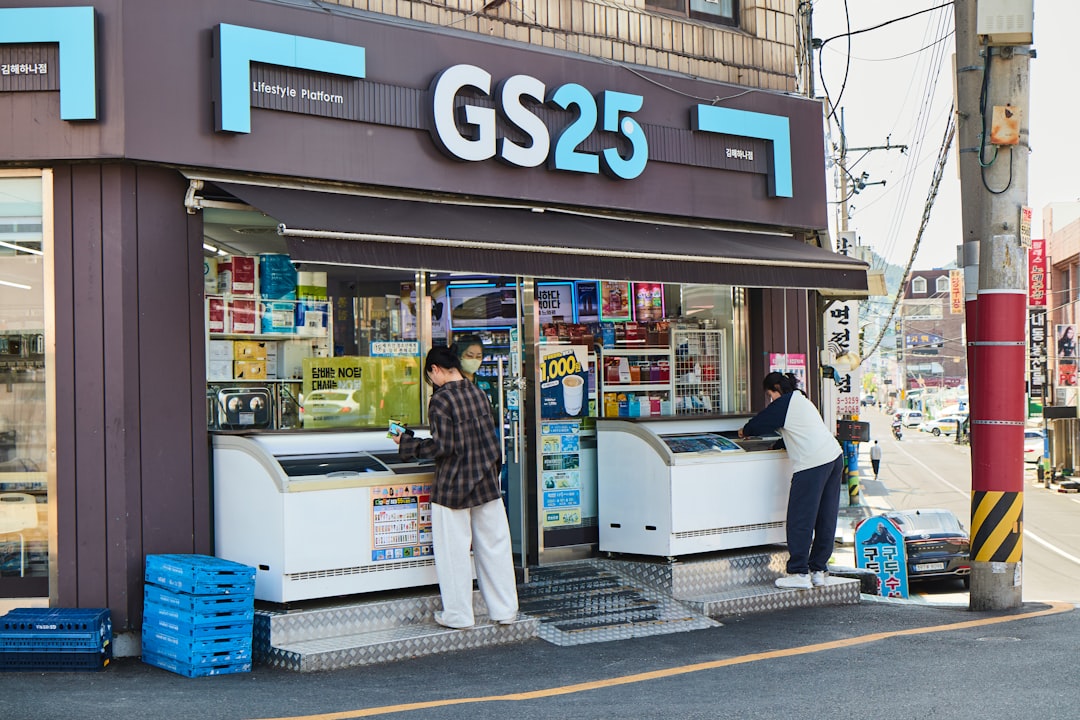
Why Korean Convenience Store Snacks Are Taking Over the Internet
Picture this: you walk into a brightly lit Korean convenience store — a CU, GS25, or 7-Eleven — and the shelves are stacked floor to ceiling with snacks you’ve never seen before. Triangle kimbap glistening in seaweed wrappers. Rows of honey butter chips in their iconic yellow bags. A hot food bar steaming with corn dogs, tteokbokki cups, and crispy fried chicken bites. Welcome to the most exciting snack aisle on the planet.
Korean convenience stores (known locally as pyeonuijeom, 편의점) have become a cultural phenomenon. With over 55,000 locations across South Korea — roughly one for every 930 people — these stores have evolved far beyond selling gum and bottled water. They’re full-blown food destinations, offering chef-quality meals, limited-edition collaborations, and snacks so good they’ve spawned entire YouTube genres.
If you’ve ever wondered about the best Korean convenience store snacks to try, you’re in the right place. This guide covers 30+ must-try items, where to find them outside Korea, how much they cost, and the cultural stories behind them. Whether you’re planning a trip to Seoul or hitting up your local H-Mart, consider this your ultimate Korean convenience store food haul checklist.
The Big Three: Korea’s Convenience Store Chains Explained

Before we dive into the snacks, it helps to understand the landscape. Korea has three dominant convenience store chains, each with its own exclusive products and brand collaborations. Knowing the difference will help you track down specific items.
CU (씨유) — The Market Leader
CU is Korea’s largest convenience store chain with over 17,000 locations. Owned by BGF Retail, CU is famous for its private-label snack line and frequent collaborations with K-Pop groups and Korean celebrities. Their “HEYROO” brand offers everything from premium sandwiches to frozen meals at surprisingly low prices.
CU is particularly known for its bakery section, offering freshly baked cream bread, garlic bread, and seasonal pastries that rival dedicated bakeries. If you see a CU, head straight to the bread display — their butter cream bread regularly sells over 1 million units per month.
GS25 — The Innovation King
GS25, operated by GS Retail, runs about 16,800 stores and is known for being the most experimental chain. They launched Korea’s first convenience store wine section and regularly debut viral products. Their “YOU US” private label competes directly with CU’s offerings.
GS25 earned massive buzz for their collaboration with the Korean drama Extraordinary Attorney Woo, releasing limited-edition kimbap rolls inspired by the show. They also pioneered the café-in-a-convenience-store concept, offering barista-quality espresso drinks at a fraction of coffee shop prices.
7-Eleven Korea — The Global Familiar Face
With around 13,000 Korean locations, 7-Eleven Korea operates very differently from its American counterpart. Forget stale hot dogs — Korean 7-Elevens stock fresh triangle kimbap, premium bento boxes, and seasonal desserts that change monthly. Their strength lies in ready-to-eat meals and an impressive selection of Korean craft beers.
Pro tip: 7-Eleven Korea’s app offers a “1+1” (buy one, get one free) and “2+1” deal tracker. These promotions rotate weekly and can save you 30–50% on your snack haul. CU and GS25 have similar apps, and savvy shoppers check all three before making a run.
Top 10 Best Korean Convenience Store Snacks to Try First
If you’re building your first Korean convenience store food haul — whether in Seoul or at an Asian grocery store abroad — these are the best Korean convenience store snacks to try before anything else. Each one is iconic for a reason.
1. Samgak Kimbap (삼각김밥) — Triangle Rice Balls
The undisputed king of Korean convenience store food. These triangular seaweed-wrapped rice balls come in dozens of flavors: tuna mayo, bulgogi, kimchi fried rice, spicy pork, and even cream cheese. At just ₩1,200–₩1,800 ($0.90–$1.35 USD), they’re the best value meal in Korea.
The trick is in the packaging — a clever three-pull system keeps the crispy seaweed separate from the rice until you’re ready to eat. First-timers often struggle with the wrapper, so here’s the method: pull tab 1 (top center) down, then pull tabs 2 and 3 to each side. Practice makes perfect. The tuna mayo (참치마요) flavor is the all-time bestseller, moving over 300 million units annually across all chains.
2. Honey Butter Chips (허니버터칩)
When Haitai launched Honey Butter Chips in 2014, Korea went into a full-blown snack frenzy. Stores sold out within hours. Resellers listed bags online for 5x the retail price. The combination of sweet honey and savory butter on ridged potato chips was unlike anything on the market, and it sparked a “honey butter” trend that spread to almonds, popcorn, and even fried chicken.
Today, you can find Honey Butter Chips at most H-Mart locations in the US for about $3.99–$4.99 per bag. They remain one of the best Korean convenience store snacks to try for first-timers because the flavor profile is instantly appealing — sweet, salty, and dangerously addictive.
3. Shin Ramyun Cup (신라면 컵)
You might already know Shin Ramyun from your local grocery store, but eating it inside a Korean convenience store is a different experience entirely. Every pyeonuijeom has a hot water dispenser and a microwave, so you can prepare your ramyun on the spot. Many stores also stock add-ons — a slice of processed cheese, a hard-boiled egg, or rice to dump into the leftover broth.
The cup version costs about ₩1,500 ($1.10 USD) in Korea. For the full experience, grab a Shin Ramyun cup, add a slice of cheese on top, and pair it with a triangle kimbap. That’s the classic Korean convenience store combo meal, and it’ll run you under $3 total. How to Make Tteokbokki at Home: Easy 2026 Recipe
4. Buldak Bokkeum Myun (불닭볶음면) — Hot Chicken Ramen
Samyang’s fire noodles became a global TikTok sensation through spicy noodle challenges, but in Korea, they’re just a regular Tuesday night snack. The original flavor clocks in at about 4,404 Scoville Heat Units — hot enough to make you sweat but manageable for most spice lovers.
The lineup has expanded to over 15 varieties: carbonara, cheese, curry, jjajang (black bean), and the terrifying 2x Spicy version that doubles the heat. Korean convenience stores often carry exclusive limited-edition flavors you won’t find elsewhere. The carbonara flavor is the most beginner-friendly, balancing creamy richness against the signature fire.
5. Banana Milk (바나나맛 우유)
Binggrae’s Banana Milk, in its distinctive squat jar shape, has been Korea’s favorite flavored milk since 1974. It’s sweet, creamy, and unmistakably banana — not the artificial candy banana flavor, but something rounder and more nostalgic. Koreans consume over 800,000 bottles daily.
At around ₩1,500 ($1.10) in Korea or $2.99–$3.49 at H-Mart in the US, it’s an affordable must-try. Beyond the original, look for strawberry, melon, and the seasonal coffee banana variants. The bottle design hasn’t changed in 50 years, and it’s become a pop culture icon — you’ll spot it in K-Dramas constantly.
6. Pepero (빼빼로)
Lotte’s chocolate-coated biscuit sticks are so beloved that Korea celebrates Pepero Day on November 11th (11/11 — the date looks like four Pepero sticks). During the weeks leading up to Pepero Day, convenience stores overflow with limited-edition gift boxes, collaboration flavors, and oversized novelty packages.
The standard chocolate flavor is classic, but the almond, nude cream-filled, and dark chocolate varieties have their own dedicated fanbases. A regular box costs about ₩1,500 ($1.10), making it an easy, packable souvenir. Look for seasonal flavors like tiramisu, strawberry cheesecake, and matcha that rotate throughout the year.
7. Corn Dogs (핫도그) — Korean Style
Korean corn dogs are nothing like their American county-fair cousins. Instead of plain cornmeal batter, Korean versions feature crispy coatings of french fries, ramen noodles, rice puffs, or panko breadcrumbs. The filling might be a hot dog, mozzarella cheese, or — the crowd favorite — a half-and-half combo of sausage and stretchy cheese.
Convenience store versions from the hot food bar cost ₩1,500–₩2,500 ($1.10–$1.85) and come with packets of ketchup, mustard, and sugar for dipping. Yes, sugar — the sweet-savory combination is a signature Korean twist. Best Korean Street Food Guide for Beginners 2026
8. Choco Pie (초코파이)
Orion’s Choco Pie is a marshmallow-filled chocolate-coated cake that’s been a Korean staple since 1974. It’s soft, sweet, and satisfying — imagine a Moon Pie’s more refined Korean cousin. Each individually wrapped pie costs about ₩500 ($0.37), making it one of the cheapest snacks in the store.
Fun cultural fact: Choco Pies became an unofficial currency in North Korea after South Korean factory workers at the Kaesong Industrial Complex shared them with their Northern counterparts. The snacks became so coveted that they were eventually banned by North Korean authorities. A single Choco Pie reportedly traded for $9.50 USD on North Korea’s black market.
9. Yakult (야쿠르트) — Korean Probiotic Drinks
While Yakult exists globally, Korea’s version is different. Korean Yakult comes in a wider variety, including the wildly popular “Grandma’s Yakult” (할머니 야쿠르트), a frozen version sold by elderly women from small carts on the street. In convenience stores, look for the Yakult Light (lower sugar) and the premium MPRO3 line with higher probiotic counts.
The newest hit is Yakult Ice — frozen Yakult on a stick that tastes like tangy frozen yogurt. At ₩1,000 ($0.75), it’s the perfect summer snack and a great palate cleanser after a spicy ramyun session.
10. Cup Tteokbokki (컵떡볶이)
Cup tteokbokki brings Korea’s beloved spicy-sweet rice cake dish into a convenient microwavable format. Just add hot water, wait 3 minutes, drain most of the water, stir in the sauce packet, and microwave for 90 seconds. The result is surprisingly close to the street food original — chewy rice cakes in a gochujang-based sauce that’s sweet, spicy, and deeply savory.
Brands like Yopokki and Dongwon dominate this category, with flavors ranging from original spicy to cheese, rosé, and jjajang. They retail for ₩2,000–₩3,000 ($1.50–$2.25) and are available at most H-Mart locations stateside for $3.99–$5.99. How to Make Tteokbokki at Home: Easy 2026 Recipe
Sweet Snacks and Desserts: The Sugar Rush Section

Korean convenience stores take desserts seriously. The sweets section is often larger than you’d expect, featuring everything from traditional rice cakes to elaborate cream-filled pastries that look like they belong in a Parisian pâtisserie.
Must-Try Sweet Snacks
- Melona Ice Bar (메로나) — Honeydew melon-flavored ice cream bar. Creamy, refreshing, and available in mango, strawberry, banana, and coconut variants. ₩1,200 ($0.90).
- Samanco Fish-Shaped Ice Cream (싸만코) — A fish-shaped wafer filled with red bean paste and vanilla ice cream. The design references bungeoppang, the classic Korean fish-shaped pastry. ₩1,500 ($1.10).
- Custard Cream Cake (커스타드) — Lotte’s soft sponge cake filled with rich vanilla custard. Sold in boxes of 6 or 12, but available individually at convenience stores. ₩500 per piece ($0.37).
- Jelly/Gummy Snacks — Korean gummies are on another level. Try My Gummy (마이구미) grape flavor or Jeju Tangerine Jelly for a taste of Korea’s famous citrus.
- Honey Butter Almonds — The snack that rode the Honey Butter wave. Gilim/Tom’s Farm brand almonds coated in honey and butter. Addictive. Available at Costco and H-Mart. $5.99–$7.99 per bag.
Bakery Items Worth Grabbing
Don’t overlook the convenience store bakery section. CU’s cream cheese bread, GS25’s garlic butter baguette, and 7-Eleven’s red bean paste buns are all legitimate contenders against actual bakeries. Prices range from ₩1,500–₩3,000 ($1.10–$2.25), and they’re baked fresh daily at many locations.
The soboro bread (소보로빵) — a sweet crumble-topped bun — is a classic Korean bakery staple you’ll find at every convenience store. For something more indulgent, try the 생크림빵 (fresh cream bread), which is essentially a fluffy roll stuffed with an absurd amount of whipped cream. 7 Low Calorie Korean Meals for Diet Success in 2026
Savory Snacks and Chips: Beyond Honey Butter
Korea’s savory snack game goes far deeper than Honey Butter Chips. The flavor profiles lean heavily into umami, fermented, and spicy territory — reflecting Korean cuisine’s bold palate. Here are the savory picks that belong in every Korean convenience store food haul.
Chip and Cracker Essentials
| Snack | Flavor Profile | Price (Korea) | US Availability |
|---|---|---|---|
| Shrimp Chips (새우깡) | Light, airy, genuinely shrimpy | ₩1,500 ($1.10) | H-Mart, Amazon |
| Onion Rings (양파링) | Sweet onion, crispy, light | ₩1,200 ($0.90) | H-Mart, Asian grocers |
| Turtle Chips (꼬북칩) | Four-layered corn chip, sweet & savory | ₩2,000 ($1.50) | H-Mart, Costco (seasonal) |
| Jjolbyeong (쫄병) | Chewy, spicy, textured snack | ₩1,500 ($1.10) | H-Mart |
| Homerun Ball (홈런볼) | Hollow cream-filled puffs | ₩1,800 ($1.35) | H-Mart, Amazon |
Dried and Seasoned Seaweed (김)
Korean roasted seaweed snacks are a category unto themselves. Unlike the thin, brittle Japanese nori sheets, Korean gim (김) is typically roasted with sesame oil and sea salt, giving it a richer, more savory flavor. Convenience stores carry individual snack packs for ₩500–₩1,000 ($0.37–$0.75).
Look for the wasabi, buldak (hot chicken), and butter-garlic flavored varieties for something beyond the classic. Seaweed snacks are also one of the healthiest options in the store — low calorie, high in iodine and minerals, and naturally gluten-free. Authentic Kimchi Recipe From Scratch: Step-by-Step Guide 2026
Drinks You Absolutely Cannot Skip

The Korean convenience store beverage section is a wonderland of flavors you won’t find anywhere else. From traditional grain-based drinks to trendy fruit concoctions, the drink aisle deserves as much attention as the snack shelves.
Traditional and Unique Korean Drinks
- Sikhye (식혜) — A sweet rice punch made from malt barley. Served cold, it has a unique grainy sweetness with actual rice grains floating in it. A traditional Korean dessert drink. ₩1,500 ($1.10).
- Sujeonggwa (수정과) — Cinnamon-ginger punch, served cold. Deep reddish-brown, warmly spiced, and naturally sweetened with brown sugar. ₩1,500 ($1.10).
- Milkis (밀키스) — A carbonated milk soda that somehow works brilliantly. Think Calpico meets Sprite. The original flavor is the bestseller, but peach and melon versions are excellent. ₩1,200 ($0.90).
- Chilsung Cider (칠성사이다) — Korea’s answer to Sprite, but distinctly different — slightly less sweet, with a cleaner lemon-lime flavor. It’s been Korea’s top soft drink since 1950. ₩1,200 ($0.90).
- Vita 500 — A vitamin C drink that tastes like liquid sunshine. Tangy, slightly sweet, and packed with 500mg of vitamin C. Koreans swear by it as a hangover cure companion. ₩800 ($0.60).
Coffee and Tea Options
Korea’s canned and bottled coffee game is world-class. Forget the watery canned coffee you might be used to — Korean convenience stores stock premium cold brew, nitro coffee, and barista-quality lattes in ready-to-drink format.
Top picks include Starbucks RTD bottles (Korea-exclusive flavors), Maxim TOP coffee (Korea’s bestselling canned coffee), and Compose Coffee cans for a budget-friendly caffeine fix. For tea lovers, look for corn tea (옥수수차) and barley tea (보리차) — both are caffeine-free, lightly toasted, and deeply comforting.
Korea Tourism Organization — Food & Drink Guide
Ready-to-Eat Meals: Full Dinners for Under $5
One of the most surprising things about Korean convenience stores is the quality of their ready-to-eat meals. These aren’t sad, soggy sandwiches — they’re legitimate meals that compete with fast-casual restaurants at a fraction of the price.
Best Meal Options
- Dosirak (도시락) Lunch Boxes — Full bento-style meals with rice, protein, and side dishes. Options include bulgogi, kimchi fried rice, chicken katsu, and bibimbap. ₩3,500–₩5,000 ($2.60–$3.70). Just microwave for 3 minutes.
- Cup Bap (컵밥) — Rice bowl in a cup format. Add hot water, wait, and eat. CJ’s Hetbahn Cupban line offers jjigae rice, curry rice, and kimchi stew rice. ₩2,500–₩3,500 ($1.85–$2.60).
- Sandwiches — Korean convenience store sandwiches use fluffy, slightly sweet milk bread with fillings like egg salad, ham-cheese, strawberry cream, and even bulgogi. They’re much softer and richer than typical Western convenience store sandwiches. ₩2,000–₩3,500 ($1.50–$2.60).
- Frozen Dumplings (만두) — Bibigo and CJ brands dominate. Microwave a bag of kimchi mandu or pork mandu for a quick, satisfying meal. Available worldwide at Costco and H-Mart. ₩3,000 ($2.25) in Korea; $8.99–$12.99 for family bags in the US.
The Art of the Convenience Store Combo Meal
Korean college students and office workers have perfected the art of the pyeonuijeom combo. Here are three classic combinations that maximize flavor and value:
- The Classic: Shin Ramyun cup + cheese slice + triangle kimbap (tuna mayo) = ₩4,200 ($3.10)
- The Budget King: Cup Bap (any flavor) + banana milk + choco pie = ₩5,000 ($3.70)
- The Indulgent: Korean corn dog + tteokbokki cup + Milkis = ₩5,500 ($4.10)
All three combos come in under $5 and deliver a complete, satisfying meal. This is why Korean convenience store culture isn’t just about snacking — it’s a genuine dining option for millions of people every day.
Where to Buy Korean Convenience Store Snacks in the US

You don’t need a plane ticket to Seoul to try the best Korean convenience store snacks. The Korean snack export market has exploded in recent years, and availability in the US is better than ever.
In-Store Options
- H-Mart — The gold standard for Korean groceries in America, with 97+ locations across the US. Their snack aisles carry 80–90% of the items on this list. Check the frozen section for mandu and ice cream bars.
- Zion Market — Primarily on the West Coast, Zion Market has an excellent snack selection and often carries limited-edition Korean items faster than H-Mart.
- Lotte Plaza / Lotte Market — East Coast chain directly connected to the Lotte conglomerate, meaning they stock nearly every Lotte product (Pepero, Choco Pie, Custard, etc.) reliably.
- Whole Foods & Trader Joe’s — Increasingly stocking Korean items. Trader Joe’s carries their own brand of gochujang, kimchi, and Korean-inspired frozen meals. Whole Foods stocks Bibigo dumplings and some Korean snack brands.
- Costco — Bibigo mandu, Honey Butter Almonds, and dried seaweed snack packs are Costco staples in areas with significant Korean-American populations.
Online Retailers
For items you can’t find locally, these online shops deliver Korean snacks nationwide:
- Amazon — Widest selection, but check seller ratings carefully. Prime-eligible Korean snack bundles range from $15–$40.
- Weee! — Asian grocery delivery app with excellent Korean inventory and competitive pricing.
- Seoul Mills / Snack Fever — Specialty Korean snack subscription boxes. Snack Fever’s monthly box ($25–$45) curates 10–15 trending Korean snacks with English descriptions.
suggested topic — Best Korean Grocery Stores in America: Complete State-by-State Guide
Budget Breakdown: How Much Does a Korean Convenience Store Haul Cost?
One of the best things about Korean convenience store shopping is how shockingly affordable everything is — especially compared to US prices. Here’s a realistic budget breakdown for different haul sizes.
Sample Hauls with Pricing
| Haul Size | Items | Cost in Korea | Estimated US Cost |
|---|---|---|---|
| Quick Taste (5 items) | Triangle kimbap, Honey Butter Chips, banana milk, Choco Pie, seaweed snack | ₩6,700 (~$5) | $12–$16 |
| Proper Haul (12 items) | Above + Shin Ramyun, Pepero, Melona, Turtle Chips, Milkis, corn dog, cup tteokbokki | ₩20,000 (~$15) | $35–$50 |
| Ultimate Haul (20+ items) | Everything on this list | ₩40,000 (~$30) | $70–$100 |
As you can see, prices in Korea are roughly 50–65% cheaper than buying imported Korean snacks in the US. If you’re traveling to Korea, dedicate at least one evening to a proper convenience store haul — your suitcase will thank you (your luggage weight limit may not). DMZ Tour from Seoul: What to Expect in 2026 Guide
Pro Tips for Your Korean Convenience Store Food Haul
Whether you’re shopping in Seoul or at an H-Mart in Los Angeles, these tips will help you get the most out of your best Korean convenience store snacks to try experience.
Shopping Strategy
- Check 1+1 and 2+1 deals first. Korean convenience stores rotate buy-one-get-one promotions weekly. Signs are usually in bright yellow or red. This can cut your total by 30% or more.
- Visit after 10 PM for markdowns. Many stores discount fresh items (dosirak, sandwiches, bakery items) in the late evening to reduce waste. You can score premium lunch boxes for 20–30% off.
- Download the store apps. CU, GS25, and 7-Eleven all have apps with digital coupons, point systems, and deal alerts. Even as a tourist, the coupon section works without registration.
- Ask for the microwave and hot water. If you don’t see them, just ask — every Korean convenience store has both available for customers. Say “전자레인지 있어요?” (jeonjarenji isseoyo?) for the microwave.
- Look for seasonal and collaboration items. Korean convenience stores release limited-edition products constantly — K-Pop idol collaborations, drama tie-ins, and holiday specials. These sell out fast and become collector’s items.
Dietary Considerations
Navigating Korean convenience stores with dietary restrictions requires some awareness:
- Vegetarian/Vegan: Options are limited but growing. Seaweed snacks, most chips, some cup noodles (check for anchovy/beef stock), fruit drinks, and certain rice rolls work. CU has introduced a plant-based dosirak line.
- Gluten-Free: Rice-based snacks (rice cakes, some crackers), seaweed, fresh fruit cups, and most drinks are safe. Ramyun and most baked goods contain wheat.
- Halal: Very limited options. Stick to sealed packaged snacks, fruits, and drinks. Some major brands have obtained halal certification for export — check packaging for the halal symbol.
- Allergies: Korean labeling laws require allergen declarations, but they’re in Korean. Use a translation app (Google Lens works well) to scan ingredient lists. 7 Best Apps to Learn Korean for Beginners in 2026
Maangchi — Korean Convenience Store Cooking Hacks
Frequently Asked Questions
What are the best Korean convenience store snacks to try for beginners?
Start with the five essentials: triangle kimbap (tuna mayo flavor), Honey Butter Chips, banana milk, Shin Ramyun cup, and Pepero (almond variety). These items are universally loved, widely available at H-Mart and Asian grocery stores in the US, and offer a well-rounded introduction to Korean snack culture. Together, they cover savory, sweet, spicy, and creamy flavor profiles — giving you a complete taste of what Korean convenience stores have to offer for under $15.
Are Korean convenience store snacks healthy?
Like any convenience store, the healthiness varies widely by product. Seaweed snacks, fresh kimbap rolls, hard-boiled eggs, and fruit cups are genuinely nutritious options. Banana milk and flavored drinks tend to be high in sugar. Ramyun and chips are indulgences best enjoyed in moderation. Korean convenience stores are increasingly adding health-focused options — protein bars, sugar-free drinks, low-calorie dosirak, and salads — reflecting growing health consciousness among Korean consumers. Look for the “저칼로리” (jeo-kalori / low calorie) label on packaging. 7 Low Calorie Korean Meals for Diet Success in 2026
How much should I budget for a Korean convenience store haul in Seoul?
A satisfying haul of 10–15 items typically costs ₩15,000–₩25,000 ($11–$19 USD). If you’re doing a YouTube-style mega haul with 20+ items, expect to spend around ₩35,000–₩50,000 ($26–$37). Remember that 1+1 (buy one get one) promotions can significantly reduce costs. For budgeting purposes, the average snack item costs ₩1,500 ($1.10) and the average ready-to-eat meal costs ₩3,500 ($2.60). Korean convenience stores also accept all major credit cards and mobile payments like Samsung Pay and Apple Pay.
Can I find Korean convenience store snacks in the US?
Yes, and availability has improved dramatically. H-Mart (97+ US locations) carries the widest in-store selection. Amazon, Weee!, and specialty retailers like Snack Fever ship nationwide. Major chains like Costco, Walmart, and Target now stock select Korean snacks including Bibigo dumplings, Shin Ramyun, and dried seaweed. The markup is typically 50–100% above Korean retail prices, but it beats a plane ticket. For the freshest and most complete selection, visit a Korean neighborhood grocery store or H-Mart.
What’s the spiciest Korean convenience store snack?
The Samyang Buldak 2x Spicy Hot Chicken Ramen holds the crown at approximately 10,000 Scoville Heat Units. It’s roughly twice the heat of the original Buldak and has spawned countless spicy challenge videos on YouTube and TikTok. Beyond noodles, look for buldak-flavored chips, buldak-flavored almonds, and buldak-flavored seaweed — Samyang has licensed the flavor across multiple snack categories. If you have a low spice tolerance, start with the Buldak Carbonara or Buldak Cheese flavors, which dial back the heat significantly while keeping the signature smoky-sweet character.
Do Korean convenience stores have seating areas?
Most Korean convenience stores have indoor or outdoor seating areas with tables, chairs, and sometimes even window counters with USB charging ports. This is a key cultural difference from US convenience stores. Many Koreans — especially students and young professionals — treat convenience stores as casual dining spots. You’ll find a microwave, hot water dispenser, and often a small condiment station (chopsticks, napkins, spoons) in every location. Some larger locations even have private booth-style seating. It’s completely normal and socially acceptable to eat your purchased food on-site.
Related Posts You’ll Love
If you enjoyed this guide to the best Korean convenience store snacks to try, check out these related articles:
- Best Korean Street Food Guide for Beginners 2026
- How to Make Tteokbokki at Home: Easy 2026 Recipe
- Authentic Kimchi Recipe From Scratch: Step-by-Step Guide 2026
suggested topic — Ultimate Seoul Food Tour Itinerary: 3 Days of Must-Eat Spots
suggested topic — Korean Ramyun Flavor Ranking: Every Variety Tested and Reviewed
Start Your Korean Snack Adventure Today
Korean convenience store snacks have earned their viral status for good reason — they’re creative, affordable, and genuinely delicious. From the perfect simplicity of a tuna mayo triangle kimbap to the tear-inducing heat of Buldak 2x Spicy ramen, there’s something for every palate and every budget.
The best part? You don’t have to fly to Seoul to start. Head to your nearest H-Mart, browse Amazon’s Korean snack section, or order a Snack Fever subscription box to kickstart your own Korean convenience store food haul at home.
Have you tried any of these snacks? Which one is your favorite — or which one are you most excited to try? Drop a comment below and let us know! If this guide helped you discover something new, share it with a friend who loves trying international snacks. And don’t forget to subscribe to our newsletter for more K-Food guides, recipes, and snack reviews delivered straight to your inbox every week.
Happy snacking! 🍜