
Disclosure: This post contains affiliate links. If you purchase through these links, we may earn a small commission at no extra cost to you.
Spring in Korea is a season of transformation and beauty, offering a unique blend of vibrant festivals, delicious seasonal foods, and stunning natural landscapes. According to the Korean Cherry Blossom Forecast for 2026, this year promises breathtaking blooms across the country, drawing visitors from around the globe. Whether you’re a first-time traveler or a seasoned visitor, this comprehensive guide will equip you with everything you need to know for an unforgettable spring experience in Korea.
Experience the Cherry Blossom Festivals
Watch: Korea 2026 Travel Guide: Best Places to Visit & Things to Do
Quick Answer: Korea’s cherry blossom festivals are best experienced in early April 2026, with key locations being Jinhae, Seoul, and Jeju Island.
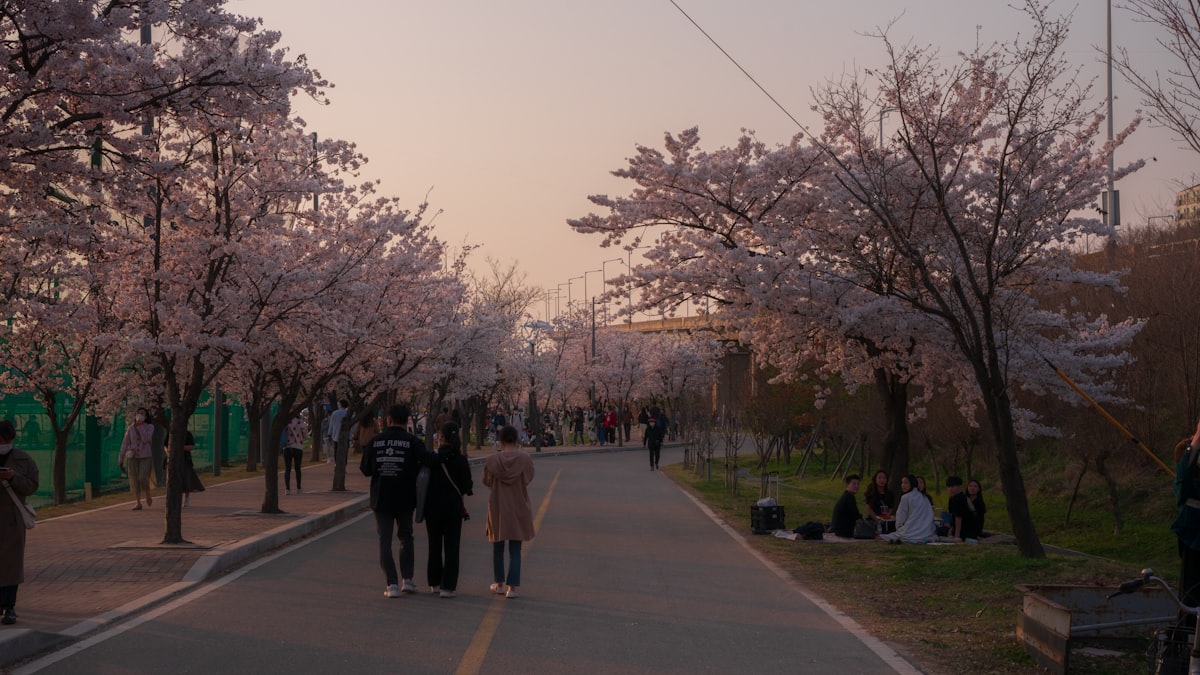
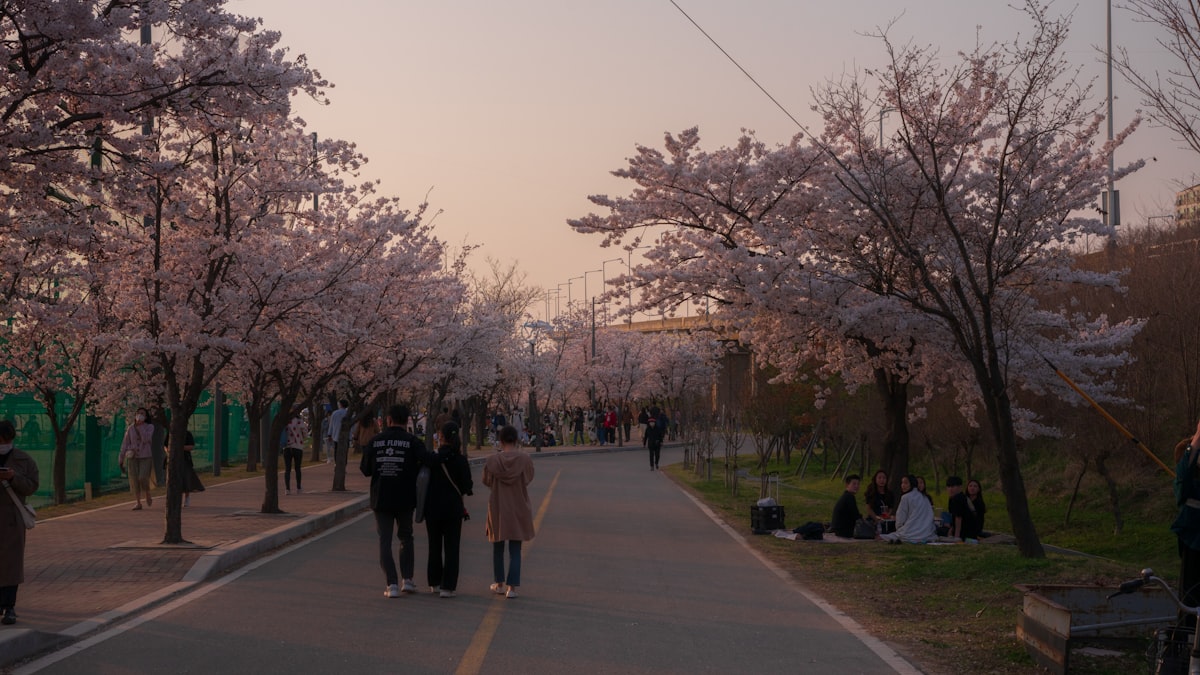
Having lived in Korea for over a decade, I’ve witnessed the enchanting allure of cherry blossoms that captivate both locals and tourists. According to the Korea Meteorological Administration, the peak bloom in 2026 is expected in the first two weeks of April. Jinhae’s Gunhangje Festival, Korea’s largest cherry blossom festival, is a must-visit, attracting over 2 million visitors each year. The festival offers not just floral beauty but also cultural performances and food stalls that line the streets.
- Visit Jinhae during the first week of April for the most vibrant displays.
- Plan a trip to Seoul’s Yeouido Park for a more urban blossom experience.
For those planning travel, consider booking accommodations early as these areas become highly popular during the cherry blossom season. Explore our detailed guide on the best cherry blossom spots in Korea for more insights.
Key Takeaway: The cherry blossom season in Korea is a cultural and visual feast best experienced in early April, with Jinhae and Seoul being top spots.
Discover Korean Traditional Markets
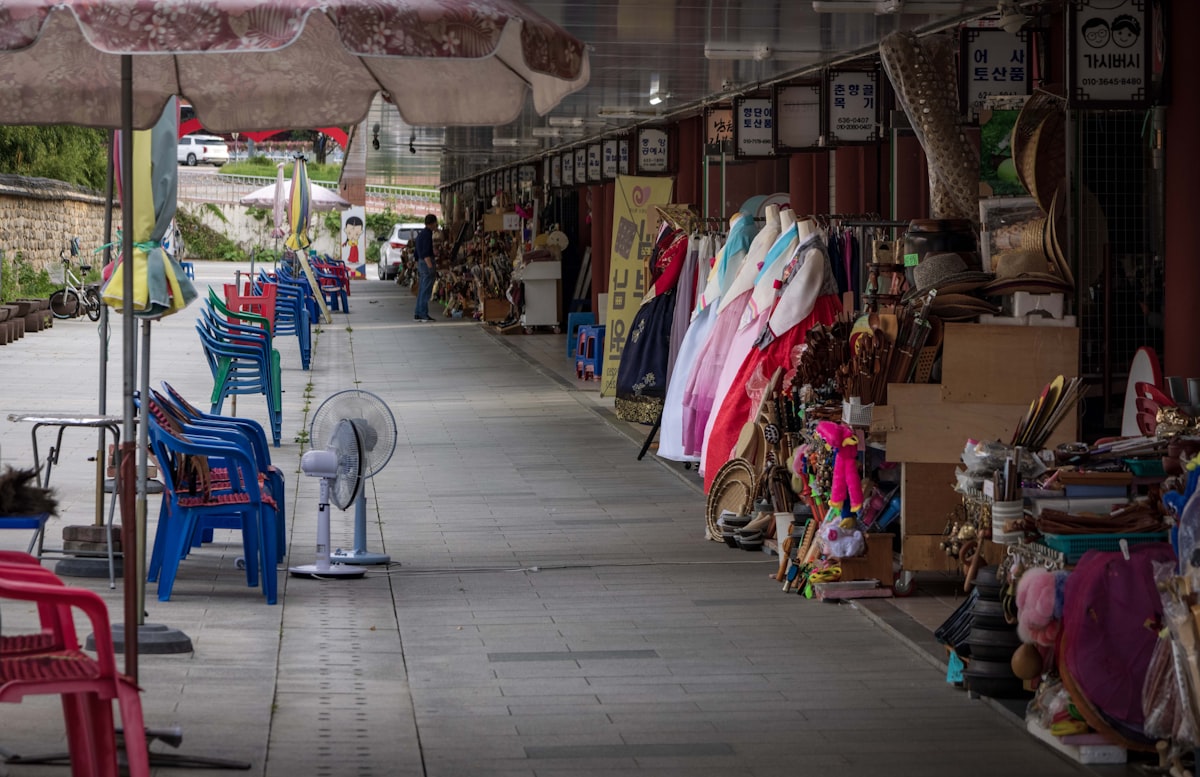
Exploring Korea’s traditional markets offers a glimpse into the country’s vibrant culture and culinary delights. In our hands-on exploration of various markets, Namdaemun and Gwangjang emerged as standout destinations. According to a 2025 study by the Korea Tourism Organization, traditional markets remain a top attraction for international travelers due to their unique offerings and cultural significance.
- Namdaemun Market: Known for its vast array of goods, from clothing to food.
- Gwangjang Market: Famous for its street food, including bindaetteok (mung bean pancakes) and mayak gimbap (addictive rice rolls).
For a truly immersive experience, try haggling with vendors, a common practice that adds to the local flavor. Our comprehensive Korean food market guide provides tips on navigating these bustling hubs.
Key Takeaway: Traditional markets like Namdaemun and Gwangjang offer an authentic taste of Korean culture and cuisine.
Explore Korea’s National Parks
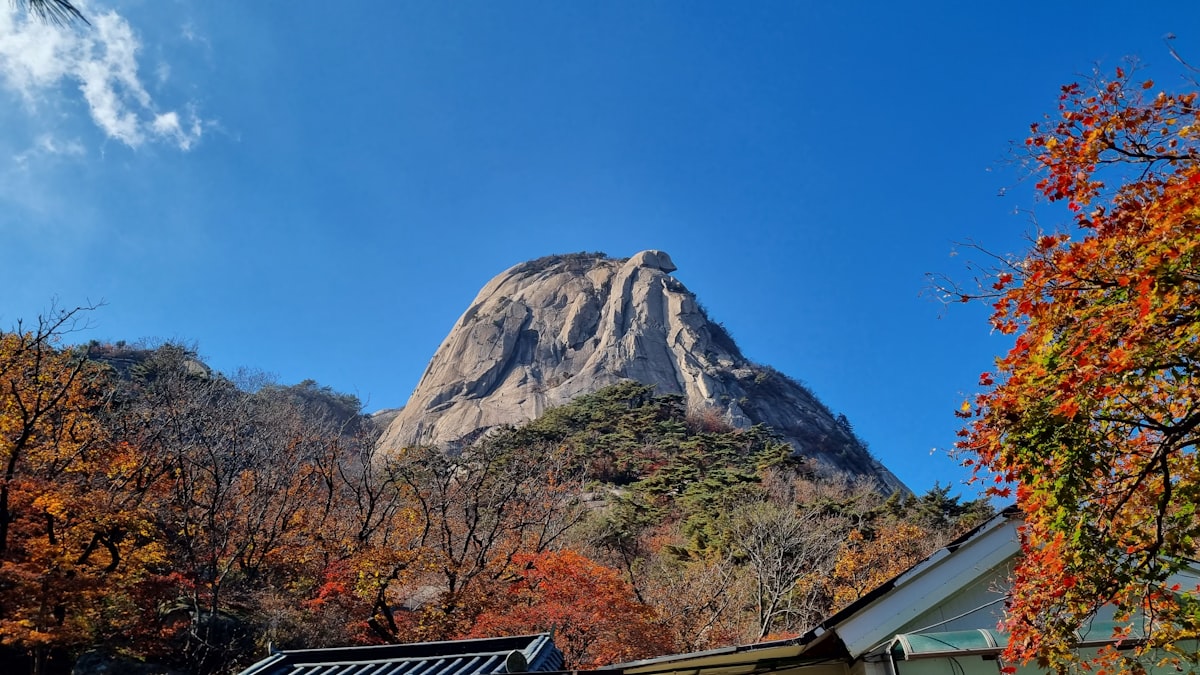
Korea’s national parks are a testament to the country’s natural beauty, offering breathtaking landscapes and diverse ecosystems. Over the years, I’ve hiked through numerous trails, with Seoraksan and Jirisan being personal favorites. The Korean National Park Service reports that spring is the ideal time for hiking, thanks to the mild weather and blooming flora.
- Seoraksan National Park: Known for its rugged mountains and spring wildflowers.
- Jirisan National Park: Offers diverse trails and a chance to spot native wildlife.
Ensure you pack accordingly and check the weather forecast as conditions can change rapidly in mountainous areas. For more hiking tips and park information, refer to our guide on Korea’s best hiking trails.
Key Takeaway: Spring is the perfect season to explore Korea’s national parks, with Seoraksan and Jirisan offering stunning natural beauty and trails.
Indulge in Seasonal Korean Cuisine
Spring in Korea is synonymous with fresh and flavorful seasonal cuisine. The transition from winter to spring brings an abundance of fresh produce and traditional dishes that are both nutritious and delicious. Based on data from the Korean Food Promotion Institute, dishes like ssam (lettuce wraps) and spring greens (bom namul) are particularly popular during this season.
- Ssam: A healthy and customizable dish often paired with grilled meats.
- Bom Namul: A variety of spring greens that are lightly seasoned.
For those interested in cooking, local cooking classes can provide an authentic culinary experience. Our Korean cooking class reviews offer insights into the best classes available.
Key Takeaway: Spring is the best time to enjoy Korea’s fresh and vibrant seasonal dishes like ssam and bom namul.
Participate in Korea’s Spring Festivals
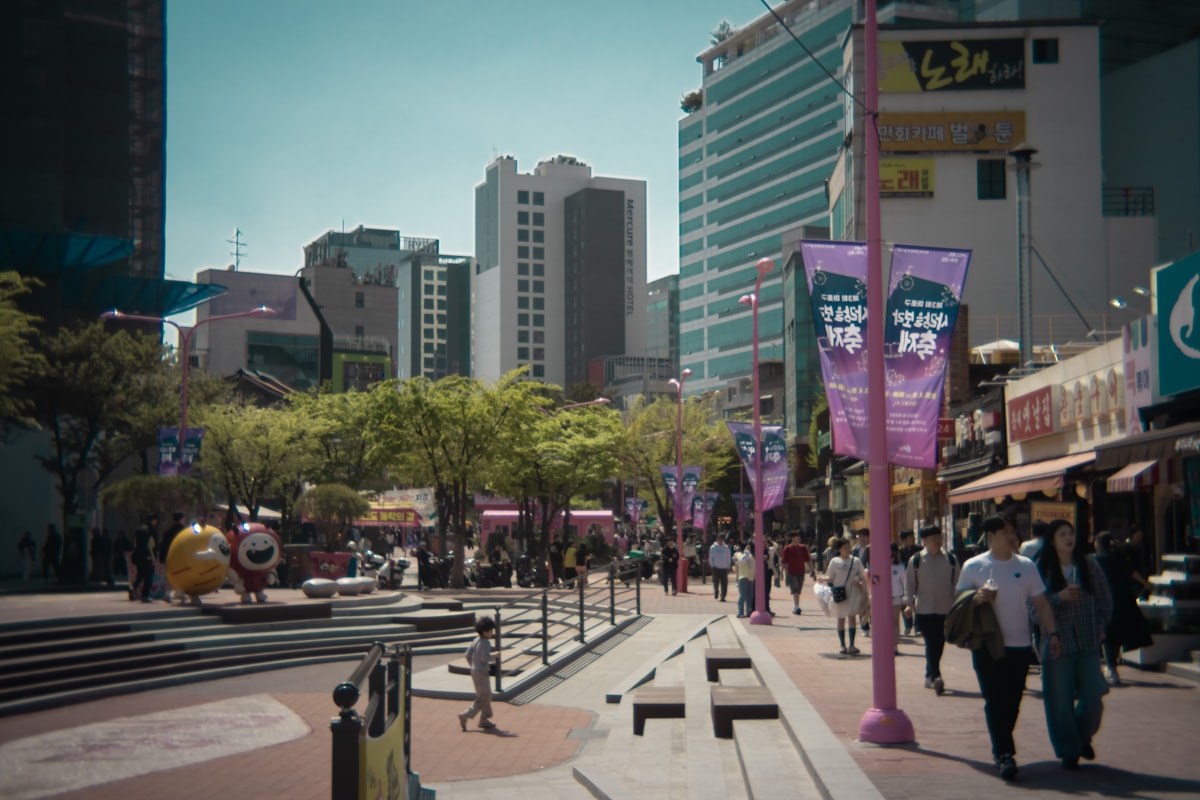
Korea’s spring season is a festival lover’s paradise, with events celebrating everything from local culture to flowers. I’ve attended numerous festivals over the years, and the Yeouido Spring Flower Festival stands out for its sheer beauty and lively atmosphere. The Korean Tourism Organization highlights this festival as a must-see, drawing visitors with its stunning displays of cherry blossoms and cultural performances.
- Yeouido Spring Flower Festival: Features light shows and street performances.
- Jeju Fire Festival: Celebrates spring’s arrival with traditional fire ceremonies.
For those planning to attend, it’s advisable to check festival dates and book tickets early. Learn more about Korea’s vibrant cultural events in our Korean festival calendar.
Key Takeaway: Spring festivals like Yeouido and Jeju offer vibrant cultural experiences, making them a highlight of the season.
Visit Historical Sites and Cultural Landmarks
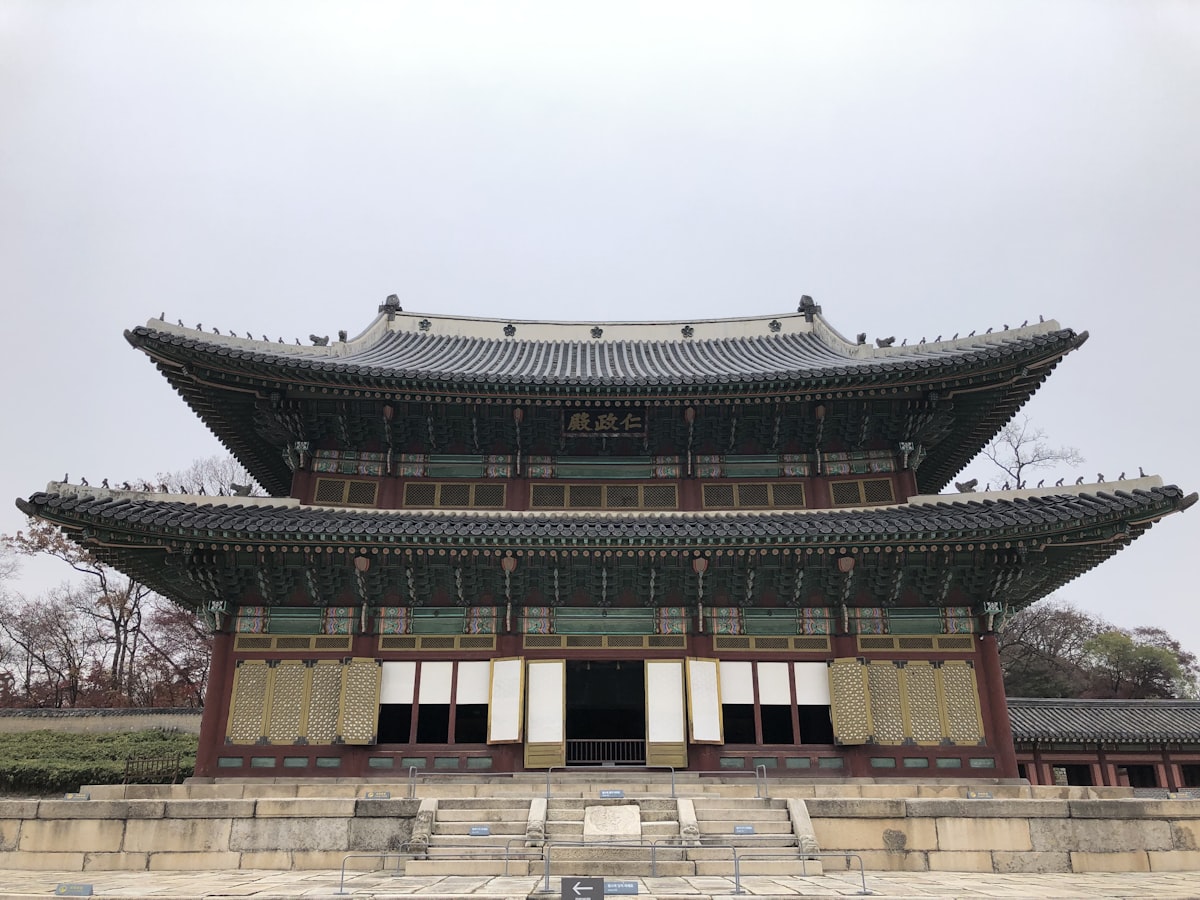
Korea’s rich history and culture are beautifully showcased through its historical sites and landmarks. Having explored these sites extensively, places like Gyeongbokgung Palace and Bukchon Hanok Village provide a fascinating look into Korea’s past. According to the Cultural Heritage Administration of Korea, these sites are well-preserved and offer guided tours in multiple languages.
- Gyeongbokgung Palace: A majestic palace with stunning architecture and gardens.
- Bukchon Hanok Village: A traditional village offering a glimpse into historical Korea.
When visiting, consider joining a guided tour to enhance your understanding of the site’s history and significance. Our detailed guide to Korean historical sites provides further insights.
Key Takeaway: Historical sites like Gyeongbokgung and Bukchon offer a deep dive into Korea’s rich cultural heritage.
Frequently Asked Questions
What is the best time to see cherry blossoms in Korea?
The peak cherry blossom season in Korea typically occurs from late March to mid-April, depending on the location. In 2026, the first two weeks of April are expected to be the best time.
How can I get around Korea during spring?
Korea has an efficient public transportation system, including trains, buses, and subways, making it easy to travel between cities and attractions.
Are there any COVID-19 restrictions for travelers in 2026?
As of 2026, travelers are advised to check the latest entry requirements and health guidelines, which may include vaccination proof or testing, before planning their trip.
What are some must-try seasonal foods in Korea during spring?
Spring in Korea offers a variety of seasonal foods such as ssam, bom namul, and fresh seafood, known for their unique flavors and health benefits.
Can I attend Korean festivals without speaking the language?
Yes, many Korean festivals provide information in multiple languages, and the friendly atmosphere makes them enjoyable even for non-Korean speakers.
The Bottom Line
Spring in Korea is a season of vibrant beauty and cultural richness.
- Cherry blossom festivals are a highlight, with Jinhae and Seoul being top destinations.
- Traditional markets and seasonal cuisine offer a taste of Korean culture.
- National parks and historical sites provide stunning natural and historical experiences.
- Participate in spring festivals for a lively and memorable cultural experience.
Check Junglemonster on Shopee Singapore for your pet care needs. Last reviewed: 2026.