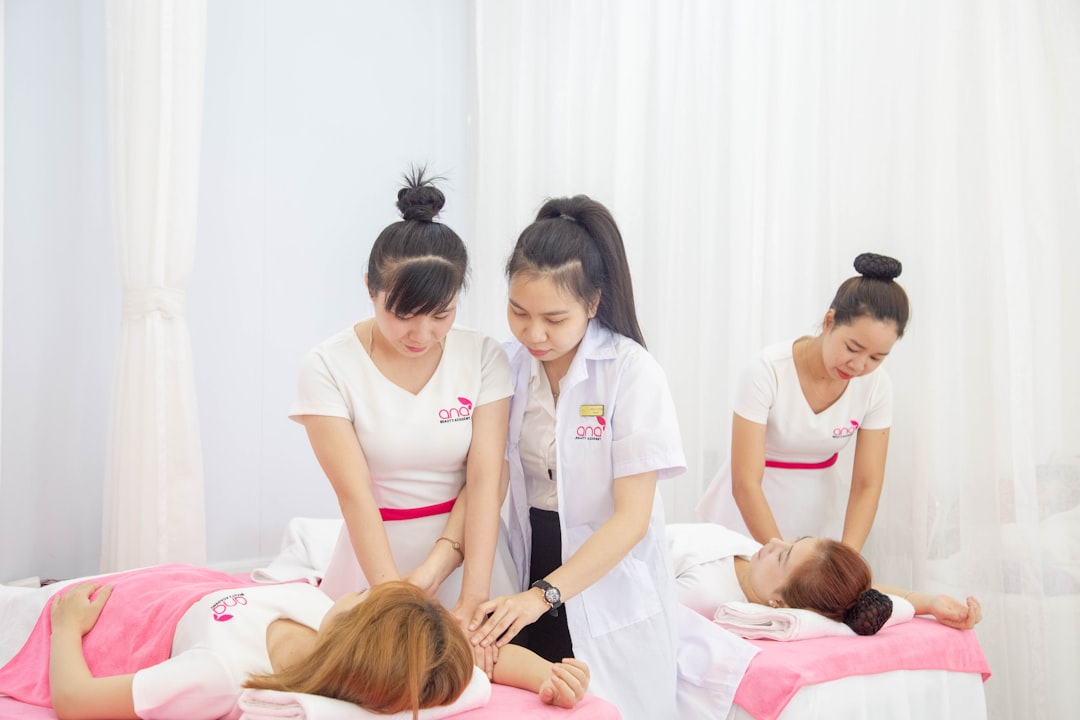
Why the 10-Step Korean Skincare Routine Changed Everything About How We Think About Skin
If you’ve ever scrolled through social media and wondered how Korean women maintain that impossibly dewy, glass-like complexion well into their 40s and 50s, you’re not alone. The secret isn’t genetics — it’s a philosophy. The 10-step Korean skincare routine for beginners has taken the Western beauty world by storm since it first gained mainstream attention around 2015, and nearly a decade later, it remains the gold standard for anyone serious about transforming their skin.
Here’s a surprising statistic: according to Statista, the South Korean skincare market is valued at over $10 billion annually, and the average Korean woman spends roughly twice as much time on her skincare routine as her American counterpart. But before you panic — no, you don’t need to spend an hour in front of the mirror every night. The beauty of the 10-step Korean skincare routine for beginners is that it’s completely customizable.
Think of it less as a rigid checklist and more as a menu. Some nights you’ll use all ten steps. Other nights, you might use five. The point is understanding what each step does and why it matters, so you can build a routine that actually works for your skin — whether you’re battling dry winter skin in Chicago, oily summers in Houston, or the unpredictable climates everywhere in between.
7 Affordable K-Beauty Dupes for Luxury Products 2026
The Complete 10-Step Korean Skincare Routine: Every Step Explained

Before we dive deep into each step, here’s the full roadmap of the 10-step Korean skincare routine for beginners at a glance. Understanding the order is crucial — applying products from thinnest to thickest consistency ensures maximum absorption and efficacy.
| Step | Product | Purpose | When to Use |
|---|---|---|---|
| 1 | Oil Cleanser | Remove makeup & sunscreen | PM only |
| 2 | Water-Based Cleanser | Remove sweat & impurities | AM & PM |
| 3 | Exfoliant | Remove dead skin cells | 2-3x/week |
| 4 | Toner | Balance pH & prep skin | AM & PM |
| 5 | Essence | Deep hydration & cell turnover | AM & PM |
| 6 | Serum/Ampoule | Target specific concerns | AM & PM |
| 7 | Sheet Mask | Intensive treatment boost | 2-3x/week |
| 8 | Eye Cream | Treat delicate eye area | AM & PM |
| 9 | Moisturizer | Lock in hydration | AM & PM |
| 10 | Sunscreen | UV protection | AM only |
Now let’s break down each step in detail so you understand exactly what to buy, how to apply it, and what ingredients to look for.
Step 1: Oil Cleanser — The Foundation of Clean Skin
The concept of double cleansing is the cornerstone of Korean skincare, and the oil cleanser is where it all begins. Oil dissolves oil — that’s basic chemistry. Your sunscreen, makeup, sebum, and environmental pollutants are all oil-based, which means a regular foaming cleanser simply can’t remove them effectively on its own.
Apply the oil cleanser to dry skin (this is important — water creates a barrier). Massage gently for 60 seconds in circular motions. When you add water, the oil emulsifies into a milky texture and rinses clean without residue.
Top picks for beginners:
- Banila Co Clean It Zero Cleansing Balm ($19, Sephora) — Contains Centella Asiatica extract and Vitamin E. A sherbet-like texture that melts into oil. Perfect for sensitive skin.
- DHC Deep Cleansing Oil ($30, Amazon) — Olive oil-based with rosemary leaf extract. Cult classic that removes even waterproof mascara.
- KOSE Softymo Speedy Cleansing Oil ($10, Amazon) — Budget-friendly with mineral oil and sesame oil. Excellent for beginners testing the double-cleanse method.
Pro tip: If you have acne-prone skin, look for non-comedogenic oils like sunflower seed oil or grapeseed oil in the ingredient list. Avoid coconut oil-based cleansers — they rate a 4 out of 5 on the comedogenic scale.
Step 2: Water-Based Cleanser — The Second Half of Double Cleansing
After the oil cleanser removes oil-based impurities, the water-based cleanser sweeps away everything else — sweat, dirt, and any remaining residue. Look for a low-pH cleanser (ideally between 5.0 and 6.0) to maintain your skin’s acid mantle, which acts as a natural barrier against bacteria.
Many Western cleansers have a pH of 9 or higher, which strips the skin and leads to that “squeaky clean” feeling that’s actually a sign of damage. Korean cleansers prioritize gentle, pH-balanced formulas.
Top picks for beginners:
- COSRX Low pH Good Morning Gel Cleanser ($12, Amazon/Ulta) — pH 5.0, contains tea tree oil and BHA. Lightweight and non-stripping.
- Innisfree Green Tea Foam Cleanser ($12, Sephora) — Amino acid-based with Jeju green tea extract. Rich antioxidant profile.
- Round Lab 1025 Dokdo Cleanser ($16, Amazon) — Deep sea water from Ulleungdo Island, naturally mineral-rich. Exceptionally gentle for dry and sensitive skin types.
Step 3: Exfoliant — Revealing Fresh Skin Underneath
Exfoliation accelerates cell turnover, meaning fresher, brighter skin rises to the surface faster. In the 10-step Korean skincare routine for beginners, this step is not daily — overexfoliation is one of the most common mistakes newcomers make, leading to a compromised moisture barrier, redness, and increased sensitivity.
There are two types to understand:
- Chemical exfoliants (AHAs/BHAs) — Dissolve the bonds between dead skin cells. AHAs (glycolic acid, lactic acid) work on the surface and are best for dry or sun-damaged skin. BHAs (salicylic acid) penetrate into pores, making them ideal for oily and acne-prone skin.
- Physical exfoliants — Use fine particles or textured pads. K-beauty versions are far gentler than harsh Western scrubs. Think rice bran powder, not crushed walnut shells.
Top picks:
- COSRX BHA Blackhead Power Liquid ($25, Amazon/Ulta) — 4% betaine salicylate, a gentler BHA derivative. Apply with a cotton pad 2-3 times per week after cleansing.
- NEOGEN Bio-Peel Gauze Peeling Wine ($27, Sephora) — Wine extract (resveratrol) + lactic acid on textured gauze pads. Combines chemical and physical exfoliation.
- Skinfood Rice Mask Wash Off ($12, Amazon) — Rice bran extract provides gentle physical exfoliation plus brightening benefits from natural rice enzymes.
Important for Western climates: If you live in a dry area (Denver, Phoenix, Salt Lake City), limit chemical exfoliation to once a week during winter months. Indoor heating dramatically lowers humidity, and over-exfoliated skin in dry climates can crack and flake severely.
Steps 4-6: The Hydration and Treatment Powerhouse Trio
Steps 4 through 6 are where the magic happens. This is the core of the 10-step Korean skincare routine for beginners — the section that separates K-beauty from every other skincare philosophy on the planet. While Western routines often rely on a single heavy moisturizer, Korean skincare builds hydration in thin, lightweight layers. This approach, called “skin flooding” or the 7-skin method, ensures deep penetration without clogging pores.
Step 4: Toner — Rebalancing and Prepping
Forget everything you know about Western toners. Those astringent, alcohol-heavy liquids that sting your face? That’s not what we’re doing here. Korean toners are hydrating, pH-balancing liquids that prepare your skin to absorb everything that follows. Think of them as a primer coat before painting — they create the ideal surface for maximum product absorption.
After cleansing, your skin’s pH can spike to 8 or 9. A good toner brings it back to the optimal 5.5 range within seconds. Apply by pressing (not swiping) into damp skin with your palms or a soft cotton pad.
Top picks:
- Klairs Supple Preparation Unscented Toner ($22, Amazon/Sephora) — Hyaluronic acid + beta-glucan. Fragrance-free, suitable for sensitive and rosacea-prone skin. One of the most-reviewed K-beauty toners globally.
- Laneige Cream Skin Toner & Moisturizer ($34, Sephora) — A milky toner that doubles as light moisturizer. Contains white tea water. Ideal for dry skin types or minimalist routines.
- Pyunkang Yul Essence Toner ($14, Amazon) — Just 7 ingredients, led by astragalus root extract. Perfect for anyone who values a short, clean ingredient list.
Step 5: Essence — The Heart of Korean Skincare
If there’s one product category that defines K-beauty’s uniqueness, it’s the essence. This step has no real Western equivalent. Essences are lightweight, watery formulas packed with active ingredients that promote cellular renewal and deep hydration. They sit between a toner and a serum in terms of consistency.
The most famous essence in the world — SK-II Facial Treatment Essence — retails for $185 and contains 90%+ fermented Pitera (galactomyces ferment filtrate). But you don’t need to spend anywhere near that much. Korean brands offer nearly identical fermented ingredient profiles at a fraction of the price.
Top picks:
- COSRX Advanced Snail 96 Mucin Power Essence ($25, Amazon/Ulta) — 96% snail secretion filtrate. Yes, it sounds unusual, but snail mucin contains glycoproteins, hyaluronic acid, and glycolic acid naturally. It hydrates, repairs, and soothes. This single product has over 60,000 five-star reviews on Amazon.
- Missha Time Revolution The First Treatment Essence ($32, Amazon) — 90% fermented yeast extract (Saccharomyces). The most popular SK-II dupe on the market.
- IOPE Bio Essence Intensive Conditioning ($48, Amazon) — Bio-fermented ingredients with niacinamide. Clinical trials showed 23% improvement in skin texture after 4 weeks.
Application technique: Pour a quarter-sized amount into your palms, press gently onto your face, and pat softly until absorbed. Never rub. The patting motion stimulates microcirculation and helps ingredients penetrate deeper into the epidermis.
Step 6: Serum or Ampoule — Your Targeted Treatment
While essences provide broad hydration and renewal, serums and ampoules deliver concentrated doses of active ingredients to address specific skin concerns. Ampoules are typically even more concentrated than serums — think of them as a supercharged booster you might use during periods of extra stress or seasonal changes.
Choosing the right serum depends entirely on your primary skin concern:
| Skin Concern | Key Ingredient | Recommended Product | Price |
|---|---|---|---|
| Hyperpigmentation / Dark spots | Vitamin C (Ascorbic Acid) | Klairs Freshly Juiced Vitamin Drop | $23 |
| Dullness / Uneven tone | Niacinamide (Vitamin B3) | COSRX Niacinamide 15 Serum | $21 |
| Fine lines / Aging | Retinol / Bakuchiol | SOME BY MI Retinol Intense Serum | $19 |
| Dehydration | Hyaluronic Acid | Isntree Hyaluronic Acid Toner Plus | $16 |
| Acne / Breakouts | Tea Tree / Centella | COSRX Centella Blemish Ampule | $25 |
| Redness / Sensitivity | Centella Asiatica (Cica) | Dr. Jart+ Cicapair Serum | $38 |
Layer order rule: If you’re using multiple serums (which many K-beauty enthusiasts do), always apply from thinnest to thickest consistency. Water-based serums go first, followed by oil-based ones. Never apply a Vitamin C serum and a niacinamide serum in the same step — while research shows they’re safe together, combining them can cause temporary flushing in sensitive skin. Use one in the morning and one at night instead.
See Allure’s top-rated K-beauty product picks for more recommendations
Steps 7-8: Intensive Treatments for Next-Level Results

Step 7: Sheet Masks — The Iconic K-Beauty Ritual
Nothing says Korean skincare quite like the sheet mask. These single-use fabric masks soaked in concentrated serum deliver an intensive dose of hydration and active ingredients. In Korea, sheet masks are so mainstream that convenience stores sell them for as little as $1 each, and many women use them 3-5 times per week.
For beginners following the 10-step Korean skincare routine, aim for 2-3 sheet mask sessions per week. Apply after your essence or serum step, leave on for 15-20 minutes (never longer — a dried-out mask will actually pull moisture out of your skin), then pat in the remaining essence. Do not rinse.
Top picks by skin type:
- Dry skin: Mediheal N.M.F Aquaring Ampoule Mask ($12/10-pack, Amazon) — Hyaluronic acid + ceramides for intense moisture.
- Oily/acne-prone: Innisfree My Real Squeeze Mask in Tea Tree ($12/10-pack, Amazon) — Lightweight, non-greasy, antibacterial.
- Aging/dull: Sulwhasoo First Care Activating Sheet Mask ($8/single, Sephora) — Premium JAUM Balancing Complex derived from Korean herbal medicine.
- Sensitive: Dr. Jart+ Dermask Water Jet Soothing Hydra Solution ($9/single, Sephora) — Xylitol + algae extract to calm reactive skin.
Best Korean Sheet Masks for Dry Skin 2026: Top 12 Ranked
Step 8: Eye Cream — Protecting Your Most Delicate Skin
The skin around your eyes is approximately 0.5mm thick — about 40% thinner than the rest of your face. It has fewer oil glands, making it the first area to show signs of aging, dehydration, and fatigue. This is why eye cream exists as a separate step in the 10-step Korean skincare routine for beginners.
Apply with your ring finger (it naturally applies the least pressure) using gentle tapping motions along the orbital bone. Never drag or pull. Start from the inner corner, move outward under the eye, and continue along the brow bone.
Top picks:
- Innisfree Green Tea Seed Eye Cream ($22, Amazon) — Green tea seed oil + caffeine to reduce puffiness.
- AHC Ten Revolution Real Eye Cream for Face ($15, Amazon) — Contains peptides + retinal. Versatile enough to use on smile lines and forehead too.
- Sulwhasoo Concentrated Ginseng Renewing Eye Cream ($145, Sephora) — Premium pick. Ginseng saponin technology for visible lifting and firming after 4 weeks.
Steps 9-10: Sealing and Protecting — The Non-Negotiable Finish
Step 9: Moisturizer — Locking Everything In
All those layers of hydration and treatment mean nothing if they evaporate. The moisturizer acts as a protective seal, trapping all the beneficial ingredients against your skin where they can continue working. Korean moisturizers tend to be lighter than their Western counterparts — since you’ve already layered hydration through toner, essence, and serum, you don’t need a thick, heavy cream to compensate.
For Western climates with central heating and harsh winters, you may want a slightly richer formula from October through March. Switch to a lighter gel-cream during humid summer months.
Top picks by skin type:
- Oily skin: COSRX Oil-Free Ultra-Moisturizing Lotion ($15, Amazon) — Birch sap (70%) provides hydration without any greasy finish.
- Combination skin: Belif The True Cream Aqua Bomb ($38, Sephora) — Gel-cream with lady’s mantle herb. Lightweight yet deeply hydrating.
- Dry skin: Laneige Water Sleeping Mask ($28, Sephora) — Sleep packs are a Korean specialty. Apply as your final PM step and wake up with plump, dewy skin.
- Sensitive skin: Etude House SoonJung 2x Barrier Intensive Cream ($16, Amazon) — Panthenol (10%) + madecassoside. Dermatologist-tested, fragrance-free.
Step 10: Sunscreen — The Most Important Step (Seriously)
Ask any Korean dermatologist what the single most important skincare product is, and the answer is always sunscreen. UV damage causes up to 80% of visible skin aging — that includes wrinkles, dark spots, sagging, and uneven texture. Every other step in the 10-step Korean skincare routine for beginners is undermined if you skip sun protection.
Korean sunscreens are famously cosmetically elegant. Unlike many Western sunscreens that leave a white cast or feel greasy, K-beauty SPF formulas feel like lightweight moisturizers or makeup primers. They use newer UV filter technologies that provide broad-spectrum protection without the heavy, chalky texture.
Top picks:
- Beauty of Joseon Relief Sun: Rice + Probiotics SPF50+ PA++++ ($16, Amazon) — The #1 selling K-beauty sunscreen globally. Rice bran + grain ferment filtrate. Leaves a dewy, no-white-cast finish on all skin tones.
- Isntree Hyaluronic Acid Watery Sun Gel SPF50+ PA++++ ($18, Amazon) — 50% hyaluronic acid complex. Doubles as a hydrating step. Water-resistant up to 80 minutes.
- MISSHA All Around Safe Block Essence Sun SPF45 PA+++ ($12, Amazon) — Budget-friendly daily option. Lightweight, fast-absorbing, under $1 per ml.
Application rule: Use two finger-lengths of product (approximately 1/4 teaspoon) for your face alone. Reapply every 2 hours during sun exposure. In office settings, one morning application is generally sufficient unless you sit near windows.
How to Build Your Beginner Routine: The Simplified Starter Kit

Jumping straight into all 10 steps on Day 1 is a recipe for overwhelm (and irritation, since your skin needs time to adjust to new products). Here’s the smartest approach for anyone new to the 10-step Korean skincare routine for beginners:
Week 1-2 — The Core 4:
- Water-based cleanser
- Toner
- Moisturizer
- Sunscreen (AM)
Week 3-4 — Add Double Cleansing + Essence:
- Oil cleanser (PM)
- Water-based cleanser
- Toner
- Essence
- Moisturizer
- Sunscreen (AM)
Week 5+ — Add Targeted Treatments:
- Add a serum targeting your primary concern
- Add sheet masks 2x per week
- Add eye cream if desired
- Introduce exfoliation 1-2x per week
The golden rule: Introduce only ONE new product every 2 weeks. This allows you to identify exactly which product is causing any positive or negative reaction. If you add three products at once and break out, you won’t know which one is the culprit.
7 Affordable K-Beauty Dupes for Luxury Products 2026
Budget Breakdown: How Much Does a Full 10-Step Routine Actually Cost?
One of the biggest misconceptions about the 10-step Korean skincare routine for beginners is that it’s expensive. In reality, K-beauty is famous for delivering premium-quality formulations at dramatically lower prices than Western prestige brands.
| Step | Budget Pick | Mid-Range Pick | Premium Pick |
|---|---|---|---|
| Oil Cleanser | $10 | $19 | $34 |
| Water Cleanser | $10 | $16 | $28 |
| Exfoliant | $12 | $25 | $42 |
| Toner | $14 | $22 | $40 |
| Essence | $15 | $25 | $48 |
| Serum | $16 | $23 | $55 |
| Sheet Masks (10) | $10 | $18 | $40 |
| Eye Cream | $15 | $22 | $145 |
| Moisturizer | $15 | $28 | $52 |
| Sunscreen | $12 | $18 | $36 |
| TOTAL | $129 | $216 | $520 |
A full budget-friendly 10-step Korean skincare routine for beginners can cost under $130 — and most products last 2-3 months. That’s roughly $1.50-2.00 per day for a complete professional-grade skincare routine. Compare that to a single luxury Western serum that can cost $80-200 alone.
Common Mistakes Beginners Make (and How to Avoid Them)

After helping hundreds of readers start their K-beauty journey, these are the pitfalls we see over and over again:
Mistake #1: Over-Exfoliating
Enthusiasm is great, but using a BHA every night because you want faster results will destroy your moisture barrier within two weeks. Start with once a week. Increase gradually. If you notice redness, tightness, or stinging when applying other products, pull back immediately.
Mistake #2: Skipping Sunscreen on Cloudy Days
Up to 80% of UV rays penetrate clouds. UVA rays (the aging ones) pass through glass windows. If you’re using any active ingredients like Vitamin C, retinol, or AHAs, your skin is even more sun-sensitive. Sunscreen is 365 days a year, rain or shine.
Mistake #3: Applying Products in the Wrong Order
A thick cream applied before a watery essence creates a barrier that prevents the essence from penetrating. Always go thin to thick, water-based to oil-based. The 10-step Korean skincare routine order exists for a reason — each layer builds on the previous one.
Mistake #4: Expecting Overnight Results
Your skin’s natural cell turnover cycle takes approximately 28 days. Most dermatologists recommend giving a new routine a full 6-8 weeks before judging results. The exception: if a product causes burning, severe breakouts, or allergic reactions, discontinue immediately.
7 K-Pop Idols With the Best K-Drama Roles in 2026
Frequently Asked Questions About the 10-Step Korean Skincare Routine
Do I really need all 10 steps every single day?
No — and most Koreans don’t do all 10 steps daily either. The full routine is a toolkit, not a mandate. On busy mornings, cleanser + toner + moisturizer + sunscreen (4 steps) is perfectly effective. Save the full ritual for your evening routine when you have more time. The key is consistency with the basics and adding treatment steps as needed.
Can men follow the 10-step Korean skincare routine?
Absolutely. Skin is skin, regardless of gender. In South Korea, the men’s skincare market is valued at over $1.3 billion — Korean men are the highest per-capita spenders on skincare products globally. The only adjustment: men may prefer lighter textures since they typically have oilier skin and larger pores due to higher testosterone levels. Start with the Core 4 steps and build from there.
I have sensitive skin and rosacea. Is the 10-step Korean skincare routine for beginners safe for me?
Yes, with modifications. Avoid products with fragrance, essential oils, and high concentrations of active acids. Focus on centella asiatica (cica), panthenol, ceramides, and madecassoside — these are Korean skincare’s star soothing ingredients. Brands like Etude House SoonJung, Dr. Jart+ Cicapair, and Pyunkang Yul are specifically formulated for reactive skin. Skip the exfoliation step entirely until your barrier is strong.
What’s the difference between an essence and a serum? Do I need both?
Essences are lighter, more watery, and focus on overall hydration and skin cell renewal. Serums are thicker, more viscous, and deliver higher concentrations of specific active ingredients. Think of essence as “feeding” your entire face evenly, while serum “spot-treats” your primary concern. Starting out, you can choose one or the other. As your routine evolves, using both gives you the best results — essence for the base layer of hydration, serum for targeted treatment.
How long does the full 10-step routine take?
Less than you think. Most steps take 30-60 seconds — you’re applying a thin layer, patting it in, and moving on. The only time-consuming step is the sheet mask (15-20 minutes), which is optional and not daily. A realistic morning routine: 5-7 minutes. A full evening routine with all 10 steps: 10-15 minutes, or up to 30 minutes if you include a sheet mask and take your time.
Where should I buy K-beauty products in the US?
You have more options than ever in 2026:
- Sephora — Carries Laneige, Dr. Jart+, Innisfree, COSRX, and more. Great for in-store testing.
- Ulta — Growing K-beauty section with COSRX, Peach & Lily, and Banila Co.
- Amazon — Widest selection and often the best prices. Buy from official brand storefronts to avoid counterfeits.
- YesStyle / Olive Young Global — Direct from Korea with broader product ranges. Shipping takes 1-3 weeks.
- Target — Carries Hero Cosmetics, The Face Shop, and other accessible K-beauty brands.
Related Posts You’ll Love
If you enjoyed this guide to the 10-step Korean skincare routine for beginners, check out these related articles:
- Best Korean Sheet Masks for Dry Skin 2026: Top 12 Ranked
- 7 Affordable K-Beauty Dupes for Luxury Products 2026
- 7 K-Pop Idol Fashion Trends to Try in 2026
Suggested new articles:
- Best Korean Sunscreens for Every Skin Type 2026
- Korean Double Cleansing Method: Complete Guide for Beginners
- Korean Skincare Ingredients Dictionary: 30 Key Ingredients Explained
Start Your K-Beauty Journey Today
The 10-step Korean skincare routine for beginners isn’t about buying ten products tomorrow and overhauling your entire bathroom shelf. It’s about understanding your skin, respecting the science behind each step, and building a routine that grows with you over time.
Start with the Core 4. Give it two weeks. Add one product at a time. Pay attention to how your skin responds. Within 6-8 weeks, you’ll start seeing the kind of results that made K-beauty a global phenomenon — smoother texture, more even tone, fewer breakouts, and that coveted “glass skin” glow.
We’d love to hear from you! Which step are you most excited to try? Already doing the 10-step routine? Drop your experience, favorite products, and before-and-after stories in the comments below. Your tips might help another beginner get started on their own K-beauty journey.
If this guide helped you, share it with a friend who’s been curious about Korean skincare — and subscribe to our newsletter for weekly K-beauty tips, product reviews, and exclusive deals delivered straight to your inbox.