Why Banchan Is the Secret to Falling in Love with Korean Food
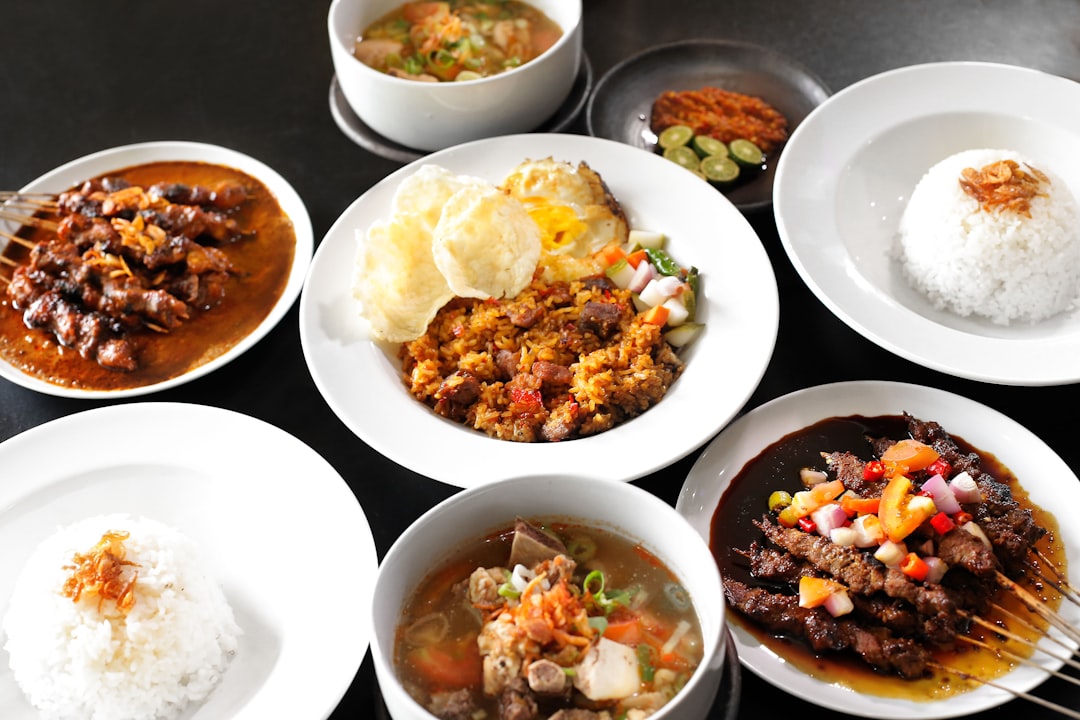
Picture this: you sit down at a Korean restaurant for the first time, and before your main dish even arrives, the table transforms. Small dish after small dish appears — vibrant reds, deep greens, glistening whites, earthy browns — until there’s barely room for your elbows. That magical spread is banchan (반찬), and it’s about to change the way you think about home cooking forever.
Here’s a fact that surprises most newcomers: banchan is always free at Korean restaurants. You can ask for refills, try every single dish, and never pay a cent extra. That generous tradition reflects a deeper Korean philosophy — a meal isn’t just fuel, it’s an experience of balance, variety, and community.
But here’s the even better news. Most banchan dishes are shockingly simple to make at home. If you can boil water, stir a pan, and mix a sauce, you can master the majority of these side dishes in under 30 minutes. This guide breaks down the most approachable easy banchan recipes for beginners, compares them side by side, and gives you a realistic roadmap to building your own banchan spread — even if you’ve never cooked Korean food before.
Whether you’re a K-drama fan who’s been drooling over on-screen meals, a home cook looking to expand your repertoire, or someone who just wants to eat more vegetables in a way that actually tastes incredible, you’re in the right place. Let’s dive in.
What Exactly Is Banchan? A Quick Cultural Primer

The Philosophy Behind the Small Dishes
Banchan literally translates to “side dishes,” but that English phrase doesn’t capture the cultural weight. In traditional Korean dining, a proper meal follows the principle of “bapsang” (밥상) — a harmonious table setting where rice sits at the center, soup accompanies it, and multiple banchan provide contrasting flavors, textures, and nutritional balance.
The number of banchan served historically signaled the occasion’s importance. A casual family dinner might feature 3 dishes (3-cheop bapsang), while a royal court banquet could present 12 or more (12-cheop bapsang). Today, most Korean households aim for 3 to 5 banchan per meal, and restaurants typically serve 4 to 8.
This isn’t random generosity — it’s rooted in Korean medicine and the concept of “obangsaek” (오방색), the five cardinal colors: white, black, red, yellow/orange, and green. A well-composed banchan spread hits all five colors, which traditional Korean nutrition believes ensures a balanced intake of nutrients. Learn more about Korean food culture
Banchan Categories You Should Know
Before jumping into recipes, understanding the major banchan categories helps you plan a balanced spread. Here’s a quick breakdown:
- Kimchi (김치): Fermented vegetables — the backbone of every Korean meal. Over 200 varieties exist.
- Namul (나물): Seasoned vegetable dishes, either raw, blanched, or sautéed. The largest banchan category.
- Bokkeum (볶음): Stir-fried dishes — proteins or vegetables tossed in savory-sweet sauces.
- Jorim (조림): Braised dishes simmered in soy-based sauces until deeply flavored.
- Jeon (전): Pan-fried pancakes or fritters — crispy, golden, and satisfying.
- Jeotgal (젓갈): Salted and fermented seafood — an acquired taste, but essential in Korean cuisine.
- Jangajji (장아찌): Pickled vegetables preserved in soy sauce, vinegar, or fermented pastes.
For beginners, namul and bokkeum are the easiest entry points. They require minimal ingredients, almost no special equipment, and deliver impressive results in 15 to 20 minutes.
The 8 Easiest Banchan Recipes for Beginners (Ranked by Difficulty)
I’ve ranked these easy banchan recipes for beginners from simplest to slightly more involved. Even the “hardest” dish on this list is easier than making a basic pasta sauce. Every recipe serves 4 as a side dish and costs under $5 to make.
1. Kongnamul Muchim (Seasoned Soybean Sprouts) — Difficulty: ★☆☆☆☆
Time: 10 minutes | Cost: ~$1.50
This is the single best banchan to start with. Soybean sprouts are cheap (about $1.50 per bag at H-Mart or $2.00 at Whole Foods), they cook in 5 minutes, and the seasoning is just sesame oil, garlic, salt, and scallions. The result is crunchy, nutty, and addictively savory.
Quick method: Boil sprouts for 5 minutes with the lid on (critical — opening the lid creates a “beany” smell). Drain, rinse with cold water. Toss with 1 tablespoon sesame oil, 1 minced garlic clove, ½ teaspoon salt, 1 teaspoon sesame seeds, and chopped scallions. Done.
Pro tip: Buy the thick, crunchy soybean sprouts (kongnamul), not the thin mung bean sprouts (sukju). They look similar but taste completely different. The soybean sprouts have a yellow bean “head” attached.
2. Sigeumchi Namul (Seasoned Spinach) — Difficulty: ★☆☆☆☆
Time: 10 minutes | Cost: ~$2.00
If kongnamul is the #1 starter banchan, sigeumchi namul is #1A. Blanched spinach squeezed dry and dressed with sesame oil, soy sauce, garlic, and sesame seeds. It’s the green component you’ll see on every Korean table, and it’s nutritionally dense — packed with iron, vitamins A and C, and fiber.
Key technique: After blanching the spinach for just 30 seconds, immediately plunge it into ice water. This stops the cooking and locks in that vibrant green color. Then squeeze out every drop of water — use your hands like you’re wringing a towel. Wet spinach = diluted flavor.
This dish also happens to be one of the three essential components of bibimbap, so mastering it opens the door to building that iconic rice bowl at home. Best Korean Instant Ramyeon Flavors Ranked 2026
3. Oi Muchim (Spicy Cucumber Salad) — Difficulty: ★★☆☆☆
Time: 15 minutes | Cost: ~$2.00
This refreshing, crunchy banchan is the perfect counterbalance to rich, meaty Korean mains like bulgogi or samgyeopsal. Thinly sliced cucumbers are salted to draw out moisture, then tossed with gochugaru (Korean red pepper flakes), rice vinegar, sesame oil, garlic, and a pinch of sugar.
Ingredient note: Korean cucumbers (oi) are thinner-skinned and crunchier than American cucumbers. If you can’t find them, Persian cucumbers or English cucumbers are the best substitutes. Avoid standard American slicing cucumbers — they’re too watery and have tough seeds.
The salting step is non-negotiable. Sprinkle cut cucumbers with ½ teaspoon salt and let them sit for 10 minutes, then squeeze out the liquid. This prevents your banchan from turning into cucumber soup after an hour in the fridge.
4. Gyeran Mari (Rolled Omelette) — Difficulty: ★★☆☆☆
Time: 15 minutes | Cost: ~$1.50
This colorful rolled egg dish looks impressively professional but is actually one of the most forgiving banchan to make. Beat 4 eggs with finely diced carrots, scallions, and a pinch of salt. Pour a thin layer into a greased pan, let it set halfway, then roll it to one side. Add another layer, let it set, roll again. Repeat 3 to 4 times.
The result is a beautiful spiral of yellow and green when sliced. Kids love it, it’s protein-rich, and it stores well in the fridge for 2 to 3 days. You’ll find this in almost every Korean lunchbox (dosirak).
5. Myeolchi Bokkeum (Stir-Fried Anchovies) — Difficulty: ★★☆☆☆
Time: 10 minutes | Cost: ~$3.00
Don’t skip this one because you think you don’t like anchovies. Korean dried anchovies are a completely different experience from the salty, oily fillets on Western pizzas. These tiny fish (use the small “side dish” size, about 1-2 inches) are stir-fried with soy sauce, corn syrup (or honey), garlic, and sesame seeds until they’re sweet, savory, and addictively crunchy — like nature’s potato chip.
Find dried anchovies at any Korean grocery store (H-Mart stocks multiple sizes) for about $5-8 per bag, which yields 4 to 5 batches. They keep for months in the freezer. This banchan is a calcium powerhouse — 3 tablespoons provide roughly 10% of your daily calcium needs.
6. Gamja Jorim (Braised Potatoes) — Difficulty: ★★★☆☆
Time: 25 minutes | Cost: ~$2.00
Bite-sized potatoes braised in a glossy soy sauce mixture until they’re tender inside and slightly sticky outside. This is comfort food at its finest — savory-sweet, satisfying, and universally loved. Use small Yukon Gold potatoes or baby potatoes for the best results.
The sauce ratio to memorize: 2 tablespoons soy sauce, 1 tablespoon sugar (or oligodang/corn syrup for that signature gloss), 1 tablespoon mirin, 1 cup water. Simmer cubed potatoes in this mixture for 15-20 minutes until the sauce reduces to a sticky glaze. Finish with sesame oil and sesame seeds.
7. Hobak Bokkeum (Stir-Fried Zucchini) — Difficulty: ★★☆☆☆
Time: 10 minutes | Cost: ~$1.50
Thinly sliced zucchini (Korean aehobak is ideal, but any zucchini works) sautéed with garlic, salt, and a touch of sesame oil. It sounds almost too simple, but the high-heat, quick-cook method caramelizes the edges while keeping the center tender, creating a depth of flavor that surprises everyone who tries it.
Optional add-ins: a small handful of dried shrimp for umami, or a beaten egg stirred in during the last minute for extra protein. This is one of the most versatile easy banchan recipes for beginners because it adapts to whatever’s in your fridge.
8. Musaengchae (Spicy Radish Salad) — Difficulty: ★★☆☆☆
Time: 15 minutes | Cost: ~$2.00
Julienned Korean radish (mu) dressed in gochugaru, rice vinegar, sugar, fish sauce, and garlic. It’s crunchy, tangy, and refreshing — the perfect palate cleanser alongside heavy dishes. Korean radish is denser, crunchier, and slightly sweeter than daikon, but daikon works as a substitute in a pinch.
Maangchi’s detailed musaengchae tutorial with photos
Side-by-Side Comparison: Which Banchan Should You Make First?

To help you decide which easy banchan recipes for beginners to tackle first, here’s a detailed comparison table:
| Banchan | Time | Cost | Difficulty | Fridge Life | Vegan? |
|---|---|---|---|---|---|
| Kongnamul Muchim | 10 min | $1.50 | ★☆☆☆☆ | 3-4 days | ✅ |
| Sigeumchi Namul | 10 min | $2.00 | ★☆☆☆☆ | 3 days | ✅ |
| Oi Muchim | 15 min | $2.00 | ★★☆☆☆ | 1-2 days | ✅ |
| Gyeran Mari | 15 min | $1.50 | ★★☆☆☆ | 2-3 days | ❌ |
| Myeolchi Bokkeum | 10 min | $3.00 | ★★☆☆☆ | 2 weeks | ❌ |
| Gamja Jorim | 25 min | $2.00 | ★★★☆☆ | 4-5 days | ✅ |
| Hobak Bokkeum | 10 min | $1.50 | ★★☆☆☆ | 2-3 days | ✅ |
| Musaengchae | 15 min | $2.00 | ★★☆☆☆ | 3-4 days | ❌* |
*Contains fish sauce, but easily made vegan by substituting soy sauce.
My recommendation: Start with kongnamul muchim and sigeumchi namul on the same day. Together, they take 20 minutes, cost about $3.50, and give you two banchan that store well for several days. That’s your foundation.
Essential Korean Pantry: The 10 Ingredients That Make Banchan Possible
Before you start cooking, you’ll need to stock a small Korean pantry. The good news: a one-time investment of $25-35 covers ingredients that last months. Here’s what you need, listed from most to least essential:
The Non-Negotiable Five
- Sesame oil (chamgireum, 참기름): $5-8 at H-Mart. The flavor backbone of most namul dishes. Korean brands like Ottogi or CJ are darker and more intensely nutty than generic sesame oil. Store in a cool, dark place — it goes rancid faster than other oils.
- Soy sauce (ganjang, 간장): $3-5. Use regular (jin ganjang) for cooking and soup soy sauce (guk ganjang) for lighter-colored dishes. Kikkoman works in a pinch, but Korean brands have a slightly different fermentation profile.
- Garlic (maneul, 마늘): $1-3. Koreans use roughly 7 times more garlic per capita than Americans. Pre-minced jars from Costco save time without much flavor loss.
- Sesame seeds (chamkkae, 참깨): $3-4. Buy them toasted — they appear in virtually every banchan as a finishing touch.
- Gochugaru (고추가루, Korean red pepper flakes): $6-10. This is NOT the same as crushed red pepper from your pizza delivery. Gochugaru is made from sun-dried Korean chili peppers — it’s fruity, mildly sweet, and smoky rather than just hot. Essential for anything spicy.
The Highly Recommended Five
- Rice vinegar: $2-3. Adds brightness to salads and pickled dishes.
- Fish sauce (aekjeot, 액젓): $3-5. Provides deep umami. Korean fish sauce (usually anchovy or sand lance-based) is slightly different from Thai or Vietnamese versions but interchangeable for banchan.
- Sugar or corn syrup (mulyeot/oligodang): $3-4. Korean cooking uses sweetness to balance salt and spice. Corn syrup gives that characteristic glossy finish to braised dishes.
- Scallions (pa, 파): $1-2. Used both as an ingredient and a garnish in nearly every dish.
- Gochujang (고추장, fermented red pepper paste): $4-7. A thick, sweet-spicy paste used in bibimbap sauce and some banchan dressings. Stores for months in the fridge.
Where to shop: H-Mart is the gold standard for Korean ingredients in the US (80+ locations nationwide). If you don’t have one nearby, Amazon, Weee!, or the Asian aisle at Walmart and Whole Foods carry most essentials. Whole Foods now stocks gochugaru and gochujang in their international section at most locations.
7 Traditional Korean Desserts to Try in 2026
Meal Prep Strategy: Building a Week of Banchan in 90 Minutes

The Sunday Banchan Prep Session
One of the most powerful things about banchan is that most dishes store beautifully for 3 to 7 days. Korean home cooks typically do one big prep session and eat from those banchan all week. Here’s a realistic 90-minute plan:
- Minutes 0-5: Boil water for blanching. Prep garlic (mince 8-10 cloves at once).
- Minutes 5-15: Blanch soybean sprouts (5 min), then blanch spinach (30 sec) in the same water. Cool both in ice baths.
- Minutes 15-25: Season both namul dishes while they cool. Store in containers.
- Minutes 25-40: Make gamja jorim (potatoes go in the pot and simmer while you do other things).
- Minutes 40-55: Stir-fry anchovies (10 min) and hobak bokkeum (10 min) — two pans going simultaneously.
- Minutes 55-70: Make gyeran mari (one batch, 15 min).
- Minutes 70-85: Make oi muchim and musaengchae (both raw prep, quick seasoning).
- Minutes 85-90: Check gamja jorim glaze, portion everything into containers.
Result: 7 banchan dishes, roughly $14 total, feeding 2 people for 4-5 days. That works out to about $1.40 per person per day for side dishes. Compare that to buying premade banchan at H-Mart, where a single container runs $4-7.
Storage Tips That Actually Matter
- Glass containers beat plastic. Gochugaru and soy sauce stain plastic permanently. Invest in a set of small glass containers with snap lids ($15-20 for a 10-pack on Amazon).
- Don’t mix banchan in one large container. Flavors transfer, and different dishes have different shelf lives.
- Cucumber banchan is the exception. Oi muchim should be made fresh or eaten within 24-48 hours — cucumbers release water over time and get soggy.
- Myeolchi bokkeum lasts the longest — up to 2 weeks refrigerated, because the sugar and soy sauce act as preservatives.
Common Beginner Mistakes (and How to Avoid Them)
Flavor and Seasoning Errors
Mistake #1: Using the wrong sesame oil. Light, refined sesame oil (common in Western supermarkets) is almost flavorless. You need toasted sesame oil — it should be dark amber and intensely fragrant. If it doesn’t smell like roasted sesame the moment you open the cap, it’s the wrong product.
Mistake #2: Substituting crushed red pepper for gochugaru. Italian crushed red pepper is all heat and no flavor. Gochugaru is a completely different ingredient with fruity, slightly sweet notes. This substitution will ruin your dish. Order gochugaru online if you can’t find it locally — it’s that important.
Mistake #3: Under-seasoning. Korean banchan should be boldly seasoned because they’re eaten in small amounts alongside plain white rice. If your banchan tastes “just right” on its own, it’s probably too mild for the table. Season slightly above what you’d think is right.
Technique Errors
Mistake #4: Not squeezing water from blanched vegetables. This is the #1 reason homemade namul tastes watery and bland. After blanching spinach, bean sprouts, or any vegetable, squeeze firmly until no more water drips out. The seasoning can’t penetrate waterlogged vegetables.
Mistake #5: Overcooking everything. Banchan vegetables should retain texture — crunchy sprouts, slightly firm spinach, al dente zucchini. Korean cooking values texture as much as flavor. Set a timer and trust it.
Mistake #6: Skipping the resting time. Many banchan taste better after sitting in the fridge for a few hours. The seasoning penetrates the ingredients, and flavors meld. Namul dishes in particular improve overnight. Make them ahead — your future self will thank you.
Beyond Basics: Leveling Up Your Banchan Game

Intermediate Banchan Worth Trying Next
Once you’ve mastered the 8 beginner dishes above, here are 4 intermediate-level banchan that expand your range:
- Japchae (잡채): Glass noodles stir-fried with colorful vegetables and beef. Takes 30-40 minutes but is always the star of any Korean party spread. suggested topic: Complete Guide to Making Korean Japchae at Home
- Dubu Jorim (두부조림): Pan-fried tofu braised in a spicy soy sauce. Vegetarian-friendly protein banchan that pairs incredibly well with rice.
- Kkakdugi (깍두기): Cubed radish kimchi. Your gateway into the world of fermentation — easier than napa cabbage kimchi but just as rewarding.
- Pajeon (파전): Scallion pancakes. Crispy, savory, and perfect with makgeolli (Korean rice wine) on a rainy day. Koreans literally have a saying: “When it rains, eat pajeon.”
Building a Complete Korean Meal
A well-rounded Korean home meal doesn’t require 12 banchan. Here’s a realistic weeknight formula:
- Rice (use a rice cooker — $25 for a basic one, and it’s the best kitchen investment you’ll make)
- Soup or stew (doenjang-guk or kimchi-jjigae are the simplest)
- 1 kimchi (store-bought is fine — even Korean families buy kimchi)
- 2-3 banchan from your weekly prep
- Optional protein (bulgogi, grilled fish, or simply a fried egg)
That’s it — a nutritionally complete, visually stunning meal that takes 20 minutes to assemble if your banchan is prepped. 7 Traditional Korean Desserts to Try in 2026
Where to Buy Ready-Made Banchan (When You Don’t Want to Cook)
Let’s be honest — some days you just want banchan without the effort. Here’s where to find quality premade options:
- H-Mart deli section: The best in-store selection, with 15-25 banchan varieties sold by weight ($6.99-$9.99/lb). Quality is consistently good. Their homemade kimchi is particularly worth buying — it’s fermented in-house at many locations.
- Trader Joe’s: Limited but growing Korean selection. Their kimchi ($2.49) is surprisingly decent for a mainstream store.
- Amazon / Weee!: Brands like Chung Jung One and Bibigo sell vacuum-packed banchan online. Bibigo’s frozen mandu (dumplings) and seaweed soup are pantry essentials.
- Local Korean restaurants: Many Korean restaurants sell banchan to-go, especially kimchi and japchae. Don’t be afraid to ask — it’s common.
- Korean grocery store banchan bars: Stores like Lotte Plaza, Zion Market (West Coast), or Galleria Supermarket stock refrigerated banchan sections with fresh options daily.
If you’re exploring Korean culture beyond food, the cuisine makes a natural pairing with other K-culture interests. Korean Skincare Routine for Beginners Step by Step (2026) How to Book a Korean Temple Stay as a Foreigner (2026)
Frequently Asked Questions About Banchan
What does banchan mean in Korean?
Banchan (반찬) literally means “side dishes” in Korean. The word combines “ban” (반, meaning accompanying) and “chan” (찬, meaning food/dish). It refers to the collection of small shared dishes served alongside rice and soup at every Korean meal. Banchan is always communal — everyone at the table shares the same dishes, eating from the communal plates with their own chopsticks.
Are banchan side dishes really free at Korean restaurants?
Yes — banchan is complimentary at virtually every Korean restaurant, and you can request refills at no extra charge. This tradition reflects the Korean concept of “jeong” (정), a deep sense of affection and generosity. The cost of banchan is factored into the menu prices of main dishes. Tip: it’s considered polite to only request refills of dishes you’ve actually finished, rather than asking for more of everything.
How long does homemade banchan last in the refrigerator?
Most banchan lasts 3 to 5 days when stored properly in airtight containers. Specific shelf lives: namul dishes (seasoned vegetables) last 3-4 days, braised dishes like gamja jorim last 4-5 days, stir-fried anchovies last up to 2 weeks, and fresh salads like oi muchim should be eaten within 1-2 days. Kimchi is the champion — it lasts weeks to months, with its flavor deepening over time. Always use clean utensils when serving to avoid introducing bacteria.
Can I make banchan without fish sauce or seafood ingredients?
Absolutely. Many traditional banchan are naturally vegan — especially namul (seasoned vegetable) dishes. For recipes that call for fish sauce, substitute with soy sauce plus a small pinch of mushroom powder for umami depth. For dishes using dried anchovies, try roasted nuts or seeds for crunch. Korean Buddhist temple cuisine (sachal eumsik) is entirely plant-based and features dozens of banchan without any animal products. It’s one of the most sophisticated vegan cuisines in the world.
What are the best easy banchan recipes for beginners who’ve never cooked Korean food?
Start with kongnamul muchim (seasoned soybean sprouts) and sigeumchi namul (seasoned spinach). Both require only 10 minutes, 5 or fewer ingredients, and zero special skills. From there, try oi muchim (spicy cucumber salad) for a raw-prep dish and gamja jorim (braised potatoes) for a cooked one. Within one weekend, you’ll have 4 banchan in your fridge and the confidence to try more. The key is starting simple and building your pantry gradually.
How many banchan dishes should I serve per meal?
For a casual home meal, 3 banchan plus kimchi is the sweet spot. Aim for variety: one namul (vegetable), one protein-based dish, and one pickled or crunchy item. For guests or special occasions, 5-7 dishes creates an impressive spread without overwhelming your prep time. Remember, banchan isn’t meant to be a huge portion — each dish is just a few bites, providing variety rather than volume.
Related Posts You’ll Love
- 7 Traditional Korean Desserts to Try in 2026
- Best Korean Instant Ramyeon Flavors Ranked 2026
- How to Book a Korean Temple Stay as a Foreigner (2026)
suggested topic: Korean BBQ at Home: Complete Equipment and Recipe Guide
suggested topic: How to Make Authentic Kimchi at Home Step by Step
Start Your Banchan Journey Today
Here’s the truth about Korean cooking that most guides won’t tell you: you don’t need to be an expert to eat like one. The beauty of banchan is that even the simplest dish — a handful of sprouts tossed with sesame oil and garlic — carries centuries of culinary wisdom in every bite.
Pick two recipes from this guide. Buy the five essential pantry ingredients this weekend. Set aside 30 minutes on Sunday. That’s all it takes to begin transforming your weeknight dinners into vibrant, balanced Korean meals.
Which banchan are you going to try first? Drop a comment below and let us know — we’d love to hear about your experience. If you found these easy banchan recipes for beginners helpful, share this guide with a friend who’s been curious about Korean cooking. And if you want more K-food guides, recipe breakdowns, and cultural deep dives delivered to your inbox, subscribe to our newsletter so you never miss a post.
Happy cooking — 맛있게 드세요! (Enjoy your meal!)