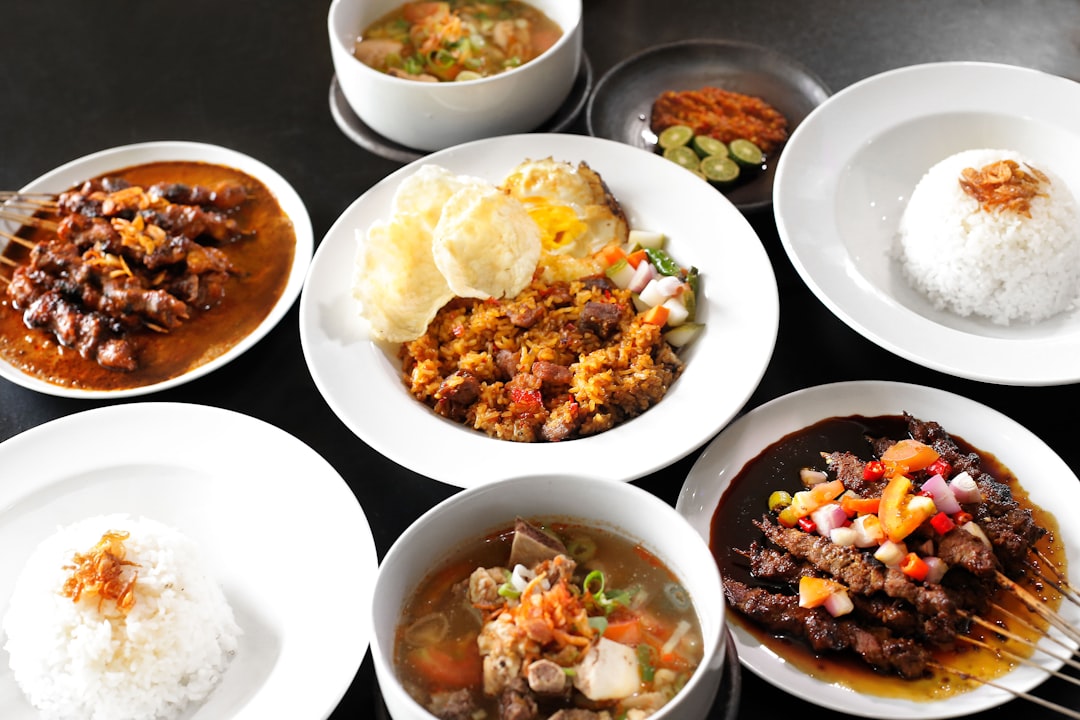
Why Banchan Is the Secret Star of Every Korean Meal
Picture this: you sit down at a Korean restaurant, order a single entrée, and suddenly your entire table disappears under a dazzling spread of small dishes — each one a different color, texture, and flavor. Jewel-toned kimchi, glossy braised potatoes, crunchy seasoned spinach, sweet black beans, and tangy radish cubes all arrive before your main course even hits the grill. This isn’t a mistake on the bill. This is banchan (반찬), and it’s one of the most generous, delicious culinary traditions on the planet.
For newcomers to Korean cooking, banchan can feel intimidating. Dozens of tiny dishes? Multiple fermentation projects? But here’s the truth that experienced Korean home cooks know: most easy banchan recipes for beginners take under 15 minutes, use five ingredients or fewer, and keep beautifully in the fridge for days. Once you master a handful of these side dishes, you’ll transform every weeknight dinner into a Korean feast — no restaurant visit required.
In this guide, we’ll walk through the cultural roots of banchan, break down the essential categories, and give you step-by-step recipes you can start making tonight. Whether you’re prepping for a Korean BBQ night at home Korean BBQ Beginner Guide at Home: 7 Easy Steps (2026) or simply want to add more vegetables to your diet, banchan is your answer.
What Is Banchan? Understanding Korean Side Dish Culture

The History and Philosophy Behind Banchan
Banchan literally translates to “side dishes” in Korean, but the concept runs far deeper than that English phrase suggests. Rooted in the Korean philosophy of obangsaek (오방색) — the five cardinal colors of white, black, red, yellow, and green — a proper banchan spread aims to balance colors, flavors, textures, and even nutritional profiles across every meal.
Historically, the number of banchan served indicated social status. During the Joseon Dynasty (1392–1897), royal court cuisine featured up to 12 different banchan dishes per meal, while commoners typically served 3 to 5. Today, most Korean restaurants offer between 3 and 8 banchan dishes complimentary with every entrée — a tradition that still surprises first-time visitors. Korea Tourism Organization – Korean Food Culture
The philosophy extends to the five fundamental flavors: salty, sweet, sour, bitter, and spicy. A well-composed banchan spread hits every one of these notes, creating a balanced meal that satisfies on every level.
Why Banchan Is Always Free at Korean Restaurants
One of the most common questions newcomers ask: “Why don’t Korean restaurants charge for all these side dishes?” The answer lies in Korean dining etiquette. Banchan is considered part of the meal itself — not an appetizer or add-on. Refusing to serve banchan would be like an Italian restaurant refusing to set the table.
Most restaurants will happily refill your banchan if you finish a particular dish. Just politely ask, and fresh portions will appear. This generosity reflects the Korean value of jeong (정) — a deep sense of affection and care expressed through food.
Now, imagine bringing that same spirit into your own kitchen. With just a Sunday afternoon of batch cooking, you can stock your fridge with 5–7 banchan that last the entire week. Let’s explore the essential categories.
The 7 Essential Categories of Banchan Every Beginner Should Know
Before diving into specific recipes, it helps to understand how Korean cooks organize their side dishes. Each category uses different cooking techniques and serves a distinct role on the table.
| Category | Korean Name | Technique | Example | Difficulty |
|---|---|---|---|---|
| Namul (나물) | 나물 | Blanched & seasoned vegetables | Sigeumchi namul (spinach) | ⭐ Easy |
| Kimchi (김치) | 김치 | Fermented vegetables | Baechu kimchi (napa cabbage) | ⭐⭐ Medium |
| Bokkeum (볶음) | 볶음 | Stir-fried | Myeolchi bokkeum (anchovies) | ⭐ Easy |
| Jorim (조림) | 조림 | Braised in sauce | Gamja jorim (potatoes) | ⭐ Easy |
| Jeon (전) | 전 | Pan-fried pancakes | Hobak jeon (zucchini) | ⭐⭐ Medium |
| Jangajji (장아찌) | 장아찌 | Pickled vegetables | Pickled garlic or perilla leaves | ⭐ Easy |
| Muchim (무침) | 무침 | Raw seasoned/dressed | Oi muchim (cucumber salad) | ⭐ Easy |
As you can see, the majority of banchan categories are rated easy — which is exactly why easy banchan recipes for beginners are such a popular search. Most dishes require basic pantry staples and minimal knife work.
Must-Have Korean Pantry Ingredients for Banchan

The Big 5 Korean Seasonings
Before you start cooking, stock your pantry with these five foundational ingredients. They appear in virtually every banchan recipe and will last months in your kitchen.
- Gochugaru (고추가루) — Korean red pepper flakes: Smoky, slightly sweet, and moderately spicy. This is NOT the same as crushed red pepper from your local pizza shop. A 1-pound bag costs $6–$10 at H-Mart and lasts several months. Look for “coarse” (굵은) for kimchi and “fine” (고운) for sauces.
- Gochujang (고추장) — Korean red pepper paste: A fermented chili paste with deep, sweet-savory complexity. Brands like Sunchang and CJ Haechandle are widely available at H-Mart, Whole Foods, and even Target for about $5–$8 per tub.
- Doenjang (된장) — Korean fermented soybean paste: Similar to Japanese miso but funkier and more robust. Essential for soups and certain namul preparations. About $4–$7 at most Asian grocery stores.
- Soy sauce (간장): Korean cooking uses two types — guk-ganjang (soup soy sauce, saltier and lighter) and regular soy sauce. For beginners, regular soy sauce like Kikkoman works fine. Soup soy sauce costs about $3–$5 at H-Mart.
- Sesame oil (참기름): The finishing touch on nearly every banchan. Korean sesame oil is darker and more intensely nutty than other varieties. Kadoya or Korean brands like Ottogi ($6–$9 per bottle) are excellent choices.
Supporting Players: Garlic, Sesame Seeds, and More
Beyond the Big 5, keep these on hand:
- Fresh garlic — Koreans use an astonishing amount. Pre-minced jars from H-Mart ($3–$4) save enormous time.
- Toasted sesame seeds — Sprinkled on almost everything. Buy pre-toasted bags for $3–$5.
- Rice vinegar — For pickling and dressing, about $2–$3 anywhere.
- Sugar — Regular granulated sugar balances salty and spicy flavors.
- Green onions (scallions) — The universal Korean garnish. Buy a bunch for under $1.
- Dried anchovy & kelp — For making dashima broth (Korean soup stock), available at H-Mart for $4–$6 per bag.
Total investment for a complete banchan pantry: approximately $40–$60. That’s less than two Korean restaurant meals, and these ingredients will fuel dozens of banchan batches. If you don’t live near an H-Mart, Amazon carries every item listed above, often in multipacks. Korean Convenience Store Culture: A Complete Guide
10 Easy Banchan Recipes for Beginners (Step-by-Step)
Here are ten tried-and-true recipes, organized from easiest to slightly more involved. Each one has been tested in American home kitchens and uses ingredients available at mainstream grocery stores. For visual guides and video tutorials on classic Korean dishes, Maangchi’s site is an invaluable resource. Maangchi Korean Cooking
1. Sigeumchi Namul (시금치나물) — Seasoned Spinach
Time: 10 minutes | Difficulty: Beginner | Fridge life: 3–4 days
This is the single best banchan to learn first. It appears on every Korean table and teaches you the fundamental namul technique you’ll use for bean sprouts, fernbrake, and more.
Ingredients: 1 bunch fresh spinach (about 10 oz), 1 tbsp soy sauce, 1 tsp sesame oil, 1 tsp minced garlic, 1 tsp toasted sesame seeds, pinch of salt.
Method: Bring a large pot of water to a boil. Blanch the spinach for exactly 30 seconds — no more, or it gets mushy. Immediately transfer to an ice bath. Squeeze out all excess water with your hands (this step is crucial). Chop roughly, then toss with soy sauce, sesame oil, garlic, and sesame seeds. Taste and adjust salt. Serve at room temperature.
Pro tip: Baby spinach from Whole Foods works, but mature spinach with stems has better texture and is more authentic.
2. Kongnamul Muchim (콩나물무침) — Seasoned Bean Sprouts
Time: 12 minutes | Difficulty: Beginner | Fridge life: 4–5 days
Crunchy, nutty, and refreshing. Soybean sprouts (not mung bean sprouts) are traditional here — they have a distinctive yellow head and slightly nutty flavor.
Ingredients: 12 oz soybean sprouts, 1 tbsp soy sauce, 2 tsp sesame oil, 1 tsp minced garlic, 1 green onion (sliced), 1 tsp sesame seeds, pinch of gochugaru (optional for a spicy version).
Method: Place sprouts in a pot with 1 cup of water. Cover tightly and bring to a boil. Do not open the lid — soybean sprouts release a beany smell if cooked uncovered. Boil for 8 minutes. Drain, then toss with all seasonings while still warm so they absorb the flavors. Serve warm or cold.
3. Gamja Jorim (감자조림) — Soy-Braised Potatoes
Time: 25 minutes | Difficulty: Beginner | Fridge life: 5–7 days
Sweet, savory, and glossy — this is the banchan that converts skeptics. Kids love it, adults can’t stop snacking on it, and it pairs beautifully with rice.
Ingredients: 3 medium Yukon Gold potatoes (peeled and cubed into bite-size pieces), 3 tbsp soy sauce, 1.5 tbsp sugar, 1 tbsp rice wine (mirin), 1 tbsp corn syrup or honey (for the gloss), 1 tsp minced garlic, 1 tsp sesame oil, sesame seeds for garnish.
Method: Place the potato cubes in a small saucepan. Add soy sauce, sugar, rice wine, corn syrup, garlic, and just enough water to barely cover (about ¾ cup). Bring to a boil, then reduce to a simmer. Cook uncovered for 15–18 minutes, stirring occasionally, until the liquid reduces into a thick, glossy glaze and the potatoes are fork-tender. Finish with sesame oil and sesame seeds.
Pro tip: Add a dried chili pepper or a few slices of jalapeño during cooking for a mildly spicy version.
4. Oi Muchim (오이무침) — Spicy Cucumber Salad
Time: 10 minutes | Difficulty: Beginner | Fridge life: 1–2 days (best fresh)
Cool, crunchy, and slightly fiery — this banchan is the perfect counterpoint to rich, meaty main dishes. It’s especially essential alongside Korean fried chicken Korean Fried Chicken Recipe: Crispy Double Fry Method (2026) or grilled bulgogi.
Ingredients: 2 English cucumbers, 1 tbsp gochugaru, 1 tbsp soy sauce, 1 tsp sugar, 1 tsp rice vinegar, 1 tsp sesame oil, 1 tsp minced garlic, 1 tsp sesame seeds, 1 green onion (sliced).
Method: Halve cucumbers lengthwise, then slice into thin half-moons. Sprinkle with ½ tsp salt, toss, and let sit for 5 minutes to draw out moisture. Squeeze gently and drain. Toss with all remaining seasonings. Serve immediately for maximum crunch.
5. Gyeran Mari (계란말이) — Korean Rolled Omelette
Time: 15 minutes | Difficulty: Beginner-Intermediate | Fridge life: 2–3 days
A lunchbox staple that’s as fun to make as it is to eat. Think of it as a Korean version of a French rolled omelette, but with colorful mix-ins.
Ingredients: 4 large eggs, 2 tbsp finely diced carrot, 2 tbsp finely diced green onion, 1 tbsp finely diced red bell pepper (optional for color), pinch of salt, cooking oil.
Method: Beat eggs with salt and fold in the diced vegetables. Heat a rectangular pan (or regular nonstick) over medium-low heat with a thin layer of oil. Pour in a thin layer of egg mixture. When it’s about 80% set, carefully roll it toward one side of the pan. Push the roll to the back, oil the pan again, pour another thin layer, and repeat the roll. Continue 3–4 times until all the egg is used. Let it cool for 2 minutes, then slice into ½-inch rounds to reveal the beautiful spiral pattern.
6. Myeolchi Bokkeum (멸치볶음) — Stir-Fried Dried Anchovies
Time: 10 minutes | Difficulty: Beginner | Fridge life: 2 weeks+
Don’t skip this one! Sweet, salty, and slightly crunchy, stir-fried anchovies are a calcium powerhouse and a quintessential Korean banchan. Use the small-sized dried anchovies (about 1–2 inches long), available at H-Mart for around $5–$7 per bag.
Ingredients: 1 cup small dried anchovies, 1 tbsp soy sauce, 1.5 tbsp honey or corn syrup, 1 tsp gochugaru (optional), 1 tsp sesame oil, 1 tsp sesame seeds, 1 tbsp sliced almonds or peanuts (optional).
Method: Dry-toast the anchovies in a pan over medium heat for 2–3 minutes until fragrant and lightly crispy. Add soy sauce and honey, stirring quickly to coat evenly. The sauce will become sticky and glossy within about a minute. Remove from heat, toss with sesame oil, sesame seeds, and nuts if using.
7. Musaengchae (무생채) — Spicy Radish Salad
Time: 15 minutes | Difficulty: Beginner | Fridge life: 4–5 days
Bright, tangy, and crisp, this radish salad is a natural palate cleanser. It’s typically made with Korean radish (mu), which is shorter, rounder, and denser than Japanese daikon. Both are available at H-Mart; daikon works as a substitute in a pinch.
Ingredients: 1 medium Korean radish (about 1 lb), 1 tbsp gochugaru, 1 tbsp fish sauce (or soy sauce for vegetarian), 1 tbsp rice vinegar, 1 tsp sugar, 1 tsp minced garlic, 1 tsp sesame seeds.
Method: Julienne the radish into thin matchstick-size strips. Toss with salt and let stand for 10 minutes. Lightly squeeze out excess water. Add all seasonings and toss until the radish turns a vibrant red-orange from the gochugaru. Garnish with sesame seeds and let the flavors meld in the fridge for at least 30 minutes before serving.
8. Eomuk Bokkeum (어묵볶음) — Stir-Fried Fish Cake
Time: 10 minutes | Difficulty: Beginner | Fridge life: 4–5 days
Korean fish cakes (eomuk) are flat, slightly chewy sheets sold in the refrigerated or freezer section of Asian grocery stores. They’re pre-cooked, so this banchan is essentially a quick stir-fry.
Ingredients: 8 oz Korean fish cake sheets (cut into strips), 1 tbsp soy sauce, 1 tbsp rice wine, 1 tsp sugar, 1 tsp gochugaru, 1 tsp sesame oil, 1 small onion (sliced), 1 green onion (sliced), 1 tsp sesame seeds.
Method: Blanch the fish cake strips in boiling water for 30 seconds to remove excess oil. Stir-fry the sliced onion in a bit of oil until translucent. Add the fish cake, soy sauce, rice wine, sugar, and gochugaru. Stir-fry over high heat for 3–4 minutes. Finish with sesame oil, green onion, and sesame seeds.
9. Hobak Jeon (호박전) — Pan-Fried Zucchini
Time: 20 minutes | Difficulty: Beginner-Intermediate | Fridge life: 2–3 days
Golden, lightly crispy, and delicate, zucchini jeon is comfort food at its finest. It’s also one of the most kid-friendly banchan you can make.
Ingredients: 2 medium zucchini, ¼ cup all-purpose flour, 2 eggs (beaten), salt, cooking oil.
Method: Slice zucchini into ¼-inch rounds. Season lightly with salt and let sit for 5 minutes, then pat dry. Dredge each slice lightly in flour, then dip in beaten egg. Pan-fry in a thin layer of oil over medium heat for about 2 minutes per side until golden. Serve with a dipping sauce of soy sauce + rice vinegar + a few sesame seeds.
10. Kongjang (콩장) — Soy-Braised Black Beans
Time: 40 minutes (plus soaking) | Difficulty: Beginner | Fridge life: 1–2 weeks
Sweet, glossy, and packed with protein, braised black beans are the banchan that lasts longest in the fridge. Use Korean black beans (seoritae), which are green inside, or substitute regular dried black beans.
Ingredients: 1 cup dried black beans (soaked overnight), 3 tbsp soy sauce, 2 tbsp sugar, 1 tbsp rice wine, 1 tbsp corn syrup, 1 tsp sesame oil, sesame seeds.
Method: Drain soaked beans. Place in a saucepan with fresh water, bring to a boil, and simmer until tender (about 25–30 minutes). Drain most of the water, leaving about ¼ cup. Add soy sauce, sugar, rice wine, and corn syrup. Simmer on low heat, stirring often, until the beans are glazed and the liquid has mostly evaporated. Finish with sesame oil and sesame seeds.
Meal Prep Strategy: How to Batch-Cook Banchan Like a Korean Mom

The Sunday Banchan Prep Session
Korean home cooks don’t make banchan from scratch every single day. They batch-cook on weekends and rotate dishes throughout the week. Here’s a practical Sunday prep plan that takes about 90 minutes and yields 6–7 different banchan:
- Start the black beans (longest cook time — set them simmering first)
- Boil water for blanching spinach and bean sprouts simultaneously
- While veggies blanch, prep your cucumber salad and radish salad
- Braise the potatoes (20 minutes of mostly hands-off simmering)
- Quick stir-fry the anchovies and fish cake (5 minutes each)
- Season everything, portion into small airtight containers, and refrigerate
Invest in a set of small glass containers with lids — the kind you see stacked in Korean fridge photos on social media. A 12-piece set runs about $15–$25 on Amazon and keeps banchan fresh and organized.
Storage Times and Rotation Tips
- 1–2 days: Cucumber salad, fresh namul dishes (best eaten quickly)
- 3–5 days: Spinach namul, bean sprouts, braised potatoes, radish salad, fish cake
- 1–2 weeks: Black beans, stir-fried anchovies, most kimchi varieties
- 1+ months: Properly fermented kimchi (improves with age in the fridge)
A smart rotation means you’re always eating the short-shelf-life banchan first while long-lasting ones carry you to the next prep day. This approach costs roughly $15–$20 in groceries per week to feed a family of four with banchan at every meal.
How to Serve Banchan: Plating, Pairing, and Etiquette
Traditional Serving Style
Banchan is served in small communal dishes placed at the center of the table. Everyone shares from the same plates using their own chopsticks. If this feels unfamiliar, think of it like a Korean version of tapas — communal, casual, and meant to spark conversation.
For an authentic presentation, invest in small Korean ceramic plates — often white, pale blue, or celadon green. Sets of 6–8 small plates are available at H-Mart or online Korean homeware shops for $15–$30. The visual impact of multiple tiny dishes on the table is genuinely impressive for dinner parties.
Perfect Banchan Pairings
Not sure which banchan to serve with what? Here are classic combinations:
- Korean BBQ night: Kimchi + cucumber salad + seasoned bean sprouts + pickled radish. The cool, acidic sides cut through the rich grilled meat. Korean BBQ Beginner Guide at Home: 7 Easy Steps (2026)
- Rice bowl (bibimbap) base: Spinach namul + bean sprout namul + radish salad + fried egg + gochujang. Arrange everything over rice for a quick weeknight bibimbap.
- With Korean stew (jjigae): Braised potatoes + rolled omelette + stir-fried fish cake + kimchi. Heartier banchan complement a lighter broth-based main.
- With spicy dishes like tteokbokki: Cool, mild banchan like zucchini jeon and rolled omelette balance the heat. Tteokbokki: Korea’s Favorite Spicy Street Food Rice Cake
Where to Buy Banchan Ingredients (and Pre-Made Banchan)

Grocery Store Guide by Tier
Tier 1 — Korean Grocery Stores (Best Selection + Price):
- H-Mart — The largest Korean-American supermarket chain with 90+ locations nationwide. Full banchan ingredient aisle and a prepared banchan section where you can buy ready-to-eat sides for $3–$7 per container.
- Zion Market, Hannam Chain, Lotte Plaza — Regional Korean groceries with similar selection.
Tier 2 — General Asian Supermarkets:
- 99 Ranch Market, Mitsuwa, Uwajimaya — Carry most Korean staples, including gochugaru, gochujang, and sesame oil. May have a smaller banchan-specific section.
Tier 3 — Mainstream Supermarkets:
- Whole Foods — Carries gochujang (Mother-in-Law’s brand, about $8), sesame oil, rice vinegar, and fresh produce. Limited on specialty items like gochugaru or dried anchovies.
- Trader Joe’s — Sells their own gochujang, sesame oil, and frozen Korean-style items but lacks specific banchan ingredients.
- Walmart / Target — Increasingly stocking CJ brand gochujang and kimchi. Check the international aisle.
Online Options
If you don’t have a Korean grocery nearby, these online retailers ship nationwide:
- Amazon — Best for pantry staples (gochugaru, gochujang, sesame oil). Subscribe & Save discounts available.
- H-Mart Online (hmart.com) — Ships fresh and frozen Korean ingredients in many metro areas.
- Weee! — Asian grocery delivery app with excellent Korean inventory and competitive prices.
Frequently Asked Questions About Banchan
What is the easiest banchan to make for beginners?
Sigeumchi namul (seasoned spinach) is widely considered the single easiest banchan to start with. It requires just five ingredients — spinach, soy sauce, sesame oil, garlic, and sesame seeds — and takes under 10 minutes from start to finish. The blanch-squeeze-season technique is the foundation for many other namul dishes, making it a perfect first recipe. Once you’ve mastered spinach, the same method applies to bean sprouts, zucchini, and dozens of other vegetables.
How many banchan dishes should I serve per meal?
For a casual weeknight dinner at home, 3 to 5 banchan dishes is the Korean standard. Always include kimchi (it counts as one banchan), plus 2–4 additional sides. For a dinner party or Korean BBQ night, aim for 5–8 dishes to create that impressive restaurant-style spread. Remember, each dish is small — think of 2–3 tablespoons per person per side dish. Quality and variety matter more than quantity of any single dish.
Can I make banchan ahead of time? How long does banchan last in the fridge?
Absolutely — batch cooking is exactly how Korean families handle banchan. Most banchan last 3–5 days in the fridge when stored in airtight containers. Some, like braised black beans and stir-fried anchovies, last 1–2 weeks. Kimchi can last months and actually improves with fermentation. The key exceptions are fresh salads like cucumber muchim, which should be eaten within 1–2 days for optimal crunch. A Sunday batch-prep session of about 90 minutes can produce enough banchan for the entire week.
Is banchan healthy? What are the nutritional benefits?
Banchan is remarkably healthy. A typical banchan spread is predominantly vegetables, providing fiber, vitamins, and minerals in almost every dish. Fermented banchan like kimchi are packed with probiotics that support gut health — studies from the World Institute of Kimchi have shown that kimchi contains over 900 species of beneficial lactic acid bacteria. Namul dishes are low in calories (typically 30–50 calories per serving) but rich in iron and vitamins A and C. The inclusion of sesame seeds and sesame oil provides healthy fats. The main thing to watch is sodium content — if you’re monitoring salt intake, reduce soy sauce by 25–30% in recipes without significantly affecting flavor.
What’s the difference between banchan and appetizers?
Unlike Western appetizers, banchan is not a separate course served before the main dish. Banchan arrives at the same time as your main course and is eaten alongside it throughout the meal. You take small bites of different banchan between bites of rice and your main dish, creating constantly shifting flavor combinations. This style of eating is called “bap-ban-chan” — alternating between rice, side dishes, and the main entree. It’s designed to provide balance and prevent palate fatigue during a meal.
Are there vegetarian and vegan banchan options?
Many banchan are naturally vegetarian or vegan. All namul dishes (seasoned vegetables) are plant-based. Braised potatoes, cucumber salad, radish salad, zucchini jeon, and braised black beans are all meat-free. The main ingredients to watch out for are fish sauce (swap for soy sauce), dried anchovies (skip or substitute dried shiitake for umami), and shrimp paste in some kimchi recipes (vegan kimchi uses kelp broth instead). You can easily build an entirely vegan banchan spread with 6–8 dishes and no compromise on flavor.
Related Posts You’ll Love
If you enjoyed this banchan guide, explore more of our Korean food and culture content:
- Korean BBQ Beginner Guide at Home: 7 Easy Steps (2026) — The perfect main course to pair with your banchan spread.
- Korean Fried Chicken Recipe: Crispy Double Fry Method (2026) — Crispy fried chicken plus banchan is an unbeatable combination.
- Tteokbokki: Korea’s Favorite Spicy Street Food Rice Cake — Another iconic Korean dish that pairs perfectly with cool banchan sides.
Suggested future articles:
- How to Make Authentic Kimchi at Home: Complete Beginner’s Guide
- Korean Rice Bowls (Bibimbap) — 5 Variations for Every Diet
- Essential Korean Kitchen Tools: 10 Must-Have Items Under $50
Start Your Banchan Journey Today
Learning easy banchan recipes for beginners is one of the most rewarding things you can do in the kitchen. With a $40 pantry investment and a single Sunday afternoon, you’ll have a fridge full of colorful, nutritious, delicious side dishes that transform every bowl of rice into a Korean feast.
Start with just two or three recipes from this guide — sigeumchi namul, gamja jorim, and kongnamul muchim make an excellent beginner trio. Once those feel comfortable, add one new banchan per week until you’ve built a full rotation. Before you know it, you’ll be setting a table that rivals your favorite Korean restaurant.
We’d love to hear from you! Which banchan are you most excited to try first? Do you have a family recipe or a favorite Korean restaurant banchan that we didn’t mention? Drop a comment below and share your experience — our community of Korean food lovers is always excited to swap tips and discover new favorites.
If this guide helped you, share it with a friend who’s been curious about Korean cooking. And don’t forget to bookmark this page — you’ll want to come back to it every time you’re planning your weekly banchan prep. Happy cooking!