[카테고리:] Global: English

Korean culture content in English

  • Korean Food Trends 2026: Flavours Less Travelled Guide

    Korean Food Trends 2026: Flavours Less Travelled Guide

    Picture this: you’re scrolling through your social media feed in late 2025, and suddenly you’re mesmerized by a video of someone biting into a glistening, charcoal-black burger bun filled with fermented vegetables and bulgogi. Welcome to the future of Korean cuisine! As we approach 2026, Korean food trends 2026 are set to revolutionize how we think about K-Food, taking us far beyond the familiar territory of kimchi and Korean BBQ into uncharted culinary adventures.

    The Korean wave (Hallyu) has already conquered entertainment, beauty, and fashion—now it’s food’s turn to showcase its most innovative side. From ancient fermentation techniques meeting modern molecular gastronomy to hyperlocal ingredients from Korea’s remote islands, the Korean food trends 2026 promise to surprise even the most seasoned K-Food enthusiasts.

    Ready to embark on this flavor journey? Let’s explore the exciting Korean culinary landscape that awaits us, complete with insider tips on where to find these trending ingredients and how to incorporate them into your own kitchen adventures.

    Fermentation 2.0: Ancient Techniques Meet Modern Innovation

    Korea’s 5,000-year-old fermentation tradition is experiencing a renaissance that would make our ancestors proud. The Korean food trends 2026 spotlight is firmly fixed on next-generation fermented foods that push boundaries while honoring tradition.

    Carbonated Kimchi and Effervescent Banchan

    Imagine kimchi that literally fizzes on your tongue! Korean food innovators are experimenting with controlled carbonation during fermentation, creating naturally sparkling banchan (side dishes) that deliver an unexpected pop of effervescence. This technique, pioneered in Seoul’s underground fermentation labs, creates a tingling sensation that amplifies the already complex flavors of traditional fermented vegetables.

    Where to try it: Look for “sparkling kimchi” at progressive Korean restaurants in major cities. H-Mart has started carrying limited-edition carbonated kimchi from select Korean producers—expect to pay $8-12 for a 16oz jar.

    Fruit-Forward Fermentation

    Move over, cabbage—Korean persimmons, Asian pears, and even durian are getting the fermentation treatment. These fruit-based fermented foods offer a sweet-tart complexity that’s perfect for those intimidated by traditional funky flavors. Korean pear kimchi, with its crisp texture and subtle sweetness, is becoming a gateway fermented food for newcomers.

    • Korean persimmon kimchi: Sweet, jammy, with warm spice notes
    • Fermented Asian pear banchan: Crisp texture with wine-like complexity
    • Plum-based jeotgal (fermented seafood sauce): Fruity umami bomb

    Pro tip: Start your own fruit fermentation experiment using Korean pears from Whole Foods. The natural sugars create beautiful flavor development in just 3-5 days at room temperature.

    Island Treasures: Korea’s Hidden Regional Specialties Go Mainstream

    The Korean food trends 2026 are shining a spotlight on Korea’s remote islands and mountainous regions, bringing their unique ingredients and cooking methods to international attention for the first time.

    Jeju Island Black Ingredients Revolution

    Jeju Island’s volcanic soil produces ingredients with striking deep colors and intense flavors that are taking the culinary world by storm. Black garlic, black beans, and black sesame have been joined by lesser-known gems like black barley and black soybeans, creating a dramatic color palette that’s Instagram gold.

    The star of this trend? Heukdol bulgogi—Korean BBQ marinated with black garlic and served on charcoal-infused buns. The visual impact is stunning: jet-black buns that create a striking contrast against colorful kimchi and fresh vegetables. The flavor is equally impressive, with the black garlic adding molasses-like sweetness and umami depth.

    Shopping guide: Asian grocery stores like 99 Ranch and H-Mart now stock Jeju black ingredients. Expect to pay premium prices—black garlic runs $15-20 per pound, but a little goes a long way.

    Coastal Foraging Meets Fine Dining

    Korean coastal regions have always relied on foraged seaweeds, but 2026 brings a sophisticated appreciation for varieties most people have never heard of. Miyeok (wakame) is old news—now it’s all about gaeship (toothed wrack) and doldae (sea lettuce) bringing briny, mineral-rich flavors to Korean fusion dishes.

    These “new” seaweeds (actually ancient ingredients) offer unique textures—some crispy like nori, others gelatinous like jellyfish—and pack serious nutritional punch. Forward-thinking chefs are using them in everything from seaweed noodle broths to crispy seaweed “chips” seasoned with gochugaru.

    Plant-Based Korean BBQ: The K-Vegan Revolution

    One of the most exciting Korean food trends 2026 developments is the rise of plant-based Korean BBQ that doesn’t compromise on the smoky, umami-rich flavors that make Korean grilled meats so addictive.

    Mushroom Magic: King Oyster “Galbi”

    Korean chefs have discovered that king oyster mushrooms, when scored and marinated in traditional galbi sauce, develop an incredibly meat-like texture. The natural fibers in these large mushrooms mimic the grain of beef short ribs, while their ability to absorb marinades creates layers of flavor that rival traditional BBQ.

    The technique involves scoring the mushroom stems in a crosshatch pattern, then marinating them for 24-48 hours in a mixture of soy sauce, pear juice, sesame oil, and gochujang. When grilled, they develop beautiful caramelization and that coveted Korean BBQ char.

    Cost comparison: King oyster mushrooms cost about $4-6 per pound at stores like Whole Foods, compared to $12-15 for traditional galbi—making this trend budget-friendly too!

    Jackfruit Bulgogi and Beyond

    While jackfruit has been the darling of Western plant-based cooking, Korean chefs are elevating it with traditional bulgogi marinades that transform this tropical fruit into something transcendent. The key is using young green jackfruit (not the sweet ripe variety) and allowing extended marination time for maximum flavor penetration.

    • Preparation time: 2-3 days for full flavor development
    • Best cooking method: High-heat stir-frying or grilling
    • Serving suggestion: Wrapped in butter lettuce with traditional banchan

    Hyperlocal Ingredients: From Korean Backyards to Global Plates

    The most intriguing aspect of Korean food trends 2026 is the celebration of hyperlocal ingredients that tell stories of specific Korean regions, seasons, and microclimates.

    Mountain Vegetables with Ancient Stories

    Korea’s mountainous regions produce unique wild vegetables that have sustained Korean cuisine for centuries. Gosari (bracken fern), doraji (bellflower root), and bindaetteok ingredients are moving from traditional temple food to trendy restaurant menus worldwide.

    These ingredients require special preparation—gosari must be soaked and boiled to remove natural toxins, while doraji needs careful cleaning to remove its bitter compounds. But the payoff is enormous: complex, earthy flavors that connect diners to Korea’s agricultural heritage.

    Cultural context: These vegetables were traditionally foraged by Buddhist monks and mountain dwellers. Their preparation methods have been passed down through generations, making each dish a connection to Korean history.

    Microseason Ingredients

    Korean cuisine is embracing the Japanese concept of microseasons, focusing on ingredients available for just 2-3 weeks per year. Spring’s naengi (shepherd’s purse), early summer’s ssam lettuce varieties, and autumn’s wild chrysanthemum leaves create menu excitement and genuine seasonality.

    This trend is driven by younger Korean-American chefs who want to showcase their cultural heritage while educating diners about Korean biodiversity. Expect to see “microseason tasting menus” featuring ingredients most people have never encountered.

    Fusion Done Right: Korean Techniques Transform Global Ingredients

    The final frontier of Korean food trends 2026 involves Korean cooking techniques being applied to non-Korean ingredients, creating entirely new flavor categories that respect tradition while embracing innovation.

    Kimchi-fication of Everything

    Korean fermentation techniques are being applied to vegetables that have never seen a kimchi pot. Mexican jalapeños become Korean-style pickles with gochugaru and fish sauce. Italian radicchio gets the full kimchi treatment with surprising results—its natural bitterness pairs beautifully with Korean fermentation flavors.

    The technique remains consistent: salt-cure the vegetables, create a paste with gochugaru, garlic, ginger, and fish sauce, then allow controlled fermentation. The magic happens when non-Korean vegetables develop unexpected flavor profiles through traditional Korean methods.

    DIY tip: Try kimchi-style Brussels sprouts—their natural sulfur compounds create incredible complexity when fermented. Quarter them, salt for 2 hours, then proceed with traditional kimchi methods.

    Korean Smoking Techniques

    Traditional Korean smoking using pine needles, oak, and fruit woods is being applied to ingredients like salmon, duck, and even tofu. The result is a distinctive smoky flavor that’s different from American BBQ or European smoking—more delicate, with floral and resinous notes that complement rather than overpower.

    Korean-smoked salmon, prepared with a soy-mirin glaze and finished with sesame oil, offers an entirely new take on this familiar ingredient. The smoking process typically takes 6-8 hours at low temperatures, creating silky texture and complex flavor layering.

    Where to Experience These Trends

    Finding these cutting-edge Korean food trends 2026 requires knowing where to look. Progressive Korean restaurants in cities like Los Angeles, New York, and Chicago are leading the charge, often featuring these ingredients as seasonal specials.

    Restaurant hunting tips:

    • Follow Korean-American chefs on Instagram for pop-up announcements
    • Check Korean cultural centers for food events featuring traditional ingredients
    • Look for restaurants advertising “temple food” or “mountain cuisine”
    • Ask at Korean grocery stores about cooking classes featuring unusual ingredients

    For ingredients, H-Mart remains your best bet, but don’t overlook smaller Korean markets that often carry more specialized items. Whole Foods is increasingly stocking Korean specialty ingredients in their international sections, though at premium prices.

    Frequently Asked Questions

    What makes Korean food trends 2026 different from current K-Food popularity?

    While current K-Food trends focus on mainstream dishes like Korean BBQ and kimchi, Korean food trends 2026 dive deeper into regional specialties, ancient techniques, and hyperlocal ingredients that most people have never encountered. These trends showcase Korea’s incredible biodiversity and culinary heritage beyond the familiar dishes that sparked the initial Korean food wave.

    Are these Korean food trends 2026 accessible to home cooks?

    Many of these trends are absolutely accessible! Fermentation techniques can be learned with basic equipment, and ingredients like king oyster mushrooms and Korean pears are available at mainstream grocery stores. Start with simpler techniques like fruit fermentation or plant-based bulgogi before attempting more complex preparations like traditional mountain vegetables.

    Where can I buy specialty Korean ingredients for these trends?

    H-Mart and other Korean grocery stores are your best sources for specialty ingredients. Many items are also available online through Korean food importers. Whole Foods and other premium grocers are increasingly stocking Korean specialty ingredients in their international sections. For the most unusual items like foraged mountain vegetables, look for Korean restaurants that might sell ingredients to customers.

    How expensive are these trending Korean ingredients?

    Prices vary widely—common items like king oyster mushrooms cost $4-6 per pound, while specialty items like Jeju black garlic can run $15-20 per pound. However, many Korean ingredients are used in small quantities, so a little goes a long way. Plant-based alternatives are often more affordable than traditional meat-based Korean dishes, making these trends accessible to various budgets.

    The Korean culinary landscape of 2026 promises to be an exciting journey through flavors less traveled. From ancient fermentation techniques creating sparkling kimchi to hyperlocal mountain vegetables telling stories of Korean heritage, these Korean food trends 2026 offer something for every adventurous food lover.

    Whether you’re a longtime K-Food enthusiast or just beginning to explore Korean cuisine, these trends represent the perfect opportunity to deepen your appreciation for Korea’s incredible culinary diversity. The combination of traditional techniques with innovative applications creates a food scene that honors the past while boldly embracing the future.

    Start your Korean culinary adventure today—try fermenting your first batch of fruit kimchi, hunt down some king oyster mushrooms for plant-based galbi, or simply keep an eye out for these trends at your local Korean restaurants.

    Korean fermentation guide for beginners Best Korean grocery stores in America Plant-based Korean BBQ recipes Korean Cultural Center food programs H-Mart locations and Korean ingredient availability

    What Korean food trend are you most excited to try? Have you spotted any of these ingredients at your local grocery stores yet? Share your Korean culinary adventures in the comments below and don’t forget to share this post with fellow food lovers who need to know about these amazing flavors less traveled!
  • The Ultimate Guide to Bibimbap: Korea’s Most Iconic Rice Bowl

    The Ultimate Guide to Bibimbap: Korea’s Most Iconic Rice Bowl

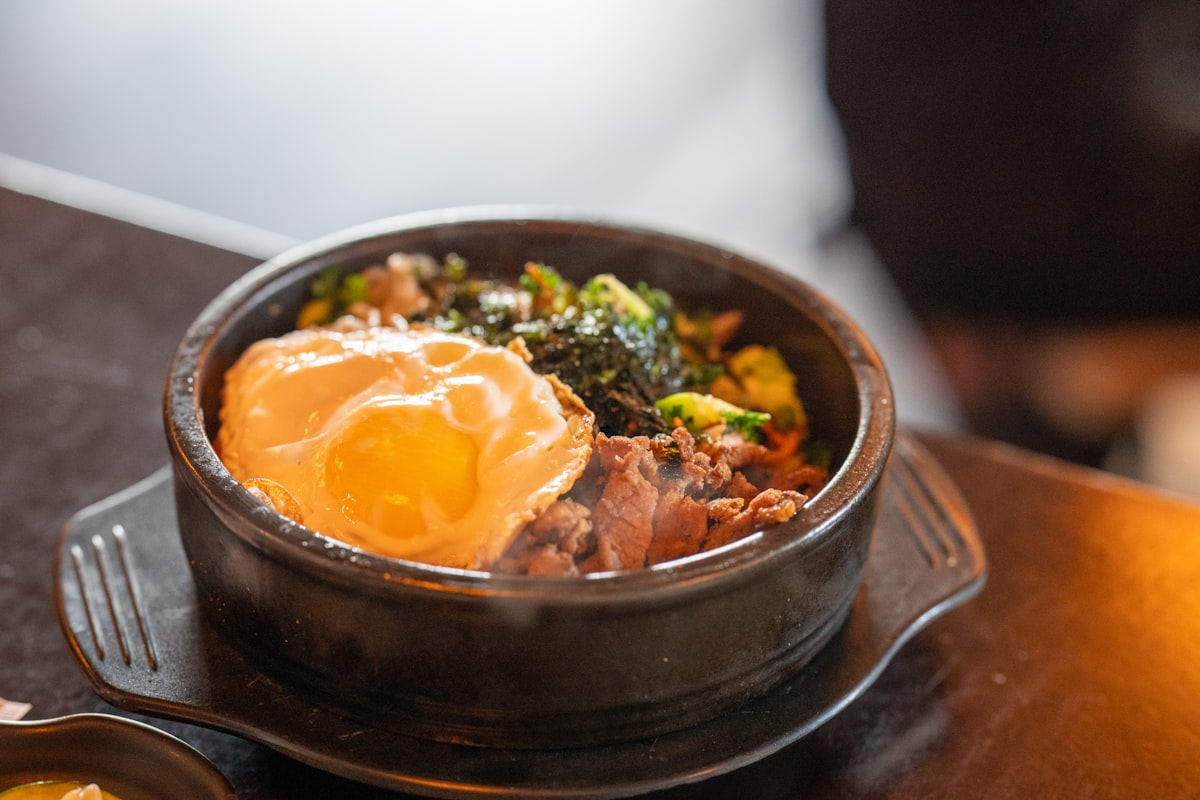
    Korean Bibimbap - colorful mixed rice bowl
    A beautifully arranged bibimbap — Korea’s most beloved rice dish. Photo by Michael Kahn / Unsplash

    If there’s one dish that captures the essence of Korean cuisine in a single bowl, it’s bibimbap (비빔밥). Literally meaning “mixed rice,” this vibrant, nutrient-packed dish has evolved from humble origins into a global culinary sensation — and for good reason.

    What Exactly Is Bibimbap?

    At its core, bibimbap is a bowl of warm white rice topped with an array of seasoned vegetables (namul), a protein (usually beef or tofu), a fried egg, and the star of the show — gochujang (Korean red pepper paste). The magic happens when you mix everything together, creating a symphony of flavors, textures, and colors in every bite.

    What makes bibimbap truly special is the Korean philosophy of obangsaek (오방색) — the five cardinal colors (white, black, red, blue/green, and yellow) that represent balance and harmony. Each topping is carefully chosen not just for taste, but to create a visually stunning and nutritionally balanced meal.

    The Rich History Behind the Bowl

    Bibimbap’s origins trace back to the Joseon Dynasty (1392–1897), though its exact beginnings are debated. One popular theory suggests it started as a New Year’s Eve tradition — families would mix together all their leftover side dishes with rice to start the new year with a clean slate.

    Another theory connects it to ancestral rites (제사, jesa), where the offerings of rice and various dishes would be mixed and shared among family members after the ceremony. Regardless of its origins, bibimbap has become one of Korea’s most recognized dishes worldwide, even earning a spot on in-flight menus of Korean Air since the 1990s.

    Regional Variations You Should Know

    🔥 Jeonju Bibimbap (전주비빔밥) — The Gold Standard

    Jeonju, a UNESCO Creative City of Gastronomy, is considered the birthplace of Korea’s finest bibimbap. What sets it apart? Bean sprout soup stock is used to cook the rice, and the dish features up to 30 different toppings including raw beef tartare (yukhoe), pine nuts, and ginkgo nuts. It’s served with a side of bean sprout soup and is an absolute must-try for any food pilgrim visiting Korea.

    🪨 Dolsot Bibimbap (돌솥비빔밥) — The Sizzling Version

    Served in a scorching hot stone pot (dolsot), this variation creates a crispy rice crust (nurungji) at the bottom — arguably the best part. The sizzling pot keeps your meal hot throughout, and the contrast between the crunchy bottom layer and the soft toppings is absolutely divine.

    🌊 Tongyeong Bibimbap (통영비빔밥) — The Seafood Twist

    From the coastal city of Tongyeong comes a seafood lover’s dream — bibimbap loaded with fresh oysters, sea squirt, and other ocean delicacies mixed with a special seasoning sauce.

    How to Make Authentic Bibimbap at Home

    The beauty of bibimbap is that it’s incredibly adaptable. Here’s a guide to making a restaurant-quality bowl in your own kitchen.

    Essential Ingredients

    • Rice: Short-grain Korean rice (or any sticky rice)
    • Vegetables: Spinach, bean sprouts, carrots, zucchini, shiitake mushrooms, fernbrake (gosari)
    • Protein: Bulgogi-marinated beef, or tofu for a vegetarian version
    • Egg: Sunny-side up with a runny yolk
    • Gochujang sauce: Mix gochujang with sesame oil, sugar, rice vinegar, and a splash of water
    • Garnish: Toasted sesame seeds, sliced nori, sesame oil

    Step-by-Step Method

    1. Prepare each topping separately — This is key. Each vegetable is blanched or sautéed with its own seasoning (sesame oil, garlic, salt, soy sauce).
    2. Cook the rice — Use freshly cooked, slightly warm rice as your base.
    3. Arrange beautifully — Place rice in a bowl, then arrange each topping in sections around the bowl. Think of it as edible art.
    4. Add the egg — A fried egg with a runny yolk goes right in the center.
    5. Drizzle gochujang sauce — Add as much or as little as your spice tolerance allows.
    6. MIX! — The most important step. Use your spoon to thoroughly mix everything together. Don’t be shy — the more you mix, the better it tastes.

    Why Bibimbap Is the Perfect Healthy Meal

    In an era of superfood obsession, bibimbap has been hiding in plain sight as one of the world’s most nutritionally complete meals:

    • Low calorie — A typical bowl runs 400-550 calories
    • High fiber — From the variety of vegetables and rice
    • Balanced macros — Carbs from rice, protein from meat/egg/tofu, healthy fats from sesame oil
    • Packed with vitamins — Each vegetable brings different micronutrients
    • Gut-friendly — Fermented gochujang contains beneficial probiotics
    • Easily customizable — Vegan, vegetarian, keto-friendly versions all work

    It’s no wonder that bibimbap consistently ranks on lists of the world’s healthiest dishes. The Korean philosophy of balance isn’t just philosophical — it’s nutritional science in a bowl.

    Where to Eat the Best Bibimbap in Korea

    • Gogung (고궁), Jeonju — The most famous Jeonju-style bibimbap restaurant, operating since 1979
    • Gajok Hoegwan (가족회관), Jeonju — Local favorite with massive portions
    • Dooreyoo (두레유), Seoul — Modern twist on traditional bibimbap
    • Gwanghwamun Jip (광화문집), Seoul — Classic dolsot bibimbap in the heart of the city
    • Traditional markets — Gwangjang Market and Namdaemun Market both have excellent bibimbap stalls at a fraction of restaurant prices

    Frequently Asked Questions

    Is bibimbap gluten-free?

    Traditional bibimbap can be made gluten-free by using tamari instead of regular soy sauce. The main components — rice, vegetables, egg, and gochujang — are naturally gluten-free, though some commercial gochujang brands may contain wheat. Always check the label.

    Can I make bibimbap vegan?

    Absolutely! Skip the egg and meat, add extra vegetables and tofu, and you have a delicious vegan bibimbap. Many Buddhist temple restaurants in Korea serve exquisite vegan versions.

    How do you pronounce bibimbap?

    It’s pronounced “bee-bim-bahp” (비빔밥). The emphasis is roughly equal on all three syllables. You might also see it spelled as “bibimbop” in some restaurants.

    What’s the best gochujang brand for bibimbap?

    For authentic flavor, look for Sunchang (순창) brand gochujang — it’s the gold standard in Korea. CJ Haechandle is widely available internationally and makes an excellent everyday option.


    Bibimbap is more than just a meal — it’s a window into Korean culture, philosophy, and the art of finding harmony in diversity. Whether you try it at a street stall in Jeonju or make it in your own kitchen, one thing is certain: once you experience the joy of mixing that colorful bowl together, you’ll understand why Korea has been obsessed with it for centuries.

    Have you tried making bibimbap at home? What’s your favorite topping combination? Let us know in the comments! 🍚

  • Best Korean Food 2025: The Hungry Tourist Guide

    Best Korean Food 2025: The Hungry Tourist Guide

    The Very Best Korean Food April 30, 2025 — The Hungry Tourist

    As we step into 2025, Korean cuisine continues to rise in global popularity, tantalizing taste buds with its bold flavors and vibrant dishes. Whether you’re a seasoned fan or a curious newcomer, there’s always something new and exciting in the world of Korean food. In this comprehensive guide, we explore the best Korean food of 2025, offering insights into where to find these delectable dishes, how to enjoy them, and what makes each one so unique. So, prepare your senses for a culinary journey that promises to be unforgettable.

    1. The Rise of Plant-Based Korean Food

    This year, the spotlight is on plant-based Korean cuisine, proving that you don’t need meat to create mouthwatering dishes. With a focus on sustainability and health, plant-based options are becoming increasingly popular among food enthusiasts.

    1.1. Vegan Bibimbap

    Bibimbap, a classic Korean mixed rice dish, is getting a green makeover in 2025. Vegan Bibimbap is packed with fresh vegetables, tofu, and a spicy gochujang sauce. The combination of textures from the crunchy veggies and the creamy tofu makes it a satisfying meal.

    Where to Find: Many Korean restaurants now offer vegan options. Look for places that specialize in modern Korean cuisine, or try making it at home with ingredients from H-Mart or Whole Foods.

    1.2. Kimchi Stew with Mushrooms

    Kimchi stew, traditionally made with pork, is reimagined with the umami flavors of mushrooms. The earthy tones of shiitake and enoki mushrooms enhance the tangy, spicy broth, creating a comforting dish that’s perfect for any season.

    Practical Tip: For an authentic taste, use homemade kimchi. If you’re short on time, high-quality kimchi can be purchased at Korean grocery stores.

    2. Fusion Flavors: A Blend of Cultures

    Fusion cuisine continues to thrive, bringing together the best of Korean flavors with international influences. This culinary trend is perfect for adventurous eaters who love to explore new taste combinations.

    2.1. Korean Tacos

    Korean Tacos combine the spicy sweetness of Korean barbecue with the convenience of a taco shell. Filled with bulgogi beef or spicy pork, topped with kimchi, and drizzled with a sesame soy sauce, these tacos are a flavor explosion.

    Cultural Context: Korean Tacos originated in Los Angeles and have since become a global sensation, showcasing the adaptability of Korean flavors.

    2.2. Kimchi Pizza

    Kimchi Pizza is a delightful fusion of Italian and Korean cuisines. The spicy tang of kimchi complements the rich, cheesy base, while toppings like scallions and sesame seeds add a touch of authenticity.

    Where to Buy: Try Kimchi Pizza at fusion restaurants or make your own using store-bought dough and kimchi from the international aisle of your local grocery store.

    3. Traditional Dishes Reimagined

    While innovation is exciting, there’s a comforting allure in traditional Korean dishes reimagined for modern palates. These dishes honor their roots while offering something new.

    3.1. Modern Samgyeopsal

    Samgyeopsal, or grilled pork belly, is a beloved Korean barbecue staple. The modern twist involves marinating the pork in a sweet and savory soy glaze, which caramelizes beautifully on the grill.

    Practical Tip: Pair with ssamjang (a thick, spicy paste) and fresh lettuce wraps for the full experience. You can find ssamjang at H-Mart or online.

    3.2. Gochujang Fried Chicken

    Korean Fried Chicken, known for its crispy exterior and juicy interior, gets an upgrade with a gochujang glaze. The sweet, spicy, and umami-rich sauce makes this dish irresistible.

    Where to Try: Many Korean fried chicken chains, such as Bonchon and Kyochon, offer this variation. Alternatively, try making it at home for a fun culinary project.

    4. Street Food Delights

    No exploration of Korean food would be complete without mentioning its vibrant street food scene. In 2025, these street food favorites continue to capture hearts and taste buds worldwide.

    4.1. Tteokbokki with Cheese

    Tteokbokki, spicy rice cakes, have long been a street food staple. This year, they’re topped with melted cheese, adding a creamy richness that balances the heat.

    Practical Tip: Enjoy Tteokbokki at Korean street food festivals or make it at home with ingredients available at Korean markets.

    4.2. Hotteok with Nut Filling

    Hotteok, sweet Korean pancakes, are filled with a mixture of nuts, sugar, and spices. The warm, gooey center contrasts beautifully with the crispy outer layer.

    Where to Buy: Look for hotteok at Korean bakeries or street vendors. They are also easy to make at home using pre-made dough from Asian supermarkets.

    5. FAQs about Best Korean Food 2025

    • What is the most popular Korean dish in 2025?
      While many dishes are beloved, Vegan Bibimbap and Korean Tacos are particularly popular for their innovative flavors and accessibility.
    • Where can I find authentic Korean ingredients?
      H-Mart and Whole Foods are excellent places to find authentic Korean ingredients. Additionally, online stores like online Korean grocery stores offer convenient options.
    • How do I make traditional Korean dishes at home?
      Start with simple recipes like Bibimbap or Kimchi Stew. Many online tutorials and cookbooks can guide you step-by-step.
    • Can I find vegan Korean food options?
      Yes, vegan Korean food is increasingly popular, with many restaurants offering plant-based versions of traditional dishes.

    Join the Conversation

    What are your thoughts on the best Korean food of 2025? Have you tried any of these dishes, or do you have personal favorites? Share your experiences and recommendations in the comments below. Don’t forget to share this article with fellow food enthusiasts looking to embark on their own Korean culinary adventure!

    For more Korean food inspiration, check out our other articles on Korean street food and easy Korean recipes.

  • 7 Korean Street Foods You Need to Try Before You Die

    South Korea’s street food scene is a vibrant tapestry of flavors, textures, and centuries-old culinary traditions. From the bustling markets of Myeongdong to the late-night pojangmacha (tent bars) of Hongdae, Korean street food offers an unforgettable gastronomic adventure. Here are seven must-try dishes that define Korea’s street food culture.

    1. 떡볶이 (Tteokbokki) — Spicy Rice Cakes

    No Korean street food list is complete without tteokbokki. These chewy rice cakes swimming in a fiery gochujang (red pepper paste) sauce are the ultimate Korean comfort food. The perfect balance of sweet, spicy, and savory makes it addictive from the first bite. A serving typically costs around ₩3,000-4,000 ($2-3), making it one of the best budget eats in Seoul.

    Pro tip: Order it with cheese toppings (치즈 떡볶이) for an extra indulgent experience. Many vendors also offer “rosé tteokbokki,” a creamy fusion version that’s taken Korea by storm.

    2. 호떡 (Hotteok) — Sweet Pancakes

    Imagine biting into a crispy, golden pancake only to discover a molten filling of brown sugar, cinnamon, and crushed nuts. That’s hotteok — Korea’s beloved winter street snack. The contrast between the crunchy exterior and the gooey, caramelized interior is pure magic.

    Where to try: The famous Hotteok alley in Busan’s BIFF Square serves legendary versions, including savory options stuffed with vegetables and glass noodles.

    3. 김밥 (Gimbap) — Korean Rice Rolls

    Often compared to Japanese sushi rolls, gimbap is distinctly Korean. Seasoned rice and various fillings — pickled radish, spinach, egg, ham, and more — are wrapped in roasted seaweed. Each roll is sliced into bite-sized pieces, perfect for eating on the go.

    Modern twist: Look for “nude gimbap” (누드 김밥) where the rice is on the outside, or try the trendy chamchi (tuna) mayo version that’s become a social media sensation.

    4. 닭강정 (Dakgangjeong) — Sweet Crispy Chicken

    Before Korean fried chicken became a global phenomenon, there was dakgangjeong. These bite-sized chicken pieces are deep-fried to perfection and coated in a sticky, sweet-and-spicy glaze. The result is an irresistible combination of crunch and flavor that puts any chicken nugget to shame.

    Best spot: Sokcho’s Jungang Market on Korea’s east coast is famous for its dakgangjeong. Some vendors have lines stretching around the block.

    5. 붕어빵 (Bungeoppang) — Fish-Shaped Pastry

    Don’t worry — no actual fish is involved! Bungeoppang is a fish-shaped pastry filled with sweet red bean paste (팥). Cooked in a fish-shaped mold, these golden treats are a winter staple found on nearly every Korean street corner from November to March.

    2026 update: Modern versions now come filled with custard cream, Nutella, ice cream, and even savory pizza fillings. The classic red bean version remains the fan favorite, though.

    6. 순대 (Sundae) — Korean Blood Sausage

    Not to be confused with the ice cream dessert! Korean sundae is a unique delicacy made from pig intestines stuffed with glass noodles, barley, and pork blood. It’s typically served sliced with a side of salt and liver. While it might sound adventurous, the mild, savory flavor and chewy texture win over even skeptical foodies.

    Must-try combo: Order “sundae-tteokbokki” (순떡) — sundae served alongside tteokbokki in the same spicy sauce. It’s a classic Korean street food pairing.

    7. 계란빵 (Gyeranppang) — Egg Bread

    Simple yet satisfying, gyeranppang is a soft, slightly sweet bread with a whole egg baked right on top. The combination of fluffy bread and a perfectly cooked egg makes it an ideal breakfast-on-the-go or afternoon snack. At just ₩1,000-2,000, it’s one of the cheapest street foods around.

    Variations: Some vendors add ham, cheese, or even bacon to their gyeranppang, turning this simple snack into a hearty mini-meal.

    Where to Find the Best Street Food in Korea

    While street food vendors can be found throughout Korea, here are the top spots for the ultimate experience:

    • Gwangjang Market, Seoul — Korea’s oldest traditional market with hundreds of food stalls
    • Myeongdong Street, Seoul — Tourist-friendly with diverse options
    • Seomyeon Food Alley, Busan — Local favorites at local prices
    • Dongmun Market, Jeju — Fresh seafood street food with an island twist

    Korean street food isn’t just about eating — it’s about experiencing Korea’s culture, one delicious bite at a time. Whether you’re planning a trip to Seoul or exploring Korean cuisine from home, these seven dishes are your perfect starting point into the wonderful world of K-Food.

    Have you tried any of these Korean street foods? Share your favorites in the comments below!