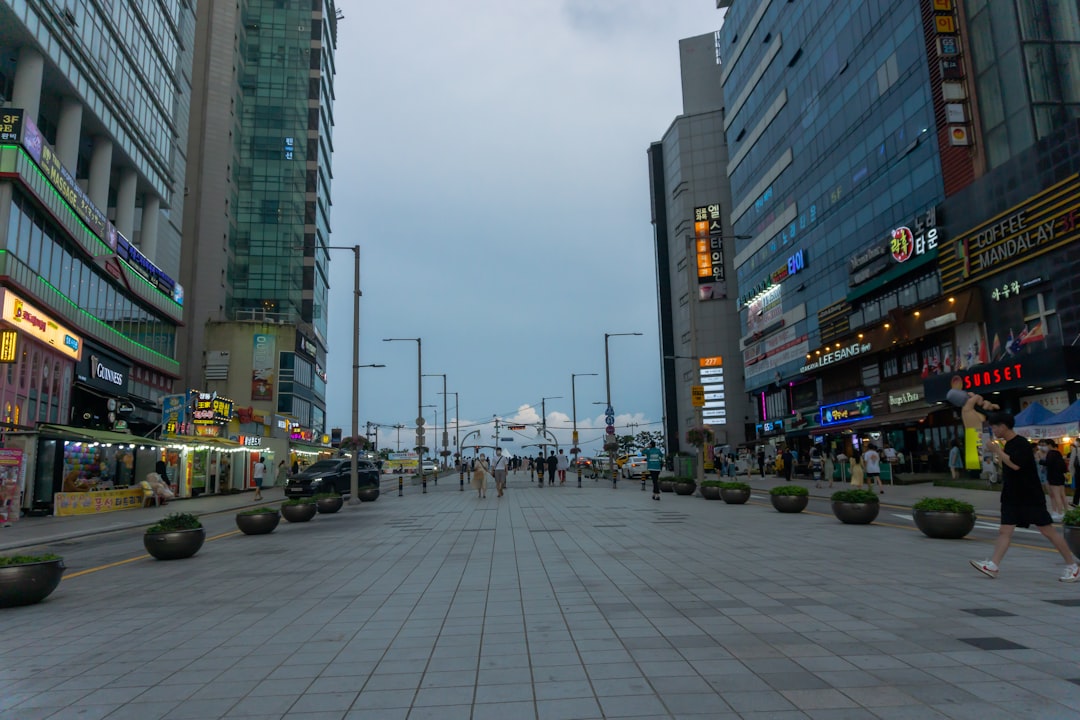
Why Busan Should Be Your Next Big Trip (And How to Plan the Perfect Busan Beach Street Food Itinerary)
I’ll never forget the moment I stepped off the KTX bullet train at Busan Station, the salty ocean breeze hitting my face before I even left the platform. After spending a week in Seoul’s neon-lit streets, Busan felt like an entirely different country — slower, warmer, and somehow more real. Within my first hour, I was standing barefoot on Haeundae Beach with a paper cup of freshly fried hotteok (sweet Korean pancake) in one hand and my phone in the other, desperately trying to capture a sunset that no camera could do justice.
Busan is South Korea’s second-largest city, home to 3.4 million people, yet it feels nothing like a metropolis. It’s a city where ancient temples cling to cliffsides above crashing waves, where grandmothers sell the freshest sashimi you’ve ever tasted at 6 AM, and where entire neighborhoods are painted in murals that rival any gallery in Brooklyn or Silver Lake. If Seoul is Korea’s New York, Busan is its San Diego meets New Orleans — beach vibes with world-class food culture.
This comprehensive Busan beach street food itinerary covers everything you need for 4–5 unforgettable days: the best beaches, the can’t-miss street food stalls, cultural gems, and all the practical logistics to make it happen without stress. Let’s dive in.
Getting There: How to Reach Busan from the US and Navigate Like a Local

Flights from the US to South Korea
Most American travelers fly into Incheon International Airport (ICN) near Seoul. Direct flights are available from LAX (about 13 hours), JFK (14–15 hours), and SFO (12.5 hours) on carriers like Korean Air, Asiana, Delta, and United. Round-trip fares typically range from $700–$1,200 depending on season.
Alternatively, some budget travelers route through Tokyo (NRT) or Osaka (KIX) and catch a cheap connecting flight to Gimhae International Airport (PUS), Busan’s own airport. Airlines like Jeju Air, T’way, and Air Busan offer domestic Seoul-Gimpo to Busan-Gimhae flights for $40–$80 one-way (about 1 hour).
Visa tip: US citizens enjoy visa-free entry for up to 90 days. You’ll need a K-ETA (Korea Electronic Travel Authorization), which costs about $10 and should be applied for at least 72 hours before departure at k-eta.go.kr.
Seoul to Busan by KTX (The Best Option)
The KTX bullet train from Seoul Station to Busan Station takes just 2 hours and 30 minutes and costs about $45–$55 one-way (59,800 KRW standard). It’s fast, comfortable, and arguably the most scenic way to travel. Book via the KORAIL app or website — seats sell out on weekends and holidays, so reserve 1–2 weeks ahead.
Pro move: Book an early morning KTX (the 6:00 AM departure is cheapest) and you’ll arrive in Busan by 8:30 AM, giving you a full day. The train passes through gorgeous countryside, especially during cherry blossom season (late March–early April) and autumn foliage (mid-October to early November). 7 Best Cherry Blossom Spots in Korea 2026: Hidden Gems Korea Autumn Foliage Best Time 2026: Top 7 Spots
Getting Around Busan
Busan has an excellent metro system (5 lines) that connects all major tourist areas. Your first move after arrival: buy a T-money card at any convenience store (CU, GS25, 7-Eleven) for 2,500 KRW ($1.80). Load it with 20,000–30,000 KRW ($15–$22) and you’re set for days. A single metro ride costs 1,400 KRW ($1.05).
Download these apps before you land:
- Naver Map — the only reliable map app in Korea (Google Maps is limited here)
- Papago — Naver’s translation app, far better than Google Translate for Korean
- KakaoTalk — Korea’s universal messaging app (restaurants and shops use it)
- KORAIL — for booking train tickets
- Kakao T — Korea’s Uber equivalent for taxis
Taxis in Busan are cheap: a 15-minute ride runs about $5–$8. Just show the driver your destination on Naver Map — most drivers don’t speak English, but they’re friendly and honest with meters.
Day 1–2: Busan’s Best Beaches — Sun, Surf, and Stunning Views
No Busan beach street food itinerary is complete without dedicating serious time to the coastline. Busan’s beaches aren’t just “nice” — they’re world-class stretches of sand backed by mountains, skyscrapers, and some of the best people-watching in Asia.
Haeundae Beach: The Iconic One
Haeundae Beach is Busan’s Waikiki — a 1.5-kilometer crescent of sand that draws millions of visitors every summer. But unlike Waikiki, it doesn’t feel overrun because the infrastructure is excellent. The beach is lined with luxury hotels, seafood restaurants, and cafes, but the sand itself is clean and well-maintained.
Best time to visit: Early morning (before 9 AM) for photos without crowds, or late afternoon for sunset. Summer (July–August) is peak season with beach festivals, K-pop concerts, and water sports. Shoulder season (May–June, September) offers warm weather without the chaos.
Walk to the eastern end for the Haeundae Beach Train (Blue Line Park), a sky capsule that runs along the cliffs to Songjeong Beach. Tickets cost $5–$8 and the views are jaw-dropping. Book online at least a day ahead — it’s wildly popular.
Costs: Beach access is free. Umbrella and mat rental: $8–$12/day. Surfboard rental: $15–$25/hour.
Gwangalli Beach: The Nightlife Beach
If Haeundae is the family-friendly beach, Gwangalli is the cool one. It faces the spectacular Gwangan Bridge (think San Francisco’s Bay Bridge, but lit up in rainbow colors at night). The beachfront strip is packed with craft beer bars, wine bars, live music venues, and seafood restaurants.
Come here at sunset and stay through the evening. Grab a spot at one of the outdoor tables, order a plate of hwae (Korean sashimi) and a cold Cass beer, and watch the bridge light show. On weekends, you’ll catch buskers, drone shows, and fireworks.
Getting there: Gwangan Station (Metro Line 2), Exit 3 or 5, then a 5-minute walk.
Songjeong Beach: The Local Secret
Songjeong Beach is smaller, quieter, and where actual Busan locals go to surf. The waves are consistent, the sand is golden, and the surrounding neighborhood has this effortlessly cool, Montauk-meets-Enoshima vibe with indie cafes and surf shops.
Rent a surfboard and wetsuit from one of the beachfront shops for about $20–$30 for two hours, including a basic lesson. Even if you’ve never surfed, this is one of the most beginner-friendly breaks in Asia.
Busan Beach Hopping Itinerary 2026: Ultimate 5-Day Guide
Dadaepo Beach: Sunset Capital
Located at the far southwestern tip of Busan, Dadaepo Beach is where the Nakdong River meets the sea. It’s famous for one thing: the most spectacular sunsets in all of South Korea. From April through October, the Dadaepo Sunset Fountain of Dreams puts on a free water-and-light show (7:30 PM–8:00 PM on weekdays, extended on weekends) that rivals the Bellagio in Las Vegas.
Getting there: Dadaepo Beach Station (Metro Line 1), Exit 3. It’s a 40-minute ride from Haeundae, but worth every minute.
Day 2–3: The Ultimate Busan Street Food Crawl

Here’s where this Busan beach street food itinerary gets seriously delicious. Busan’s street food scene is arguably better than Seoul’s — bolder flavors, bigger portions, lower prices, and a rawness that comes from being a port city with centuries of fishing heritage.
BIFF Square (Gukje Market Area): Ground Zero for Street Food
BIFF Square (Busan International Film Festival Square) in Nampo-dong is the most famous street food zone in the city. The narrow alleys are crammed with stalls selling everything from ssiat hotteok to grilled eel.
Must-eat items:
- Ssiat Hotteok (Seed-filled Sweet Pancake) — Busan’s signature snack. Unlike Seoul’s hotteok, the Busan version is filled with sunflower seeds, pumpkin seeds, and brown sugar, then fried flat and crispy. $1.50 each. The most famous stall has a perpetual 20-minute line — it’s worth it.
- Eomuk (Fish Cake) — Busan is the fish cake capital of Korea. Long skewers of bouncy, savory fish cake served in steaming anchovy broth. Eat the cake, then drink the broth. $0.75–$1.50 per skewer.
- Tteokbokki (Spicy Rice Cakes) — Every stall has its own recipe. Look for the ones using thick, hand-cut rice cakes rather than thin factory ones. $2–$3 per serving.
- Bindaetteok (Mung Bean Pancake) — Crispy on the outside, savory and slightly nutty inside. Dip in soy sauce with scallions. $3–$4.
- Tornado Potato — A whole potato spiraled onto a stick, deep-fried, and dusted with cheese or BBQ seasoning. More of a novelty, but Instagram-perfect. $3.
Hours: Most stalls open from 10 AM–10 PM daily. Weekends are packed, so go on a weekday morning for the best experience.
Myeongdong Street Food Must Try 2026: 15 Best Eats
Jagalchi Fish Market: The Freshest Seafood in Asia
Jagalchi Market is Korea’s largest seafood market, and it’s an experience that makes Pike Place Market look tame. The ground floor is a wet market where vendors sell live octopus, sea squirts, king crab, abalone, and fish species you’ve never seen. The upper floors are restaurants where you can eat what you just bought downstairs — they’ll prepare it on the spot.
What to order:
- Sannakji (Live Octopus) — Chopped tentacles still wriggling on the plate, served with sesame oil. It’s a rite of passage. $10–$15.
- Hoe (Korean Sashimi Platter) — Fresh-caught flatfish, sea bream, or flounder, sliced thin. A platter for two costs $25–$40 depending on the fish.
- Grilled Shellfish Set — Scallops, clams, mussels, and abalone grilled tableside. $15–$25 for a generous set.
Budget tip: The outdoor market ajummas (older women vendors) on the ground floor offer the best prices. Point at what looks good, agree on a price before sitting, and they’ll prepare everything. Expect to pay 30–40% less than the upstairs restaurants.
Hours: 5 AM–10 PM daily (some sections close earlier). Best visited early morning (7–9 AM) for peak freshness and activity.
Getting there: Jagalchi Station (Metro Line 1), Exit 10.
Seomyeon Food Alley: Where Locals Actually Eat
Seomyeon is Busan’s downtown — a bustling commercial district where locals go for shopping, nightlife, and especially food. Seomyeon Food Alley (Meokjagolmok) is a dense network of restaurants and pojangmacha (tent bars) that gets raucous after dark.
Don’t miss:
- Dwaeji Gukbap (Pork Soup with Rice) — Busan’s signature dish. A milky, rich pork bone broth served with rice and tender slices of pork. $5–$7. It’s Korea’s answer to ramen and it’ll change your life. Try Songjeong 3-dai Gukbap, operating since the Korean War.
- Nakgopse (Octopus, Shrimp, Intestines Hot Pot) — A fiery stew of tender octopus, prawns, and beef intestines in gochugaru chili sauce. It sounds intense. It is intense. It’s incredible. $12–$15 per person.
- Chicken Beer (Chimaek) — Korean fried chicken with draft beer. Seomyeon has dozens of chimaek joints. A whole fried chicken with two beers: $15–$20.
Getting there: Seomyeon Station (Metro Lines 1 & 2 intersection), Exit 1.
Day 3–4: Culture, Temples, and Colorful Villages
Busan’s cultural attractions are as compelling as its beaches and food. This is where your Busan beach street food itinerary gains depth and soul.
Gamcheon Culture Village: The “Machu Picchu of Busan”
Built on a steep hillside above the harbor, Gamcheon Culture Village is a pastel-colored labyrinth of tiny houses, street art, galleries, and quirky shops. It was originally a settlement for Korean War refugees in the 1950s, later transformed into an art village through community projects.
Pick up a stamp map ($2) at the entrance and hunt for all the stamp locations — completing the trail earns you a postcard. Budget 2–3 hours for exploring, more if you’re into photography. The village has incredible views over the harbor, especially from the rooftop cafes.
Don’t miss: The Little Prince and Fox statue (biggest photo spot), the fish-shaped house, and the gallery that serves coffee in handmade ceramic cups ($3–$5).
Hours: Open 24/7 (shops/cafes 9 AM–6 PM). Free entry.
Getting there: Toseong Station (Metro Line 1), Exit 6, then local bus 1-1, 2, or 2-2 (5 minutes). Or take a taxi for about $3.
Haedong Yonggungsa Temple: Where Ocean Meets Spirituality
Most Korean temples sit on mountaintops. Haedong Yonggungsa is built right on the oceanfront cliffs, and it’s one of the most visually stunning temples in all of East Asia. Founded in 1376, this temple feels otherworldly — stone lanterns, gold Buddha statues, crashing waves below, and incense wafting through sea air.
Visit at sunrise for an almost spiritual experience (and to avoid the tour bus crowds that arrive by 10 AM). The 108-step staircase down to the temple is lined with zodiac animal statues.
Hours: 5 AM–7 PM (sunrise to sunset). Free entry.
Getting there: From Haeundae, take Bus 181 to the temple entrance (30 minutes). A taxi costs about $8.
Beomeosa Temple: Mountain Zen
For a more traditional temple experience, head to Beomeosa Temple on the slopes of Geumjeongsan Mountain. Founded in 678 AD, it’s one of Korea’s most important Buddhist temples. The templestay program ($50–$80 for overnight, including meals and meditation) is an incredible way to experience Korean Buddhism firsthand.
Even without staying overnight, the temple grounds are serene — ancient stone pagodas, majestic wooden halls, and hiking trails that lead up to Geumjeong Fortress, the largest mountain fortress in Korea.
Getting there: Beomeosa Station (Metro Line 1), Exit 5, then Bus 90 (10 minutes).
Busan Tourism Guide — official attraction details
Budget Breakdown: What Does a Busan Trip Actually Cost?

One of the best things about Busan? It’s significantly cheaper than Seoul — and Seoul is already affordable by Western standards. Here’s a realistic daily budget for an American traveler:
| Category | Budget ($) | Mid-Range ($) | Splurge ($) |
|---|---|---|---|
| Accommodation | $15–$25 (hostel) | $50–$80 (hotel/Airbnb) | $150–$300 (beachfront) |
| Food (3 meals + snacks) | $12–$18 | $25–$40 | $60–$100 |
| Transport | $3–$5 (metro) | $8–$15 (metro + taxi) | $20–$30 (taxi everywhere) |
| Activities | $0–$5 | $10–$20 | $30–$50 |
| Daily Total | $30–$53 | $93–$155 | $260–$480 |
Key savings tip: Busan’s best food experiences are street food and local restaurants — you can eat like royalty for $15/day if you stick to markets and food alleys. The most expensive meal you’ll have (a sashimi platter at Jagalchi) still costs less than a mid-range dinner in any US city.
4-Day Trip Total (Mid-Range): approximately $370–$620, not including flights and the KTX from Seoul.
Cultural Etiquette: What Every American Should Know
Koreans are incredibly welcoming to foreign visitors, but understanding a few cultural norms will make your trip smoother and earn you genuine warmth from locals.
Dining Etiquette
- Don’t tip. Tipping is not customary in Korea and can cause confusion. The price you see is the price you pay.
- Use both hands when receiving or giving anything — money, business cards, or a cup of soju. It’s a sign of respect.
- Wait for the eldest to start eating before you pick up your chopsticks. This matters even in casual settings.
- Don’t stick chopsticks upright in rice. This resembles funeral incense and is considered very bad luck.
- Pouring drinks: Pour for others, never for yourself. Hold the bottle with both hands. If someone older pours for you, hold your glass with both hands and turn slightly away to drink.
General Etiquette
- Remove shoes when entering homes, some restaurants (look for a raised platform or shoe rack), and temple buildings.
- Bow slightly when greeting, thanking, or saying goodbye — even a small nod goes a long way.
- Trash cans are rare on streets. Carry a small bag for your trash. Convenience stores always have trash bins.
- Quiet on public transit. Phone calls and loud conversations on the metro are considered rude.
- At temples: Dress modestly (cover shoulders and knees), speak quietly, ask before photographing monks, and walk to the side of gates (the center path is symbolically reserved for spirits).
Insider Tips: What I Wish I’d Known Before My First Busan Trip

After multiple visits totaling over 30 days in Busan, here are the tips that genuinely level up your trip:
- Stay in Haeundae for beaches, Seomyeon for food and nightlife. Haeundae is prettier, but Seomyeon is more central and cheaper. If you only have 3–4 days, Seomyeon is the smarter base — you can metro to any beach in 20–30 minutes.
- Visit Jagalchi Market on a weekday morning. Weekend crowds are intense. Tuesday–Thursday between 7–9 AM is peak freshness, minimal tourists.
- Download Naver Map BEFORE you land. Google Maps barely works in Korea. Naver Map has English support and accurate public transit directions including real-time bus tracking.
- Bring a portable Wi-Fi egg. Rent one at Incheon Airport for $3–$5/day. Korean SIM cards work too (about $25 for 5 days of unlimited data), but the Wi-Fi egg lets you share with travel partners.
- Korean convenience stores are elite. CU, GS25, and 7-Eleven sell genuinely good meals: triangle kimbap ($1), cup ramyeon ($1.50), sandwiches ($2), and even beer and soju. They all have T-money card charging machines and free hot water for instant noodles.
- Cash is rarely needed. Korea is nearly cashless. Your US credit card (Visa or Mastercard, no foreign transaction fee) works almost everywhere. The only exceptions: tiny street food stalls and some traditional market vendors.
- Spa culture is amazing. Visit a jjimjilbang (Korean spa/bathhouse) at least once. Spa Land in Shinsegae Centum City mall is the most luxurious in Busan — $12–$18 entry for unlimited hours of hot springs, saunas, and relaxation zones. Yes, the bathing area is nude and gender-segregated. It’s completely normal and incredibly relaxing.
- The Busan City Tour Bus ($12/day) is an underrated way to see the city. It hits all major spots on a loop route and you can hop on/off unlimited times. Great for Day 1 orientation.
Hongdae Best Cafes and Bars at Night: 2026 Guide
Best Korean Sheet Masks for Glass Skin 2026: Top 12 Ranked — Busan’s Seomyeon district has excellent K-beauty shops like Olive Young, where you can stock up on sheet masks and skincare at local prices.
Seasonal Guide: When to Visit Busan
Spring (March–May): Cherry Blossoms and Perfect Weather
Spring is arguably the best time to visit Busan. Temperatures hover between 55–70°F (13–21°C), and the city explodes in cherry blossoms. The Samnak Cherry Blossom Road along the Nakdong River is a local favorite that doesn’t appear in most tourist guides. 7 Best Cherry Blossom Spots in Korea 2026: Hidden Gems
The Busan International Film Festival (BIFF) satellite events sometimes spill into late spring, and outdoor markets are in full swing. This is peak season for your Busan beach street food itinerary — warm enough to enjoy beaches, cool enough to walk comfortably all day.
Summer (June–August): Beach Season and Festivals
Hot and humid (80–90°F / 27–32°C) with a monsoon season in late June through mid-July. If you can handle the heat, August is when Busan’s beach culture peaks — the Haeundae Sand Festival, Busan Sea Festival, and countless K-pop beach concerts happen this month. Water temperature is perfect for swimming (75°F / 24°C).
Warning: Hotels in Haeundae can be 2–3x more expensive in July–August. Book at least 2 months ahead.
Autumn (September–November): Foliage and Hiking
Arguably tied with spring for best season. Mid-October to early November brings stunning autumn colors to Geumjeongsan Mountain, Beomeosa Temple, and Taejongdae Park. Temperatures are crisp and perfect (55–70°F / 13–21°C). Fewer tourists, lower prices, and the fall seafood hauls mean Jagalchi Market is at its freshest. Korea Autumn Foliage Best Time 2026: Top 7 Spots
Winter (December–February): Quiet and Charming
Busan’s winters are milder than Seoul’s (35–50°F / 2–10°C), making it the warmest major city in mainland South Korea. You won’t be swimming, but the seafood is incredible (crab season!), the temples are peaceful, and hotel prices drop 40–50%. The Busan Christmas Tree Festival along Gwangbok-ro is magical.
Korea Tourism Organization — seasonal events calendar
FAQ: Everything You Need to Know About Visiting Busan
How many days do you need in Busan?
4–5 days is ideal for a thorough Busan beach street food itinerary. Three days is the minimum to cover major beaches, street food markets, and a few cultural sites. If you add day trips to Gyeongju (Korea’s ancient capital, 1 hour by train) or Tongyeong (a beautiful coastal town), plan for 6–7 days.
Is Busan safe for solo travelers?
Extremely safe. South Korea consistently ranks among the safest countries in the world. Walking alone at night — even in bar districts — is completely normal. Violent crime against tourists is virtually unheard of. Solo female travelers regularly report feeling safer in Korea than anywhere in Europe or the US. Just exercise standard big-city awareness.
Can I get by with only English in Busan?
Mostly, yes — but with more effort than in Seoul. Younger Koreans (under 35) often speak basic to good English. Menus at tourist-area restaurants usually have English and photos. The metro system is fully bilingual (Korean/English). For everything else, Papago (translation app) and Naver Map (English mode) will handle 95% of communication needs. Learning basic Korean phrases — annyeonghaseyo (hello), gamsahamnida (thank you), eolmayeyo (how much?) — earns huge goodwill.
What’s the best area to stay in Busan?
Haeundae for beaches and a resort atmosphere. Seomyeon for central access, nightlife, and budget hotels. Gwangalli for a hip, younger vibe with bridge views. Nampo-dong/Jagalchi for market culture and street food. For a first visit focused on a Busan beach street food itinerary, Haeundae or Seomyeon are the most practical bases.
Is Busan worth visiting if I’m already going to Seoul?
Absolutely, 100% yes. Busan and Seoul are completely different experiences. Seoul is a mega-city focused on shopping, K-pop culture, and nightlife. Busan is coastal, laid-back, and food-obsessed. The KTX makes it a quick 2.5-hour trip. Skipping Busan would be like visiting California without seeing the coast — technically possible, but you’d be missing the best part. 7 K-Pop Idols With the Best K-Drama Roles in 2026
What’s the best street food to try first in Busan?
Start with ssiat hotteok at BIFF Square — it’s uniquely Busan (you won’t find this version in Seoul) and it’s immediately delicious. Follow it with eomuk (fish cake) on a stick with hot broth. These two items together cost under $3 and will instantly convert you into a Busan street food devotee.
Related Posts You’ll Love
- Busan Beach Hopping Itinerary 2026: Ultimate 5-Day Guide
- Myeongdong Street Food Must Try 2026: 15 Best Eats
- Korea Autumn Foliage Best Time 2026: Top 7 Spots
Suggested new articles:
- Best Jjimjilbangs in Busan 2026: Top 5 Korean Spas
- Busan to Gyeongju Day Trip Guide 2026: Ancient Capital in One Day
- Korean Convenience Store Food Guide: Best Budget Meals for Travelers
Busan Metropolitan City Official Tourism
Ready to Build Your Own Busan Beach Street Food Itinerary?
Busan is the kind of city that grabs you by the taste buds and doesn’t let go. Whether you’re standing knee-deep in turquoise water at Songjeong Beach, slurping pork bone soup at a 70-year-old Seomyeon restaurant, or watching the sun melt into the ocean at Dadaepo — this city delivers moments that no amount of planning can fully prepare you for.
The best part? It’s incredibly accessible and affordable for American travelers. A K-ETA, a T-money card, and a sense of adventure are all you need.
Have you been to Busan? What was your favorite street food discovery? Drop a comment below — I read every single one and love trading tips with fellow travelers. If this guide helped you plan your trip, share it with a friend who needs to discover Busan. And if you want more Korea travel guides, K-beauty picks, and K-culture deep dives, subscribe to our newsletter so you never miss a post.
See you on Haeundae Beach. 🌊