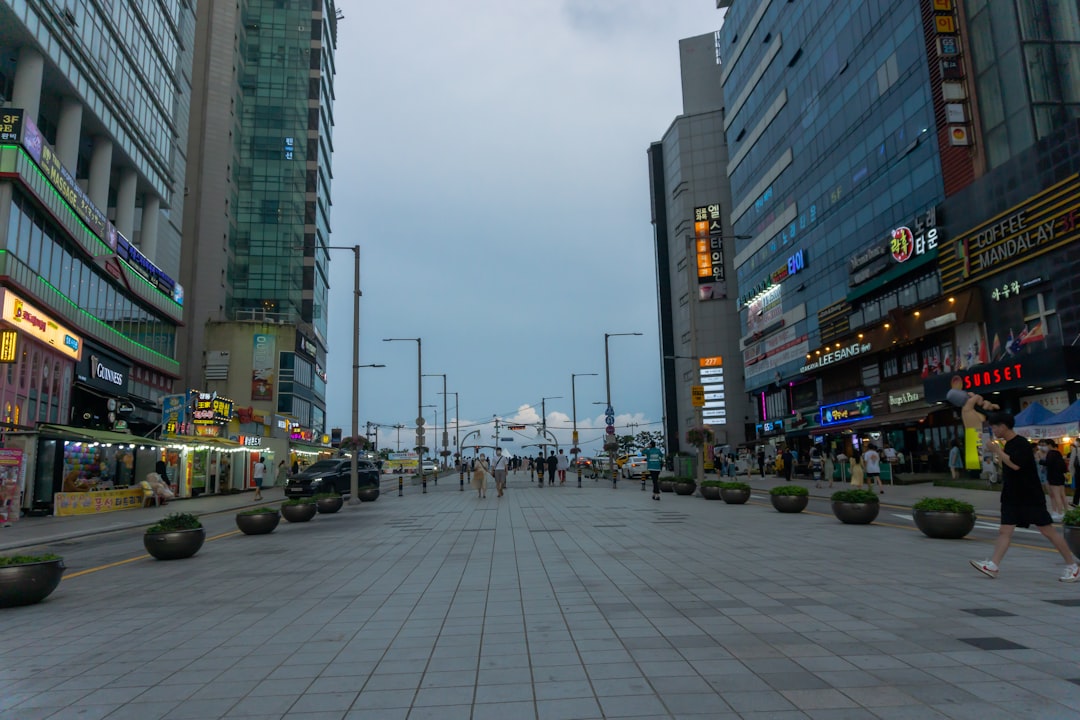
Why Busan Should Be Your Next Beach Vacation (Hint: It’s Not Just Beaches)
I still remember the first time I stepped off the KTX bullet train at Busan Station, salty ocean air hitting my face before I even left the platform. I’d spent three days in Seoul eating my weight in tteokbokki and shopping in Myeongdong, but nothing prepared me for Busan’s raw, cinematic coastline — the kind of place where misty cliffs meet turquoise water and grandmothers sell freshly grilled shellfish on the sand. If Seoul is Korea’s Manhattan, Busan is its California coast, except the street food is ten times better and a beachfront lunch costs you about $5.
This busan beach hopping itinerary 2026 is the guide I wish I’d had on that first trip. Over multiple visits — summer, autumn, even a freezing February — I’ve mapped out the ultimate route that connects Busan’s best beaches, legendary food markets, and cultural landmarks into one unforgettable trip. Whether you’ve got three days or a full week, this itinerary has you covered.
Busan welcomed over 3.2 million international visitors in 2025, and with the city’s continued infrastructure upgrades and the new Gadeokdo Airport on track, 2026 is shaping up to be the best year yet to visit South Korea’s second-largest city. Let’s dive in.
Getting There: Flights, Trains, and First Steps in Busan

Flying Into South Korea
Most American travelers land at Incheon International Airport (ICN) near Seoul. Direct flights from LAX run about 12–13 hours, from JFK around 14 hours, and from SFO roughly 12 hours. Airlines like Korean Air, Asiana, Delta, and United operate nonstop routes daily. Round-trip fares for 2026 typically range from $800–$1,400 depending on season and how far in advance you book.
Alternatively, you can fly directly into Gimhae International Airport (PUS) in Busan. Several carriers offer connections through Tokyo Narita, Osaka Kansai, or Taipei. If Busan is your primary destination, this saves you the Seoul-to-Busan leg entirely.
Visa tip: US citizens can enter South Korea visa-free for up to 90 days but must apply for a K-ETA (Korea Electronic Travel Authorization) beforehand. It costs about $10, takes 24–72 hours to process, and is valid for two years. Apply at k-eta.go.kr before your flight — airlines may deny boarding without it.
Seoul to Busan by KTX
The KTX (Korea Train Express) is one of the best ways to reach Busan from Seoul. Think of it as Korea’s version of Japan’s Shinkansen — fast, clean, and punctual. The ride from Seoul Station to Busan Station takes approximately 2 hours and 30 minutes, and tickets cost around $45–$60 one way depending on class.
Book through the KORAIL app or website (letskorail.com). I recommend reserving seats at least a few days in advance, especially on Friday evenings and around Korean holidays like Chuseok or Lunar New Year, when trains sell out fast. The KTX-Eum, a newer model running select routes, offers wider seats and USB charging at every seat.
Pro tip: If you’re planning to explore multiple Korean cities, consider the KR Pass (Korea Rail Pass), available exclusively to foreign tourists. A 3-day pass costs about $95 and gives you unlimited KTX rides — it pays for itself with just the Seoul-Busan round trip.
Getting Around Busan
Once in Busan, grab a T-money card from any convenience store (CU, GS25, or 7-Eleven) for about $3. Load it with ₩20,000–₩30,000 (roughly $15–$22), and you’re set for buses, the metro, and even taxis. Busan’s metro system has 6 lines that connect most tourist areas, and a single ride costs about $1.10.
Download Naver Map (far more accurate than Google Maps in Korea), Papago for real-time translation, and KakaoTalk — Korea’s universal messaging app that doubles as a payment and taxi-hailing service via Kakao T. These three apps will save you hours of confusion.
Korea Tourism Organization Official SiteDay 1: Haeundae and Dongbaek Island — The Iconic Busan Beach Hopping Itinerary Start
Haeundae Beach: Korea’s Most Famous Shoreline
Start your busan beach hopping itinerary 2026 at the beach that put Busan on the global map. Haeundae Beach stretches 1.5 kilometers of fine white sand framed by high-rise hotels and the dramatic Dongbaek Island peninsula. It’s Korea’s answer to Miami Beach — vibrant, slightly over-the-top, and irresistibly fun.
Arrive early, around 8:00 AM, before the crowds. In summer (July–August), this beach packs in up to 100,000 visitors per day, so morning is your golden window for photos and peaceful strolls. Walk the full length of the beach, stopping at the eastern end where local fishermen sometimes still pull in small catches at dawn.
What to do at Haeundae:
- Haeundae SEA LIFE Aquarium — Located right on the beachfront, tickets run about $18 for adults. Great for families. Open daily 10:00 AM – 7:00 PM.
- The Bay 101 — A waterfront complex with yacht tours, restaurants, and the most Instagrammable night view in Busan. The Marine City skyline reflected in the water is stunning.
- Haeundae Traditional Market — Just a 10-minute walk inland, this market is less touristy than Jagalchi and serves incredible hotteok (sweet pancakes) for about $1.
Dongbaek Island: A Coastal Walk You’ll Never Forget
Connected to the western end of Haeundae Beach by a short walkway, Dongbaek Island isn’t actually an island anymore — land reclamation joined it to the mainland decades ago. But the 2.5-kilometer coastal trail that loops around it feels like another world entirely. Dense camellia forests (dongbaek means camellia in Korean) give way to dramatic cliff views, and if you visit between January and March, you’ll see thousands of red camellias in bloom.
The walk takes about 40–60 minutes at a relaxed pace. Halfway around, you’ll find the Nurimaru APEC House, the glassy, modern building where world leaders met for the 2005 APEC summit. Entry is free, and the interior offers sweeping ocean panoramas. It’s open daily from 9:00 AM to 5:00 PM (closed Mondays).
Keep your eyes on the water — Oryukdo Islands are visible in the distance, and I’ve spotted pods of dolphins here in late spring. The trail is paved and accessible, making it perfect even if you’re not a hardcore hiker. Think of it as Busan’s version of San Francisco’s Lands End Trail, but warmer.
Day 2: Gwangalli, Songjeong, and the Blue Line Park

Gwangalli Beach and the Diamond Bridge
Take metro Line 2 to Gwangan Station, and within five minutes you’re standing on Gwangalli Beach — the local favorite that many Busan residents prefer over Haeundae. The beach itself is 1.4 kilometers long, with finer sand and generally smaller crowds.
But the real star here is the view. The Gwangan Diamond Bridge, a 7.4-kilometer suspension bridge, stretches across the bay and lights up in spectacular colors after sunset. Every night features a different LED light show pattern. Grab a blanket, a chimaek (fried chicken and beer) combo from one of the dozens of beachfront restaurants, and settle in for the show. A generous chimaek set for two runs about $15–$20.
Best photo spot: The rooftop of any café along the eastern end of the beach strip. I recommend Café Roof Top (yes, that’s its actual name) for an unobstructed bridge view. An Americano costs about $4.
Gwangalli also hosts the annual Busan Fireworks Festival every October, drawing over a million spectators. If your dates overlap, book accommodation months in advance — every hotel within a 5-kilometer radius sells out.
Songjeong Beach: The Surfer’s Paradise
Continue east on the metro to Songjeong Station to discover Busan’s chillest beach. Songjeong Beach is where Korean surfers congregate, and the vibe is more laid-back Santa Cruz than flashy Miami. The waves are gentle enough for beginners, and several surf shops along the beach rent boards and wetsuits for about $20–$30 for a half day. Group lessons run approximately $35–$45.
The beach curves in a gentle crescent, and the Jukdo Park peninsula at the northern end offers a quick 15-minute hike with panoramic views. Songjeong’s café street is legendary — a row of aesthetically curated coffee shops with floor-to-ceiling windows facing the ocean. My favorite is Cafe Roastery, a two-story wood-and-glass spot where a sea-view latte costs about $5.
Blue Line Park: Busan’s Scenic Sky Capsule
Don’t miss the Busan Blue Line Park, a retired coastal rail line converted into two of the coolest transport experiences in Korea: the Beach Train and the Sky Capsule. The route runs 4.8 kilometers between Mipo Station (near Haeundae) and Songjeong Station, hugging the cliff edge with uninterrupted ocean views.
The Sky Capsule is a transparent, four-person pod that glides along an elevated rail above the old train tracks. It’s slow — deliberately so — and the 30-minute ride gives you views that rival anything in a helicopter tour. Tickets are $7–$10 per person one way. The Beach Train is a more traditional rail car with panoramic windows, priced similarly.
Booking tip: Reserve online at bluelinepark.com at least 2–3 days ahead, especially on weekends. Walk-up tickets sell out by mid-morning in peak season. Time slots between 3:00–5:00 PM offer the best golden hour lighting for photos.
Nami Island Rail Bike Day Trip: 2026 Complete GuideDay 3: Gamcheon Culture Village, Jagalchi Market, and BIFF Square
Gamcheon Culture Village: Korea’s Santorini
Take metro Line 1 to Toseong Station, then catch local bus 1-1 or 2-2 (about 10 minutes) up to Gamcheon Culture Village. Often called “Korea’s Santorini” or “Busan’s Machu Picchu,” this hillside neighborhood is a maze of pastel-colored houses stacked like Lego blocks, decorated with murals, sculptures, and art installations.
Originally a settlement for Korean War refugees in the 1950s, Gamcheon was revitalized starting in 2009 through community art projects. Today it’s one of Busan’s most photographed spots, and admission to the village is completely free. Pick up a stamp trail map at the village entrance for about $2 — it guides you through 12 key art installations, and completing all stamps earns you a postcard reward.
Must-see spots:
- The Little Prince and the Fox statue — the most iconic photo spot, usually with a 5–10 minute wait for your turn
- Star Road — a narrow alley with hanging star lanterns, magical at dusk
- Village Museum — free entry, tells the story of the refugees who built this community
- Rooftop cafés — several offer panoramic views of the village cascading down to the port below
Budget about 2–3 hours to explore thoroughly. Wear comfortable shoes — the village is steep and the alleys are narrow. Respect that people actually live here: keep noise levels down, don’t enter private homes, and stay on marked paths.
Jagalchi Fish Market: The Freshest Seafood in Asia
Head back to the waterfront for lunch at Jagalchi Market, Korea’s largest seafood market and a sensory experience unlike anything you’ll find in the West. Imagine Seattle’s Pike Place Market, multiply the scale by ten, and add octopuses trying to escape their tanks — that’s Jagalchi.
The market operates on two levels. The ground floor is a wet market where vendors sell live fish, crab, sea squirts, abalone, and dozens of species you’ve never seen. The second floor has sit-down restaurants where you can pick your fish downstairs and have it prepared upstairs — sashimi-style (hoe) or grilled. A generous sashimi platter for two costs about $25–$40 depending on the fish.
Budget option: The outdoor stalls along the market’s perimeter sell eomuk (fish cakes on sticks) for about $1, hotteok for $1, and cups of raw octopus (sannakji) for $5. The brave should try sannakji — the tentacles are still moving when served. Chew thoroughly.
Opening hours: 5:00 AM – 10:00 PM daily (some stalls close earlier). Go between 11:00 AM and 1:00 PM for the full bustling market experience.
7 Best Korean Street Food Markets by City (2026 Guide)BIFF Square and Nampodong Shopping
A five-minute walk from Jagalchi brings you to BIFF Square (Busan International Film Festival Square), the street-food mecca of Nampodong. Named after Asia’s premier film festival, the square is paved with bronze handprints of famous Korean directors and actors.
But you’re here for the food. BIFF Square’s signature item is ssiat hotteok — a crispy pancake stuffed with seeds, brown sugar, and cinnamon. The original vendor, marked by the longest line, has been here for over 30 years. One costs about $1.50. Other must-tries include tteokbokki (spicy rice cakes, $2–3), sundae (Korean blood sausage, $3), and tornado potatoes on sticks ($2).
After eating, walk through the Gukje International Market next door — a covered market selling everything from hanbok (traditional clothing) to vintage electronics to handmade souvenirs. It’s where locals actually shop, and prices are significantly lower than tourist areas. Haggling is acceptable but keep it friendly.
Busan Beach Hopping Itinerary 2026: The Hidden Gems

Dadaepo Beach: Sunset Magic
Most tourists skip Dadaepo Beach, which is exactly why you shouldn’t. Located at the southwestern tip of Busan where the Nakdong River meets the sea, Dadaepo is famous for having the most spectacular sunsets in the city. The beach is wide, flat, and uncrowded — think twice the size of Haeundae with a tenth of the people.
From April through October, the Dadaepo Sunset Fountain of Dreams puts on a free nightly show at 8:00 PM (7:00 PM in spring/fall). It’s the world’s largest floor fountain, shooting water 55 meters high with synchronized music and LED lights. The show runs about 20 minutes and is genuinely impressive — not a tourist trap.
Take metro Line 1 to Dadaepo Beach Station. The ride from Nampodong takes about 35 minutes. Budget an entire late afternoon here: arrive by 5:00 PM, walk the beach, watch the sunset, catch the fountain show, and grab grilled clams from the beachfront vendors for about $8–$12 per plate.
Songdo Beach and the Cable Car
Songdo Beach was Busan’s first public beach, opened in 1913, and it’s recently undergone a massive renovation. The star attraction is the Busan Air Cruise, a cable car that soars 86 meters above the ocean between Songnim Park and Amnam Park. The 1.6-kilometer ride takes about 10 minutes each way and offers jaw-dropping aerial views of the coastline.
Tickets cost about $12 one way or $17 round trip. The crystal cabins (glass floor) cost $3 extra and are absolutely worth it if you don’t mind heights. Operating hours are 9:00 AM – 9:00 PM (last boarding 8:30 PM), and weekday mornings have the shortest lines.
Below the cable car, the Songdo Skywalk is a free glass-bottomed bridge extending over the rocky shore. It’s a quick 10-minute walk but delivers great photos. At low tide, you can also walk across the Songdo Cloud Trails, an overwater boardwalk connecting small islands along the coast.
Ilgwang Beach: The Local Secret
If you want a beach virtually free of foreign tourists, head to Ilgwang Beach, about 30 minutes northeast of Haeundae by bus. This 500-meter stretch of sand is backed by pine forests and flanked by rocky outcrops perfect for tide-pooling. In summer, you’ll share it mostly with Korean families having barbecues.
The nearby Ilgwang village has a handful of raw-fish restaurants where a massive sashimi set costs about $20 for two people — half the price of Haeundae’s beachfront restaurants for arguably better quality.
Cultural Must-Sees Beyond the Beaches
Haedong Yonggungsa Temple
Unlike most Korean temples hidden in mountains, Haedong Yonggungsa sits dramatically on a cliff directly above the ocean. Built in 1376, this Buddhist temple is one of the few oceanside temples in Korea, and the combination of ancient architecture, crashing waves, and misty sea spray makes it feel genuinely spiritual, even if you’re not religious.
Admission is free. The temple complex includes a 10-meter golden Buddha, a zodiac animal bridge, and a wishing cave where you can leave a stone prayer. Arrive before 8:00 AM to beat tour groups — by 10:00 AM, the 108-step staircase down to the temple becomes a bottleneck.
Take bus 181 from Haeundae (about 30 minutes). On the first day of the Lunar New Year, the temple hosts a spectacular sunrise ceremony that draws thousands.
Beomeosa Temple
For a more traditional temple experience, visit Beomeosa Temple, one of Korea’s most important Buddhist temples, founded in 678 AD during the Silla Dynasty. Nestled on the slopes of Geumjeongsan Mountain, it’s a functioning monastery where monks still live and practice.
Temple stay programs are available for about $50–$70 per night, including vegetarian meals, meditation sessions, and a 4:00 AM chanting ceremony. It’s an unforgettable experience, but book through templestay.com well in advance.
Even without staying overnight, the temple grounds deserve 2–3 hours. The autumn foliage (October–November) here is among Busan’s best, with the path from the bus stop to the temple gate lined with fiery maple trees. Take metro Line 1 to Beomeosa Station, then bus 90 (10 minutes).
Visit Korea Official Tourism GuideBusan Museum of Art and F1963
The Busan Museum of Art in the APEC Naru Park area hosts rotating contemporary exhibitions with free general admission. But for a more unique cultural experience, visit F1963 — a former Kiswire wire factory converted into a stunning cultural complex. Named after the factory’s founding year (1963), it houses a YES24 bookstore, art galleries, a craft brewery, and a gorgeous bamboo garden, all within the industrial shell of the original building. Entry is free. Think of it as Busan’s version of New York’s Chelsea Market meets a contemporary art gallery.
Korean Cafe Study Rooms Guide: How They Work in 2026Budget Breakdown: What Does Busan Actually Cost?

Busan is remarkably affordable compared to Western beach destinations. Here’s a realistic daily budget for a mid-range traveler in 2026:
| Expense | Budget ($) | Mid-Range ($) | Splurge ($) |
|---|---|---|---|
| Accommodation (per night) | $20–$35 (hostel/guesthouse) | $60–$100 (boutique hotel) | $150–$300 (beachfront resort) |
| Meals (per day) | $15–$20 (street food + casual) | $30–$50 (sit-down restaurants) | $70–$120 (sashimi feasts + BBQ) |
| Transport (per day) | $5–$8 (metro + bus) | $10–$15 (metro + occasional taxi) | $20–$35 (taxi + private car) |
| Activities (per day) | $0–$10 (beaches + temples are free) | $15–$30 (cable car, Blue Line Park) | $50–$80 (surf lessons, spa, aquarium) |
| Total per day | $40–$73 | $115–$195 | $290–$535 |
Money tip: Exchange USD to KRW at banks near Seomyeon or Nampodong for better rates than the airport. Even better, use a no-foreign-transaction-fee credit card (like Chase Sapphire or Capital One Venture) — card acceptance in Busan is nearly universal, even at street food stalls that have QR payment options.
For context, a 5-day busan beach hopping itinerary 2026 on a mid-range budget (nice hotel, good restaurants, a few paid attractions) runs about $575–$975 per person, not including flights. That’s roughly half what you’d spend on a comparable beach trip to Hawaii or the Caribbean.
Seasonal Guide: When to Visit Busan
Spring (March–May): Cherry Blossoms and Perfect Weather
Spring is arguably the best time to execute a busan beach hopping itinerary. Temperatures hover between 55–70°F (13–21°C), crowds are manageable, and the entire city erupts in cherry blossoms around late March to mid-April. The Samnak Ecological Park along the Nakdong River has one of Korea’s longest cherry blossom corridors — over 5 kilometers of pink canopy, completely free to walk.
The water is too cold for swimming in early spring, but by late May beach weather begins. It’s the ideal season for hiking, temple visits, and outdoor markets.
Summer (June–August): Peak Beach Season
This is full-on beach season, with water temperatures reaching 75–79°F (24–26°C) by July. Busan’s beaches officially open lifeguard-supervised swimming zones from July 1 to August 31. Expect big crowds, hot weather (85–90°F / 29–32°C), and monsoon rains in late June through mid-July. August tends to be the driest and hottest month.
Summer events include the Busan Sea Festival (August) and the Busan International Rock Festival. Hotels at Haeundae can double in price — book at least 6–8 weeks ahead.
Autumn (September–November): Foliage and Film
My personal favorite season. Temperatures are mild (60–75°F / 15–24°C), the summer humidity breaks, and Busan’s mountains blaze with autumn foliage from late October through mid-November. The Busan International Film Festival (BIFF) in early October transforms the city into Asia’s Cannes, with screenings, celebrity sightings, and outdoor movie events.
Geumjeongsan Mountain behind Beomeosa Temple and the Igidae Coastal Walk are the top foliage spots. Beach crowds thin dramatically, making September and October ideal for photography-focused travelers.
Winter (December–February): Quiet and Affordable
Busan’s winters are milder than Seoul’s — temperatures rarely drop below 30°F (−1°C). No swimming, but winter brings deeply discounted hotels (30–50% off peak rates), empty beaches perfect for reflective walks, and the magical Busan Christmas Tree Festival along Gwangbok-ro in December. The camellia blooms on Dongbaek Island peak in January–February, adding unexpected color to the grey winter coast.
suggested topic: Best Time to Visit South Korea: Month-by-Month Travel Guide 2026Cultural Etiquette Tips for Busan
Koreans are generally forgiving of foreign tourists’ cultural missteps, but showing awareness goes a long way. Here are the essentials:
- Remove shoes when entering homes, guesthouses, and some restaurants. If you see shoes lined up at the door, take yours off. Many traditional Korean restaurants have floor seating (jwa-sik) where shoes are left at the entrance.
- Use both hands or your right hand when giving or receiving anything — money, business cards, drinks. Supporting your right forearm with your left hand is the polite gesture. This is especially important with older Koreans.
- Don’t tip. Tipping is not customary in Korea and can sometimes cause confusion. Service charges are included in restaurant bills.
- Pour drinks for others, not yourself. At Korean BBQ or any drinking situation, fill your companion’s glass. They’ll reciprocate. When receiving a pour from someone older, hold your glass with both hands.
- Don’t blow your nose at the table. Excuse yourself to the restroom. Sniffling is far more socially acceptable than nose-blowing in public.
- Be quiet on public transport. Phone calls and loud conversations on the metro and buses are frowned upon. Busan’s locals are generally more boisterous than Seoulites, but the quiet-car culture still applies.
- Respect temple rules. Dress modestly (no tank tops or short shorts), bow slightly at Buddha statues, and stay silent in meditation halls. Photography is usually allowed outdoors but prohibited inside shrine buildings.
Insider Tips: What Most Guides Won’t Tell You
After multiple trips and conversations with Busan locals, here are the tips that separate a good trip from an unforgettable one:
- Skip Haeundae on weekends in summer. Saturday afternoons in July and August are genuinely uncomfortable — wall-to-wall people. Visit Monday through Thursday for a completely different experience.
- Eat at places with Korean-only menus. If a restaurant near a tourist site has a full English menu with photos, it’s probably overpriced and mediocre. Walk two blocks in any direction and find the spot packed with Korean diners. Use Papago’s camera translate feature to read menus — it’s shockingly accurate.
- The Igidae Coastal Walk is better than Haedong Yonggungsa for views. This 4-kilometer cliffside trail between Oryukdo Skywalk and the Igidae entrance offers the same dramatic coastal scenery as the famous temple, minus the tour bus crowds. It’s moderately difficult and takes about 2 hours. Free.
- Jimjilbangs (Korean spas) are the best budget accommodation hack. For about $10–$15, you get access to saunas, hot tubs, sleeping rooms, and often a restaurant. Spa Land in Shinsegae Centum City — inside the world’s largest department store — is the most luxurious option at about $18. It’s open until midnight, and yes, communal bathing areas are nude, separated by gender.
- Take the Oryukdo Skywalk at golden hour. This free glass bridge over the sea is touristy during the day, but around 5:30 PM most tour groups have left. The late afternoon light on the Five Islands is breathtaking.
- Pre-order your Olive Young haul. If you’re into K-Beauty, use the Olive Young Global app to browse products and prices before visiting the massive Seomyeon branch. You can also arrange tax-free pickup. American travelers consistently spend $50–$100+ here on skincare — the prices are 40–60% less than US retailers.
Frequently Asked Questions About Busan Beach Hopping
How many days do I need for a Busan beach hopping itinerary in 2026?
A minimum of 3 full days lets you cover the major beaches (Haeundae, Gwangalli, Songjeong) and key cultural sites. For a thorough busan beach hopping itinerary 2026 that includes hidden gems like Dadaepo, Songdo, and Ilgwang plus temple visits and market days, 5–7 days is ideal. If you’re combining with Seoul, plan 10–14 days total for South Korea.
Is Busan safe for solo American travelers?
Extremely safe. South Korea consistently ranks among the safest countries in the world, and Busan is no exception. Violent crime against tourists is virtually unheard of. The metro runs until midnight, convenience stores are open 24/7, and even walking alone at 2:00 AM in most neighborhoods feels safer than daytime in many US cities. Standard travel precautions apply, but safety is genuinely not a concern here.
Can I swim at Busan beaches year-round?
Officially, no. Lifeguard-supervised swimming zones open from July 1 to August 31 only. Outside this window, you can wade and walk on the beach freely, but swimming is discouraged and lifeguards are not on duty. The water temperature drops below 60°F (15°C) by October and can hit 45°F (7°C) in winter. Some surfers brave the cold year-round in wetsuits, but casual swimming is a summer activity.
Do I need to speak Korean to navigate Busan?
You can get by with zero Korean, but a few phrases go a long way. The metro system has full English signage, and most tourist-area restaurants have picture menus or some English. Naver Map works in English for navigation, and Papago handles real-time conversation translation remarkably well. That said, Busan is less English-friendly than Seoul, especially in non-tourist neighborhoods. Learn annyeonghaseyo (hello), gamsahamnida (thank you), and eolmayeyo (how much?) and you’ll earn instant goodwill.
What’s the best area to stay in Busan for beach hopping?
Haeundae is the most convenient base — it’s directly on the beach, well-connected by metro, and close to Dongbaek Island, the Blue Line Park, and multiple restaurants. Seomyeon is a more affordable alternative in the city center with excellent metro connections to all beaches, plus Busan’s best nightlife and shopping. Gwangalli is the sweet spot: beachfront but calmer than Haeundae, with a younger, more local vibe and the Diamond Bridge views.
Is Busan good for K-Pop fans?
Absolutely. Busan is the hometown of BTS’s Jimin and Jungkook, and dedicated fans can visit their birth neighborhoods and the Busan One Asia Festival (usually October). Seomyeon’s K-Pop merchandise shops rival Seoul’s Hongdae. The city also hosts regular K-Pop concerts at the Busan Asiad Main Stadium. For more on K-Pop culture, check out our guide to 7 K-Pop Rookie Groups Debuting 2026 You Need to Know and 7 Fashion Trends K-Pop Idols Started in 2026.
Related Posts You’ll Love
- 7 Best Korean Street Food Markets by City (2026 Guide)
- Nami Island Rail Bike Day Trip: 2026 Complete Guide
- Korean Cafe Study Rooms Guide: How They Work in 2026
Planning a broader Korea trip? Browse our full collection of Korea travel guides on Visit Korea Official for up-to-date attraction info, transit maps, and regional event calendars.
suggested topic: Seoul to Busan Day Trip: Is It Worth It? 2026 Guide suggested topic: Busan Street Food Map: 30 Must-Try Dishes and Where to Find ThemStart Planning Your Busan Beach Hopping Adventure
If you’ve read this far, you’re already more prepared than 90% of travelers who arrive in Busan and just wing it. This busan beach hopping itinerary 2026 is designed to be flexible — take it day by day, swap sections based on weather, and leave room for the unexpected discoveries that make travel magical. Some of my best Busan memories happened when I ditched the plan and followed a local’s recommendation to a tiny clam shack on a beach I’d never heard of.
Busan is waiting. The beaches are cleaner than you expect, the food is better than you imagine, and the people are warmer than you’d believe. Book that KTX ticket, pack your sunscreen, and get ready for the best beach trip you’ve never considered.
Have you been to Busan? Planning your first trip? Drop your questions in the comments below — I read and respond to every one. If this guide helped you plan, share it with a friend who needs a beach vacation that doesn’t break the bank. And if you want more Korea travel tips, K-Beauty hauls, and K-Pop culture deep dives delivered to your inbox, subscribe to our newsletter — we drop new guides every week.
Safe travels, and see you on the sand. 🏖️