Why Korean Street Food Is Taking Over the World (And Your Taste Buds)
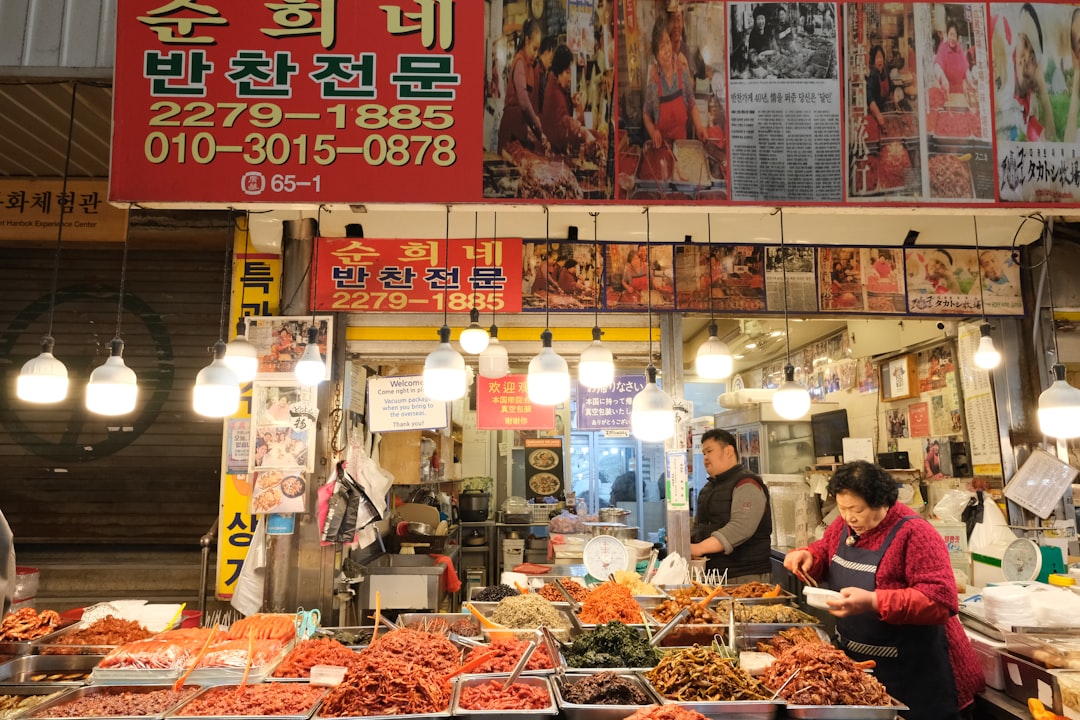
Picture this: you’re walking through the neon-lit alleyways of Seoul’s Myeongdong district at 9 PM on a Friday night. The air is thick with the sweet, savory aroma of caramelized sugar, sizzling meats, and freshly fried batter. Vendors call out from every direction, their carts glowing under warm yellow lights, each one offering something more tempting than the last. Korean street food — or pojangmacha food, as locals call it — isn’t just a meal. It’s a full sensory experience that has captivated over 17.5 million international tourists who visited South Korea in 2025 alone, according to the Korea Tourism Organization.
But here’s the secret that seasoned food travelers already know: you don’t need a plane ticket to Seoul to enjoy these incredible flavors. With the explosive growth of K-culture worldwide, Korean street food has become more accessible than ever — from H-Mart aisles in New Jersey to night market pop-ups in Los Angeles. This best korean street food guide for beginners will walk you through the essential dishes, how to find them, how to make them at home, and the cultural stories behind every bite.
Whether you fell in love with Korean food watching a K-drama character devour tteokbokki at a pojangmacha, or you simply spotted something intriguing at your local Asian grocery store, this guide is your starting point. Let’s dive into the 10 must-try Korean street foods that will change the way you think about snacking forever.
The Top 10 Korean Street Foods Every Beginner Must Try

Korean street food culture spans hundreds of dishes, but these 10 are the undisputed icons. They’re the ones you’ll find at virtually every market in Seoul, and increasingly, at Korean restaurants and food trucks across the United States. Consider this your best korean street food guide for beginners — a curated starting lineup.
1. Tteokbokki (떡볶이) — Spicy Rice Cakes
Tteokbokki is the undisputed king of Korean street food. These chewy, cylindrical rice cakes are bathed in a fiery-sweet sauce made from gochujang (fermented red chili paste), sugar, and anchovy or kelp broth. The texture is unlike anything in Western cuisine — imagine a cross between gnocchi and mochi, with a satisfying chew that becomes almost addictive.
The classic version costs about $3–4 (₩4,000–5,000) at street stalls in Seoul. In the U.S., you can find frozen tteok (rice cakes) at H-Mart for around $4–6 per pack, and gochujang for $5–8. Making it at home takes about 20 minutes. How to Make Tteokbokki at Home: Easy 2026 Recipe
Pro tip: For beginners who are sensitive to spice, look for rose tteokbokki — a milder version made with cream sauce blended into the gochujang. It’s been trending across South Korea since 2024 and you’ll now find it at many Korean restaurants in the U.S.
2. Hotteok (호떡) — Sweet Stuffed Pancakes
If tteokbokki is the savory champion, hotteok is the sweet street food MVP. These golden, crispy-on-the-outside, gooey-on-the-inside pancakes are filled with a mixture of brown sugar, cinnamon, and crushed peanuts or seeds. When you bite through the thin, slightly chewy dough, the molten sugar filling oozes out — it’s essentially Korea’s answer to a filled doughnut, but somehow more satisfying.
Hotteok is a winter staple, traditionally sold from October through March. In Seoul, you’ll pay about $1.50–2 per piece. The Busan-style version, called ssiat hotteok, adds sunflower seeds and pumpkin seeds to the filling, creating a nutty crunch that perfectly balances the sweetness.
Where to buy in the U.S.: CJ’s frozen hotteok mix is available at H-Mart and on Amazon for about $6–8. It comes with pre-made dough and filling packets — just shape, stuff, and pan-fry in a little oil. Total prep time: 15 minutes.
3. Gimbap (김밥) — Korean Seaweed Rice Rolls
Think of gimbap as Korea’s answer to the sandwich — portable, customizable, and available literally everywhere. Sheets of roasted seaweed wrap around seasoned rice, pickled radish, spinach, egg, and your choice of protein (bulgogi beef, tuna, crab, or spam). Unlike Japanese sushi, the rice is seasoned with sesame oil and salt rather than vinegar, giving it a nuttier, more aromatic flavor.
A roll of gimbap at a Korean street stall costs about $2.50–4, and it’s typically sliced into 8–10 bite-sized pieces. It’s the perfect grab-and-go meal. In the U.S., many H-Mart locations have a prepared foods section where you can buy freshly made gimbap rolls for $5–7.
Beginner recommendation: Start with chamchi gimbap (tuna gimbap) or bulgogi gimbap. They’re the most approachable flavors for Western palates.
4. Eomuk / Odeng (어묵/오뎅) — Fish Cake Skewers
Fish cake skewers served in warm anchovy broth are the ultimate Korean comfort street food. Thin sheets of seasoned fish cake are threaded onto bamboo skewers in an accordion fold, then simmered in a light, savory broth. You eat the fish cake and sip the broth from small paper cups — it’s the Korean equivalent of soup-and-a-snack, all for about $1–2 per skewer.
The broth is the real star here. Made from dried anchovies, kelp, and radish, it has a clean, umami-rich depth that warms you from the inside out. On a cold day in Seoul, nothing beats standing beside an eomuk cart, cup of broth in hand, watching the city rush past.
At home: Frozen fish cake sheets are available at any Korean grocery store (about $4–5 per package). Thread them on skewers, simmer in dashi or anchovy broth for 10 minutes, and you’ve got an authentic experience.
5. Dakgangjeong (닭강정) — Sweet Crispy Fried Chicken
Korean fried chicken has taken over America — but dakgangjeong is the street food version that started it all. Bite-sized pieces of chicken are double-fried until impossibly crispy, then tossed in a sticky, sweet-spicy glaze made from gochujang, soy sauce, garlic, and corn syrup. The result is a shatteringly crunchy exterior that gives way to juicy, tender meat, coated in a glaze that hits every flavor note: sweet, spicy, savory, and garlicky.
In Seoul’s traditional markets like Gwangjang Market or Namdaemun Market, a generous portion costs about $5–7. In the U.S., Korean fried chicken restaurants like bb.q Chicken, Bonchon, and Pelicana serve similar preparations for $12–18.
Fun fact: The city of Sokcho on Korea’s east coast is famous for its dakgangjeong — tourists drive hours just for this dish. The Sokcho version uses a lighter, crispier batter and a tangier sauce.
5 More Essential Korean Street Foods to Complete Your Journey
6. Gyeran-ppang (계란빵) — Egg Bread
A whole egg baked inside a sweet, fluffy bread roll — gyeran-ppang is as simple as it is satisfying. The bread is slightly sweet and cake-like, similar to a cornbread muffin, while the egg on top is cooked until the whites are set but the yolk remains slightly jammy. It’s a popular breakfast and afternoon snack, especially during the colder months.
At about $1.50–2 per piece, it’s one of the cheapest and most filling street foods you can find. Modern variations add cheese, bacon, or even cream cheese to the mix. You can make these at home using a muffin tin, pancake batter, and eggs — total cost under $3 for a batch of six.
7. Tornado Potato (회오리감자) — Spiral Potato on a Stick
This one is as much about the visual spectacle as the taste. A whole potato is cut into a single continuous spiral, stretched along a wooden skewer, deep-fried until golden, and dusted with seasoning. The result looks like a crispy potato tornado — crunchy on the outside, fluffy inside, and absolutely Instagram-worthy.
Common seasonings include cheese powder, onion, barbecue, and honey butter. In Seoul, they run about $3–4 and you’ll find them at every major tourist market. While they haven’t hit mainstream U.S. markets yet, Korean food festivals and night markets across California, New York, and Texas frequently feature them.
8. Bungeoppang (붕어빵) — Fish-Shaped Pastry
Don’t let the name fool you — there’s no fish in bungeoppang. These adorable fish-shaped pastries are made from a crispy waffle-like batter and traditionally filled with sweet red bean paste (pat). The shape comes from the cast-iron molds vendors use, which have been a winter street food tradition in Korea since the 1930s.
Modern fillings include custard cream, chocolate, pizza cheese, and even sweet potato. A set of three to five typically costs $2–3. You can find bungeoppang molds on Amazon for about $25–35 if you want to make them at home — just use any waffle batter recipe and your choice of filling.
9. Sundae (순대) — Korean Blood Sausage
Korean sundae is not ice cream — it’s a savory sausage made from pig intestine stuffed with glass noodles, rice, pork blood, and vegetables. Before you skip this one, hear us out: the texture is incredibly soft and almost silky, and the flavor is mild and savory with a subtle sweetness from the noodles. It’s typically served sliced with a side of salt-and-pepper dipping mix and liver.
Sundae is a staple at traditional markets, costing about $4–6 for a generous plate. Gwangjang Market in Seoul is particularly famous for its sundae stalls. For a less adventurous introduction, try sundae-bokkeum (stir-fried sundae with vegetables and spicy sauce), which masks the unfamiliar textures with bold, familiar flavors.
10. Mandu (만두) — Korean Dumplings
Korean dumplings are the perfect gateway street food for absolute beginners. Filled with a mixture of ground pork, tofu, kimchi, and vegetables, mandu come steamed (jjin mandu), pan-fried (gun mandu), or deep-fried (twigim mandu). The pan-fried version, with its crispy golden bottom and tender pleated top, is the most popular street food preparation.
A plate of 5–6 mandu costs about $3–5 at Korean markets. In the U.S., brands like CJ Bibigo sell frozen mandu at Costco, Walmart, Whole Foods, and H-Mart for $8–12 per bag (about 24 dumplings). The Bibigo chicken & vegetable mandu have become a breakout hit, appearing on Costco’s top-selling frozen foods list in 2025.
Explore more Korean street food varieties
A Quick Comparison: Korean Street Food at a Glance

Choosing where to start can feel overwhelming, so here’s a handy comparison table to help you pick the right dish based on your preferences:
| Dish | Flavor Profile | Spice Level | Price (Seoul) | Beginner Friendly? |
|---|---|---|---|---|
| Tteokbokki | Sweet-spicy, chewy | 🌶🌶🌶 | $3–4 | Yes (try rose version) |
| Hotteok | Sweet, nutty, gooey | None | $1.50–2 | Absolutely |
| Gimbap | Savory, nutty, fresh | None | $2.50–4 | Perfect starter |
| Eomuk | Light, umami, comforting | None | $1–2 | Very beginner friendly |
| Dakgangjeong | Sweet-spicy, crispy | 🌶🌶 | $5–7 | Yes |
| Gyeran-ppang | Sweet bread, savory egg | None | $1.50–2 | Absolutely |
| Tornado Potato | Crispy, seasoned | Varies | $3–4 | Fun first pick |
| Bungeoppang | Sweet, crispy, soft | None | $2–3 | Absolutely |
| Sundae | Savory, mild, silky | None | $4–6 | Adventurous pick |
| Mandu | Savory, juicy, familiar | Mild (kimchi ver.) | $3–5 | Best starter overall |
Where to Find Korean Street Food in the United States
You don’t need to book a flight to Seoul to start your Korean street food journey. The U.S. has seen an explosion of Korean food accessibility over the past five years, and there are now more options than ever to find authentic flavors close to home.
Korean Grocery Stores
H-Mart is the gold standard for Korean grocery shopping in America, with over 90 locations across 14 states. Their frozen food aisles carry tteok, mandu, fish cakes, hotteok mix, and more. The prepared foods section often has fresh gimbap, tteokbokki, and fried mandu available daily.
Other excellent Korean grocers include Zion Market (West Coast), Lotte Plaza (East Coast), Hannam Chain (Southern California), and Hana World Market (Texas). Even Whole Foods and Trader Joe’s now carry Korean-inspired items like Bibigo mandu, gochujang sauce, and kimchi.
Korean Food Trucks and Night Markets
Cities with large Korean-American populations — Los Angeles, New York, Dallas, Atlanta, and Chicago — regularly host Korean food festivals and night markets. The 626 Night Market in Los Angeles and the Queens Night Market in New York frequently feature Korean street food vendors selling everything from tteokbokki to tornado potatoes.
Korean food trucks have also become a nationwide phenomenon since the Roy Choi / Kogi BBQ revolution of 2008. Search “Korean street food” on Yelp or Instagram in your city, and you’ll likely find several options within driving distance.
Online Ordering
If you don’t have a Korean grocery store nearby, online retailers have you covered. Websites like Weee!, H-Mart’s online store, and even Amazon carry most of the frozen and shelf-stable ingredients you need. A basic “Korean street food starter kit” of tteok, gochujang, fish cakes, frozen mandu, and hotteok mix will run you about $25–35 total — enough for multiple cooking sessions.
Essential Ingredients for Making Korean Street Food at Home

Making Korean street food at home is surprisingly easy once you have the right pantry staples. Here are the must-have ingredients that cover 90% of the recipes in this guide:
- Gochujang (고추장) — Fermented red chili paste. The backbone of tteokbokki, dakgangjeong, and dozens of other dishes. Brands to look for: Sunchang, CJ Haechandle. Available at H-Mart ($5–8) and most Walmart locations.
- Gochugaru (고춧가루) — Korean red pepper flakes. Coarser and smokier than standard chili flakes. Essential for kimchi and spicy dipping sauces. About $6–10 per bag at H-Mart.
- Sesame oil (참기름) — Used in gimbap rice, dipping sauces, and finishing drizzles. Korean sesame oil is toastier and more aromatic than the standard grocery store variety. Kadoya or CJ brands recommended, $5–7.
- Soy sauce (간장) — Korean soy sauce (ganjang) is slightly sweeter and lighter than Japanese soy sauce. Sempio brand is widely available. $3–5.
- Rice cakes (떡) — Frozen tteok for tteokbokki. Look for the cylindrical variety (garaetteok). $4–6 per pack, keeps for months in the freezer.
- Dried anchovies and kelp — The foundation of Korean broth, used in eomuk soup, tteokbokki sauce, and more. A bag of each costs $5–8 and lasts months.
Browse authentic Korean recipes with video tutorials
Budget tip: Your entire Korean street food pantry can be built for under $50, and most of these ingredients last 6–12 months. That’s less than the cost of two meals at a Korean restaurant, and you’ll be able to cook dozens of different dishes.
If you’re already exploring Korean cuisine at home, pair your street food adventures with these related recipes: Authentic Kimchi Recipe From Scratch: Step-by-Step Guide 2026 and 7 Low Calorie Korean Meals for Diet Success in 2026.
The Culture Behind Korean Street Food: More Than Just a Snack
To truly appreciate Korean street food, it helps to understand the cultural context that shaped it. Korean street food culture isn’t just about eating — it’s a social ritual deeply woven into everyday Korean life.
The Pojangmacha Tradition
The word pojangmacha (포장마차) literally means “covered wagon” — a reference to the orange tent-covered street stalls that line Korean streets, especially in the evening. These aren’t just food carts. They’re miniature social hubs where coworkers decompress after a long day, couples share late-night snacks, and strangers bond over soju and tteokbokki.
In K-dramas, some of the most emotionally pivotal scenes take place at pojangmacha. Characters confess their feelings, drown their sorrows, and forge unlikely friendships — all over steaming bowls of eomuk broth and plates of fried mandu. This isn’t Hollywood fiction; it genuinely reflects Korean social culture. How to Join K-Pop Fandom Online: Complete Guide 2026
Street Food Markets: Living Cultural Heritage
Korea’s traditional markets (sijang) are where street food culture thrives in its most authentic form. Gwangjang Market, established in 1905, is Seoul’s oldest and most famous food market. It’s where Anthony Bourdain famously visited, calling it one of the great food destinations in the world.
Other must-visit markets include:
- Namdaemun Market — Seoul’s largest traditional market, with over 10,000 vendors selling everything from galchi jorim (braised hairtail fish) to hotteok.
- Tongin Market — Famous for its “lunch box café” system where you buy brass coins and exchange them for small dishes from different vendors.
- Seomun Market in Daegu — Known for flat mandu and spicy jjim galbi.
- Jagalchi Market in Busan — Korea’s largest seafood market, where you can eat fresh-caught sashimi as street food.
Planning a trip? DMZ Tour from Seoul: What to Expect in 2026 Guide — and don’t miss the street food vendors near major tourist sites.
Why Korean Street Food Is Affordable by Design
Korean street food prices have remained remarkably low compared to restaurant dining, and there’s a cultural reason for this. Historically, street food was the food of the working class — quick, filling, affordable fuel for laborers and students. Even as Korea has become one of Asia’s wealthiest nations, there’s a deep cultural expectation that street food should remain accessible to everyone. Vendors compete on volume and loyalty rather than raising prices.
This means that even in expensive neighborhoods like Gangnam or Myeongdong, you can eat a satisfying street food meal for $5–8 total. Compare that to $15–25 for a restaurant meal in the same area.
Korean Street Food for Special Diets: Vegetarian, Vegan, and Gluten-Free Options

One of the most common questions in any best korean street food guide for beginners is whether there are options for people with dietary restrictions. The answer is yes — with some knowledge and careful choices.
Vegetarian and Vegan Options
- Hotteok — Naturally vegetarian. Most recipes are also vegan (check that the dough doesn’t contain milk).
- Bungeoppang — The red bean filling is vegan. Custard versions are not.
- Tornado potato — Vegan when fried in vegetable oil (which is standard).
- Tteokbokki — The rice cakes are vegan, but traditional broth uses anchovies. Look for or request mushroom broth versions, which are increasingly common.
- Japchae (잡채) — Glass noodles stir-fried with vegetables and sesame oil. Often vegetarian, though some versions add beef.
- Vegetable mandu — Many vendors offer a vegetable-only version. Frozen options from Bibigo also include plant-based varieties.
Heads up: Many Korean broths and sauces contain myeolchi (anchovy) or saeu-jeot (fermented shrimp paste), even when the dish looks vegetarian. Always ask or check ingredients.
Gluten-Free Options
Tteokbokki rice cakes are naturally gluten-free (made from rice flour), but the sauce often contains soy sauce with wheat. Use tamari as a substitute at home. Gimbap rice and fillings are typically gluten-free, but the seaweed seasoning occasionally contains wheat-based soy sauce. Your safest bets are sundae (glass noodle-stuffed, no flour), tornado potato, and plain grilled skewers.
Beginner’s Tasting Order: How to Build Your Korean Street Food Experience
If you’re completely new to Korean food, diving straight into sundae or spicy tteokbokki might be overwhelming. Here’s a recommended tasting order that gradually builds your palate from familiar to adventurous:
- Week 1: Mandu + Gimbap — Familiar dumpling and roll formats. Approachable flavors. Available frozen at most grocery stores.
- Week 2: Hotteok + Bungeoppang — Sweet treats with zero spice. Builds positive associations with Korean flavors.
- Week 3: Dakgangjeong + Tornado Potato — Crunchy, flavorful, with mild spice. If you enjoy General Tso’s chicken, you’ll love dakgangjeong.
- Week 4: Tteokbokki (mild/rose version) + Eomuk — Introduces the iconic chewy texture of tteok and the umami depth of anchovy broth.
- Week 5: Tteokbokki (spicy version) + Sundae — Full-strength Korean street food. You’ve arrived.
This gradual approach is what makes this the best korean street food guide for beginners — it respects your palate while steadily expanding your comfort zone.
As you explore Korean flavors, consider learning the language to deepen your experience: 7 Best Apps to Learn Korean for Beginners in 2026. Understanding menu terms like maewoon (spicy), dal-kom (sweet), and gogi (meat) will transform your ordering confidence.
Frequently Asked Questions About Korean Street Food
What is the most popular Korean street food?
Tteokbokki (spicy rice cakes) is widely considered the single most popular Korean street food. According to a 2024 survey by the Korean Food Promotion Institute, tteokbokki was the #1 street food choice among both Korean locals and international visitors. Its combination of chewy texture, sweet-spicy sauce, and low price point make it universally appealing. However, gimbap and eomuk are close runners-up in terms of daily sales volume.
Is Korean street food spicy?
Not all of it! While Korean cuisine has a reputation for heat, many beloved street foods are completely non-spicy. Hotteok, bungeoppang, gyeran-ppang, gimbap, eomuk, and tornado potatoes have zero spice. Even traditionally spicy dishes like tteokbokki now come in milder versions (rose tteokbokki, cheese tteokbokki). Start with non-spicy options and work your way up. Most vendors will also reduce the chili paste if you ask — just say “deol maepge juseyo” (less spicy, please).
How much does Korean street food cost in Seoul?
Korean street food is remarkably affordable. Most individual items cost between $1.50 and $5 USD. A full street food meal — say, a serving of tteokbokki ($3), two eomuk skewers ($2), and a hotteok for dessert ($1.50) — would total about $6.50. That’s less than a single sandwich at most American fast-food chains. Even in tourist-heavy areas like Myeongdong, prices remain low because competition between vendors keeps costs in check.
Can I make Korean street food at home without special equipment?
Absolutely. Most Korean street food requires nothing more than a regular stovetop, a skillet, and a pot. Tteokbokki is a one-pot dish. Mandu can be pan-fried in any non-stick pan. Hotteok just needs a flat skillet and a spatula. The only “special” equipment that makes a noticeable difference is a bungeoppang mold (fish-shaped pastry pan), which you can buy on Amazon for about $25–35. Everything else can be made with tools you already own.
Where can I buy Korean street food ingredients in the U.S.?
H-Mart is the most reliable and widespread option, with 90+ locations nationwide. If you don’t have an H-Mart nearby, try Zion Market, Lotte Plaza, or any local Asian grocery store — most carry at least basic Korean staples like gochujang, tteok, and frozen mandu. For online shopping, Weee! offers next-day delivery of Korean groceries in many metro areas. Amazon and Walmart.com also carry major brands like CJ Bibigo, Sempio, and Ottogi. Even Costco now stocks Bibigo mandu and kimchi in bulk.
Is Korean street food healthy?
It varies. Gimbap is one of the healthiest options — packed with vegetables, rice, and lean protein, a typical roll contains about 300–400 calories. Eomuk broth is low-calorie and high in protein. However, deep-fried items like dakgangjeong and tornado potatoes are higher in calories and fat. Tteokbokki falls in the middle — the rice cakes are fat-free, but the sauce contains sugar. As with any cuisine, balance is key. A mix of grilled, steamed, and fried items makes for a satisfying and reasonably healthy street food spread. 7 Low Calorie Korean Meals for Diet Success in 2026
Related Posts You’ll Love
Continue your Korean food journey with these guides from our kitchen:
- How to Make Tteokbokki at Home: Easy 2026 Recipe — Ready to make the #1 street food yourself? Our step-by-step guide has you covered.
- Authentic Kimchi Recipe From Scratch: Step-by-Step Guide 2026 — No Korean meal is complete without kimchi. Learn the traditional method.
- Korean Skincare Routine for Acne-Prone Skin (2026 Guide) — After feeding your body, feed your skin. Discover the K-Beauty routine that complements a healthy Korean diet.
Suggested future articles:
- Best Korean BBQ Marinades You Can Make at Home: 2026 Guide
- Korean Convenience Store Food Ranking: Top 20 Must-Try Items
- Korean Fried Chicken at Home: Crispy Double-Fry Method Guide
Start Your Korean Street Food Adventure Today
Korean street food is one of the most exciting, affordable, and accessible food cultures on the planet. Whether you’re biting into your first hotteok from H-Mart’s frozen section or planning a full market crawl through Seoul’s Gwangjang Market, every bite tells a story — of centuries-old traditions, creative vendors, and a culture that believes good food should be available to everyone.
This best korean street food guide for beginners is just your starting point. The real adventure begins when you take that first taste, share it with friends, and discover your own favorites.
So here’s your challenge: Pick one dish from this list, try it this week, and come back to tell us about it. Did the chewy tteokbokki blow your mind? Was the hotteok even better than you imagined? Did you brave the sundae? Drop a comment below with your experience — we read and respond to every single one.
And if this guide helped you, share it with a friend who’s curious about Korean food. Tag us on Instagram or Pinterest with your Korean street food creations — we love seeing your kitchen adventures. Subscribe to our newsletter for weekly Korean food guides, recipes, and cultural deep-dives delivered straight to your inbox.
Happy eating — or as they say in Korea, 잘 먹겠습니다 (jal meokgesseumnida) — I will eat well!