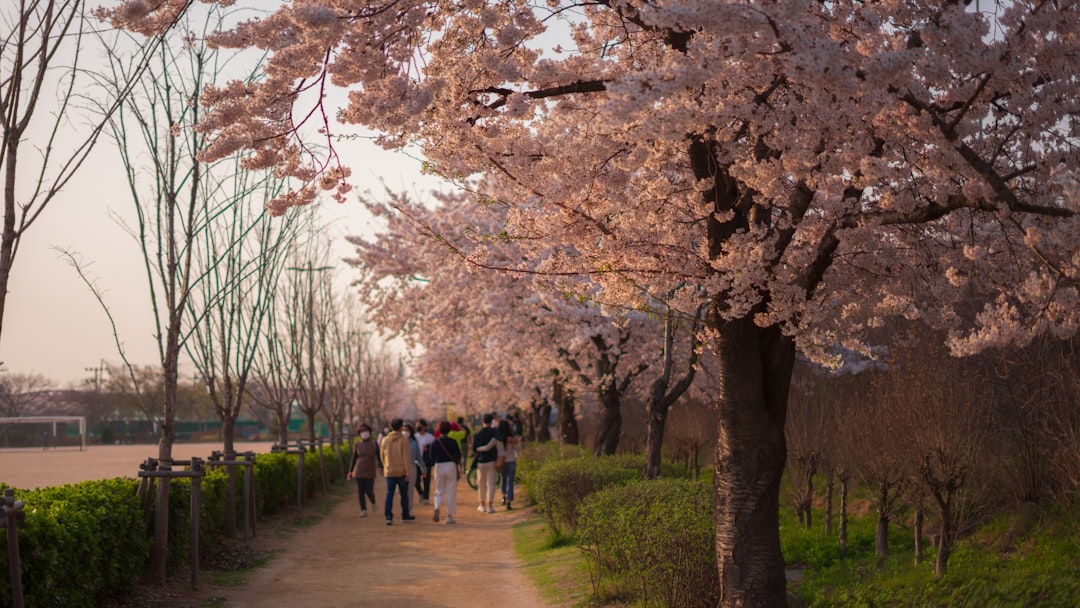
Why Korea’s Cherry Blossoms Should Be on Your 2026 Bucket List
I’ll never forget the first time I walked beneath a tunnel of cherry blossoms along the Yeojwacheon Stream in Jinhae. Petals drifted down like pink snowflakes, landing softly on the water’s surface, and for a moment the entire world felt like it had been dipped in cotton candy. Thousands of locals and travelers stood along the banks, snapping photos, sipping strawberry lattes, and simply soaking in the magic of spring in Korea.
If you’ve ever seen those dreamy Instagram photos of pastel-pink canopies stretching over rivers, temples, and ancient palace walls — chances are they were taken in South Korea. The country is home to some of the most spectacular cherry blossom displays on the planet, rivaling (and often surpassing) Japan’s famous hanami season, but with smaller crowds, lower costs, and easier logistics.
In this guide, I’m sharing the best cherry blossom spots in Korea for 2026 — including exact bloom forecasts, how to get there, what it costs, and the insider tips that only someone who’s chased blossoms across the peninsula for years would know. Whether you’re planning a full two-week itinerary or squeezing cherry blossoms into a quick Seoul stopover, this article has everything you need.
When Do Cherry Blossoms Bloom in Korea? 2026 Forecast

Timing is everything when it comes to catching Korea’s cherry blossoms at peak bloom. Unlike the relatively compact bloom window in Washington, D.C., Korea’s cherry blossom season rolls northward over roughly three weeks, giving you multiple chances to catch them depending on where you go.
2026 Predicted Bloom Dates by Region
| Region | First Bloom | Peak Bloom | Best For |
|---|---|---|---|
| Jeju Island | March 20–25 | March 27–April 2 | Early season + beaches |
| Jinhae / Busan | March 25–30 | April 1–7 | Korea’s biggest cherry blossom festival |
| Gyeongju | March 28–April 2 | April 3–9 | History + blossoms |
| Seoul | April 3–8 | April 7–14 | Convenience + nightlife |
| Chuncheon / Gangwon | April 8–13 | April 12–18 | Late bloomers, fewer crowds |
Pro tip: The Korea Meteorological Administration (KMA) releases official bloom forecasts in early March each year. Bookmark their site and check again two weeks before your trip. Bloom dates can shift by 3–5 days depending on late-winter temperatures.
How Long Do Cherry Blossoms Last?
Once a tree hits full bloom, you typically have 7–10 days before the petals start to fall. The “petal snowstorm” phase — when blossoms rain down with every breeze — is actually many photographers’ favorite moment. A heavy spring rain can cut the display short by a few days, so always have a backup plan.
The sweet spot for most American travelers is late March to mid-April. If you fly into Jeju first and work your way north to Seoul, you can essentially chase peak bloom for two full weeks.
Top 8 Best Cherry Blossom Spots in Korea for 2026
Korea has dozens of cherry blossom viewing spots, but these eight consistently deliver the most breathtaking displays. I’ve ranked them by overall wow factor, accessibility, and how well they pair with other nearby attractions.
1. Jinhae Gunhangje Festival — The Crown Jewel
If you only visit one cherry blossom destination in Korea, make it Jinhae. This small naval port city near Busan transforms into a pink paradise every spring, with over 360,000 cherry trees erupting into bloom simultaneously. It’s the largest cherry blossom festival in Korea and arguably one of the biggest in the world.
The two must-see spots within Jinhae are Yeojwacheon Stream — a narrow canal flanked by cherry trees on both sides, creating a perfect pink tunnel reflected in the water — and Gyeonghwa Station, a retired railway line where cherry blossoms form a canopy over the old tracks. Both are absolutely iconic.
- When: Late March to early April (the 2026 Gunhangje Festival dates will be announced in February)
- Cost: Free entry to all outdoor areas. Food stalls average $3–8 per item.
- Getting there: Take a KTX train from Seoul Station to Changwon (about 2.5 hours, ~$40 one-way), then a local bus (30 min) to Jinhae. Book KTX tickets early on the KORAIL app — they sell out fast during festival season.
- Time needed: Full day minimum, ideally overnight
The festival draws over 2 million visitors over its 10-day run, so weekday visits are strongly recommended. Arrive before 9 AM to photograph Yeojwacheon Stream without crowds. Best Day Trips From Seoul by Train 2026: Top 10 Spots
2. Seokchon Lake, Seoul — Cherry Blossoms Meet City Skyline
For travelers based in Seoul, Seokchon Lake near Lotte World Tower is the most photogenic urban cherry blossom spot in the city. The lake is encircled by approximately 1,000 cherry trees, and the juxtaposition of delicate pink blossoms against the towering 555-meter Lotte World Tower creates a uniquely Korean cityscape.
During the annual Seokchon Lake Cherry Blossom Festival, the path around the lake fills with street food vendors, buskers, and photo booths. At night, colorful lights illuminate the trees, creating a completely different atmosphere.
- When: Peak bloom typically April 5–12
- Cost: Completely free
- Getting there: Jamsil Station (Seoul Metro Lines 2 & 8), Exit 2 or 3. You’ll see the blossoms within a two-minute walk.
- Time needed: 2–3 hours (combine with Lotte World or Lotte World Tower Sky Observatory)
The full loop around the lake is about 2.7 km — perfect for a leisurely stroll. Grab a strawberry mochi or hotteok (sweet Korean pancake) from the vendors and find a bench by the water. This is peak Korean spring vibes.
3. Gyeongju — Where Cherry Blossoms Meet Ancient History
Often called the “museum without walls,” Gyeongju is the ancient capital of the Silla Dynasty, and its cherry blossom season is nothing short of magical. Imagine pink blossoms framing 1,400-year-old royal tombs, ancient astronomical observatories, and stone Buddha carvings. It’s a cultural experience wrapped in natural beauty.
The best spots in Gyeongju are Bomun Lake (a scenic reservoir surrounded by cherry trees and luxury resorts), Bulguksa Temple road (the approach road to this UNESCO World Heritage temple is lined with blossoms), and Gyeongju National Museum grounds.
- When: Late March to first week of April
- Cost: Bulguksa Temple entrance is ~$4. Most outdoor spots are free.
- Getting there: KTX from Seoul to Singyeongju Station (about 2 hours, ~$38 one-way), then a local bus to central Gyeongju (20 min).
- Time needed: 1–2 full days
Rent a bicycle near Bomun Lake (about $5–8 for 2 hours) and ride through the cherry-lined paths. It’s one of the most peaceful and scenic cycling routes in all of Korea. Gyeongju Travel Guide
4. Yeouido Spring Flower Festival, Seoul
The Yeouido Cherry Blossom Festival is Seoul’s biggest and most famous cherry blossom event. The 1.7 km stretch behind the National Assembly building features roughly 1,800 cherry trees creating a stunning canopy along the Yunjung-ro path. This is the one you’ve seen in every K-drama spring episode.
The festival typically includes live performances, food stalls, art installations, and extended evening hours with illuminated trees. It’s an unmissable Seoul spring experience.
- When: Usually the first or second week of April
- Cost: Free
- Getting there: Yeouinaru Station (Line 5), Exit 1. The festival area is a 5-minute walk.
- Crowd management: This spot gets extremely crowded on weekends — expect shoulder-to-shoulder walking. Visit on a Tuesday or Wednesday morning for a calmer experience.
After the blossoms, walk along the Yeouido Hangang Park riverside for fried chicken and beer (“chimaek”) picnic style — it’s a beloved Korean spring tradition.
5. Hwagae Market Cherry Blossom Road, Hadong
This one is a hidden gem that most international tourists miss. The Hwagae Cherry Blossom Road in Hadong, South Gyeongsang Province, stretches about 6 km along the Seomjin River and is locally known as the “Wedding Road” — Korean legend says that couples who walk beneath these blossoms together will stay together forever.
Unlike the packed urban festivals, Hwagae offers a peaceful, rural cherry blossom experience. The trees here are mature and enormous, creating a dense canopy that filters sunlight into soft pink hues. The backdrop of misty mountains and the gentle river make this feel like stepping into a painting.
- When: Late March to early April
- Cost: Free. Local tea houses along the route charge $3–5 for traditional Korean green tea.
- Getting there: Bus from Jinju (1.5 hours) or drive from Busan (about 2 hours). This spot is best reached by rental car or a local tour.
- Time needed: Half day
While you’re there, try the Hadong wild green tea, famous across Korea. The Hwagae Market itself is a charming traditional market selling local produce, handmade crafts, and fresh river fish.
6. Jeju Island — Cherry Blossoms + Volcanic Landscapes
Jeju is where Korea’s cherry blossom season kicks off first, thanks to the island’s subtropical climate. The blossoms here are from the Jeju King Cherry (왕벚나무), a variety with larger, more dramatic petals than those found on the mainland.
The best spots on Jeju are Jeonnong-ro Street in Jeju City (a beautiful boulevard absolutely dripping with blossoms), the grounds of Hallim Park, and the roads around the slopes of Hallasan Mountain. The combination of cherry blossoms with Jeju’s iconic volcanic rock walls and tangerine orchards creates a landscape unlike anywhere else on earth.
- When: Late March (earliest in Korea)
- Cost: Jeju flights from Seoul start around $50–80 roundtrip on domestic carriers (Jeju Air, T’way). Hallim Park entrance is ~$8.
- Getting there: Fly from Gimpo Airport (Seoul) — it’s a quick 70-minute flight. Rent a car on Jeju for maximum flexibility ($30–50/day).
- Time needed: 2–3 days (there’s plenty more to do on Jeju beyond blossoms)
7. Namsan Tower (N Seoul Tower) — Romantic City Views
Namsan Mountain, home to the iconic N Seoul Tower, is covered with cherry trees that bloom from base to summit. Walking up the mountain via the Namsan Circular Trail during cherry blossom season is one of Seoul’s most romantic experiences — the path winds through blossoms with the city skyline visible through the branches.
- When: Early to mid-April
- Cost: Trail is free. N Seoul Tower observatory: ~$12. Cable car: ~$9 one-way.
- Getting there: Myeongdong Station (Line 4), Exit 3, then walk or take the Namsan Shuttle Bus #2.
Time your visit for late afternoon to sunset — you’ll see the blossoms in golden light, then watch Seoul light up from the tower observation deck. Korean Dating Culture: 7 Things Foreigners Should Expect in 2026
8. Bulguksa Temple Road, Gyeongju
I’m giving Gyeongju a second mention because the Bulguksa Temple approach road deserves its own spotlight. This 2 km road leading to the UNESCO World Heritage Bulguksa Temple is lined with mature cherry trees on both sides. With the ancient temple at one end and the forested slopes of Tohamsan Mountain as a backdrop, it’s one of the most photographed cherry blossom locations in all of Korea.
- When: Early April
- Cost: Temple entrance ~$4
- Getting there: Bus #10 or #11 from Gyeongju Bus Terminal directly to Bulguksa (30 minutes)
Getting There: Flying to Korea for Cherry Blossom Season

Korea is incredibly accessible for American travelers, with multiple daily nonstop flights from major US cities to Incheon International Airport (ICN). Here’s what you need to know.
Flights from the US
| Route | Airlines | Flight Time | Roundtrip (Economy) |
|---|---|---|---|
| LAX → ICN | Korean Air, Asiana, Delta | ~12.5 hours | $700–1,200 |
| JFK → ICN | Korean Air, Asiana | ~14.5 hours | $750–1,300 |
| SFO → ICN | Korean Air, Asiana, United | ~12 hours | $650–1,100 |
Booking tip: Prices spike for late March and early April flights. Book at least 2–3 months in advance, and use Google Flights or Skyscanner to set price alerts. Budget carriers like Zipair (from LAX) sometimes offer fares under $500 roundtrip.
Visa Information for US Citizens
Great news: US citizens can visit Korea visa-free for up to 90 days. You will need to apply for a K-ETA (Korea Electronic Travel Authorization) before your trip. It costs about $10, is processed within 24–72 hours, and is valid for 2 years. Apply online at the official K-ETA website — do not use third-party sites that charge inflated fees.
From Incheon Airport to Seoul
- AREX Express Train: 43 minutes nonstop to Seoul Station, ~$9. The fastest option.
- AREX All-Stop Train: About 58 minutes, ~$4.50. Stops at Hongdae and other stations.
- Airport Limousine Bus: Routes to major hotels and neighborhoods, $10–17.
- Taxi: $60–90 to central Seoul. Only worth it if you’re splitting with others or arriving very late.
Pick up a T-money card at any convenience store in the airport (the card itself costs ~$3) and load it with about $20–30 to start. It works on all subways, buses, and even taxis and convenience stores across the country.
Budget Breakdown: How Much Does a Cherry Blossom Trip to Korea Cost?
Korea is one of the best value destinations in Asia for American travelers. Here’s a realistic daily budget breakdown for cherry blossom season.
| Category | Budget ($) | Mid-Range ($) | Comfort ($) |
|---|---|---|---|
| Accommodation (per night) | $20–35 (hostel) | $60–100 (hotel/Airbnb) | $150–250 (boutique hotel) |
| Meals (3 meals/day) | $15–25 | $30–50 | $60–100 |
| Transport (local) | $5–10 | $15–30 | $30–60 |
| Activities/entrance | $0–10 | $10–25 | $25–50 |
| Daily Total | $40–80 | $115–205 | $265–460 |
A 7-day cherry blossom trip can realistically cost $800–1,500 (excluding flights) for a mid-range traveler. That’s significantly less than a comparable trip to Japan during sakura season, where costs are 30–50% higher for similar quality.
The KTX (Korea Train Express) is your best friend for getting between cherry blossom cities. A Seoul-to-Busan ticket runs about $45–55 one-way and takes just 2.5 hours. Download the KORAIL app to book tickets in English. Consider the KR Pass (Korea Rail Pass) — available only to foreign tourists — which offers unlimited KTX travel for 3 days (~$95) or 5 days (~$155). It pays for itself after just two long-distance trips. Best Day Trips From Seoul by Train 2026: Top 10 Spots
Essential Apps and Tools for Cherry Blossom Hunting

Having the right apps on your phone will make your cherry blossom trip infinitely smoother. Here are the ones I consider absolutely essential.
- Naver Map: Forget Google Maps — it’s unreliable in Korea. Naver Map has accurate bus/subway routes, real-time traffic, and walking directions. It has an English interface, though some smaller locations may only show Korean names.
- Papago: Naver’s translation app is superior to Google Translate for Korean. Use the camera feature to instantly translate menus, signs, and subway maps. It’s a lifesaver at street food stalls.
- KakaoTalk: Korea’s universal messaging app. You’ll need it to communicate with hotels, tour operators, and sometimes even restaurants. Think of it as Korea’s WhatsApp — but everyone, including businesses, uses it.
- KORAIL: Book KTX train tickets in English. Essential for getting between cherry blossom cities.
- Kakao T: Korea’s ride-hailing app (similar to Uber). Useful for areas where taxis are scarce, especially around rural cherry blossom spots.
Important: Get a Korean eSIM or pocket WiFi before you arrive. You’ll need constant internet access for navigation and translation. eSIMs from providers like Airalo or Klook start at about $8–12 for 5 days of unlimited data.
Cultural Etiquette Tips for Cherry Blossom Season
Cherry blossom viewing in Korea (called “벚꽃놀이” or beotkkot-nori) is a deeply cherished cultural activity. Here’s how to enjoy it respectfully and blend in like a seasoned local.
Do’s
- Bring a picnic mat and snacks. Koreans love setting up picnic blankets under the blossoms with fried chicken, kimbap, and makgeolli (rice wine). Join the tradition! Convenience stores like CU and GS25 sell ready-made picnic food for $5–10.
- Take off your shoes if you enter any temple buildings during your trip. This applies year-round, not just during cherry blossom season.
- Use two hands when receiving something from someone older — it’s a sign of respect in Korean culture.
- Dress in layers. Spring weather in Korea can swing from 45°F (7°C) in the morning to 68°F (20°C) by afternoon. Carry a light jacket. Best Korean Sunscreen for Sensitive Skin 2026
Don’ts
- Don’t shake or climb the trees. This should be obvious, but it happens. The trees are often decades old and are carefully maintained by local communities.
- Don’t leave trash. Korea takes cleanliness seriously, especially at festival sites. Pack out everything you bring in. Finding trash cans can be tricky (Korea removed many public bins) — carry a small bag for your waste.
- Don’t block pathways for extended photo sessions. Be mindful of other visitors. Take your shot and move along — the Korean approach to shared spaces is considerate and communal.
- Don’t speak loudly near temples. Many cherry blossom spots are near or within Buddhist temple grounds. Maintain a respectful volume.
Insider Tips: How to Get the Best Cherry Blossom Experience

After years of chasing blossoms across Korea, here are my hard-won insider tips that will elevate your trip from good to unforgettable.
- Go early — painfully early. The best cherry blossom photos happen between 6:30–8:00 AM, when crowds are thin and the light is soft and golden. By 10 AM, popular spots like Yeojwacheon Stream are packed.
- Chase the “blizzard.” Peak bloom is beautiful, but the 2–3 days after peak — when petals are falling — creates the most magical “cherry blossom blizzard” effect. Plan your visit for just past peak if photography is your priority.
- Wear pink or white. This isn’t just for Instagram. Koreans intentionally coordinate their outfits with the blossoms, and you’ll feel more immersed in the experience. Light pastels photograph beautifully against the pink canopy.
- Rent a hanbok (traditional Korean dress). Many spots near palaces and temples offer hanbok rentals for $10–20 per day. Wearing hanbok gets you free entry to most major palaces (Gyeongbokgung, Changdeokgung, etc.), saving $3–5 per palace.
- Book accommodations near your #1 spot. During peak cherry blossom season, hotels near Jinhae and Gyeongju fill up fast. Book 4–6 weeks in advance. For Seoul, staying near Yeouido (Lines 5/9) or Jamsil (Lines 2/8) puts you walking distance from the best urban spots.
- Download offline maps. Cell service can get patchy in rural areas like Hwagae or remote parts of Jeju. Download offline Naver Maps for the regions you plan to visit.
- Combine with other spring foods. Cherry blossom season overlaps with strawberry season in Korea. Visit a strawberry picking farm near Seoul ($10–15 for all-you-can-pick) for a sweet side excursion. How to Make Tteokbokki at Home: Easy 2026 Recipe
- Check local festival dates. Many cities host cherry blossom-specific festivals with extra events, performances, and illuminations. The Jinhae Gunhangje Festival, Yeouido Spring Flower Festival, and Jeju Cherry Blossom Festival all have dedicated programs worth planning around.
Suggested 7-Day Cherry Blossom Itinerary
Here’s how I’d structure a week-long trip to see the best cherry blossom spots in Korea for 2026, assuming you arrive in early April.
Days 1–2: Seoul
Arrive at Incheon Airport, take the AREX to Seoul. Settle into your hotel near Jamsil or Yeouido. On Day 1, visit Seokchon Lake and explore Lotte World Tower. On Day 2, hit the Yeouido Spring Flower Festival in the morning, then walk along the Hangang River park. In the evening, explore Myeongdong for Korean street food and skincare shopping. Snail Mucin Before or After Moisturizer? 2026 Guide
Days 3–4: Gyeongju
Take the KTX to Singyeongju Station (2 hours). Spend Day 3 cycling around Bomun Lake and exploring the royal tombs at Daereungwon. Day 4, visit Bulguksa Temple and the Seokguram Grotto (UNESCO World Heritage sites) via the cherry-lined approach road.
Day 5: Jinhae
Bus from Gyeongju to Jinhae (2.5 hours, or KTX to Changwon + local bus). Spend the full day at the Gunhangje Festival. Photograph Yeojwacheon Stream at sunrise, explore Gyeonghwa Station, and enjoy the festival food stalls. Stay overnight in Jinhae or nearby Changwon.
Day 6: Busan
Short bus ride to Busan (45 minutes from Jinhae). Visit Gamcheon Culture Village, Jagalchi Fish Market, and Haeundae Beach. Enjoy fresh seafood for dinner. Busan also has beautiful cherry blossoms along Dalmaji Hill and the UN Cemetery (one of the most peaceful blossom spots you’ll ever visit). Best Korean Instant Noodles Ranked 2026: Top 15 Picks
Day 7: Return to Seoul
KTX from Busan back to Seoul (2.5 hours). Last-minute shopping at Hongdae or Gangnam. Visit Namsan Tower for a final cherry blossom walk at sunset before heading to the airport.
Frequently Asked Questions
When is the best time to see cherry blossoms in Korea in 2026?
The best cherry blossom spots in Korea for 2026 will be at peak bloom between late March and mid-April, depending on location. Jeju blooms first (late March), followed by Jinhae and Busan (early April), and Seoul last (April 7–14). Check the Korea Meteorological Administration forecast in early March for updated predictions.
Is Korea cheaper than Japan for cherry blossom viewing?
Yes, significantly. Korea offers 30–50% lower daily costs compared to Japan during sakura season. Meals, accommodations, and domestic transport are all more affordable. Plus, nearly all cherry blossom viewing spots in Korea are free, while some Japanese sites charge entrance fees. A mid-range day in Korea costs $115–205, compared to $180–300+ in Japan.
Do I need a visa to visit Korea from the US?
US citizens can visit Korea visa-free for up to 90 days. You’ll need a K-ETA (Korea Electronic Travel Authorization), which costs about $10 and can be applied for online. Processing takes 24–72 hours, so apply at least a week before departure.
Can I see cherry blossoms and attend K-Pop concerts at the same time?
Absolutely! Cherry blossom season (late March–mid April) is a great time for K-Pop concerts in Seoul. Check the schedules for venues like KSPO Dome, Gocheok Sky Dome, and Olympic Gymnastics Arena. Book tickets through platforms like Interpark or Melon Ticket. How to Buy K-Pop Concert Tickets in Korea as a Foreigner (2026)
What should I wear during cherry blossom season in Korea?
Korea’s spring weather is unpredictable — expect temperatures between 45–68°F (7–20°C). Layering is essential: a light sweater, a windbreaker or trench coat, and comfortable walking shoes. Bring sunscreen, as UV levels increase significantly in April. Koreans take sun protection seriously — you’ll see everyone wearing sunscreen and carrying umbrellas. Best Korean Sunscreen for Sensitive Skin 2026
Are cherry blossom spots wheelchair accessible?
Major urban spots like Seokchon Lake, Yeouido, and Bomun Lake have paved, flat paths that are wheelchair accessible. Seoul’s subway system has elevators at most stations. However, rural spots like Hwagae and temple approaches may have uneven terrain. Check VisitSeoul Accessibility Guide for detailed accessibility information.
How crowded are Korean cherry blossom spots?
Top spots like Jinhae and Yeouido draw millions of visitors during peak weekends. To avoid the worst crowds: visit on weekdays, arrive before 8 AM, or choose less-known spots like Hwagae or Chuncheon. Mid-week visits offer 60–70% fewer visitors than Saturday or Sunday.
Related Posts You’ll Love
- Best Day Trips From Seoul by Train 2026: Top 10 Spots
- How to Buy K-Pop Concert Tickets in Korea as a Foreigner (2026)
- Best Korean Instant Noodles Ranked Spicy to Mild 2026
Suggested future articles:
- Best Hanbok Rental Shops in Seoul 2026
- Complete Guide to Korean Street Food for First-Time Visitors
- Korea Autumn Foliage Guide: Best Spots and Timing 2026
Start Planning Your 2026 Cherry Blossom Adventure
Korea’s cherry blossom season is, without exaggeration, one of the most beautiful natural spectacles in the world. The combination of ancient temples, modern cities, incredible food, and welcoming culture makes it so much more than just a flower-viewing trip — it’s a full sensory experience that will stay with you for years.
The best cherry blossom spots in Korea for 2026 are waiting for you. Whether you’re drawn to the epic scale of Jinhae, the urban convenience of Seoul, or the cultural depth of Gyeongju, there’s a perfect cherry blossom experience for every type of traveler.
Have you been to Korea during cherry blossom season? Drop your favorite spot, tips, or questions in the comments below — I read and respond to every single one. If this guide helped you plan your trip, share it with a travel buddy who needs some spring inspiration. And don’t forget to bookmark this page — I’ll update it with the official 2026 bloom forecast as soon as it’s released in March.
Happy blossom hunting! 🌸
Planning your first trip to Korea? Check out Visit Korea Official Travel Guide for visa info, maps, and event calendars.