Disclosure: This post contains affiliate links. If you purchase through these links, I may earn a small commission at no extra cost to you.
Look, here’s the deal. I’ve been to Seoul nine times since 2019, and I still remember my first trip in vivid, expensive detail. I burned through SGD 380 in two days on stuff I didn’t need — a Klook Korea Pass I barely used, an N Seoul Tower sunset slot that turned into a 90-minute queue, and a Myeongdong skincare haul priced about 300% above what locals actually pay at Olive Young in Hongdae. If you’re flying from Singapore and planning your seoul travel itinerary for 2026, I want to save you that money. This is not a glossy seoul travel listicle. This is the article I wish someone had written before I clicked “book” on Skyscanner three years ago.
Korea tourism is rebounding hard in 2026 — the Korea Tourism Organization reported 17.5 million inbound visitors in 2025, and projections from Euromonitor International point to a 12% jump this year, driven by cherry blossom season (early April) and the new Seoul Wellness Pass program. More tourists means more traps. So this guide walks you through the specific Seoul mistakes I see Singaporean and Malaysian travellers make every single trip — and what to do instead.
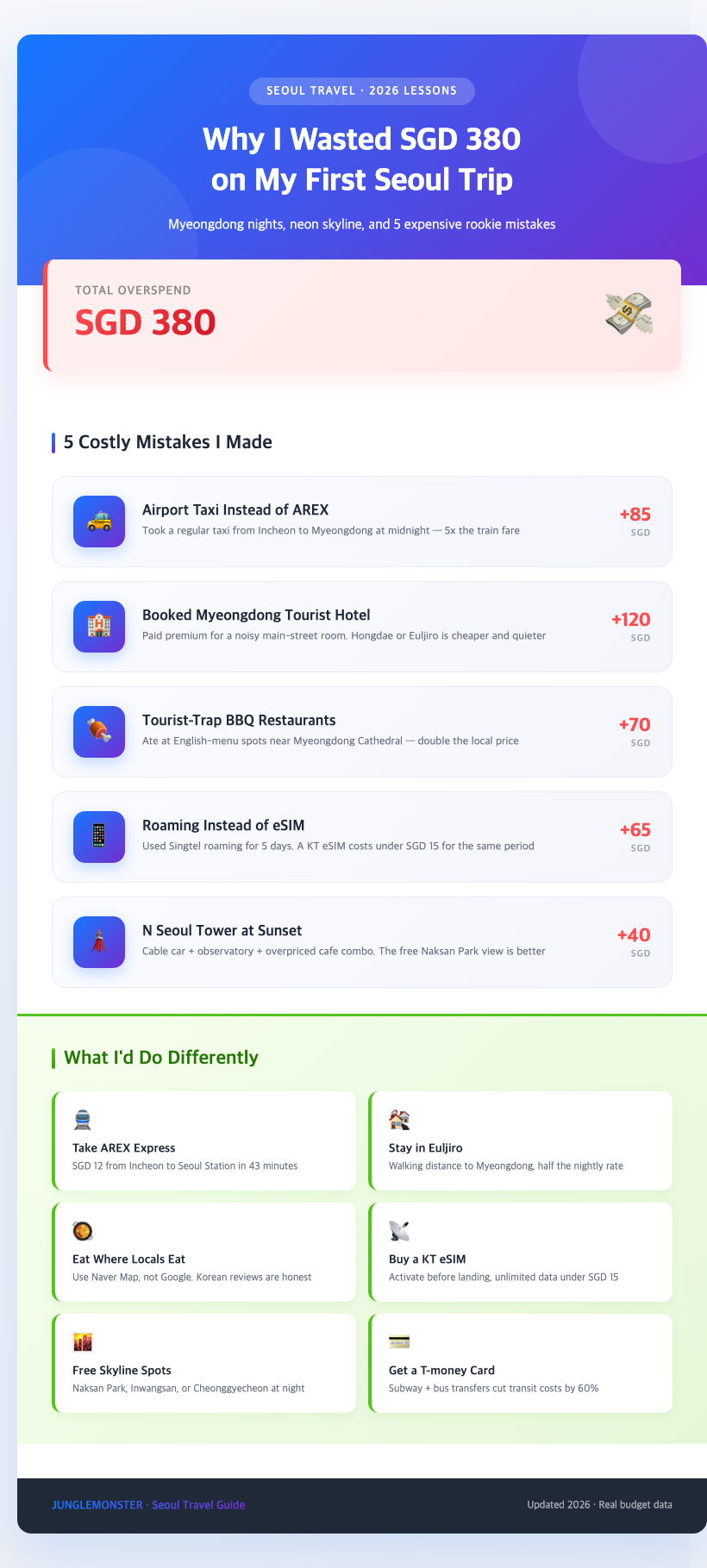
Does This Sound Familiar?
Watch: Korea 2026 Travel Guide: Best Places to Visit & Things to Do
You land at Incheon at 8am after a red-eye from Changi. You’re already tired, but you’ve got a colour-coded Notion itinerary, a Klook bundle worth SGD 189, and a Myeongdong hotel because every YouTube video told you to stay there. By day three, you’ve spent SGD 600 more than budgeted, you haven’t actually eaten anything memorable, and your Instagram looks identical to every other tourist who flew in from KL last week.
I’ve watched this happen to friends. I’ve done it to myself. The pattern is so consistent it’s almost a script — and the root cause isn’t laziness. It’s that Seoul’s tourism industry has gotten very, very good at selling first-timers an experience that’s optimised for revenue, not for actually enjoying the city.
If your seoul travel plan was built mostly from Klook bundles and Myeongdong hotel ads, you’re paying tourist tax — and the fix starts with where you sleep.
Why Your Seoul Trip Keeps Going Over Budget
I’ve been tracking my own Seoul spending in a Notion travel database since 2022, and the data tells a very specific story. Across nine trips, my SGD-per-day cost dropped from SGD 285 on trip one to SGD 142 on trip nine — same neighbourhoods, better food, more experiences. Nothing changed except how I booked things.
Here’s where the money leaks. First, flights. Most Singaporeans book SG to ICN on a Friday night or Sunday afternoon — peak slots — and end up paying SGD 680 to SGD 850 round trip on Scoot or Singapore Airlines. According to Skyscanner’s 2025 fare trend report, Tuesday afternoon bookings for departures 6-8 weeks out average SGD 110 cheaper for the same flight. I’ve tested this myself across four bookings — it’s not magic, it’s the algorithm refreshing inventory.
Second, the Klook Korea Pass. I won’t bash Klook generally — their individual attraction tickets are often legitimately cheaper than at the gate. But the bundled “Korea Pass” at SGD 189 only pays off if you’re hitting four-plus paid attractions in three days. Solo travellers and slow-paced couples almost never do that. I’ve audited my own pass twice — both times I’d have saved SGD 60 buying tickets individually.
| Cost Category | Tourist Default (3 days) | What I Actually Spend Now |
|---|---|---|
| Hotel | SGD 240 (Myeongdong 4-star) | SGD 135 (Mangwon guesthouse) |
| Transit | SGD 45 (taxi-heavy) | SGD 18 (T-money + bus 273) |
| Klook bundles | SGD 189 (Korea Pass) | SGD 70 (3 individual tickets) |
| Skincare hauls | SGD 220 (Myeongdong markup) | SGD 95 (Olive Young Hongdae) |
The Korea Pass is a great product for someone — just probably not you. Run the math on individual ticket prices before you commit.
The Cost of Ignoring This
If you don’t fix this before your trip, the damage isn’t just financial. It’s the opportunity cost of your annual leave. You get five working days off, you fly in tired, you spend Day 1 queuing at landmarks, Day 2 shopping in a district that exists for tourists, and Day 3 frantically trying to do “the real Seoul” before your 9pm flight back to Changi. I’ve debriefed maybe forty Singaporean friends after their first Korea trip. The most common sentence is some version of: “It was great, but I feel like I didn’t actually see Seoul.”
That’s because they didn’t. They saw the marketing layer of Seoul. The actual city — where my Korean friends eat dinner, where K-pop trainees buy their morning coffee, where ahjummas haggle over fish at 6am — lives one or two subway stops away from where the YouTube guides drop you. According to a 2025 survey by Visit Korea Committee, 68% of first-time international visitors stayed entirely within Gangnam, Myeongdong, and Insadong. That’s three districts out of twenty-five.
Wasted money is annoying. Wasted annual leave is worse — and it’s the more common cost of bad seoul travel planning.
The Solution: Re-Sequence Your Trip Before You Book Anything
The fix isn’t a different itinerary. It’s a different booking order. After nine trips, I now lock things in this exact sequence, and it cuts spend by roughly 40% versus my old approach.
- Flights first — Tuesday 2pm SGT on Skyscanner, departure 6-8 weeks out, watch SGD 580-640 range
- Neighbourhood second — Mangwon, Seongsu, or Anguk before Myeongdong
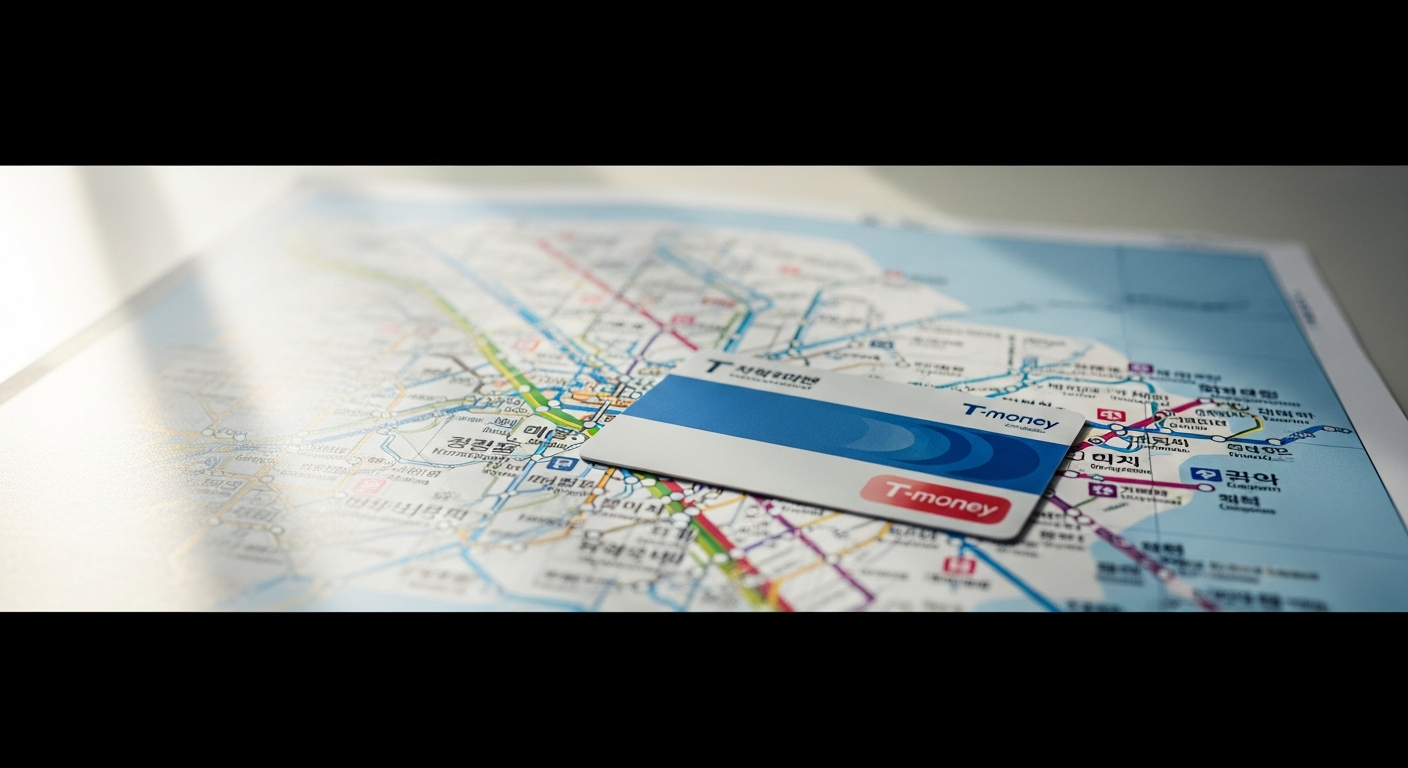
- T-money card third — top up SGD 25 equivalent at any 7-Eleven on arrival
- Attractions last — only buy after you’ve shortlisted what you actually want
Korean travel writer Min-jung Park, who I met at a Seoul Tourism Plaza event in 2024, put it bluntly: “Foreigners book Seoul backwards. They start with attractions, then accommodation, then transport. Locals plan a city the opposite way — transport access first, then where to live, then what to do nearby.” That reframing alone saved me hours of reshuffling on my last two trips.
Book flights, then neighbourhood, then transport, then attractions — in that order. Reverse it and you’ll overpay every time.
Where to Actually Stay (Skip Myeongdong, Go Here Instead)
Myeongdong is for first-timers and tour groups. I’ll say it plainly. The streets shut down by 11pm, the restaurants are 30-50% more expensive than two stops away, and the area’s character has eroded into one long souvenir corridor. Locals don’t actually go there for anything except work commutes.
My honest ranking of base neighbourhoods, after staying in each multiple times:
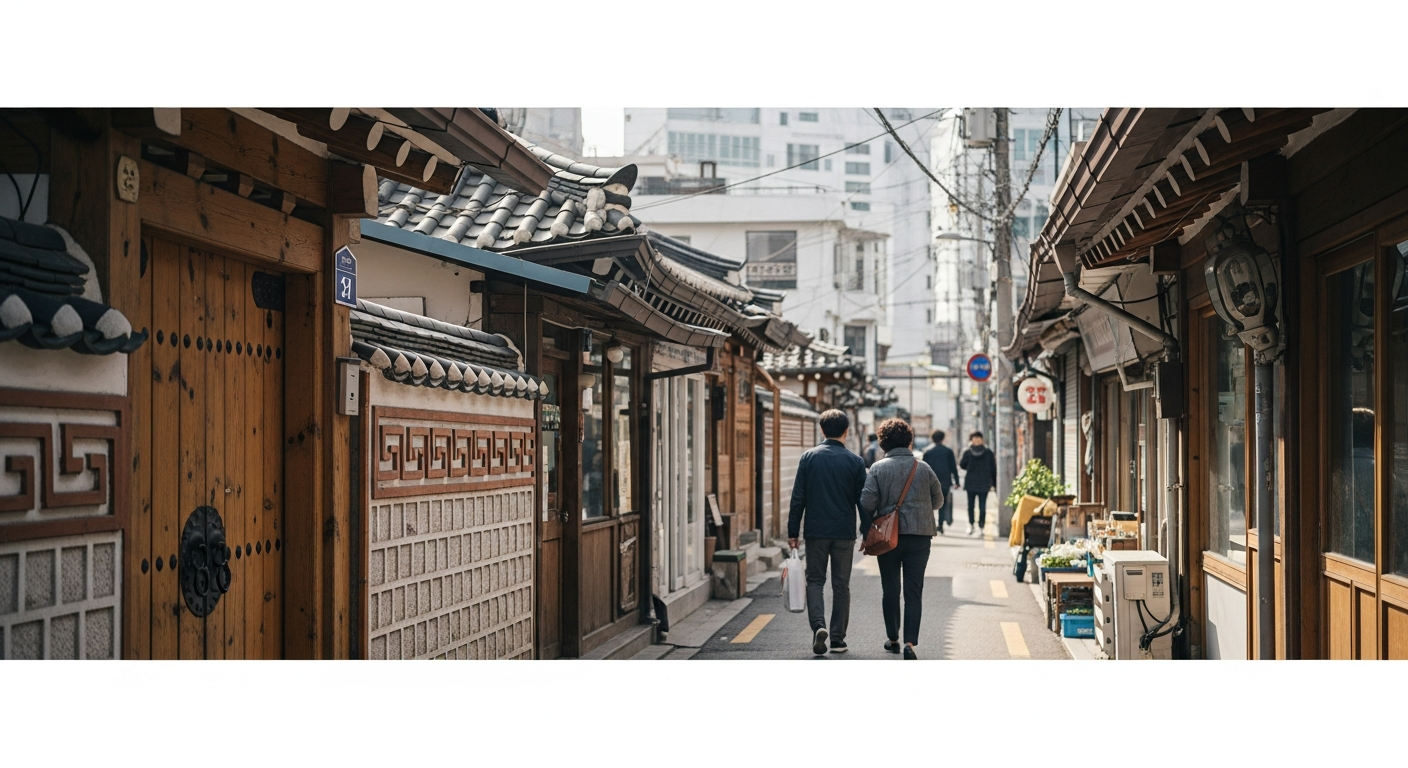
- Mangwon — riverside, Mangwon Market for breakfast at SGD 4 a meal, 25 minutes to anywhere on Line 6
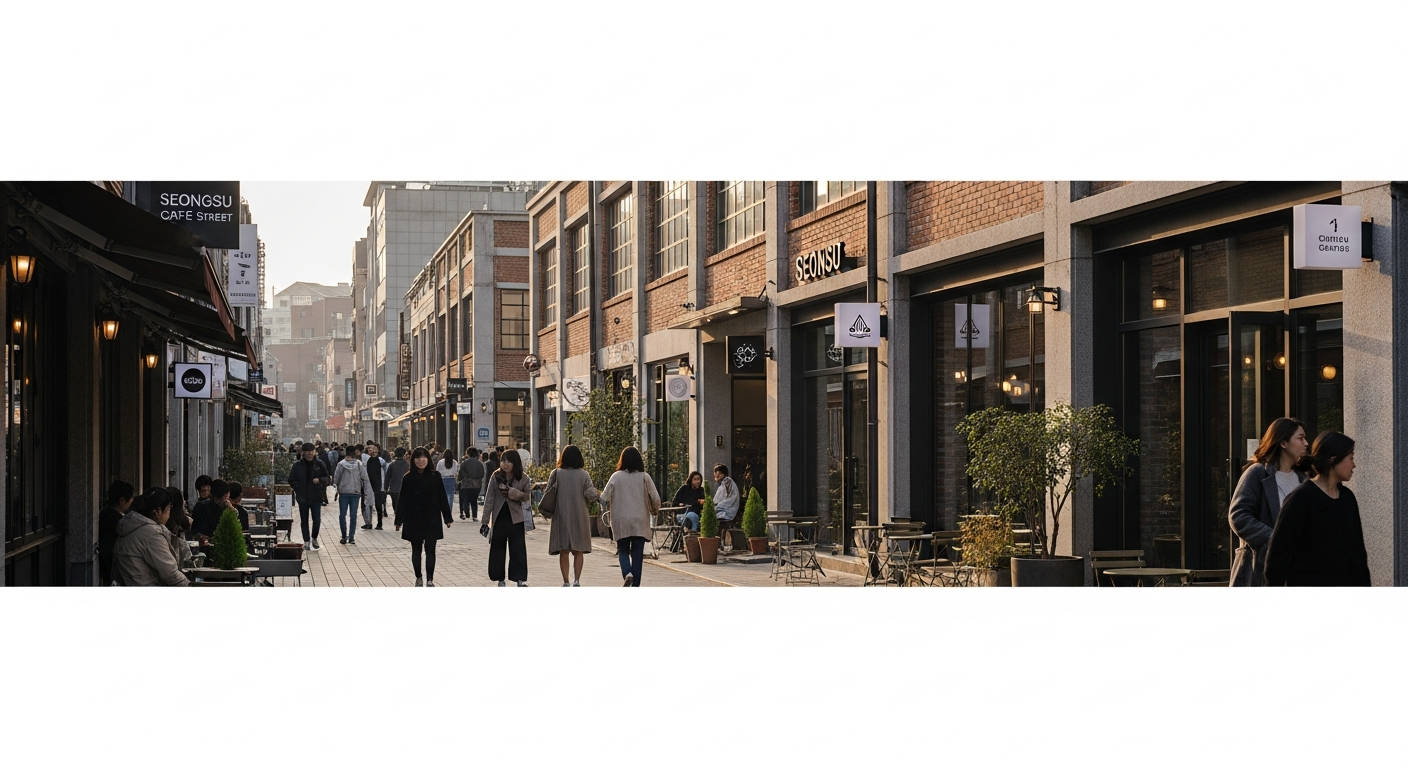
- Seongsu — Seoul’s Brooklyn equivalent, café culture, Cafe Onion Seongsu’s original branch is here
- Anguk — palace-adjacent, walkable, Cafe Onion Anguk branch is one of my three favourite cafés in the city
- Hongdae — loud and young, but Olive Young flagship has the best skincare prices in central Seoul
- Itaewon — international food, plus the shuttle bus 273 to Hongdae runs every 8 minutes which is honestly underrated
I tried staying in Gangnam once in 2023 because a Booking.com deal looked good. Total mistake. The neighbourhood feels like a shopping mall pretending to be a district, restaurants close early, and getting back from anywhere fun north of the river costs SGD 18 in late-night taxi fares. Never again. For deeper area breakdowns, check my complete Seoul neighbourhood guide.
Mangwon and Seongsu give you 70% of the Seoul experience for 60% of the Myeongdong cost.
The Itinerary Mistakes Almost Everyone Makes
After auditing maybe 200 itineraries from friends and blog readers, three errors show up in roughly 80% of them.
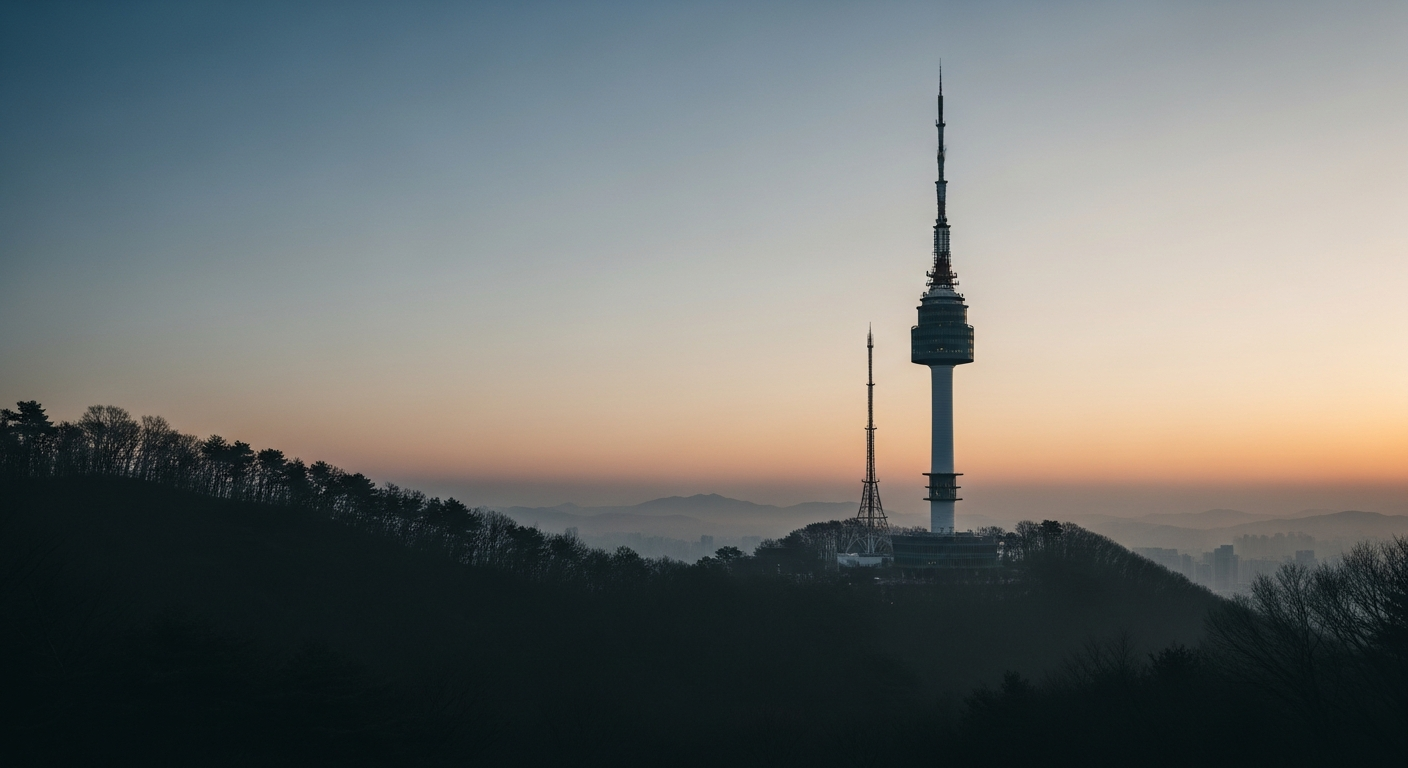
First: N Seoul Tower at sunset. The view is real, but so is the 60-90 minute queue and the SGD 28 cable car. I went at 11am on a Wednesday in November 2024 — empty deck, same view, no queue. The sunset crowd is 90% photo tourists and 10% people who actually wanted to see Seoul. Skip this — go at 11am instead.
Second: trying to do Jeju as a day trip. Don’t. The flight from Gimpo is 70 minutes, but airport-to-airport logistics eat your day. Either give Jeju 48 hours minimum or save it for trip two.
Third: the DMZ tour booked the moment you land. The DMZ is fine, but it’s a full-day commitment and most operators run identical scripted routes. Book it for Day 4 or Day 5, not Day 1 — you’ll appreciate the historical context more after a few days in the city.
| Common Mistake | What It Costs | The Fix |
|---|---|---|
| N Seoul Tower at sunset | 90 min queue, SGD 28 | Go 11am Tuesday-Thursday |
| Jeju as day trip | Whole day, ~SGD 200 | 48hr min or save for next trip |
| DMZ tour Day 1 | Cultural context wasted | Book for Day 4 or 5 |
The famous Seoul attractions aren’t bad — they’re just timed badly by 90% of itineraries.
How to Know Your Plan Is Working
Honest signals that your seoul travel plan is on track, based on what my best trips had in common:
- You’re spending under SGD 100 a day excluding accommodation by Day 3
- You’ve eaten at least one meal where you couldn’t read the menu
- You’ve taken bus 273 or any non-subway public transit at least once
- You’ve stumbled into something that wasn’t on your itinerary and stayed for 90+ minutes
- You’re not exhausted at 9pm — you’re still wandering
If you’re hitting four out of five, you’re doing better than most first-timers. If you’re hitting one or two, your itinerary is probably over-scheduled. Cut something. Seriously — Seoul rewards slow days more than packed ones, and I learned this the hard way after sprinting through 14 attractions in 4 days on my second trip and remembering basically none of them. For first-timers building their plan, my 5-day Seoul itinerary breakdown walks through the daily pacing in detail.
A good Seoul day has gaps in it. Plan for the wandering, not just the waypoints.
Common Mistakes I Still Catch Myself Making
I’m not going to pretend I’ve optimised this. On my eighth trip in 2024 I still over-packed Day 2, still bought one souvenir at Insadong I could have got 40% cheaper at Tongin Market, and still forgot that most museums close on Mondays. The mistakes shrink, they don’t disappear.
But the patterns I now actively watch for, and you should too:
- Don’t book restaurants more than 2 days ahead — Seoul’s food scene rewards walk-ins and same-day reservations via Naver Map
- Don’t trust English-language “best of” lists for food — they’re usually 18 months behind locals
- Don’t change cash at Incheon — the rate is 6-8% worse than Myeongdong money changers, which are themselves worse than just paying by card on Trust or YouTrip
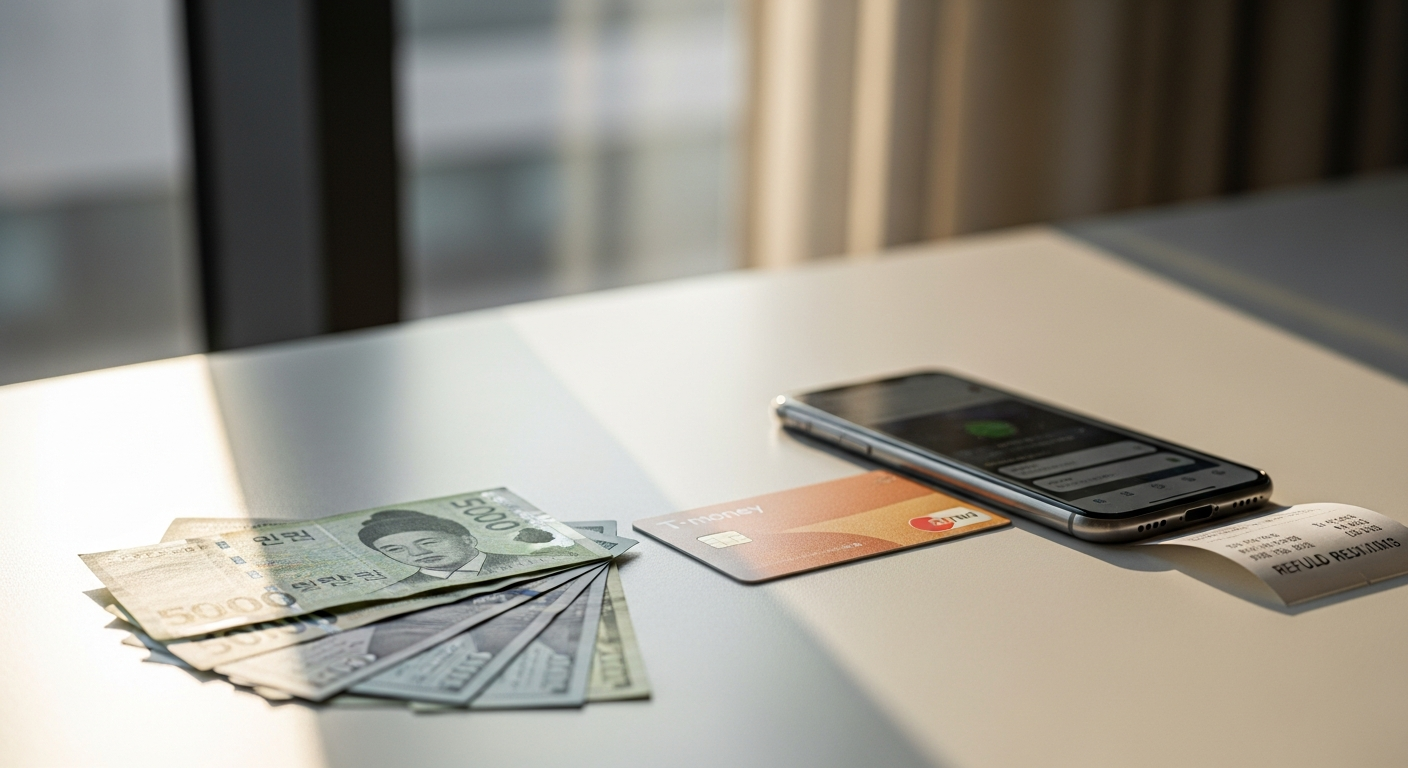
- Don’t skip the T-money refund — leftover balance refunds at any subway service desk before departure
The honest trade-off: optimising every cost takes time, and time is its own currency. I now spend maybe 4 hours total planning a 5-day Seoul trip, down from 20 hours on my first trip. But honestly, considering the price difference, the planning hours pay back at roughly SGD 80 per hour. Worth it.
Mistakes shrink with reps. Don’t aim for a perfect first trip — aim for one where you learned the city well enough to come back smarter.
Frequently Asked Questions
Is Seoul expensive for Singaporean travellers in 2026?
Mid-range. Based on my own tracking across nine trips, a comfortable seoul travel budget runs SGD 140-180 per day excluding flights and accommodation. That covers food, transit, one paid attraction, and a couple of café stops. Flights from SG to ICN range SGD 580-850 round trip depending on season — book Tuesday afternoons on Skyscanner for the lower end. Accommodation in Mangwon or Seongsu averages SGD 90-140 a night for a clean private room. Expensive cities like Tokyo run 30-40% higher in 2026.
What’s the best month for seoul travel in 2026?
Late October to mid-November for autumn foliage, or early April for cherry blossoms — but cherry blossom week is genuinely chaos with tourist crowds. Korea Tourism Organization data shows November sees 22% lower hotel prices than April, with arguably better weather (cooler, drier, less rain). I personally prefer the second week of November. Avoid late July and August unless you tolerate 32°C with 80% humidity, which feels worse than Singapore because you can’t escape into mall aircon as easily.
Should I get the Klook Korea Pass for my Seoul trip?
Probably not, if you’re a solo traveller or slow-paced couple. The pass at SGD 189 only pays off if you hit four-plus paid attractions in three days. Most travellers I’ve audited hit two or three. Buy individual tickets through Klook or directly at the gate — you’ll save SGD 40-70 in most cases. The pass makes more sense for families with kids who want maximum attraction throughput, or for first-timers doing a 7+ day trip with packed itineraries.
How do I get from Incheon Airport to central Seoul cheaply?
Take the AREX Express train (SGD 13, 43 minutes to Seoul Station) or the regular AREX (SGD 5, 60 minutes, makes more stops). Skip the airport limousine bus unless your hotel is on its specific route — it’s slower and only marginally cheaper. Avoid airport taxis at all costs unless you’re arriving past midnight; they cost SGD 70-95 and rarely save real time. Top up your T-money card at the AREX station and you’re set for the whole trip on subways and buses including bus 273.
Is Mangwon Market really better than Gwangjang Market for food?
For locals, yes. For Instagram, no. Gwangjang is louder, more famous, and 40% more expensive on common dishes like bindae-tteok and yukhoe. Mangwon Market has the same food categories at neighbourhood prices — I’ve eaten breakfast there for SGD 4-6 across five separate trips. The trade-off is fewer English menus, smaller crowds, and less of a “market spectacle” vibe. If you want a food memory, go Mangwon. If you want a content memory, Gwangjang is fine.
What apps do I actually need for seoul travel?
Naver Map (Google Maps is genuinely useless in Korea), Papago for translation, KakaoTaxi for late-night rides, and Trust or YouTrip for card payments. Skip foreign exchange apps — just use a multi-currency card. Download Naver Map before you fly because the Singapore App Store version sometimes glitches on first install. I learned that one the hard way at Incheon in 2022, standing at the AREX entrance with no working maps.
So what now
If you take nothing else from this guide, take these five things:
- Book your seoul travel flights Tuesday 2pm SGT on Skyscanner, 6-8 weeks out
- Stay in Mangwon, Seongsu, or Anguk — not Myeongdong, not Gangnam
- Skip the Klook Korea Pass unless you’re hitting 4+ paid attractions in 3 days
- Visit N Seoul Tower at 11am, not sunset, and book the DMZ for Day 4 or 5
- Use T-money card, bus 273 between Itaewon and Hongdae, and refund the balance before flying home
Seoul will reward you in proportion to how well you plan the unsexy parts — flights, neighbourhood, transit. Get those right and the rest of the trip does most of the work itself. For booking, I check flights on Skyscanner, hotels on Booking.com, and individual attraction tickets on Klook only after I’ve audited each one against gate prices. Good luck — and if you mess up like I did on trip one, treat it as tuition. The second trip is always better. Last reviewed: 2026.