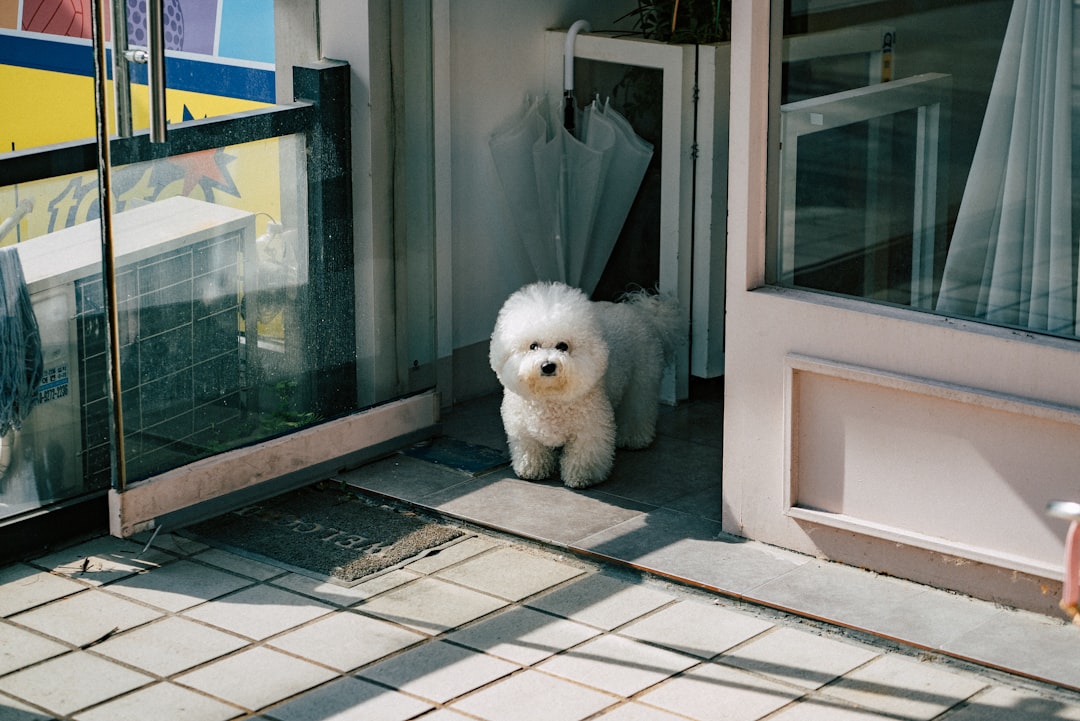
Why Korean Dog Breeds Are Taking the World by Storm in 2026
If you’ve ever scrolled through Korean social media, you’ve probably noticed something adorable: tiny, fluffy dogs dressed in matching outfits, riding in strollers through the streets of Seoul, or lounging in one of the city’s famous pet cafés. South Korea’s pet culture has exploded over the past decade, and the most popular dog breeds in Korea 2026 reflect a fascinating blend of tradition, lifestyle, and pure cuteness.
Here’s a surprising fact: South Korea’s pet industry is now worth over $6.8 billion USD, and the country has more registered companion animals than children under 10. With apartment living dominating urban areas like Seoul, Busan, and Incheon, Koreans have developed very specific preferences when it comes to their four-legged family members.
Whether you’re considering adopting a breed that’s beloved in Korea, planning a trip and want to visit 7 Best Pet Friendly Cafes in Seoul Korea (2026 Guide)“>pet-friendly cafés in Seoul, or simply curious about global dog trends, this guide covers everything you need to know. We’ll break down the top breeds, explain why they’re so popular, and give you practical care tips for each one.
The Top 10 Most Popular Dog Breeds in Korea 2026

Korean pet owners tend to favor small to medium-sized breeds that adapt well to apartment living. Here’s the definitive ranking based on Korean Kennel Club registration data, veterinary surveys, and social media popularity metrics for 2026.
1. Maltese — Korea’s Undisputed #1
The Maltese has held the top spot among the most popular dog breeds in Korea 2026 for over a decade, and it’s not hard to see why. These tiny white fluffballs weigh between 4–7 pounds, making them perfect for Seoul’s compact apartments. They’re hypoallergenic, minimal shedders, and incredibly affectionate.
In Korea, you’ll see Maltese dogs everywhere — in pet strollers at Myeongdong, sitting in café laps in Gangnam, and starring in countless Instagram reels. Korean pet owners love dressing them in seasonal outfits, and the breed’s white coat makes them a perfect canvas for creative grooming styles.
Care tip: Maltese dogs are prone to tear staining. Use a gentle, pH-balanced eye wipe daily. Products like the Burt’s Bees Tear Stain Remover (available on Chewy for around $8) work well. Regular dental care is also critical — Korean pet parents swear by enzymatic dental chews.
2. Poodle (Toy & Miniature)
The Toy Poodle and Miniature Poodle are the second most popular breeds in Korea. Their intelligence, trainability, and hypoallergenic coats make them ideal companions for first-time dog owners. In Korea, the “teddy bear cut” grooming style for Poodles is so popular that it’s become a cultural export.
Korean pet grooming salons — called 애견미용실 (ae-gyeon-mi-yong-sil) — have turned Poodle grooming into an art form. You’ll find Poodles with perfectly rounded faces, dyed ears, and even elaborate seasonal styles. Professional grooming sessions in Seoul typically cost 50,000–80,000 KRW ($35–$55 USD).
Care tip: Poodles need professional grooming every 4–6 weeks. Between visits, brush daily with a slicker brush to prevent matting. The Chris Christensen Big G Slicker Brush (around $30 on Amazon) is a favorite among professional groomers worldwide.
3. Pomeranian
Thanks to K-Pop idols like BTS’s V (Kim Taehyung) and his famous Pomeranian Yeontan, this breed has seen a massive popularity surge. Pomeranians are bold, energetic, and surprisingly vocal for their tiny 3–7 pound frames. They’re the third most popular among the most popular dog breeds in Korea 2026.
Korean Pomeranian owners often opt for the “Boo cut” — a rounded, teddy-bear style that makes them look like walking stuffed animals. The breed’s thick double coat requires regular maintenance, but Korean pet owners consider grooming a bonding activity rather than a chore.
Care tip: Pomeranians are prone to luxating patella (kneecap displacement), which is common in small breeds. Joint supplements containing glucosamine and chondroitin can help. The Nutramax Cosequin Maximum Strength (available at PetSmart, around $25 for 60 chews) is veterinarian-recommended.
4. Bichon Frise
The Bichon Frise has climbed the ranks steadily in Korea, now sitting firmly at number four. Their cheerful disposition, round fluffy appearance, and minimal shedding make them apartment-friendly favorites. Korean pet culture prizes the “cotton ball” look, and Bichons deliver it naturally.
Care tip: Bichons are susceptible to skin allergies. Korean vets recommend a limited-ingredient diet with novel proteins. Try Blue Buffalo Basics (Chewy, around $55 for a 24-lb bag) if your Bichon shows signs of food sensitivity.
5. Shih Tzu
Shih Tzus have a long history in Korean households, especially among older pet owners. Their calm temperament and relatively low exercise needs make them ideal for less active lifestyles. In Korea, the Shih Tzu is often called a “living room dog” because they’re perfectly content lounging indoors all day.
Care tip: Their flat faces make them sensitive to heat. In Korea’s humid summers (July–August can hit 95°F), owners use cooling mats and avoid midday walks. The The Green Pet Shop Self-Cooling Mat (Amazon, around $20) is a popular choice.
6–10: Rising Stars
| Rank | Breed | Weight | Why Popular in Korea |
|---|---|---|---|
| 6 | Yorkshire Terrier | 4–7 lbs | Compact size, silky coat, low shedding |
| 7 | Cocker Spaniel | 20–30 lbs | Gentle with kids, growing family-dog trend |
| 8 | Welsh Corgi | 25–30 lbs | Internet fame, playful personality |
| 9 | Golden Retriever | 55–75 lbs | Suburban growth, therapy dog programs |
| 10 | Jindo (진돗개) | 35–50 lbs | National treasure, loyal and independent |
The Welsh Corgi deserves special mention — it’s become a viral sensation in Korea thanks to dedicated Corgi cafés and social media accounts with millions of followers. And the Jindo, Korea’s national dog breed, holds a unique cultural significance as a Natural Treasure (천연기념물 제53호).
Korean Dog Culture: What Makes It Unique
Understanding the most popular dog breeds in Korea 2026 requires understanding Korean pet culture itself. It’s unlike anything you’ll find in the US or Europe, and it’s evolving rapidly.
The “Pet Humanization” Phenomenon
In Korea, pets aren’t just animals — they’re 반려동물 (ban-ryeo-dong-mul), which translates to “companion animals.” This term replaced the older word 애완동물 (pet animal) in official government language in 2020, reflecting a cultural shift toward treating pets as family members.
This means Korean dog owners routinely:
- Cook homemade meals using human-grade ingredients (sweet potato, chicken breast, brown rice)
- Purchase health insurance for their dogs (average 30,000–50,000 KRW/month, about $22–$36 USD)
- Celebrate birthdays with custom dog cakes from dedicated pet bakeries
- Use pet strollers — you’ll see more dog strollers than baby strollers in some Seoul neighborhoods
- Dress dogs in coordinated outfits matching the owner’s style (see our guide to Korean Couple Matching Outfits Guide: 7 Cute Styles for 2026“>Korean matching outfit trends)
Pet Cafés: A Korean Innovation
Korea pioneered the pet café concept, and Seoul alone has over 300 dog cafés where visitors can play with specific breeds. This is actually how many Koreans discover and fall in love with breeds before adopting. Breed-specific cafés (Corgi cafés, Shiba Inu cafés, Pomeranian cafés) have become tourist attractions in their own right.
If you’re visiting Korea, these cafés are a must. Check out our complete guide to the 7 Best Pet Friendly Cafes in Seoul Korea (2026 Guide)“>best pet-friendly cafés in Seoul for recommendations, including addresses and pricing.
Apartment Living Shapes Breed Preferences
Over 60% of South Koreans live in apartments, and many apartment complexes have strict noise and size regulations for pets. This is the primary reason small breeds dominate the most popular dog breeds in Korea 2026. Dogs over 10kg (22 lbs) often face restrictions in elevators and common areas.
However, there’s a growing counter-trend. As more Koreans move to suburban areas and “pet-friendly” apartment complexes emerge, larger breeds like Golden Retrievers and Samoyeds are gaining popularity. The Korean government’s 2025 Animal Welfare Act amendments also improved protections and encouraged responsible large-breed ownership.
Korea’s Native Dog Breeds You Should Know About

While imported small breeds dominate apartment living, Korea has its own incredible native breeds that deserve recognition. If you’re a dog enthusiast, these are breeds you won’t find on typical “popular breeds” lists in the US.
The Korean Jindo (진돗개)
The Jindo is Korea’s most famous native breed, originating from Jindo Island in the southwestern province of South Jeolla. Designated as National Treasure No. 53, the Jindo is known for its fierce loyalty, intelligence, and independence. The most famous Jindo story involves a dog named Baekgu who traveled over 180 miles to return to her original owner — a tale that became a beloved children’s book and movie in Korea.
Jindos weigh 35–50 pounds and have a strong prey drive. They’re not ideal for first-time owners or apartment living, but they’re magnificent dogs for experienced handlers with space. In the US, the Jindo is recognized by the UKC but not yet the AKC.
Care tip: Jindos have a thick double coat that “blows” twice a year. During shedding season, use a de-shedding tool like the FURminator (PetSmart, around $30) and brush every other day. They also need significant mental stimulation — puzzle feeders like the Outward Hound Nina Ottosson puzzle (Amazon, $15–$25) help prevent destructive behavior.
The Sapsali (삽살개)
The Sapsali (sometimes spelled Sapsaree) is a medium-sized, long-haired breed believed to ward off evil spirits in Korean folklore. They nearly went extinct during the Japanese colonial period but were revived through careful breeding programs in the 1980s. Today, they’re designated as Natural Monument No. 368.
Sapsalis have a gentle, loyal temperament and weigh 35–60 pounds. Their long, shaggy coat requires regular grooming but gives them a charmingly scruffy appearance. They’re increasingly popular as therapy dogs in Korean hospitals and nursing homes.
The Donggyeongi (동경이) — Korean Short-Tailed Dog
The Donggyeongi is a rare breed distinguished by its naturally short or absent tail. Historically associated with the Gyeongju region (the ancient capital of the Silla Kingdom), this breed was nearly lost but is now protected as Natural Monument No. 540. With only a few hundred purebred Donggyeongi remaining, they’re one of the rarest dog breeds in the world.
How Korean Dog Trends Compare to the US
If you’re a dog owner in America, you might be curious how the most popular dog breeds in Korea 2026 stack up against US preferences. The differences are striking and largely driven by lifestyle factors.
| Factor | Korea | United States |
|---|---|---|
| #1 Breed | Maltese | French Bulldog |
| Average Size Preference | Under 15 lbs | 30–70 lbs |
| Primary Living | High-rise apartments | Houses with yards |
| Grooming Frequency | Every 3–4 weeks | Every 6–8 weeks |
| Pet Fashion | Essential, seasonal | Optional, event-based |
| Vet Visit Frequency | 4–6x per year | 1–2x per year |
In the US, the French Bulldog recently dethroned the Labrador Retriever after 31 years at the top. The Golden Retriever, German Shepherd, and Poodle round out the American top five. These are all significantly larger than Korea’s preferred breeds.
The crossover breed is the Poodle — popular in both countries but for slightly different reasons. Americans favor Standard Poodles for their athleticism, while Koreans overwhelmingly prefer the Toy and Miniature varieties for their compact size and grooming versatility.
One interesting convergence: the Doodle craze (Goldendoodle, Labradoodle, Bernedoodle) that swept the US has also reached Korea, where “Maltipoos” (Maltese + Poodle mixes) and “Pomapoos” (Pomeranian + Poodle) are increasingly trendy.
Essential Care Tips for Korean-Popular Breeds

Most of the most popular dog breeds in Korea 2026 share common care needs due to their small size and indoor lifestyles. Here’s what every owner should know.
Dental Care Is Non-Negotiable
Small breeds are disproportionately prone to dental disease. By age 3, an estimated 80% of small dogs show signs of periodontal disease. Korean veterinarians emphasize daily dental care more than their American counterparts, and it shows — Korean pet stores devote entire aisles to dental products.
Here’s a practical dental care routine:
- Daily brushing with an enzymatic toothpaste (never human toothpaste). Try Virbac C.E.T. Enzymatic Toothpaste (Chewy, around $12) — it comes in poultry flavor that dogs love.
- Dental chews 3–4 times per week. Greenies Petite (PetSmart, around $20 for 30 count) are sized perfectly for small breeds.
- Annual professional cleaning at your vet, which typically costs $300–$600 USD in the US.
- Water additives like Oxyfresh Pet Water Additive (Amazon, around $18) for daily bacterial control.
Nutrition for Small Breeds
Small dogs have faster metabolisms and need calorie-dense, nutrient-rich food. Korean pet nutrition trends have shifted heavily toward fresh, human-grade food, and this trend is growing in the US too.
Recommended food options:
- Premium kibble: Royal Canin X-Small Adult (Chewy, ~$30 for 14 lbs) — formulated specifically for dogs under 8 lbs
- Fresh food: The Farmer’s Dog or Ollie — subscription services starting around $2–$4/day for small breeds
- Toppers: Stella & Chewy’s Freeze-Dried Raw Meal Mixers (PetSmart, ~$15) — add to kibble for a nutrition boost
Pro tip from Korean vets: Add a small amount of steamed sweet potato or pumpkin (1–2 tablespoons) to your dog’s meal for fiber and digestive health. This is a standard recommendation in Korean veterinary clinics and works wonderfully for small breeds prone to sensitive stomachs.
Grooming and Skin Care
Korean dog grooming is an industry unto itself. The level of care Korean pet parents put into coat maintenance is remarkable, and their approach offers lessons for dog owners worldwide.
Essential grooming supplies:
- Slicker brush: Use daily on Maltese, Poodles, and Bichons to prevent mats
- Detangling spray: TropiClean Tangle Remover (Amazon, ~$10) makes brushing painless
- Gentle shampoo: Korean pet parents favor hypoallergenic, plant-based formulas. Burt’s Bees for Dogs Oatmeal Shampoo (Chewy, ~$10) is a great US equivalent
- Paw balm: Musher’s Secret (Amazon, ~$15) — essential for hot pavement in summer and icy sidewalks in winter
Korean grooming salons also popularize “spa packages” that include ear cleaning, nail trimming, anal gland expression, and a blueberry facial (yes, really — blueberry extract is used as a gentle tear stain remover). You can DIY this routine at home with products from Chewy or Amazon for a fraction of the salon cost.
Where to Adopt Korean Breeds in the US
If you’ve fallen in love with any of the most popular dog breeds in Korea 2026 and want to bring one home, here are your best options in the United States.
Breed-Specific Rescues
Adoption is always the first recommendation. Many breeds popular in Korea are also commonly found in US shelters and rescues:
- American Maltese Rescue — operates nationwide with foster networks in most states
- Carolina Poodle Rescue — one of the largest Poodle rescues in the country
- Bichon Frise Rescue of Northern New Jersey — serves the entire East Coast
- International Jindo Rescue — specifically rescues Jindos from Korea and places them in American homes
For Jindos specifically, several organizations rescue dogs directly from South Korea. These dogs are often well-socialized and have been temperament-tested before international adoption. Expect the process to take 2–4 months and cost $400–$800 including transport.
Reputable Breeders
If you go the breeder route, the AKC Marketplace is a good starting point. Always verify:
- Health testing (OFA or PennHIP for joints, CERF for eyes)
- Clean facility with socialization practices
- A contract that includes a health guarantee
- Willingness to take the dog back at any point in its life
Expect to pay $1,500–$3,500 USD for a well-bred Maltese, Poodle, or Pomeranian from a reputable US breeder. In Korea, the same breeds from registered breeders cost 1,000,000–3,000,000 KRW ($700–$2,100 USD).
The K-Pop Connection: Celebrity Dogs That Drive Trends

You can’t discuss the most popular dog breeds in Korea 2026 without mentioning the K-Pop effect. Celebrity pets in Korea drive breed popularity the same way celebrity fashion drives clothing trends. If you follow K-Pop Groups on Billboard Hot 100 in 2026: Complete List“>K-Pop groups on the Billboard charts, you’ve likely seen their pets on social media too.
Famous K-Pop Dogs
Here are the most influential celebrity dogs shaping Korean breed trends:
- Yeontan (BTS V) — Pomeranian. Possibly the most famous dog in K-Pop history, with dedicated fan accounts exceeding 2 million followers.
- Bomi & Rapmon (BTS RM) — American Eskimo Dogs. RM’s dogs helped popularize this fluffy white breed in Korea.
- Kkami (ATEEZ San) — Shih Tzu. Kkami’s appearances on variety shows boosted Shih Tzu interest among younger Koreans.
- Louis (BLACKPINK Jisoo) — Dachshund. An unusual choice for Korea, which helped diversify breed interest.
- Kkoma (IU) — Maltese. The “Nation’s Little Sister” and her Maltese reinforced the breed’s #1 status.
The celebrity effect is so strong that Korean animal welfare organizations have had to issue public statements warning fans not to impulse-buy breeds just because their favorite idol owns one. Responsible ownership means researching the breed’s needs, not just its Instagram appeal.
Bringing Korean Pet Care Trends to Your Home
Korean pet culture has produced some genuinely innovative products and practices. Here are trends you can adopt right now, regardless of where you live.
Pet Fashion and Accessories
Korean pet fashion isn’t just cute — it’s functional. Many Korean dog clothes are designed with UV protection for summer, waterproof layers for rainy season (장마, jangma), and thermal insulation for winter. If you’re into Korean fashion trends (check out our guide to Korean Minimalist Fashion Essentials for Beginners 2026“>Korean minimalist fashion essentials), you’ll appreciate the same design sensibility applied to pet wear.
Popular Korean pet fashion brands now shipping internationally include Puppia, Louisdog, and Mandarine Brothers. You can find many of these on Amazon or through specialty retailers.
Smart Pet Technology
Korea is a tech powerhouse, and that extends to pet care. Korean pet tech products worth considering:
- Automatic pet cameras with treat dispensers — Furbo Dog Camera (Amazon, ~$40–$60) lets you monitor and interact with your dog remotely
- Smart feeders — PetLibro Automatic Feeder (Amazon, ~$60) ensures consistent meal times even when you’re at work
- GPS collars — Fi Smart Dog Collar (starting at $99 + subscription) tracks your dog’s location and activity
- Air purifiers for pet homes — Korean homes commonly run HEPA air purifiers to manage pet dander and odor
Korean-Inspired Pet Treats and Food
Korean pet treat culture emphasizes natural, single-ingredient treats. You can easily recreate these at home:
- Dehydrated sweet potato slices — slice thin, bake at 250°F for 3 hours
- Freeze-dried chicken breast — available at PetSmart (PureBites, ~$12)
- Steamed broccoli florets — a common Korean vet-recommended treat
- Frozen watermelon cubes — perfect summer treat (remove seeds)
Korean food culture and pet food culture are deeply intertwined. Just as Korean cuisine emphasizes balance and natural ingredients (discover more about 7 Traditional Korean Desserts to Try in 2026“>traditional Korean food culture), Korean pet nutrition prioritizes whole, minimally processed ingredients.
Frequently Asked Questions About Popular Dog Breeds in Korea
What is the #1 most popular dog breed in Korea in 2026?
The Maltese remains the most popular dog breed in Korea in 2026, a position it has held for over a decade. Their small size (4–7 lbs), hypoallergenic white coat, and affectionate personality make them perfectly suited for Korean apartment living. The Toy Poodle and Pomeranian round out the top three.
Are Korean dog breeds good for first-time owners?
It depends on the breed. The most popular breeds in Korean homes — Maltese, Toy Poodles, and Bichon Frise — are excellent for first-time owners due to their trainability and gentle temperament. However, native Korean breeds like the Jindo are independent and strong-willed, making them better suited for experienced dog owners who understand pack dynamics and positive reinforcement training.
Why are small dogs so popular in Korea compared to the US?
The main reason is apartment living. Over 60% of South Koreans live in apartments, many of which have size restrictions for pets (typically under 10kg/22 lbs). Korean apartments average 800–1,000 square feet, making large breeds impractical. Cultural factors also play a role — the Korean aesthetic preference for “cute” (귀엽다, gwiyeopda) aligns naturally with small, fluffy breeds.
Can I bring a Korean Jindo to the United States?
Yes, but it requires planning. You’ll need a valid health certificate from a Korean veterinarian, proof of rabies vaccination (administered at least 30 days before travel), and compliance with CDC import regulations updated in 2024. Several rescue organizations specialize in facilitating Jindo adoptions from Korea to the US, handling all paperwork and transport for fees typically between $400–$800.
How much does it cost to own a dog in Korea vs. the US?
Annual dog ownership costs are comparable. In Korea, expect to spend 1,500,000–3,000,000 KRW ($1,050–$2,100 USD) per year on food, grooming, veterinary care, and supplies for a small breed. In the US, the ASPCA estimates $1,500–$2,500 USD annually for similar expenses. Korean owners tend to spend more on grooming and fashion, while American owners spend more on veterinary care and boarding.
What Korean pet care products can I buy in America?
Many Korean pet brands are now available on Amazon and through specialty online retailers. Look for Puppia (harnesses and apparel), Pethroom (grooming products), and Arrr (pet lifejackets and outdoor gear). Korean beauty concepts like Glass Skin Routine for Beginners: 7-Step Guide (2026)“>glass skin routines have also inspired pet skincare lines — yes, there are now “glass coat” grooming products for dogs that promise a shiny, healthy coat.
Related Posts You’ll Love
Exploring Korean culture goes beyond pet care. Check out these related guides:
- 7 Best Pet Friendly Cafes in Seoul Korea (2026 Guide)“>7 Best Pet-Friendly Cafés in Seoul Korea (2026 Guide) — Visit these cafés with your furry friend or meet adorable Korean breeds in person.
- 7 Best Day Trips From Seoul by Train (2026 Guide)“>7 Best Day Trips From Seoul by Train (2026 Guide) — Many of these destinations are pet-friendly, including Nami Island and Jindo Island (home of the Jindo breed!).
- 7 Affordable K-Beauty Dupes for Luxury Products 2026“>7 Affordable K-Beauty Dupes for Luxury Products 2026 — Korean beauty innovations that inspired the pet grooming industry.
Suggested future reads:
- Complete Guide to Traveling Korea With Your Dog 2026“>Complete Guide to Traveling Korea With Your Dog 2026
- Best Korean Pet Products Available on Amazon 2026“>Best Korean Pet Products Available on Amazon 2026
- Korean Cat Breeds and Cat Café Culture Guide 2026“>Korean Cat Breeds and Cat Café Culture Guide 2026
Share Your Story: What’s Your Favorite Korean Breed?
Now that you’ve explored the most popular dog breeds in Korea 2026, we’d love to hear from you! Do you own any of these breeds? Have you visited a dog café in Korea? Are you considering adopting a Jindo or Maltese?
Drop a comment below and tell us about your experience. If you found this guide helpful, share it with a fellow dog lover — especially anyone planning a trip to Korea or thinking about their next furry family member.
Want more Korean culture and pet care content delivered to your inbox? Subscribe to our newsletter for weekly guides covering K-Pop, K-Beauty, Korean travel, and everything in between. We publish new pet care guides every month, and subscribers get early access to our exclusive breed spotlights and product reviews.
Until next time, give your pup an extra treat today — they deserve it. 🐾