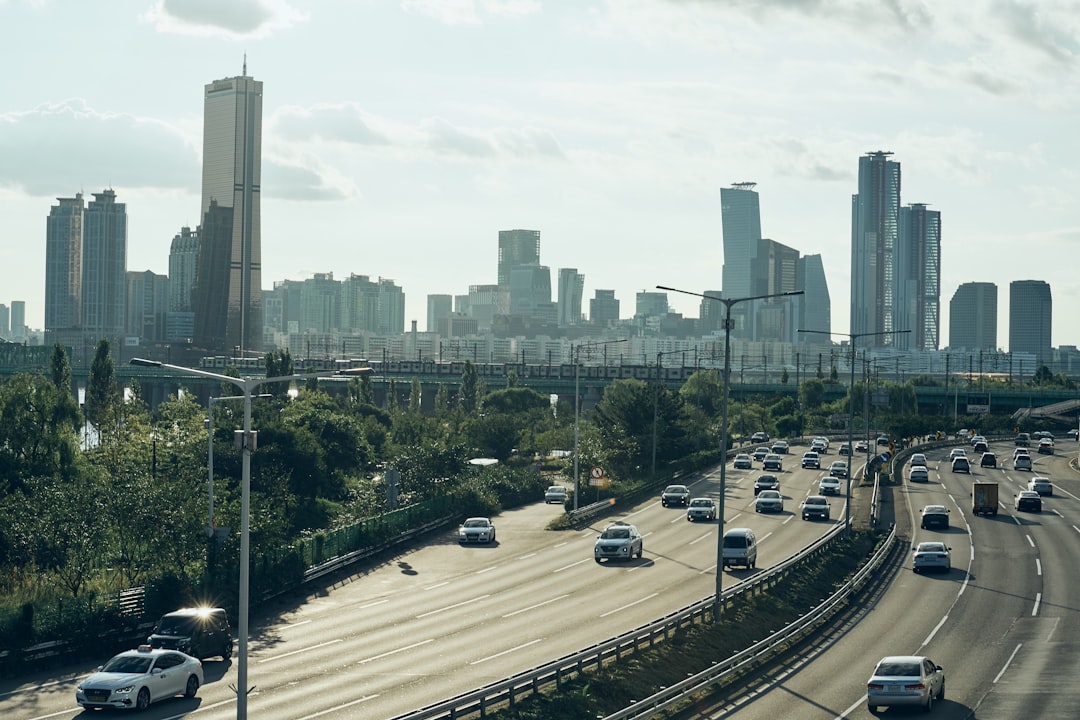
Picture this: it’s 11 PM on a Tuesday night in Seoul’s Gangnam district, and every seat in a brightly lit cafe is occupied by students hunched over textbooks, laptops glowing, iced americanos slowly warming beside color-coded notes. Nobody is chatting. Nobody is scrolling Instagram. The only sounds are the scratch of pens, the soft clatter of keyboards, and a carefully curated lo-fi playlist humming through the speakers. Welcome to the world of Korean study cafe culture — a phenomenon that has transformed how an entire nation approaches learning, productivity, and self-improvement. For Americans used to grabbing a corner table at Starbucks and hoping the Wi-Fi holds up, the Korean approach to studying in public spaces is a revelation. It’s structured, intentional, and deeply embedded in a culture that treats education as both a personal mission and a collective value. This korean study cafe culture guide will walk you through everything you need to know — from the history and psychology behind it to how you can recreate the experience wherever you are.
What Exactly Is Korean Study Cafe Culture?
The Concept Behind the Craze
A study cafe (스터디카페, “seuteodi kape”) is a dedicated space in South Korea designed specifically for focused, quiet study or remote work. Unlike a regular coffee shop, these venues operate more like a library-cafe hybrid — with strict silence rules, timed entry systems, individual desk partitions, and amenities like free printing, snack bars, and even nap rooms.
The concept exploded in the mid-2010s, and by 2025, South Korea had an estimated 8,000+ study cafes nationwide, according to Korean franchise industry reports. Chains like Toz Study Cafe, Cafe Comma, and Reading N have become as ubiquitous as convenience stores in university districts like Sinchon, Noryangjin, and Daehakno.
What makes them different from, say, a public library? Three things: extended hours (many operate 24/7), paid access (which keeps the space curated and serious), and cafe-style comfort (good lighting, ergonomic chairs, unlimited coffee). You pay by the hour — typically 1,500–2,500 KRW ($1.10–$1.85 USD) per hour — or buy day passes and monthly memberships.
Study Cafes vs. Regular Cafes vs. Libraries
To understand why Korean study cafe culture is its own category, it helps to compare:
| Feature | Regular Cafe | Public Library | Study Cafe |
|---|---|---|---|
| Noise Level | Moderate to loud | Quiet | Silent (enforced) |
| Hours | ~7 AM – 10 PM | ~9 AM – 9 PM | 24/7 (many) |
| Cost | $4–7 per drink | Free | $1–2/hour |
| Desk Setup | Shared tables | Open desks or cubicles | Partitioned individual desks |
| Drinks Included | Purchased separately | No | Unlimited (self-serve) |
| Power Outlets | Limited | Some | Every seat |
| Social Expectation | Chat allowed | Quiet | Strict silence |
The paid barrier is actually the magic ingredient. Because everyone has invested money to be there, there’s an unspoken social contract: we are all here to work. That collective focus creates a productivity-boosting atmosphere that’s hard to replicate at home or in a noisy Starbucks.
The Cultural Roots: Why Koreans Take Studying So Seriously

Confucian Values and the Education Obsession
You can’t understand this korean study cafe culture guide without understanding the deeper cultural forces at play. South Korea’s relationship with education is rooted in Confucian values that have shaped East Asian societies for centuries. Scholarship is not just a path to a career — it’s a moral virtue. A studious child honors the family. Academic achievement is community pride.
This cultural DNA shows up in the numbers. South Korea spends an estimated $20 billion annually on private education (hagwons, tutors, and test prep). The country’s university enrollment rate hovers around 70%, one of the highest in the OECD. And the Suneung (수능), Korea’s college entrance exam, is so important that flights are rescheduled and police escort late students to testing centers on exam day.
The Pressure Cooker: From Suneung to Civil Service Exams
Study cafes aren’t just for college students cramming for midterms. A huge portion of the clientele are adults preparing for civil service exams (공무원 시험, gongmuwon siheom). In Korea, government jobs offer lifetime stability — a powerful draw in a competitive economy. Over 200,000 Koreans sit for these exams each year, and many spend 2–3 years in full-time preparation.
The Noryangjin neighborhood in Seoul is legendary for this. Nicknamed “Exam Village”, it’s packed with study cafes, cram schools, and cheap restaurants catering to exam preppers who study 12–16 hours a day. The study cafe is their office, their sanctuary, and their community — all in one.
For Americans, the closest equivalent might be law school students living at the library during bar exam prep, or CPA candidates holed up in a quiet corner for months. But in Korea, this intense study culture extends far beyond professional exams — it’s a lifestyle embraced by high schoolers, job seekers, freelancers, and lifelong learners alike.
Inside a Korean Study Cafe: What to Expect
The Check-In Process
Walking into a Korean study cafe for the first time feels a bit like checking into a budget hotel. Here’s the typical flow:
- Kiosk entry: You select your time (1 hour, 3 hours, day pass, etc.) at a touchscreen kiosk and pay by card or mobile payment.
- Seat assignment: Some cafes let you choose your seat on a digital map; others assign one automatically.
- Access card: You receive a card or code that unlocks the main door and sometimes your personal locker.
- Settle in: Find your partitioned desk, plug in your devices, and grab a drink from the self-serve beverage bar.
- Time’s up: The system alerts you when your time is running out. You can extend at the kiosk or leave.
Amenities That Put Western Coworking to Shame
Korean study cafes are designed with obsessive attention to the study experience. Typical amenities include:
- Individual desk partitions with built-in LED reading lights and power outlets
- Unlimited self-serve drinks: drip coffee, green tea, hot chocolate, juice, and sometimes ramyeon (instant noodles)
- High-speed Wi-Fi with speeds typically exceeding 100 Mbps
- Free printing and scanning (usually limited pages per day)
- Lockers for personal belongings
- Blankets and neck pillows for short naps
- White noise machines or carefully chosen ambient playlists
- Separate “open zones” for group study or low-volume conversation
- Designated phone call booths so no one disturbs the main floor
Some premium study cafes in Gangnam and Haeundae even offer standing desks, massage chairs, shower rooms, and meal delivery partnerships with nearby restaurants. It’s not uncommon for students to spend an entire 14-hour day inside without stepping outside once.
The Unwritten Rules
While each cafe has posted rules, the real code of conduct is enforced socially. Break these and you’ll get cold stares — or worse, a polite but firm note from the staff:
- No phone calls on the main floor — ever
- No eating noisy snacks (chips, crackers) — soft foods only
- No perfume or strong scents — people sit close together
- Keyboard sounds should be minimized — many students use silent keyboards or laptop mute pads
- No sleeping for extended periods — a 20-minute nap is fine, but don’t turn the desk into a bed
The Psychology of Productive Study Environments

Why Studying Around Others Actually Works
There’s solid science behind the korean study cafe culture phenomenon. Psychologists call it the “social facilitation effect” — the well-documented tendency for people to perform better on tasks when they’re in the presence of others doing the same activity. A 2019 study published in the Journal of Environmental Psychology found that ambient background activity in a structured environment can increase focus by up to 25% compared to studying alone at home.
Korean study cafes amplify this effect through environmental design. The partitioned desks create a sense of personal space while still allowing you to peripherally sense others working. It’s the best of both worlds — you feel accountable to the group without feeling watched.
The “Sunk Cost” Motivation Hack
Here’s something fascinating: paying for your study time actually makes you more productive. Behavioral economists call this the sunk cost effect. When you’ve paid 5,000 KRW ($3.70) for a three-hour session, your brain doesn’t want to “waste” that money by scrolling TikTok. It’s a small but powerful psychological nudge.
Many Korean students deliberately choose study cafes over free libraries for exactly this reason. As one Seoul National University student told The Korea Herald: “When I study at home, I waste two hours before I even start. At the study cafe, I start working the second I sit down because I’m paying for every minute.”
Ritual and Routine: The Power of “Going to Study”
In Korean culture, the act of going to the study cafe has become a ritual. It’s the equivalent of “going to the gym” for your brain. The physical transition from home to study space creates a psychological boundary between leisure and work mode. You change your clothes, pack your bag, commute, check in — and by the time you sit down, your brain has already shifted gears.
This is something that remote workers everywhere struggle with. The Korean study cafe model offers a solution that’s cheaper than coworking spaces like WeWork ($300–500/month in the US) and more focused than a coffee shop.
Korean Study Cafe Culture Goes Global
Study Cafes in the United States
The Korean study cafe model has started crossing the Pacific. In cities with large Korean-American populations — Los Angeles, New York, Dallas, and Atlanta — Korean-style study cafes have opened to strong demand. Notable examples include:
- StudyVille (Los Angeles, Koreatown) — One of the first US study cafes modeled directly on the Korean format, with timed entry, partitioned desks, and self-serve drinks
- Hive Study Lounge (New York, Flushing) — Popular with college students from Queens and Long Island, offering 24-hour weekend access
- CafeStudy (Dallas) — A hybrid model combining a premium cafe with a separated silent study zone
These spaces typically charge $5–10 per hour or offer monthly memberships around $150–250 — more expensive than their Korean counterparts, but still cheaper than coworking memberships. The demand is real: StudyVille in LA reportedly hit full capacity within three months of opening.
The “Study With Me” YouTube Phenomenon
Even if you don’t have a study cafe near you, you’ve probably encountered the digital version. “Study With Me” videos on YouTube — many filmed in Korean study cafes — have become a global phenomenon. Channels like The Sherry Formula, abao in Tokyo, and MDquartier have millions of subscribers watching 2–10 hour videos of someone silently studying.
It sounds absurd until you try it. These videos recreate the social facilitation effect digitally. You feel like you have a study partner. Many include Pomodoro timers, ambient cafe sounds, and gentle time checks. It’s Korean study cafe culture exported to your bedroom — for free.
If you’re into the broader Korean lifestyle scene, you might also enjoy exploring how K-Pop idols influence other cultural trends. 7 K-Pop Idol Fashion Trends to Try in 2026
How to Recreate the Korean Study Cafe Experience at Home

Essential Gear and Setup
Can’t fly to Seoul? You can build a surprisingly effective Korean study cafe setup at home with the right gear and mindset. Here’s what Korean students swear by:
- Desk partition/divider: A simple cardboard or acrylic desk divider (available on Amazon for $15–30) blocks visual distractions and creates that “cubicle focus” feeling.
- LED desk lamp: Korean study cafes use warm, adjustable LED lamps. The BenQ ScreenBar ($109) is a popular choice among Korean study YouTubers.
- Timer app: Use Forest (a popular Korean productivity app) or Toggl to track study sessions in Pomodoro intervals (25 min study, 5 min break).
- White noise or lo-fi playlist: Search “Korean study cafe ambiance” on YouTube — there are hundreds of 3–10 hour playlists recorded in actual Seoul study cafes.
- Self-serve drink station: Keep a thermos of coffee, a bottle of water, and some tea bags at your desk. The Korean approach is unlimited simple drinks, not elaborate lattes.
- Silent keyboard: If you type a lot, consider a quiet mechanical keyboard or a silicone keyboard cover.
The Korean Study Schedule Template
Korean study cafe regulars don’t just sit and hope for the best. They follow structured schedules. Here’s a typical template used by civil service exam preppers:
| Time Block | Duration | Activity |
|---|---|---|
| 7:00 – 7:30 AM | 30 min | Arrive, settle in, review daily goals |
| 7:30 – 9:30 AM | 2 hrs | Deep study session 1 (hardest subject) |
| 9:30 – 10:00 AM | 30 min | Break (walk, snack, stretch) |
| 10:00 – 12:00 PM | 2 hrs | Deep study session 2 |
| 12:00 – 1:00 PM | 1 hr | Lunch break |
| 1:00 – 3:00 PM | 2 hrs | Practice problems / review |
| 3:00 – 3:30 PM | 30 min | Break (coffee, fresh air) |
| 3:30 – 5:30 PM | 2 hrs | Deep study session 3 |
| 5:30 – 6:30 PM | 1 hr | Dinner break |
| 6:30 – 9:00 PM | 2.5 hrs | Review + weak area reinforcement |
| 9:00 – 9:30 PM | 30 min | Daily review, plan tomorrow |
That’s roughly 10.5 hours of focused study with built-in breaks. It’s intense — but the study cafe environment makes it sustainable in ways that studying at home simply can’t match. The key takeaway for American students and professionals: structure beats willpower. You don’t need 10 hours a day, but even a 3-hour block with this level of intention will outperform 6 hours of unfocused home studying.
Korean Study Cafe Culture in K-Dramas and Pop Culture
How K-Dramas Popularized the Aesthetic
If you’ve watched any Korean drama set in a school or university, you’ve seen study cafe culture on screen. Shows like Reply 1988, Law School, SKY Castle, and Crash Course in Romance all feature scenes in reading rooms and study cafes that highlight the intensity — and sometimes the heartbreak — of Korean academic life.
SKY Castle (2018–2019) in particular became a cultural phenomenon, exposing the dark side of Korea’s education obsession. The drama’s depiction of wealthy Gangnam families pushing their children to extremes resonated so deeply that it became the highest-rated drama in Korean cable TV history at the time. For international K-Drama fans, these shows offer a window into why study cafes aren’t just businesses — they’re symbols of a national ethos.
Speaking of Korean entertainment, many K-Pop idols have also transitioned into acting roles that explore similar themes. 7 K-Pop Idols With the Best K-Drama Roles in 2026
The “Gongbang” Trend: Study Vlogging
Gongbang (공방, short for 공부방송 or “study broadcast”) is a uniquely Korean content genre where creators livestream or upload videos of themselves studying for hours. Think of it as the academic cousin of mukbang (eating broadcasts). Top gongbang creators like Yeondu Study and 봉봉 Study have hundreds of thousands of subscribers.
These creators often film in study cafes, and their setups have become aspirational content — driving sales of specific desk lamps, planners, pens, and even the exact brand of instant coffee available at popular study cafe chains. The aesthetic is clean, minimal, and focused: a well-organized desk is treated like a form of self-expression.
For a deeper dive into Seoul’s vibrant cafe scene beyond just studying, check out Hongdae Nightlife & Cafe Guide 2026: 15 Hidden Gems.
Visiting a Study Cafe as a Tourist in Korea
Where to Find the Best Study Cafes in Seoul
If you’re visiting Korea and want to experience the korean study cafe culture firsthand, you’re in luck — they’re literally everywhere. The best neighborhoods to explore:
- Gangnam Station area: High-end study cafes with premium amenities, popular with professionals and older students
- Sinchon/Hongdae: University district with budget-friendly options popular with college students. The vibe is younger and the prices are lower.
- Noryangjin: The mecca for exam preppers. Intense atmosphere, 24/7 options, very affordable. Not for the faint-hearted.
- Jamsil/Songpa: Residential area with family-friendly study cafes where you’ll see parents studying alongside their kids
Major chains to look for include Toz Study Cafe (largest chain, 300+ locations), Hollys Coffee Study Zone (hybrid cafe model), and Workspace (premium tier with standing desks and shower rooms).
For comprehensive trip planning, Visit Korea’s official tourism site has neighborhood guides that can help you map out study cafe districts alongside other attractions. And if you’re planning a broader Seoul itinerary, don’t miss K-Drama Filming Locations Seoul Map: 2026 Guide for sightseeing between study sessions.
Practical Tips for First-Timers
Visiting a Korean study cafe as a foreigner is straightforward, but keep these tips in mind:
- Payment: Most kiosks accept credit cards and KakaoPay. Cash-only locations are rare but exist in older neighborhoods.
- Language: Kiosks at chain locations often have English options. Smaller indie cafes may be Korean-only — but the touchscreen interface is intuitive enough to figure out.
- Start with a short session: Try a 2-hour block first. The silence and focus can be surprisingly intense for newcomers.
- Bring headphones: While the space is quiet, you may want noise-canceling headphones for complete immersion.
- Respect the culture: Don’t talk on the phone, don’t eat noisily, and don’t move furniture around. You’re a guest in a shared sacred space.
For a completely different but equally immersive Korean cultural experience, consider a Korean Temple Stay: How to Book as a Foreigner (2026) — the meditative quiet has a lot in common with the study cafe atmosphere.
Frequently Asked Questions About Korean Study Cafe Culture
How much does it cost to use a Korean study cafe?
Most Korean study cafes charge between 1,500–2,500 KRW ($1.10–$1.85 USD) per hour. Day passes typically cost 10,000–15,000 KRW ($7.50–$11), and monthly memberships range from 100,000–200,000 KRW ($75–$150). Premium locations in Gangnam may charge slightly more. All-you-can-drink coffee, tea, and basic snacks are usually included in the price.
Can foreigners use study cafes in Korea?
Absolutely. Study cafes are open to everyone — no membership cards or Korean ID required for hourly use. Major chains like Toz have English-language kiosk options. You’ll need a credit card or Korean mobile payment app (KakaoPay, Naver Pay) for most locations. Some smaller cafes accept cash. There’s no reservation system at most places — just walk in and find a seat.
Are there study cafes like this in the United States?
Yes, and the number is growing. Cities with large Korean-American communities — Los Angeles, New York, Dallas, and Atlanta — now have Korean-style study cafes. Prices are higher ($5–10/hour or $150–250/month), but the concept is the same: timed entry, silent study zones, self-serve drinks, and individual desks. Alternatively, you can recreate the experience at home using desk dividers, ambient study playlists, and timer apps like Forest.
What’s the difference between a study cafe and a reading room (독서실)?
A reading room (독서실, dokseoshil) is the older, more traditional version — think rows of desks in a quiet room with minimal amenities, often found near high schools. Study cafes are the modern evolution: better lighting, comfortable chairs, self-serve beverages, Wi-Fi, and a more cafe-like atmosphere. Study cafes tend to be more expensive but offer significantly more comfort for long sessions. Many Korean students have shifted from reading rooms to study cafes over the past decade.
How long do Koreans typically spend at a study cafe per day?
It varies widely. University students might spend 3–6 hours per visit. Civil service exam preppers in areas like Noryangjin often clock 10–14 hours daily, arriving in the morning and leaving at night. Working professionals and freelancers typically use study cafes for 2–4 hour focused blocks. Most cafes see peak usage from 10 AM to 10 PM, with a second wave of late-night users at 24-hour locations.
Related Posts
If you enjoyed this korean study cafe culture guide, you’ll love these related articles:
- Hongdae Nightlife & Cafe Guide 2026: 15 Hidden Gems
- 10-Step Korean Skincare Routine for Beginners (2026)
- Korean Temple Stay: How to Book as a Foreigner (2026)
We’re also working on these upcoming guides that pair perfectly with this topic:
- Best Coworking Spaces in Seoul for Digital Nomads 2026
- Korean Stationery Brands You Need to Know: 2026 Guide
- How Korean Students Use Planners and Study Apps: Productivity Guide
Over to You: Have You Tried the Korean Study Cafe Approach?
Whether you’ve experienced a study cafe in person during a trip to Seoul, discovered the vibe through “Study With Me” videos, or are just now learning about this fascinating slice of Korean culture — we want to hear from you.
Have you tried studying in a Korean-style study cafe? Would you pay by the hour for a dedicated silent workspace? Or do you prefer the background buzz of a regular coffee shop? Drop your thoughts in the comments below — we read every single one.
If this korean study cafe culture guide helped you understand a new side of Korean life, share it with a friend who’s always looking for better ways to study or work. And if you want more deep dives into Korean culture, lifestyle, and travel, bookmark this site and subscribe to our newsletter so you never miss a post.
Happy studying — 화이팅! (hwaiting!) 💪