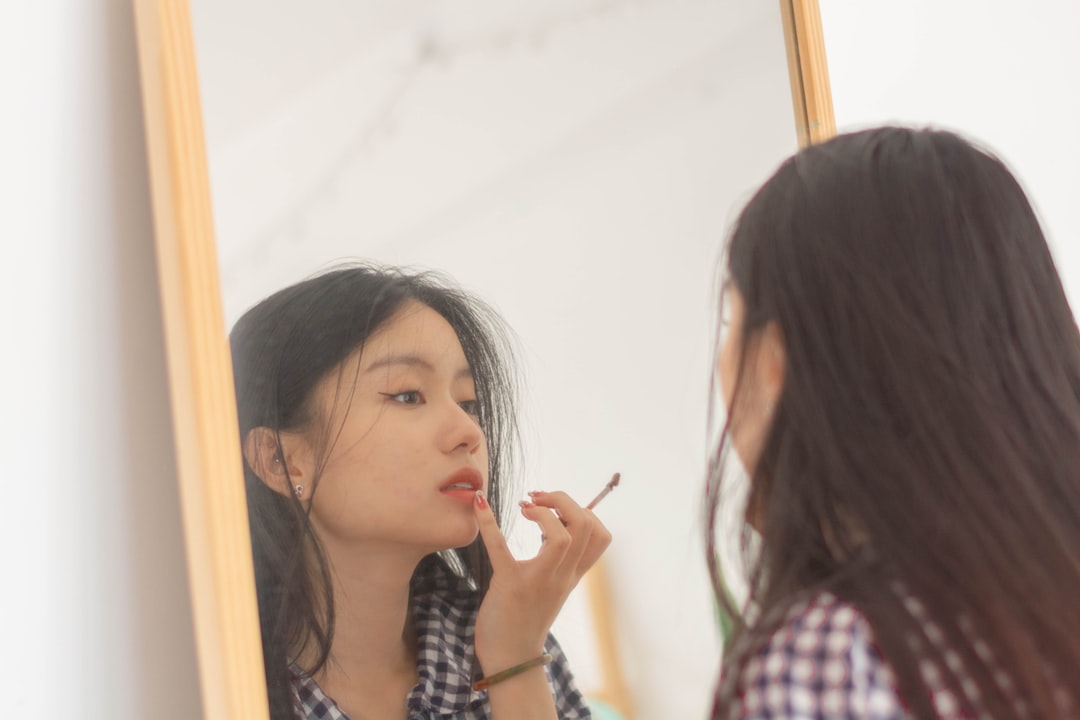
If you’ve ever scrolled through a K-beauty hashtag on Instagram or watched a Korean makeup tutorial on YouTube, you’ve probably noticed something striking: Korean makeup looks nothing like Western makeup. The dewy “glass skin” finish, the gradient lips, the subtle eye looks — it’s a completely different universe from the matte foundations, bold contour, and dramatic smoky eyes that dominate Western beauty counters. But the korean makeup vs western makeup differences go far deeper than just aesthetics. They reflect fundamentally different philosophies about beauty, skincare, and self-expression.
In 2025, the global K-beauty market surpassed $13.9 billion, and it’s projected to hit $18.3 billion by 2028. Western consumers are increasingly curious — and for good reason. Understanding the key differences between these two approaches can help you build a routine that actually works for your skin, your lifestyle, and your personal style. Whether you’re a die-hard K-beauty convert or a Western makeup loyalist, this guide breaks down everything you need to know.
1. Philosophy: “Enhance” vs. “Transform”
The Korean Approach: Your Best Skin, Amplified
At the heart of every Korean makeup routine is one core belief: great makeup starts with great skin. Korean beauty culture prioritizes a “no-makeup makeup” look — the goal isn’t to cover up your face but to make your natural features look brighter, healthier, and more youthful. This is why Korean women often spend more time (and money) on their skincare routine than on their actual makeup application.
Korean makeup brands like Laneige, Innisfree, and Etude House design products that blur the line between skincare and cosmetics. A BB cream isn’t just coverage — it’s SPF protection, hydration, and brightening in one step. A lip tint doesn’t just add color — it’s formulated with hyaluronic acid to keep lips plump. This hybrid approach means fewer products, lighter layers, and a finish that looks like you were simply born with luminous skin.
The Western Approach: Full Artistry and Self-Expression
Western makeup culture, by contrast, tends to celebrate transformation and artistry. Think of the dramatic contouring techniques popularized by Kim Kardashian, the bold lip colors championed by brands like MAC and NARS, or the intensely pigmented eyeshadow palettes from Urban Decay and Too Faced. The Western approach treats the face as a canvas — the goal is to sculpt, define, and create a polished, “finished” look.
This isn’t inherently better or worse — it’s simply a different philosophy. Western beauty celebrates individuality through bold choices, while Korean beauty celebrates individuality through perfecting what you already have. Understanding this fundamental difference between korean makeup and western makeup explains almost every other contrast on this list.
2. Base Makeup: Dewy Glass Skin vs. Matte Perfection

Korean Base: Lightweight, Luminous, and Hydrating
The “glass skin” trend — skin so dewy and translucent it looks like glass — is perhaps the most visible korean makeup vs western makeup difference. Korean base products are designed to create a luminous, almost wet-looking finish. Here’s what a typical Korean base routine looks like:
- Primer with SPF — Often a tone-up cream with a slight pink or lavender tint to brighten
- BB or CC Cream — Sheer to medium coverage with skincare benefits (not full-coverage foundation)
- Cushion Compact — For touch-ups, offering buildable, dewy coverage
- Setting with a mist — Never powder; a hydrating facial mist locks everything in while maintaining dewiness
Product recommendation: The Laneige Neo Cushion Glow ($34 at Sephora) is a perfect example. It contains niacinamide for brightening and glycerin for hydration, delivering that signature Korean glow without looking greasy. For drier Western climates where skin can feel tight and flaky, this kind of hydrating base is genuinely transformative.
Western Base: Full Coverage and Long-Wear
Western foundations prioritize coverage, longevity, and a matte or satin finish. Brands like Estée Lauder Double Wear, Fenty Beauty Pro Filt’r, and NARS Natural Radiant have built empires on foundations that last 12–16 hours and cover everything from dark circles to hyperpigmentation. The typical Western base routine involves:
- Pore-minimizing primer
- Full-coverage liquid or powder foundation
- Concealer (often a shade lighter for under-eye brightening)
- Setting powder + setting spray for an all-day hold
This approach makes sense for Western consumers dealing with humidity in the South, harsh winters in the Midwest, and long workdays where touch-ups aren’t practical. But it can feel heavy, and many women are now gravitating toward Korean-style lightweight bases as an alternative — especially on weekends or for casual outings. Best Korean Sunscreen for Sensitive Skin 2026
3. Eye Makeup: Soft Gradients vs. Bold Drama
Korean Eyes: Puppy Eyes and Subtle Shimmer
Korean eye makeup is all about making the eyes look bigger, rounder, and more innocent. The most popular Korean eye look — the “puppy eye” — uses soft, downturned eyeliner that extends slightly below the outer corner of the eye, creating a sweet, approachable expression. This is the exact opposite of the Western “cat eye” that flicks upward for a sharp, sultry look.
Korean eyeshadow palettes tend to feature muted, warm tones — soft peaches, dusty roses, champagne shimmers, and warm browns. Brands like CLIO, Romand, and Peripera are known for their buttery, blendable formulas that create a wash of soft color rather than intense pigment. Glitter is popular too, but it’s a fine, reflective shimmer — not chunky Western festival glitter.
Product recommendation: The Romand Better Than Eyes palette in Dry Rose ($12 on Amazon) is a cult favorite. It features four complementary shades with a mix of matte and micro-shimmer finishes, all formulated with jojoba oil for smooth application. It’s nearly impossible to make this palette look bad — perfect for beginners exploring Korean eye looks.
Western Eyes: Smoky, Defined, and High-Impact
Western eye makeup is typically bolder, more defined, and more varied. Smoky eyes, cut creases, halo eyes, and editorial color combinations are all staples. Western palettes from brands like Urban Decay (Naked series), Anastasia Beverly Hills (Modern Renaissance), and Pat McGrath Labs feature highly pigmented shades designed for drama.
False lashes are also used differently. Korean false lashes are thin, wispy, and natural-looking — designed to add subtle length. Western false lashes, like those from Ardell or Lilly Lashes, are often thick, voluminous, and unmistakably dramatic. The difference in lash philosophy alone tells you everything about how these two beauty cultures approach the eyes.
Here’s a quick comparison:
| Feature | Korean Makeup | Western Makeup |
|---|---|---|
| Eyeliner Style | Puppy eye (downturned) | Cat eye (winged upward) |
| Shadow Colors | Muted peach, rose, brown | Bold jewel tones, deep shades |
| Finish | Soft shimmer, gradient | High pigment, defined edges |
| False Lashes | Wispy, natural | Full, dramatic volume |
| Brow Shape | Straight, soft, natural | Arched, sculpted, defined |
4. Lip Makeup: Gradient Tints vs. Bold Statements

The Korean Gradient Lip
If there’s one makeup technique that perfectly captures the korean makeup vs western makeup differences, it’s the lip. Korean lip makeup centers on the gradient lip (also called “blurred lip” or “bitten lip”) — a technique where color is concentrated at the inner center of the lips and fades outward toward the edges. The result? A youthful, just-bitten look that makes lips appear fuller without obvious lip liner.
Korean lip products tend to be lightweight lip tints and velvet mattes rather than thick, opaque lipsticks. Popular formulas include water tints, mousse tints, and velvet lip lacquers. The color range skews toward MLBB (My Lips But Better) shades — soft corals, rosy pinks, and muted mauves that look like a slightly enhanced version of your natural lip color.
Product recommendation: Peripera Ink the Velvet in #15 Beauty Peak Rose ($9 on Amazon) is the gold standard for gradient lips. It contains rose hip oil and provides a smooth, velvety finish that doesn’t dry out your lips. Apply to the inner lip and blend outward with your finger for the perfect Korean gradient.
The Western Bold Lip
Western lip makeup is about precision, definition, and statement colors. A classic Western lip involves lip liner to define the shape (often slightly overlined for fullness), followed by a saturated lipstick in a bold shade — think MAC Ruby Woo, Charlotte Tilbury Pillow Talk, or Fenty Beauty Stunna Lip Paint. The goal is a perfectly defined, fully opaque lip that commands attention.
Western lip trends also embrace extremes that Korean beauty rarely touches: deep berry shades, true reds, dark plums, and even black lipstick for editorial or alternative looks. The Western approach to lips is about making a statement, while the Korean approach is about enhancing what’s already there.
For those in dry Western climates (think Colorado, Arizona, or the Upper Midwest in winter), Korean lip tints can sometimes feel drying. If that’s you, try layering a thin coat of lip balm underneath or opting for a Korean glossy tint instead — brands like Romand’s Glasting Water Tint ($11, Amazon) offer the gradient-friendly formula with added moisture.
5. Contouring and Blush: Sculpting vs. Softening
Korean Blush: Strategic Placement for a Youthful Flush
Contouring in Korean makeup is minimal to nonexistent. Instead of sculpting cheekbones, jawlines, and noses with dark contour shades, Korean makeup relies on strategic blush placement to create dimension. The most popular Korean blush technique involves applying blush high on the cheeks, close to the under-eye area — sometimes even across the nose bridge — to create a sun-kissed, youthful flush.
This technique, sometimes called “hangover blush” or “igari makeup” (inspired by Japanese makeup artist Shinobu Igari), deliberately mimics the rosy glow you get after a glass of wine or a cold winter walk. It’s playful, cute, and completely different from the chiseled Western contour.
Product recommendation: CLIO Prism Air Blush in #04 Pink Play ($16 at Ulta) uses micro-fine pearl particles for a luminous flush that catches the light. The powder is incredibly finely milled — almost cream-like in texture — and blends seamlessly for that diffused Korean glow.
Western Contour: Sculpt, Define, and Highlight
Western contouring is an art form. Popularized by drag culture and amplified by social media influencers, the Western contour technique uses dark shades to create shadows (under cheekbones, along the jawline, sides of the nose) and light shades to highlight (brow bone, bridge of nose, cupid’s bow, tops of cheekbones). The result is a dramatically sculpted face with enhanced bone structure.
Products like Fenty Beauty Match Stix ($29, Sephora), Benefit Hoola Bronzer ($32, Ulta), and Anastasia Beverly Hills Contour Kit ($42, Sephora) are essential in many Western routines. Western highlighters also tend to be intense and visible — think blinding strobes from Jeffree Star or Becca (now discontinued but still beloved) — compared to the subtle, from-within glow of Korean highlighting cushions.
If you’re dealing with redness or rosacea — common skin concerns in dry, cold Western climates — Korean-style light blush placement can actually work in your favor. By leaning into the natural flush rather than trying to contour it away, you save time and create a more cohesive look. Best Korean Sunscreen for Sensitive Skin 2026
6. Skincare-Makeup Hybrid Products: Where K-Beauty Leads

The Korean Invention: BB Creams, Cushion Compacts, and Tone-Up Creams
Korea essentially invented the skincare-makeup hybrid category. BB creams (Blemish Balm) originated from German dermatology but were reinvented and popularized by Korean brands in the late 2000s. Since then, Korea has given us:
- CC Creams (Color Correcting) — lighter than BB creams, focused on evening out skin tone
- Cushion Compacts — portable, hygienic foundation delivery systems with built-in SPF and skincare ingredients
- Tone-Up Creams — tinted moisturizers that brighten without providing traditional “coverage”
- Skin Tints — ultra-sheer formulas with ingredients like centella asiatica and snail mucin
These products typically contain active skincare ingredients like niacinamide (brightening), hyaluronic acid (hydration), centella asiatica (soothing), and SPF 35-50+ (sun protection). The idea is that your makeup should be improving your skin throughout the day, not just sitting on top of it. See Allure’s top K-beauty picks
The Western Response: “Skinification” of Makeup
Western brands have taken notice. In recent years, we’ve seen an explosion of skincare-infused makeup from Western companies: ILIA Super Serum Skin Tint ($48, Sephora) with squalane and niacinamide, bareMinerals Complexion Rescue with mineral SPF 30, and IT Cosmetics CC+ Cream with SPF 50. This “skinification” trend is a direct response to the korean makeup vs western makeup differences that consumers have been discovering.
However, Korean brands still lead this category in terms of innovation, ingredient sophistication, and affordability. A Korean cushion compact with SPF 50, niacinamide, and centella often costs $15–25, while comparable Western products run $35–55. For budget-conscious consumers, Korean hybrid products deliver exceptional value.
7. Price Point and Accessibility: Affordable Innovation vs. Prestige Pricing
Korean Beauty: High Quality, Lower Prices
One of the most attractive korean makeup vs western makeup differences for consumers is the price. Korean beauty operates on a model of rapid innovation at accessible price points. The Korean beauty market is incredibly competitive — there are thousands of brands fighting for attention — which keeps prices low and innovation high.
Consider these price comparisons:
| Product Type | Korean (Avg Price) | Western (Avg Price) |
|---|---|---|
| Foundation/Cushion | $12–$28 | $32–$55 |
| Eyeshadow Palette | $8–$18 | $28–$65 |
| Lip Product | $6–$14 | $20–$38 |
| Blush | $8–$16 | $25–$42 |
| Setting Spray/Mist | $7–$15 | $18–$36 |
Korean brands like Romand, Peripera, Holika Holika, and A’pieu deliver professional-quality results at drugstore prices. You can build an entire Korean makeup routine for under $50 — something nearly impossible with prestige Western brands.
Where to Shop in the US
Korean beauty has become significantly more accessible to Western consumers in recent years:
- Sephora — Carries Laneige, Innisfree, CLIO, and other premium K-beauty brands
- Ulta — Growing K-beauty section with COSRX, Peripera, and Banila Co.
- Amazon — Widest selection, but verify seller authenticity (look for “Ships from Korea” or brand-authorized sellers)
- Olive Young Global — Korea’s #1 beauty retailer, ships internationally with competitive prices
- YesStyle — Long-established K-beauty retailer with frequent sales
8. How to Combine the Best of Both Worlds

Building a Hybrid Routine
The beauty of understanding these korean makeup vs western makeup differences is that you don’t have to choose one side. Many beauty enthusiasts are now creating hybrid routines that cherry-pick the best elements from each approach. Here’s a sample routine that combines both philosophies:
- Korean skincare prep — Double cleanse, toner, essence, serum, moisturizer (the Korean multi-step routine that makes everything else look better)
- Korean base — Tone-up cream or cushion compact for a dewy, natural-looking base
- Western concealer — High-coverage concealer (like NARS Radiant Creamy) only where you need it
- Korean blush — Applied high on the cheeks for a youthful flush
- Western eyeshadow — When you want drama, reach for your Western palette; for everyday, use a Korean quad
- Korean lip tint — Gradient lip for daytime; swap to a Western lipstick for evening events
- Korean setting mist — Finish with a hydrating mist instead of heavy powder
Adapting Korean Makeup for Western Climates
If you live in a dry climate (desert Southwest, Rocky Mountain states, or anywhere with harsh winters), Korean dewy products are your best friend — they combat the dryness and flakiness that can make matte foundations look cakey. Layer a hydrating primer, use a cushion compact, and mist throughout the day.
If you live in a humid climate (Gulf Coast, Southeast, Pacific Northwest summers), you may need to adjust the Korean approach. Use a mattifying primer underneath your Korean base, set with a light dusting of translucent powder on the T-zone, and choose a velvet-finish lip tint over a glossy one. This keeps the spirit of Korean makeup while preventing the look from sliding off by noon.
For everyone, sunscreen is non-negotiable — and this is one area where Korean and Western beauty agree completely. Korean sunscreens, however, tend to have more elegant textures that work better under makeup. Best Korean Sunscreen for Sensitive Skin 2026
Frequently Asked Questions About Korean vs. Western Makeup
Is Korean makeup better for sensitive skin than Western makeup?
Generally, yes. Korean makeup brands tend to formulate with fewer irritating ingredients and more skin-soothing actives like centella asiatica, green tea extract, and madecassoside. Korean beauty culture places a strong emphasis on gentle formulations because the Korean consumer market demands it. However, sensitive skin varies from person to person — always patch test new products regardless of their origin, and check ingredient lists for your specific triggers.
Can I use Korean makeup if I have a deeper skin tone?
This has historically been one of the biggest criticisms of Korean beauty — limited shade ranges. Many Korean base products only came in 3–5 shades, all on the lighter end. However, the industry is improving. Brands like CLIO Kill Cover, Laneige Neo Cushion, and Missha M Perfect Covering BB Cream have expanded their ranges significantly. That said, if you have a deep skin tone, Western brands like Fenty Beauty (50 shades) and NARS (34 shades) still offer far more options. A hybrid approach — using Western base products for better shade matching and Korean techniques for application — is often the best solution.
Why do Korean makeup looks focus so much on the skin?
In Korean culture, clear, luminous skin is considered the foundation of beauty. The Korean phrase “피부가 좋다” (your skin is good) is one of the highest beauty compliments you can receive. This cultural value drives everything from the famous 10-step skincare routine to the lightweight, skin-first approach to makeup. It’s not just about aesthetics — in Korea, healthy skin is associated with overall health, discipline, and self-care.
How long does Korean makeup last compared to Western makeup?
Western full-coverage foundations and long-wear formulas generally last longer — 10–16 hours without significant fading. Korean base products, because they’re lighter and dewier, typically last 6–8 hours before needing a touch-up. However, Korean cushion compacts are specifically designed for easy, on-the-go touch-ups — just press the puff into the cushion and pat over your face for an instant refresh. Many Korean women view this as an advantage rather than a drawback: each touch-up adds hydration and freshness rather than caking.
What’s the best Korean makeup product for a beginner to try first?
Start with a lip tint. It’s the lowest-commitment, most universally flattering Korean product. The Romand Juicy Lasting Tint ($9 on Amazon) is beginner-friendly — it applies easily, the shade range suits most skin tones, and it gives you an instant taste of the Korean gradient lip technique. From there, try a cushion compact as your next step, then a Korean eyeshadow quad. Building your Korean makeup collection gradually lets you find what works without overspending.
Related Posts You’ll Love
If you enjoyed this deep dive into the korean makeup vs western makeup differences, check out these related articles:
- Best Korean Sunscreen for Sensitive Skin 2026 — Essential reading for anyone building a K-beauty routine
- 7 Healthy Korean Foods for Weight Loss in 2026 — Beauty starts from within, and Korean cuisine is packed with skin-boosting ingredients
- DMZ Tour from Seoul Booking Tips: 2026 Complete Guide — Planning a trip to Korea? Stock up on K-beauty at Olive Young while you’re there
Suggested future articles:
- 10-Step Korean Skincare Routine for Beginners: Complete 2026 Guide
- Best Korean Cushion Compacts for Every Skin Type 2026
- How to Get Glass Skin: The Complete Korean Beauty Guide
Final Thoughts: Which Approach Is Right for You?
The truth is, there’s no “winner” in the Korean makeup vs Western makeup debate. Both approaches have produced incredible innovations, iconic products, and devoted communities for good reason. Korean beauty excels at skincare integration, natural finishes, and accessible pricing. Western beauty excels at shade diversity, long-wear performance, and bold self-expression.
The smartest approach? Take what works from both. Use Korean skincare and base products for your everyday look. Reach for Western products when you want drama or need longer wear. Let your mood, your schedule, and your skin’s needs on any given day determine which drawer you reach into.
Beauty has never been more global, more accessible, or more fun than it is right now. The korean makeup vs western makeup differences aren’t barriers — they’re options. And the more options you have, the better.
What’s your take? Are you team Korean makeup, team Western makeup, or a proud hybrid? Drop a comment below and tell us your favorite product from each side — we’d love to hear what’s working for you! And if this guide helped you understand the differences, share it with a friend who’s curious about K-beauty. Tag us on Instagram with your best Korean-inspired look — we feature our favorites every month.
Want more K-beauty guides like this? Subscribe to our newsletter for weekly deep dives into the best of Korean beauty, skincare science, and product reviews delivered straight to your inbox.