If you’ve ever scrolled through your social media feed and wondered how Korean beauty enthusiasts achieve that impossibly clear, dewy complexion — even with acne-prone skin — you’re not alone. Over 85% of people experience acne at some point in their lives, and for many of us living in Western climates with harsh winters, hard water, and unpredictable humidity, breakouts can feel like an endless battle. The good news? A well-crafted Korean skincare routine for acne-prone skin can transform your complexion without stripping it bare or relying on harsh chemicals. Korean beauty (K-Beauty) takes a fundamentally different approach: instead of attacking acne with aggressive treatments, it focuses on healing the skin barrier, balancing oil production, and layering lightweight hydration. In this comprehensive guide, we’ll walk you through every step, ingredient, and product you need to build a routine that actually works — backed by dermatological science and real-world results.
Why Korean Skincare Works So Well for Acne-Prone Skin
Western skincare has traditionally treated acne as a problem to be nuked — think benzoyl peroxide washes, alcohol-heavy toners, and retinoid creams that leave your face red and peeling. While these ingredients have their place, the approach often damages the skin barrier, leading to increased oil production, more inflammation, and a vicious cycle of breakouts.
Korean skincare flips that script entirely. The K-Beauty philosophy centers on gentle, multi-step layering that treats the root causes of acne: compromised moisture barriers, excess sebum, bacterial overgrowth, and chronic low-grade inflammation. Rather than one aggressive product, you use multiple lightweight layers that each address a specific concern.
The Science Behind the K-Beauty Approach
Research published in the Journal of Clinical and Aesthetic Dermatology has shown that a damaged skin barrier increases transepidermal water loss (TEWL) by up to 300%, which triggers the skin to overproduce sebum as a compensatory mechanism. This is exactly why harsh acne treatments often make things worse in the long run.
K-Beauty products tend to prioritize ingredients like centella asiatica, snail mucin, niacinamide, and green tea — all of which have been clinically proven to reduce inflammation and support barrier repair. A 2022 study in Skin Pharmacology and Physiology found that centella asiatica extract reduced acne lesion counts by 49% over eight weeks when combined with proper hydration.
Layering vs. Single-Product Approach
The multi-step nature of a Korean skincare routine for acne-prone skin might seem counterintuitive — wouldn’t more products mean more clogging? Not when each product is formulated to be lightweight and non-comedogenic. The layering approach delivers active ingredients at the right concentration, in the right order, maximizing absorption without overwhelming the skin.
Think of it like building a house: you need a foundation (cleanser), walls (toner and essence), insulation (serum and ampoule), and a roof (moisturizer and SPF). Each layer serves a purpose, and skipping one weakens the whole structure. How to Get Glass Skin at Home: 7-Step K-Beauty Routine 2026
The Complete Korean Skincare Routine for Acne-Prone Skin: Step by Step

Here’s the full breakdown of a Korean skincare routine for acne-prone skin — both AM and PM. Don’t be intimidated by the number of steps. You can start with the essentials (marked with ★) and add steps gradually as your skin adjusts.
Step 1: Oil Cleanser (PM Only) ★
Yes, oil cleansing is safe for acne-prone skin — and it’s actually one of the most important steps. Oil dissolves oil, meaning it effectively removes sebum, SPF, and makeup without stripping your natural moisture. The key is choosing the right oil cleanser with non-comedogenic oils like grape seed, sunflower, or jojoba.
Top Pick: Banila Co Clean It Zero Cleansing Balm Purifying (~$19, Sephora/Amazon) — Specifically formulated for acne-prone and oily skin with salicylic acid. The sherbet-like texture melts into oil on contact and rinses clean without residue. Key ingredients include BHA (salicylic acid) for pore clearing and centella asiatica for soothing.
Runner-Up: Anua Heartleaf Pore Control Cleansing Oil (~$22, Amazon) — Contains 41% heartleaf extract, a trending Korean ingredient known for its anti-inflammatory and antibacterial properties.
Step 2: Water-Based Cleanser ★
The second cleanse removes any remaining residue and water-based impurities like sweat and dirt. For acne-prone skin, look for a low-pH cleanser (between 5.0 and 6.0) to maintain your acid mantle — the skin’s first line of defense against bacteria.
Top Pick: COSRX Low pH Good Morning Gel Cleanser (~$12, Ulta/Amazon) — A cult favorite with tea tree oil (natural antibacterial) and BHA to gently exfoliate. pH level: 5.0-6.0. This cleanser has over 50,000 five-star reviews on Amazon for good reason.
Alternative: Roundlab Dokdo Cleanser (~$16, Amazon) — Features mineral-rich deep sea water from Korea’s Dokdo island. Extremely gentle, great for those whose acne is worsened by over-cleansing.
Step 3: Exfoliant (2-3x Per Week)
Exfoliation is crucial for acne-prone skin because dead skin cells are one of the primary causes of clogged pores. However, physical scrubs (like walnut shell or apricot pit) create micro-tears and worsen inflammation. K-Beauty favors chemical exfoliants:
- BHA (Beta Hydroxy Acid / Salicylic Acid) — Oil-soluble, penetrates deep into pores. Best for blackheads, whiteheads, and oily skin.
- AHA (Alpha Hydroxy Acid / Glycolic, Lactic Acid) — Water-soluble, works on the skin surface. Best for texture, dark spots, and post-acne marks.
- PHA (Polyhydroxy Acid / Gluconolactone) — Gentlest option, ideal for sensitive acne-prone skin. Provides hydration while exfoliating.
Top Pick: COSRX BHA Blackhead Power Liquid (~$25, Sephora/Amazon) — Contains 4% betaine salicylate (gentler than pure salicylic acid). Apply after toner with a cotton pad, 2-3 times per week in the PM only. Always follow with SPF the next morning, as exfoliants increase photosensitivity.
Step 4: Toner ★
Korean toners are nothing like the astringent, alcohol-heavy toners you might remember from your teenage years. K-Beauty toners are hydrating, pH-balancing first layers that prep your skin to absorb everything that follows.
Top Pick: Anua Heartleaf 77% Soothing Toner (~$22, Ulta/Amazon) — The #1 bestselling K-Beauty toner globally in 2025-2026. With 77% heartleaf extract, it calms redness, reduces breakouts, and hydrates without any stickiness. Over 10 million bottles sold worldwide.
Budget Pick: Isntree Green Tea Fresh Toner (~$16, Amazon) — 80% green tea extract delivers powerful antioxidants and gentle astringency for oily, acne-prone skin.
Step 5: Essence ★
Essences are the heart of any Korean skincare routine for acne-prone skin. These watery, nutrient-dense formulas boost cell turnover and deliver concentrated hydration deep into the skin.
Top Pick: COSRX Advanced Snail 96 Mucin Power Essence (~$21, Sephora/Ulta/Amazon) — Contains 96.3% snail secretion filtrate. Before you cringe — snail mucin is one of the most researched K-Beauty ingredients. It contains glycoproteins, glycolic acid, hyaluronic acid, copper peptides, and antimicrobial peptides that speed healing, reduce acne scars, and prevent new breakouts. A 2021 study showed snail mucin reduced acne scarring visibility by 33% in 12 weeks.
Step 6: Serum / Ampoule
This is where you target your specific acne concerns with concentrated active ingredients. Choose based on your primary issue:
| Concern | Key Ingredient | Recommended Product | Price |
|---|---|---|---|
| Active breakouts | Tea Tree / Centella | iUNIK Tea Tree Relief Serum | ~$17 |
| Dark spots / PIH | Niacinamide + Arbutin | Goodal Green Tangerine Vita C Serum | ~$22 |
| Redness / Irritation | Centella / Mugwort | SKIN1004 Centella Ampoule | ~$18 |
| Large pores / Oiliness | Niacinamide + Zinc | Beauty of Joseon Glow Serum | ~$16 |
| Dehydrated + Acne | Hyaluronic Acid + Panthenol | Torriden DIVE-IN Serum | ~$19 |
All of these are available on Amazon with free Prime shipping, and select products can be found at Sephora and Ulta. Browse top-rated K-Beauty products at Allure
Step 7: Moisturizer ★
Never skip moisturizer — even if your skin is oily. This is perhaps the biggest mistake acne-prone people make. Dehydrated skin overproduces oil, leading to more breakouts. The trick is choosing a gel-cream or lightweight lotion instead of a heavy cream.
Top Pick: COSRX Oil-Free Ultra Moisturizing Lotion with Birch Sap (~$15, Amazon/Ulta) — 70% birch sap provides deep hydration without any oiliness. Absorbs in seconds and works beautifully under makeup or sunscreen.
For Drier Climates: Illiyoon Ceramide Ato Concentrate Cream (~$18, Amazon) — If you live in a state with brutal winters (Minnesota, Colorado, New York), you may need a ceramide-rich cream. This one is formulated without any acne-triggering ingredients despite being thick and nourishing.
Step 8: Sunscreen (AM Only) ★
Sunscreen is non-negotiable, especially for acne-prone skin. UV exposure worsens post-inflammatory hyperpigmentation (those dark spots left after a pimple heals) and can slow the skin’s healing process by up to 50%.
Korean sunscreens are legendary for their elegant, lightweight textures that actually make you want to wear SPF daily — a far cry from the greasy, white-cast Western formulas many of us grew up with.
Top Pick: Beauty of Joseon Relief Sun: Rice + Probiotics SPF50+ PA++++ (~$16, Amazon) — The most viral K-Beauty sunscreen of 2025-2026 with over 100,000+ reviews. Zero white cast, matte finish, and contains probiotics that actually support your skin microbiome. Completely non-comedogenic.
Runner-Up: Isntree Hyaluronic Acid Watery Sun Gel SPF50+ PA++++ (~$16, Amazon) — Feels like applying a lightweight gel moisturizer. Perfect for humid summers and oily skin types.
The Top 5 K-Beauty Ingredients That Fight Acne (Backed by Research)
Understanding ingredients is the key to building a Korean skincare routine for acne-prone skin that actually delivers results. Here are the five most effective ingredients you’ll encounter repeatedly in K-Beauty formulations:
1. Centella Asiatica (Cica)
Also known as “tiger grass” because wounded tigers were reportedly observed rolling in centella patches to heal their injuries. The four key compounds — asiaticoside, madecassoside, asiatic acid, and madecassic acid — work together to stimulate collagen synthesis, reduce inflammation, and accelerate wound healing. Multiple clinical trials confirm it reduces acne lesion counts by 40-50% when used consistently.
2. Niacinamide (Vitamin B3)
A true multitasker. At 2-5% concentration, niacinamide regulates sebum production, minimizes pores, fades post-acne marks, and strengthens the skin barrier — all without irritation. It’s compatible with almost every other active ingredient, making it perfect for layering in a K-Beauty routine. Studies show it reduces sebum excretion rate by up to 23% after four weeks of consistent use.
3. Snail Mucin
Rich in glycoproteins, glycolic acid, and antimicrobial peptides, snail mucin creates an ideal healing environment for acne-damaged skin. It’s particularly effective at reducing the appearance of acne scars and preventing post-inflammatory hyperpigmentation. The glycolic acid content provides gentle exfoliation, while the antimicrobial peptides help control C. acnes bacteria.
4. Tea Tree Oil
A 2017 Australasian Journal of Dermatology study found that 5% tea tree oil was as effective as 5% benzoyl peroxide for reducing acne lesions — with significantly fewer side effects. Korean formulations typically use tea tree at 1-3% concentrations combined with soothing agents, delivering antibacterial benefits without the drying, flaking, or redness associated with Western tea tree products.
5. Heartleaf (Houttuynia Cordata)
The hottest K-Beauty ingredient of 2025-2026, heartleaf has been used in traditional Korean medicine for centuries. It contains quercitrin and isoquercitrin, powerful flavonoids with anti-inflammatory and antibacterial properties. Clinical data shows heartleaf extract reduces redness and swelling from active breakouts within 24-48 hours of application.
How to Customize Your Routine by Acne Type

Not all acne is created equal. Your Korean skincare routine for acne-prone skin should be tailored to your specific acne type for maximum results.
Comedonal Acne (Blackheads & Whiteheads)
This type is caused by clogged pores without significant inflammation. Your routine should emphasize:
- Double cleansing every night — non-negotiable for comedonal acne
- BHA exfoliation 3x per week (COSRX BHA Blackhead Power Liquid)
- Lightweight gel moisturizer (avoid heavy occlusives like shea butter)
- Weekly clay mask treatment (Innisfree Super Volcanic Pore Clay Mask, ~$14)
- Oil-free SPF during the day
Inflammatory Acne (Red, Swollen Papules & Pustules)
Inflammation is the primary enemy here. Focus on calming, anti-bacterial ingredients and avoid over-exfoliating, which worsens redness:
- Gentle water-based cleanser only (skip oil cleanser during active flare-ups on affected areas)
- Centella-based toner and serum (SKIN1004 Madagascar Centella line)
- Spot treatment with COSRX Acne Pimple Master Patch (~$6) — these hydrocolloid patches absorb pus overnight and are a K-Beauty cult classic
- BHA only 1-2x per week, never on active inflamed lesions
- Mugwort-based masks for calming (I’m From Mugwort Mask, ~$22)
Hormonal Acne (Jawline & Chin)
Hormonal acne, often appearing along the jawline, chin, and lower cheeks, is driven by internal hormonal fluctuations rather than external factors. While skincare alone won’t cure hormonal acne, the right K-Beauty routine can significantly reduce its severity and heal breakouts faster.
Key strategies: Use niacinamide-rich products to control oil production, prioritize barrier-repair ingredients like ceramides, and consider azelaic acid (available in some K-Beauty formulations) which has been shown to reduce hormonal acne by targeting androgen receptors in the skin. The Purito From Green Cleansing Oil (~$18) is excellent here because it contains jojoba oil, which mimics the skin’s natural sebum and helps “trick” overactive oil glands into producing less.
Common Mistakes to Avoid When Building Your K-Beauty Acne Routine
Even with the best products, poor habits can sabotage your results. Here are the seven most common mistakes people make when adopting a Korean skincare routine for acne-prone skin:
Mistake #1: Starting All Steps at Once
Introducing eight new products simultaneously makes it impossible to identify what’s working or causing a reaction. Add one new product every 1-2 weeks, starting with cleanser, moisturizer, and sunscreen. Track your skin’s response in a simple journal or app before adding the next product.
Mistake #2: Confusing Purging with Breaking Out
When you start using BHA or AHA, you may experience “purging” — small breakouts in areas where you normally get acne. This is your skin pushing existing clogs to the surface faster and typically lasts 4-6 weeks. A true breakout from a bad product, however, appears in new areas and involves deep, painful cysts. If you’re breaking out in places you’ve never had acne, discontinue the product immediately.
Mistake #3: Over-Exfoliating
More exfoliation does not equal clearer skin. Using BHA daily, or combining BHA + AHA + retinol in the same routine, will destroy your moisture barrier within weeks. Stick to 2-3 times per week maximum, and never layer multiple exfoliating acids in a single session unless you’ve been using them for over six months and your skin has built tolerance.
Mistake #4: Skipping Moisturizer Because Your Skin Is Oily
We’ve mentioned this before, but it bears repeating: dehydrated oily skin produces more oil. Every dermatologist will confirm this. A lightweight, non-comedogenic moisturizer is essential even for the oiliest skin types. If gel moisturizers still feel heavy, try a hydrating toner layered 2-3 times (the “7-skin method”) as your hydration step.
Mistake #5: Ignoring Ingredient Interactions
Certain combinations can cause irritation or cancel each other out. Avoid using Vitamin C + BHA/AHA in the same routine (use Vitamin C in the morning, acids at night). Similarly, retinol + AHA/BHA is too much for most acne-prone skin — alternate nights instead of layering them.
Seasonal Adjustments: Adapting Your K-Beauty Routine to Western Climates

One of the most overlooked aspects of maintaining a Korean skincare routine for acne-prone skin in Western countries is adapting to seasonal climate changes. Korea has four distinct seasons, and K-Beauty enthusiasts there routinely swap products seasonally — a habit Western consumers should adopt.
Summer (June–August)
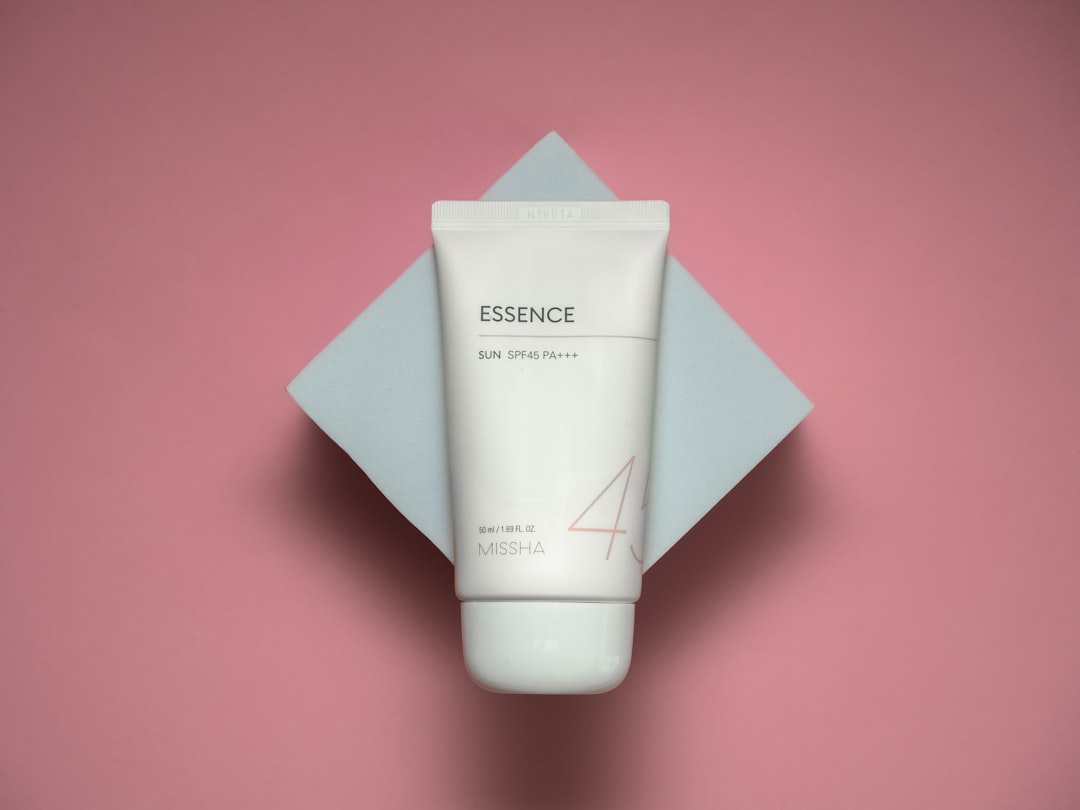
High humidity and heat mean increased sebum production. Switch to gel-based everything: gel cleanser, gel toner, gel moisturizer. Increase BHA frequency to 3x per week. Use mattifying sunscreen formulas like the Missha All Around Safe Block Soft Finish Sun Milk (~$14, Amazon). Keep your routine shorter — you can skip essence during peak humidity months.
Winter (December–February)
Cold air outside and heated air inside create a moisture-sapping environment that can trigger a different kind of acne — dehydration-related breakouts. Add a hydrating layer (Torriden DIVE-IN Serum), switch to a cream-type moisturizer, and reduce exfoliation to 1-2x per week. Consider adding a sleeping mask like Laneige Water Sleeping Mask (~$28, Sephora) 2-3 times per week for overnight intensive hydration.
Dealing with Hard Water
Many U.S. cities have hard water with high mineral content (calcium, magnesium), which can leave a pore-clogging film on your skin and disrupt its pH. If you notice increased breakouts after moving to a new city, hard water may be the culprit. Solutions include using micellar water as a first cleanse, installing a shower head filter ($25-40 on Amazon), or doing a final rinse with bottled or filtered water.
Budget-Friendly K-Beauty Acne Routine: Full Routine Under $100
You don’t need to spend a fortune to build an effective Korean skincare routine for acne-prone skin. Here’s a complete AM/PM routine with every essential step for under $100 total:
| Step | Product | Price | Where to Buy |
|---|---|---|---|
| Oil Cleanser | Banila Co Clean It Zero Purifying | $19 | Amazon |
| Water Cleanser | COSRX Low pH Good Morning Gel | $12 | Ulta / Amazon |
| Toner | Anua Heartleaf 77% Soothing Toner | $22 | Ulta / Amazon |
| Essence | COSRX Snail 96 Mucin Essence | $21 | Sephora / Amazon |
| Moisturizer | COSRX Oil-Free Birch Sap Lotion | $15 | Amazon |
| Sunscreen | Beauty of Joseon Relief Sun SPF50+ | $16 | Amazon |
Total: $105 — and each product lasts 2-3 months with daily use, bringing your monthly skincare cost to roughly $35-50/month. That’s less than a single visit to a dermatologist’s office. Add the COSRX BHA Blackhead Power Liquid ($25) when you’re ready for exfoliation, and you have a truly comprehensive routine.
Before and After: What to Realistically Expect (Timeline)

Setting realistic expectations is critical. Your skin didn’t develop acne overnight, and it won’t clear overnight either. Here’s a realistic timeline for what to expect with a consistent Korean skincare routine for acne-prone skin:
- Week 1-2: Skin may feel softer and more hydrated. Some people experience initial purging (small breakouts) from BHA products. This is normal.
- Week 3-4: Inflammation starts to calm. Existing breakouts heal faster due to centella and snail mucin. New breakouts may still appear but should be less severe.
- Week 5-8: This is the turning point. Most users report a 40-60% reduction in active breakouts. Post-acne marks begin to fade. Skin texture improves noticeably.
- Week 9-12: Significant improvement in overall skin clarity. Pores appear smaller due to consistent BHA use. Skin tone evens out as PIH fades.
- Month 4-6: Full results visible. Skin barrier is strong and resilient. Breakouts are rare and heal quickly when they do occur. The “glass skin” glow begins to emerge.
Pro tip: Take a photo of your face under the same lighting conditions once a week. When you look in the mirror daily, changes seem invisible. But comparing Week 1 to Week 8 photos can be incredibly motivating. How to Get Glass Skin at Home: 7-Step K-Beauty Routine 2026
Frequently Asked Questions About Korean Skincare for Acne
Can I use a Korean skincare routine for acne-prone skin if I’m already on prescription acne medication?
Yes, but with adjustments. If you’re using prescription retinoids (tretinoin, adapalene) or antibiotics, skip the BHA/AHA exfoliation step in your K-Beauty routine to avoid over-irritation. Focus on hydrating, soothing products — the Anua Heartleaf Toner and COSRX Snail Mucin Essence pair beautifully with prescription treatments. Always consult your dermatologist before adding new products to a prescription routine.
Is the 10-step Korean skincare routine necessary for acne-prone skin?
No — the “10-step routine” is a marketing concept, not a dermatological prescription. Most K-Beauty experts in Korea actually use 5-7 steps daily and customize based on their skin’s needs that day. For acne-prone skin, the essential steps are: double cleanse, toner, essence or serum, moisturizer, and sunscreen. Add exfoliation 2-3x weekly. More steps aren’t better — the right steps are better.
Will snail mucin clog my pores or cause breakouts?
Snail mucin is non-comedogenic and has a comedogenicity rating of 0. It actually helps acne-prone skin by providing antimicrobial peptides, promoting wound healing, and delivering lightweight hydration without any pore-clogging oils. However, if you have a known allergy to dust mites, proceed with caution — there’s some cross-reactivity between dust mite and snail proteins in rare cases. Do a patch test on your inner forearm for 48 hours before applying to your face.
How long before I see results from a Korean skincare routine for acne-prone skin?
Most people notice initial improvements in skin hydration and texture within 2 weeks, reduced breakout frequency within 4-6 weeks, and significant clearing within 8-12 weeks. The skin’s natural cell turnover cycle is approximately 28 days, so give any routine at least one full cycle before judging its effectiveness. If you see no improvement after 12 weeks of consistent use, consult a dermatologist — you may need prescription-strength treatments alongside your K-Beauty routine.
Can men use a Korean skincare routine for acne-prone skin?
Absolutely. Skin is skin — acne-fighting ingredients don’t discriminate by gender. In fact, men often benefit even more from K-Beauty routines because male skin tends to produce more sebum (due to higher testosterone levels) and has a thicker dermis. The lightweight textures of Korean products are particularly appealing to men who dislike heavy, greasy creams. Start with the basics — a good cleanser, lightweight moisturizer, and sunscreen — and add steps as needed.
Are K-Beauty products safe for sensitive, acne-prone skin?
Korean skincare brands are among the most rigorous in the world when it comes to formulation safety testing. Many K-Beauty products are dermatologist-tested, hypoallergenic, and free from the EU’s list of banned cosmetic ingredients (which is far more restrictive than the FDA’s). Brands like COSRX, Purito, and SKIN1004 specifically formulate for sensitive, acne-prone skin with minimal ingredient lists. Always check for potential irritants: avoid products containing denatured alcohol (alcohol denat.), artificial fragrance, and essential oil blends if your skin is reactive.
Related Posts
If you found this guide helpful, check out these related articles on our site:
- How to Get Glass Skin at Home: 7-Step K-Beauty Routine 2026
- Korean Skincare Routine for Acne-Prone Skin: 2026 Guide
- Korea Autumn Foliage 2026: Best Time & Top 7 Spots
Suggested new articles we should write:
- Best Korean Moisturizers for Oily Skin: 2026 Dermatologist Picks
- Korean Sunscreen Guide 2026: SPF, PA++++, and How to Choose
- K-Beauty Ingredient Dictionary: 50 Ingredients Explained for Beginners
Start Your K-Beauty Acne Journey Today
Building a Korean skincare routine for acne-prone skin isn’t just about buying products — it’s about fundamentally changing how you think about skincare. Instead of waging war on your skin, you’re healing, protecting, and nourishing it back to health. The results speak for themselves: millions of people worldwide have transformed their acne-prone skin using K-Beauty principles, and you can too.
Start with the essentials — a gentle double cleanse, a hydrating toner, a soothing essence, a lightweight moisturizer, and a reliable sunscreen. Give it eight weeks. Take weekly photos. And most importantly, be patient with your skin and with yourself.
Have you tried any of the products mentioned in this guide? What’s your current acne-fighting routine? Drop a comment below — we read every single one and love hearing about your skincare journeys. If this guide helped you, share it with a friend who’s struggling with breakouts. And don’t forget to subscribe to our newsletter for weekly K-Beauty tips, product launches, and exclusive discount codes delivered straight to your inbox.
Last updated: March 2026. All product prices are approximate and may vary by retailer. This article contains informational content only and is not a substitute for professional dermatological advice.