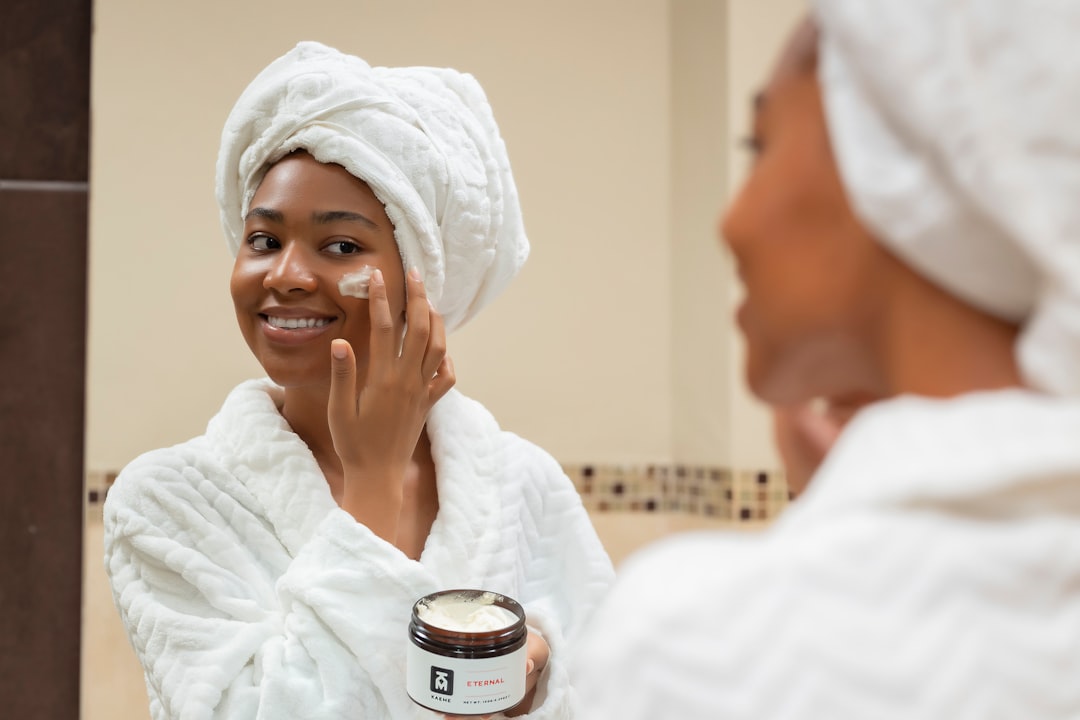
If you’ve been paying attention to the skincare world over the past decade, you already know that K-beauty isn’t just a trend — it’s a movement. South Korea’s beauty industry generated over $13.4 billion in exports in 2025, and analysts project another 9% growth in 2026. From the 10-step routine that took TikTok by storm to the “skinimalism” backlash that followed, the Korean skincare philosophy has continually evolved, always staying one step ahead of Western beauty markets. But here’s what most blogs won’t tell you: the biggest shifts in your K-beauty routine for 2026 aren’t about adding more steps — they’re about smarter ingredients, sustainable science, and hyper-personalized formulations backed by clinical data. Whether you’re battling winter dryness in Chicago, summer humidity in Houston, or the year-round pollution of Los Angeles, these seven data-backed trends will reshape how you care for your skin this year. Let’s dive into exactly what’s coming, what to buy, and how to build the perfect routine for your skin type.
1. The Rise of “Skin Cycling 2.0” — Why Your K-Beauty Routine Needs a Weekly Rhythm
Watch: skincare routine │ korean skincare, glassy + glowy skin, wha
Skin cycling — the concept of rotating active ingredients on different nights — exploded on social media in 2024. But Korean dermatologists have taken this idea further in 2026, introducing what industry insiders are calling “Skin Cycling 2.0.” Instead of a simple four-night rotation, Korean labs now recommend a seven-day protocol that aligns with your skin’s natural renewal cycle, which research published in the Journal of Dermatological Science confirms operates on roughly a 28-day turnover schedule.
How the 7-Day K-Beauty Cycle Works
The updated protocol assigns specific active categories to each day of the week. Monday and Thursday are designated for exfoliation (AHAs or PHAs). Tuesday and Friday focus on barrier repair with ceramide-heavy formulations. Wednesday is reserved for antioxidant serums featuring ingredients like astaxanthin or green tea polyphenols. Saturday is your retinoid night. And Sunday? That’s your “skin rest day” — hydration only, no actives at all.
This approach reduces the irritation that many Western consumers experience when they layer too many actives in a single K-beauty routine. Korean brand COSRX has already released a “Weekly Skin Cycling Kit” ($42, available at Ulta and Amazon) that includes seven individually packaged evening treatments. Meanwhile, Beauty of Joseon launched a similar concept with their Dynasty Cream line, pairing specific serums to specific nights.
Who This Trend Is For
If you live in a Western climate where seasonal shifts are dramatic — think dry, heated indoor air in winter followed by humid summers — skin cycling prevents the over-exfoliation and barrier damage that comes from using retinol and AHAs on consecutive nights. Dermatologists at Seoul National University Hospital found that patients following the seven-day protocol reported 34% less transepidermal water loss compared to those using actives randomly throughout the week.
Pro tip: Start with the gentlest version of each active. For exfoliation nights, try COSRX AHA/BHA Clarifying Treatment Toner ($15, Sephora) before jumping to a full-strength peel. K-Beauty Products: 2026 Korean Skincare Trends
2. Barrier-First Formulations: Ceramides, Cholesterol, and Fatty Acids Take Center Stage
The “glass skin” obsession taught us to chase luminosity, but 2026’s biggest ingredient story is decidedly less glamorous — and far more important. Barrier-first skincare is now the dominant philosophy in Korean product development, driven by clinical research showing that a compromised moisture barrier is the root cause of nearly every common skin complaint, from acne to premature aging.
The Science Behind the Barrier Trend
Your skin’s barrier is composed of three key lipids in a specific ratio: ceramides (50%), cholesterol (25%), and free fatty acids (25%). Most Western moisturizers focus on humectants like hyaluronic acid, which attract water but don’t actually repair the barrier. Korean formulators in 2026 are creating products that mimic this exact lipid ratio, delivering what researchers call a “biomimetic barrier repair” approach.
Dr. Jart+’s Ceramidin line has been reformulated for 2026 with a patented 5-Cera Complex that includes five different ceramide types. The updated Ceramidin Cream ($52, Sephora) now also contains phytosphingosine, a ceramide precursor that stimulates your skin’s own ceramide production. In clinical trials, users saw a 48% improvement in barrier function after just two weeks of twice-daily use.
Best Barrier-Repair Products for Western Climates
If you deal with the kind of dry, wind-chapped skin that’s common in northern U.S. states during winter, barrier repair should be the foundation of your K-beauty routine. Here are the standout products for 2026:
- ILLIYOON Ceramide Ato Concentrate Cream ($18, Amazon) — A cult favorite that now includes madecassoside for anti-inflammatory support. Best for dry and sensitive skin.
- Etude House SoonJung 2x Barrier Intensive Cream ($14, Amazon) — Minimal ingredients, maximum barrier repair. Contains panthenol (5%) and madecassoside.
- Laneige Barrier Repair Sleeping Mask ($34, Sephora) — An overnight treatment that seals in your entire evening routine with a ceramide-cholesterol complex.
- Aestura Atobarrier 365 Cream ($24, Amazon) — A dermatologist-recommended option from Korea’s hospital skincare line, featuring MLE (Multi-Lamellar Emulsion) technology.
The key takeaway? In 2026, your moisturizer shouldn’t just sit on top of your skin — it should functionally rebuild what harsh climates and over-exfoliation have stripped away. See Allure’s roundup of top Korean beauty products
3. Probiotic and Postbiotic Skincare Goes Mainstream
Your gut microbiome has been a wellness buzzword for years. Now, Korean beauty brands are applying the same science to your skin’s microbiome — and the results are genuinely impressive. The global probiotic skincare market is projected to reach $269 million by the end of 2026, with Korean brands capturing nearly 40% of that market share.
Probiotics vs. Postbiotics: What’s the Difference?
Here’s a quick breakdown that every skincare consumer should understand:
Probiotics are live microorganisms. They’re challenging to stabilize in skincare formulations, which is why most “probiotic” products on Western shelves actually contain very few live cultures by the time you open them.
Postbiotics are the metabolic byproducts of probiotic fermentation — things like lactic acid, peptides, and short-chain fatty acids. They’re shelf-stable, easier to formulate, and Korean research suggests they may actually be more effective than live probiotics for skin health. A 2025 study from the Korea Institute of Dermatological Sciences found that postbiotic lysates reduced inflammatory acne lesions by 52% over eight weeks, outperforming benzoyl peroxide (which achieved 43% reduction) with significantly less irritation.
Top Probiotic K-Beauty Products for 2026
Korean brands are leading this category with sophisticated fermentation technology that Western competitors are still catching up to. The standout products include:
- TONYMOLY Ferment Snail Body Essence ($19, Ulta) — Combines snail mucin with galactomyces ferment filtrate for hydration plus microbiome support.
- Missha Time Revolution The First Treatment Essence RX Pro Ferment ($43, Amazon) — Contains 97% fermented Saccharomyces extract that brightens while supporting skin flora.
- Benton Fermentation Essence ($20, Amazon) — A lightweight, alcohol-free essence featuring galactomyces ferment filtrate and bifida ferment lysate.
- SKIN1004 Madagascar Centella Probio-Cica Enrich Cream ($22, Amazon) — Combines centella asiatica with postbiotic lactobacillus ferment for sensitized, acne-prone skin.
Incorporating a fermented or postbiotic product into your daily K-beauty routine is one of the simplest upgrades you can make in 2026. Apply it right after cleansing and before your serums — it functions like a primer that prepares your microbiome to better absorb everything that follows.
4. AI-Powered Personalization: The End of One-Size-Fits-All Routines
If there’s one metatrend connecting every development in K-beauty this year, it’s personalization. Korean tech companies are merging artificial intelligence with cosmetic chemistry to create skincare experiences that adapt to your individual skin on a daily basis. This isn’t marketing fluff — major Korean conglomerates like Amorepacific and LG H&H have invested a combined $320 million in AI skincare R&D since 2023.
How AI Skin Analysis Actually Works
Brands like Laneige and Sulwhasoo now offer app-based skin diagnostic tools that use your phone’s camera to analyze pore size, hydration levels, pigmentation depth, and even early signs of collagen loss. The algorithms compare your skin data against a database of over 10 million Korean and international skin profiles to recommend specific product combinations.
Amorepacific’s “MySkinMentor” platform, which launched globally in early 2026, goes a step further. It tracks environmental factors — your local UV index, humidity, pollution levels, and even indoor heating data — and adjusts your recommended K-beauty routine in real time. Living in Denver’s dry altitude? The app might suggest doubling your hyaluronic acid step. Visiting Miami in August? It’ll swap your rich cream for a lightweight gel moisturizer.
Custom-Blended Products Are Here
Amorepacific’s Tonework device, available at select Sephora locations, creates a custom-blended serum in-store based on your AI skin analysis. You answer questions about your concerns, the device scans your skin, and within three minutes you have a freshly mixed 30ml serum ($65) containing exactly the concentrations your skin needs. The formulation data is saved to your profile so you can reorder online.
For those who prefer a more accessible entry point, Innisfree now offers a “Build Your Own Essence” program on their website ($28-38). You select your top three skin concerns, and their algorithm combines active ingredients from a menu of over 15 options, including Jeju green tea extract, volcanic clay, and orchid stem cells.
This trend matters because it acknowledges a simple truth: your coworker’s holy grail product might be your skin’s worst enemy. Personalization eliminates the guesswork. Korean Travel Guide 2025-2026: Seoul, Busan, Jeju & More
5. “Skinimalism” Evolves: The 5-Step K-Beauty Routine Replaces the 10-Step
Let’s address the elephant in the room. The famous 10-step Korean skincare routine was iconic — but in 2026, even Korean dermatologists are recommending a streamlined approach. Data from the Korean Dermatological Association shows that 62% of Korean women under 35 now follow a 5-step or fewer routine, down from an average of 8.3 steps in 2019. This isn’t about doing less for laziness’ sake. It’s about doing less with better products that each pull more weight.
The Optimized 5-Step K-Beauty Routine for 2026
Here’s what Korean skin experts now consider the essential framework:
| Step | Product Type | Purpose | 2026 Recommendation |
|---|---|---|---|
| 1 | Cleanser | Remove impurities without stripping | Roundlab Dokdo Cleanser ($15, Amazon) |
| 2 | Treatment Essence / Active Serum | Targeted concern (acne, aging, dullness) | Beauty of Joseon Glow Serum ($16, Amazon) |
| 3 | Moisturizer | Barrier repair + hydration lock | ILLIYOON Ceramide Ato Cream ($18, Amazon) |
| 4 | Sunscreen (AM) | UV protection + anti-aging | Beauty of Joseon Relief Sun SPF50+ ($16, Amazon) |
| 5 | Weekly Treatment | Exfoliation or intensive mask | COSRX BHA Blackhead Power Liquid ($18, Ulta) |
Why Fewer Steps Can Mean Better Results
The problem with the 10-step K-beauty routine was never the concept — it was the execution. Layering too many products increases the risk of ingredient conflicts (such as mixing niacinamide with vitamin C at certain pH levels), formula pilling, and simply overwhelming the skin’s absorption capacity. Korean cosmetic chemists now estimate that your skin can effectively absorb a maximum of 3-4 product layers before additional products simply sit on the surface.
The 2026 approach favors “multi-tasking” products. For example, Beauty of Joseon’s Glow Serum combines propolis extract (antibacterial, anti-inflammatory) with niacinamide (brightening, pore-minimizing) in a single step. Similarly, many new Korean sunscreens now include tone-correcting pigments, hydrating hyaluronic acid, and antioxidants — effectively replacing three separate products.
This streamlined approach is especially practical for American consumers juggling busy mornings. A five-step routine takes under five minutes and delivers results that rival (or exceed) the old 10-step marathon.
6. Sustainable and “Clean” K-Beauty: Beyond Greenwashing
Sustainability in beauty has often been more marketing than substance. But in 2026, Korean brands are making measurable, verifiable commitments that set a new global standard. South Korea’s Ministry of Environment introduced the “K-Green Beauty Certification” program in late 2025, requiring brands to meet strict criteria around packaging recyclability, ingredient sourcing transparency, carbon footprint reporting, and ethical labor practices.
What “Clean” Means in Korea vs. the U.S.
It’s worth understanding that Korea’s regulatory framework for cosmetic ingredients has always been stricter than the FDA’s. The Korean MFDS (Ministry of Food and Drug Safety) bans or restricts over 2,400 cosmetic ingredients, compared to roughly 11 that the FDA prohibits. This means that many K-beauty products marketed as “clean” in the U.S. are simply meeting Korea’s baseline regulatory standards.
That said, Korean brands are going beyond compliance in 2026. Innisfree has committed to 100% recycled PET packaging across their entire line by Q3 2026. Laneige introduced refillable pods for their best-selling Water Sleeping Mask, reducing plastic waste by 70% per unit. And emerging brand Beplain uses only domestically sourced Korean botanicals, cutting transportation emissions and supporting local agriculture.
Eco-Friendly K-Beauty Products Worth Trying
- Beplain Cicaful Ampoule II ($19, Amazon) — Sustainably harvested centella asiatica in a recyclable glass bottle. Vegan, fragrance-free, and effective for redness and irritation.
- Innisfree Green Tea Seed Serum (2026 Eco Edition) ($27, Sephora) — Made with upcycled green tea leaves from Jeju Island farms. The bottle is 100% post-consumer recycled plastic.
- Aromatica Reviving Rose Infusion Cream ($32, Amazon) — Certified by the Environmental Working Group (EWG) and packaged in a refillable glass jar.
- Klairs Midnight Blue Calming Cream ($23, Amazon) — Features guaiazulene (an anti-inflammatory derived from chamomile oil) in minimal, recyclable packaging.
When building your K-beauty routine in 2026, consider the environmental footprint alongside efficacy. The good news is that with Korean brands leading the charge, you rarely have to choose between the two. Korean Pet Products: A Guide for Pet Owners
7. Advanced Sun Protection: The New Generation of Korean Sunscreens
Korean sunscreens have always been beloved for their elegant textures — no white cast, no greasy residue, no pilling under makeup. But in 2026, the innovations go far deeper than cosmetic elegance. Korean labs are developing fourth-generation UV filters that provide broader spectrum protection while being safer for both skin and marine ecosystems.
Why Korean Sunscreens Outperform Western Formulas
The key difference comes down to regulation and innovation speed. Korea’s MFDS approves new UV filter molecules faster than the FDA, which hasn’t approved a new sunscreen active ingredient since 1999. This means Korean sunscreens can use filters like Tinosorb S, Tinosorb M, and Uvinul A Plus — next-generation filters that provide superior UVA protection without the skin-drying effects of older chemical filters like avobenzone.
The 2026 crop of Korean sunscreens also addresses a major pain point for American consumers: reapplication. Brands like Isntree and Skin Aqua have developed sunscreen mists and cushion compacts specifically designed for easy reapplication over makeup. No more excuses for skipping your midday SPF touch-up.
Top Korean Sunscreens for Every Skin Type in 2026
| Product | SPF/PA | Best For | Price | Where to Buy |
|---|---|---|---|---|
| Beauty of Joseon Relief Sun | SPF50+ PA++++ | All skin types, daily wear | $16 | Amazon, Sephora |
| Isntree Hyaluronic Acid Watery Sun Gel | SPF50+ PA++++ | Oily, acne-prone skin | $18 | Amazon |
| Roundlab Birch Juice Moisturizing Sunscreen | SPF50+ PA++++ | Dry, dehydrated skin | $20 | Amazon |
| Skin1004 Hyalu-Cica Water-Fit Sun Serum | SPF50+ PA++++ | Sensitive, reactive skin | $17 | Amazon |
Expert tip: Look for the PA++++ rating on Korean sunscreens — this is the highest UVA protection grade and isn’t commonly found on American sunscreen labels. UVA rays are responsible for premature aging and hyperpigmentation, making this rating essential for anyone whose K-beauty routine includes anti-aging goals.
8. K-Beauty Meets K-Culture: The Lifestyle Integration Trend
One of the most fascinating developments in 2026 is how K-beauty is increasingly intertwined with broader Korean cultural trends — from K-pop to Korean cuisine to Korean wellness philosophies. This isn’t just cross-marketing. There’s genuine science connecting diet, lifestyle, and skin health, and Korean brands are building holistic ecosystems that address all three.
The “Beauty Food” Movement
Korean beauty brands are launching ingestible skincare lines that complement topical products. Amorepacific’s VITAL BEAUTIE line includes collagen drinks infused with Korean red ginseng and fermented pomegranate extract. Clinical studies conducted by the brand showed that participants who combined topical skincare with daily collagen supplementation saw a 28% improvement in skin elasticity compared to topical-only users after 12 weeks.
This connects to the Korean dietary philosophy of “eating for your skin.” Traditional Korean foods like kimchi (rich in probiotics), sweet potato (beta-carotene), and perilla leaf (omega-3 fatty acids) have long been associated with clear, glowing skin. Best Korean Food 2025: The Hungry Tourist Guide
K-Pop Influence on Skincare Trends
The influence of K-pop idols on global skincare habits cannot be overstated. When BTS member Jungkook mentioned using Laneige Lip Sleeping Mask in a 2025 interview, it sold out globally within 48 hours. In 2026, brands are formalizing these celebrity partnerships into educational content rather than simple endorsements.
TWICE’s collaboration with Mediheal includes a series of short-form videos explaining the science behind each mask variant, viewed over 200 million times across platforms. This approach is making K-beauty knowledge more accessible to younger American consumers who might otherwise be intimidated by multi-step routines. Breaking K-Pop News, Photos & Viral Videos | Koreaboo
If you’re planning a trip to Seoul to experience K-beauty culture firsthand — visiting flagship stores in Myeongdong, getting a Korean facial in Gangnam, or shopping at Olive Young — check out our comprehensive Korean Travel Guide 2025-2026: Seoul, Busan, Jeju & More for insider tips.
Building Your Perfect 2026 K-Beauty Routine: A Step-by-Step Guide
Now that you understand the seven key trends, let’s put it all together into a practical, customizable K-beauty routine that works for real life in Western climates. We’ll break this down by skin type so you can cherry-pick what works for you.
For Dry Skin (Common in Northern U.S., Winter Months)
Morning:
- Splash with lukewarm water only (skip the morning cleanser to preserve overnight oils)
- Missha Time Revolution First Treatment Essence ($43, Amazon)
- ILLIYOON Ceramide Ato Concentrate Cream ($18, Amazon)
- Roundlab Birch Juice Moisturizing Sunscreen SPF50+ ($20, Amazon)
Evening:
- Banila Co Clean It Zero Cleansing Balm ($19, Ulta) — oil-based first cleanse
- Roundlab Dokdo Cleanser ($15, Amazon) — water-based second cleanse
- Beauty of Joseon Glow Deep Serum ($16, Amazon)
- Dr. Jart+ Ceramidin Cream ($52, Sephora)
- Laneige Lip Sleeping Mask ($24, Sephora)
For Oily and Acne-Prone Skin (Common in Humid Southern U.S.)
Morning:
- COSRX Low pH Good Morning Gel Cleanser ($12, Amazon)
- COSRX Advanced Snail 96 Mucin Power Essence ($17, Amazon)
- Purito Centella Unscented Serum ($15, Amazon) — lightweight, non-comedogenic
- Isntree Hyaluronic Acid Watery Sun Gel SPF50+ ($18, Amazon)
Evening:
- Banila Co Clean It Zero Purifying ($19, Ulta)
- COSRX Low pH Good Morning Gel Cleanser ($12, Amazon)
- COSRX BHA Blackhead Power Liquid ($18, Ulta) — 2-3 times per week
- SKIN1004 Centella Probio-Cica Enrich Cream ($22, Amazon)
Remember, the best K-beauty routine is the one you’ll actually follow consistently. Start with the basics and add products one at a time, waiting at least two weeks between new additions to identify what works and what doesn’t for your specific skin.
Frequently Asked Questions About K-Beauty in 2026
Is a 10-step K-beauty routine still necessary in 2026?
No, and most Korean dermatologists now recommend against it for daily use. The 2026 consensus is that a well-curated 4-5 step K-beauty routine with high-performance, multi-functional products delivers equal or better results than the traditional 10-step approach. The key is choosing products with clinically proven concentrations of active ingredients rather than diluting your routine across too many steps. Save the extended routine for weekly pampering sessions when you can include extras like sheet masks, exfoliating treatments, and facial massage.
Are K-beauty products safe for sensitive, rosacea-prone skin?
Many K-beauty products are specifically formulated for sensitive skin — in fact, Korea’s “cica” (centella asiatica) trend began precisely because Korean consumers were dealing with sensitivity caused by pollution and over-exfoliation. Look for lines specifically designed for reactive skin, such as Etude House SoonJung, Klairs, and Aestura Atobarrier. These brands keep ingredient lists short (often under 15 ingredients), avoid common irritants like fragrance, essential oils, and alcohol, and undergo rigorous hypoallergenic testing. Always patch-test new products on your inner forearm for 48 hours before applying to your face.
How much should I budget for a complete K-beauty routine?
One of K-beauty’s greatest strengths is its price accessibility. A complete 5-step routine using mid-range Korean products typically costs $60-90 total, with individual products lasting 2-3 months each. Compare that to Western prestige brands where a single serum can cost $80-150. Budget-friendly brands like COSRX, Beauty of Joseon, and Purito consistently deliver clinical-grade results at drugstore prices. Even luxury Korean brands like Sulwhasoo and Laneige price their products 30-50% below comparable Western luxury brands like La Mer or SK-II.
Can I mix K-beauty products with Western skincare products?
Absolutely. There’s no rule that says your entire routine must be Korean. Many skincare enthusiasts combine a Korean cleanser, essence, and sunscreen with a Western retinol or vitamin C serum. The important thing is to understand ingredient compatibility. For example, avoid using a vitamin C serum (low pH) immediately after a niacinamide product (neutral pH) — give each product 5-10 minutes to absorb, or use them at different times of day. Korean products tend to be formulated with thinner, more watery textures that layer beautifully under thicker Western creams and serums.
Where is the best place to buy authentic K-beauty products in the U.S.?
For guaranteed authenticity, stick to authorized retailers. Sephora carries curated selections from Laneige, Dr. Jart+, Innisfree, and COSRX. Ulta has expanded its K-beauty section significantly in 2026, adding brands like Peach & Lily and Banila Co. Amazon is the widest selection but requires caution — always buy from the brand’s official Amazon storefront or verified sellers with high ratings. Specialty online retailers like YesStyle, Stylevana, and Olive Young Global offer the broadest range of Korean brands, including niche labels not yet available at major U.S. retailers, though shipping typically takes 7-14 days.
Related Posts
If you found this guide helpful, check out these related articles for more Korean culture and lifestyle insights:
- K-Beauty Products: 2026 Korean Skincare Trends — Deep dives into specific product reviews and ingredient breakdowns.
- Korean Food Trends 2026: Flavours Less Travelled Guide — Discover the Korean superfoods that support glowing skin from the inside out.
- Korean Travel Guide 2025-2026: Seoul, Busan, Jeju & More — Plan your K-beauty shopping trip to Seoul’s Myeongdong and Gangnam beauty districts.
Suggested future reads:
- Best Korean Sunscreens 2026: Dermatologist-Tested Rankings
- K-Beauty for Men: A Beginner’s Guide to Korean Skincare
- Korean Skincare Ingredients Dictionary: 50 Must-Know Actives
Your Skin Deserves the Best — Let’s Talk About It
The K-beauty landscape in 2026 is more exciting, more accessible, and more science-driven than ever before. Whether you’re a seasoned skincare enthusiast who’s been double-cleansing since 2015 or a complete beginner wondering where to start your first K-beauty routine, there has never been a better time to explore what Korean skincare has to offer.
Now it’s your turn. Which of these 2026 trends are you most excited to try? Have you already discovered a Korean skincare product that changed your skin? Drop a comment below — we read and respond to every single one. Your experience might be exactly what a fellow reader needs to hear.
If this guide helped you, share it with a friend who’s curious about K-beauty. And if you want weekly updates on the latest Korean skincare launches, ingredient deep-dives, and exclusive discount codes, subscribe to our newsletter — we promise, no spam, just skin science and smart recommendations delivered straight to your inbox every Tuesday.
Here’s to your healthiest, happiest skin in 2026 and beyond.