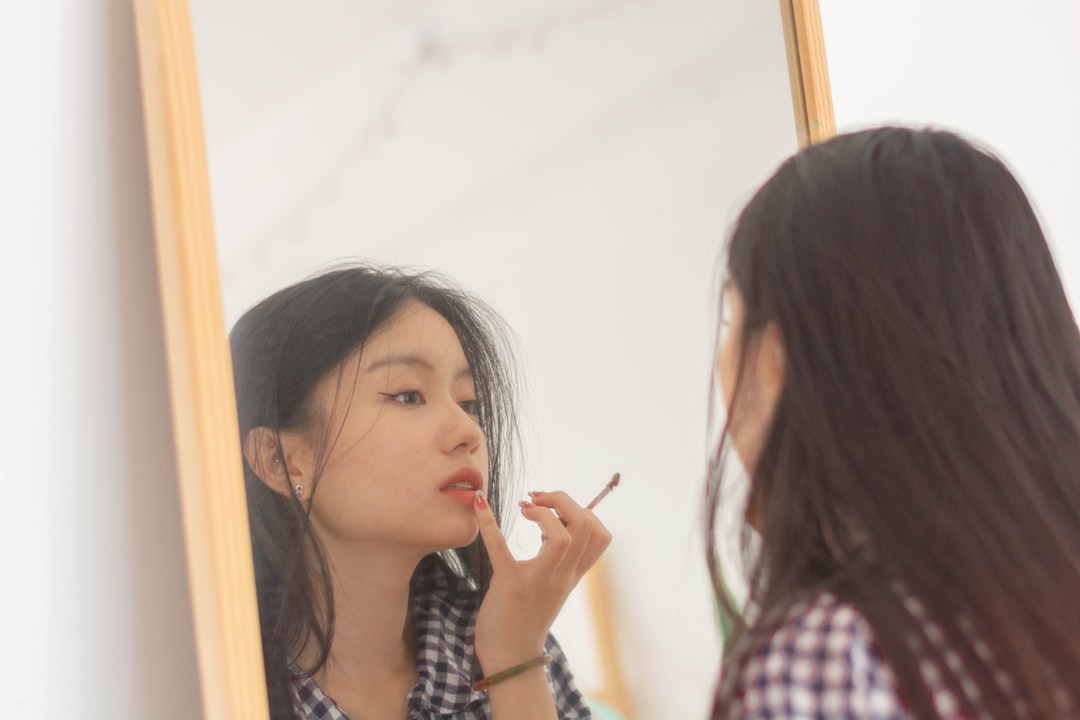
If you’ve ever scrolled through a K-beauty hashtag on Instagram or TikTok, you’ve probably noticed something striking: Korean makeup looks nothing like what you see on Western beauty influencers. While American beauty trends lean into sculpted contours, dramatic smoky eyes, and bold matte lips, Korean beauty culture celebrates dewy skin, soft gradients, and an almost effortless “I woke up like this” aesthetic. But the korean makeup vs western makeup differences go far deeper than just visual style — they reflect fundamentally different philosophies about beauty, skincare, and self-expression.
In 2025, the global K-beauty market surpassed $13.2 billion, and Korean cosmetics brands like Romand, Peripera, and Laneige are now staples on Sephora and Amazon shelves across the United States. Yet many Western consumers still struggle to understand why Korean makeup feels so different when they try it. The answer lies in ingredient innovation, cultural beauty standards, application philosophy, and product formulation. This guide breaks down every major difference so you can decide which approach — or which blend of both — works best for your skin.
1. Philosophy and Beauty Standards: Skin-First vs. Makeup-First
The most fundamental of all korean makeup vs western makeup differences starts before you even open a compact. Korean beauty culture is built on a “skin-first” philosophy — the goal is to make your natural skin look so healthy and luminous that you barely need makeup at all. Western beauty culture, by contrast, often treats makeup as a transformative art form designed to sculpt, define, and dramatically alter your features.
The Korean Ideal: “Your Skin But Better”
In Korea, the highest compliment you can receive is “your skin looks amazing” — not “your makeup looks amazing.” This cultural value drives everything from the famous 10-step Korean skincare routine to the way makeup products are formulated. Korean base products prioritize hydration, luminosity, and a natural finish. You’ll find that most Korean foundations and cushion compacts contain skincare ingredients like hyaluronic acid, centella asiatica, and niacinamide because the line between skincare and makeup is intentionally blurred.
10-Step Korean Skincare Routine for Beginners (2026 Guide)
Korean makeup tutorials almost always begin with an extensive skincare and priming routine. A typical Korean beauty influencer might spend 10 minutes on skin prep and just 5 minutes on actual color cosmetics. The result? That coveted “glass skin” effect — a complexion so dewy and translucent it looks like polished glass.
Korean Glass Skin Routine for Beginners: 7-Step Guide 2026
The Western Ideal: Makeup as Artistry
Western beauty culture — particularly in the United States — celebrates makeup as a creative medium. Think of the heavy-contour era popularized by Kim Kardashian, the bold cut-crease eyeshadow looks on YouTube, or the “Instagram face” trend featuring matte skin, overlined lips, and intense highlight. The goal isn’t necessarily to look natural; it’s to look polished, sculpted, and camera-ready.
Western foundations tend to be higher-coverage, designed to create a flawless, even-toned canvas. Products like Fenty Beauty Pro Filt’r ($42, Sephora) or MAC Studio Fix Fluid ($40, Ulta) are formulated for full coverage and a matte or satin finish. The emphasis is on concealing imperfections rather than letting natural skin texture show through.
Neither approach is “better” — they simply serve different aesthetic goals. And increasingly, beauty lovers worldwide are blending both philosophies for a customized routine that balances skin health with creative expression.
2. Base Makeup: Dewy Cushions vs. Full-Coverage Foundations

Perhaps the most immediately noticeable of the korean makeup vs western makeup differences is how each culture approaches base makeup. The products, finishes, and application techniques couldn’t be more different.
Korean Base Products: Lightweight and Luminous
Korean base makeup revolves around three hero products:
- Cushion compacts — Lightweight, buildable coverage infused with SPF and skincare ingredients. The Laneige Neo Cushion Glow ($38, Sephora) contains niacinamide for brightening and delivers a dewy, barely-there finish.
- BB creams and CC creams — Multi-functional products that moisturize, prime, color-correct, and provide light coverage in a single step. The Missha M Perfect Covering BB Cream ($13, Amazon) has been a cult favorite since 2012.
- Tone-up creams — Tinted moisturizers with light-reflecting particles that brighten and even out skin tone without any discernible “makeup” texture.
Korean base products typically max out at medium coverage because the goal is to let natural skin show through. They’re formulated with ingredients like centella asiatica extract (for calming redness), adenosine (for anti-aging), and hyaluronic acid (for hydration). Many also include SPF 50+ PA++++, which is particularly important given Korea’s emphasis on sun protection as an anti-aging strategy.
Western Base Products: Coverage and Longevity
Western foundations are engineered for coverage, wear time, and shade diversity. The industry has made enormous strides in inclusivity — Fenty Beauty launched with 40 foundation shades in 2017 and has since expanded to 50+. Products like Estée Lauder Double Wear ($48, Sephora) promise 24-hour wear and full coverage that won’t budge.
The shade range difference is significant. While Korean brands traditionally offered limited shade ranges (often just 3-5 shades skewing light), Western brands now routinely launch with 30-50+ shades. This is changing slowly — brands like Fenty Beauty Korea and Bobbi Brown Korea are pushing the Korean market toward greater inclusivity.
| Feature | Korean Base Makeup | Western Base Makeup |
|---|---|---|
| Typical coverage | Sheer to medium | Medium to full |
| Finish | Dewy, luminous, glass-skin | Matte, satin, or natural |
| Hero product | Cushion compact | Liquid foundation |
| Shade range | 3–15 shades | 30–50+ shades |
| Skincare ingredients | Common (HA, niacinamide, SPF) | Less common |
| Average price | $12–$38 | $32–$55 |
3. Eye Makeup: Soft Gradients vs. Bold Drama
Eye makeup is where the korean makeup vs western makeup differences become most visually dramatic. The two styles take entirely opposite approaches to eyeshadow, eyeliner, and even the shape of the eye they’re trying to create.
Korean Eye Makeup: The “Puppy Eye” and Soft Washes of Color
Korean eye makeup favors soft, gradient washes of color in warm neutrals, peaches, and muted roses. The signature Korean eye look involves:
- A single shimmer shade patted across the entire lid with a fingertip (not a brush) for a wet, glassy effect.
- A deeper shade in the outer corner blended softly — no harsh lines, no dramatic crease definition.
- Subtle “aegyo sal” (undereye fat) highlighted with a light shimmer to make eyes appear larger and more youthful.
- Thin, smudged eyeliner that follows the natural lash line and extends slightly downward at the outer corner for the “puppy eye” effect.
The “puppy eye” (also called “innocent eye”) technique angles eyeliner downward at the outer corners to create a soft, approachable look. This contrasts sharply with the Western “cat eye” or “fox eye” that wings liner upward for a lifted, more dramatic effect. Korean palettes like the Romand Better Than Eyes (#Dry Mango Tulip, $12, Amazon) or Etude House Play Color Eyes (#Wine Party, $15, Amazon) feature muted, wearable tones designed for this soft layering technique.
Western Eye Makeup: Sculpted Drama and Bold Color
Western eye makeup celebrates dimension, contrast, and drama. The classic Western eye look involves:
- A defined crease — using a matte transition shade to create depth and dimension in the eye socket.
- Layered shadows — light on the lid, medium in the crease, dark in the outer V, shimmer on the center for a “halo eye” effect.
- Bold eyeliner — thick, graphic lines with a sharp wing that lifts the eye upward.
- Heavy mascara or false lashes — volumizing, lengthening, and curling for maximum impact.
Western palettes like the Urban Decay Naked series ($54, Sephora) or Anastasia Beverly Hills Modern Renaissance ($45, Ulta) offer bold, pigmented shades that perform on brush. They’re designed for blending techniques that Korean eye looks don’t typically require. In Western beauty, the eyeshadow brush collection alone might include 8-10 different shapes — blending brushes, packing brushes, smudge brushes, pencil brushes — while many Korean beauty influencers apply their entire eye look using just their fingertips and one flat brush.
4. Lip Products: Gradient Lips vs. Fully Lined and Filled

The lip category showcases some of the most visible korean makeup vs western makeup differences — and it’s probably the easiest place for beginners to experiment with both styles.
Korean Lips: The Gradient “Just-Bitten” Effect
Korean lip makeup centers on the “gradient lip” (also called “blurred lip” or “bitten lip”). The technique involves concentrating color at the center of the lips and blending it outward so it fades toward the edges. This creates an effortless, youthful look — as if you just ate a popsicle or lightly bit your lips.
The hero product for this look? Lip tints. Korean lip tints are lightweight, water-based or gel-based stains that deliver vivid, long-lasting color without the heavy texture of a traditional lipstick. Top picks include:
- Romand Juicy Lasting Tint (#13 Eat Dotori, $9, Amazon) — A glossy, hydrating tint with a juicy finish. Contains hyaluronic acid for moisture.
- Peripera Ink Velvet (#15 Beauty Peak Rose, $8, Amazon) — A mousse-like velvet tint that blends easily for the gradient effect.
- Etude House Dear Darling Water Gel Tint ($6, Amazon) — A beginner-friendly water-gel formula in adorable fruit packaging.
7 Best Korean Lip Tints for Dry Lips in 2026
Western Lips: Bold, Defined, and Statement-Making
Western lip looks typically aim for full, defined, and evenly-applied color. The classic Western approach involves lining the lips with a lip liner (sometimes slightly overlining for a fuller appearance), then filling in with lipstick or liquid lip color. Products tend to be higher-pigment and more opaque than Korean lip tints.
Best-selling Western lip products include MAC Ruby Woo ($23, Ulta) — a retro matte red that’s been a beauty icon for decades — and Charlotte Tilbury Pillow Talk ($34, Sephora), the universally flattering nude-pink that reportedly sells one every two minutes worldwide. These products deliver full coverage in a single swipe, with no blending or gradient technique required.
The texture preferences also differ. Korean consumers gravitate toward velvet, gel, and water-based textures that feel lightweight on the lips. Western consumers have historically preferred creamy mattes, satin finishes, and thick glosses — though this is shifting as K-beauty influence spreads.
5. Contouring and Sculpting: Subtle vs. Structural
Contouring represents one of the starkest korean makeup vs western makeup differences. The approach each culture takes to reshaping the face through light and shadow reveals fundamentally different goals.
Korean Contouring: Shading for a Smaller, Softer Face
In Korean beauty, contouring (called “shading” in Korean) is minimal and strategic. The focus is on creating the illusion of a smaller, V-shaped face — the Korean beauty ideal. Korean contouring typically involves:
- A cool-toned, ashy contour shade applied lightly along the jawline and sides of the nose.
- No cheekbone sculpting — unlike Western contouring, Koreans rarely contour the hollows of the cheeks because the goal is a round, youthful face, not a chiseled one.
- A natural-looking highlighter on the bridge of the nose and tops of the cheekbones — think subtle gleam, not blinding strobe.
Products like the Too Cool for School Art Class By Rodin Shading ($12, Amazon) are specifically designed for this soft, shadow-like effect. The shades are muted and ashy to mimic natural shadow rather than looking like obvious makeup.
Western Contouring: Sculpted Cheekbones and Defined Features
Western contouring — catapulted into mainstream beauty by Kim Kardashian and makeup artist Mario Dedivanovic around 2014 — is a more aggressive technique designed to sculpt, lift, and define facial features. The classic Western contour routine involves:
- Deep hollows under the cheekbones using cream or powder contour 2-3 shades darker than your skin.
- Forehead sculpting along the hairline and temples.
- Intense highlighting on the high points of the face — cheekbones, nose bridge, brow bone, cupid’s bow — using highly reflective formulas.
- Nose contouring to create the illusion of a slimmer, more defined nose shape.
Products like the Fenty Beauty Match Stix Contour Skinstick ($28, Sephora) or KVD Good Apple Skin-Perfecting Foundation Balm ($42, Ulta) deliver the intense pigmentation needed for dramatic sculpting. Western highlighters like Becca Shimmering Skin Perfector (discontinued but legendary) and Rare Beauty Positive Light Liquid Luminizer ($25, Sephora) are designed to catch light from across a room.
6. Blush Trends: Placement and Purpose

Blush placement is a subtle but telling indicator of the korean makeup vs western makeup differences. Where you put your blush completely changes the mood of a makeup look.
Korean Blush: High, Soft, and Youthful
Korean blush is applied high on the cheeks, close to the under-eye area — sometimes even extending across the bridge of the nose for a “sun-kissed” or “just came in from the cold” effect. This placement creates a youthful, innocent look reminiscent of a child’s natural flush. Colors tend to be soft — muted peaches, baby pinks, and light corals.
The “hangover blush” trend, which became wildly popular in Korea and Japan, involves applying blush right under the eyes and across the nose. While it might seem unconventional to Western beauty lovers, it creates an adorable, slightly vulnerable look that’s deeply embedded in East Asian beauty culture. Korean blush products like the 3CE Face Blush (#Nude Peach, $16, Amazon) and Romand See-Through Velvet Tint used as blush ($9, Amazon) are perfect for achieving this placement.
Western Blush: Sculpted and Defined
Western blush is traditionally applied on the apples of the cheeks and blended upward toward the temples, following the cheekbone structure. This creates a more sculpted, mature, and polished effect. Colors range widely — from soft nudes to vivid pinks, deep berries, and even bold oranges.
Recent Western blush trends have actually moved closer to the Korean style. The “sunburn blush” and “cold girl blush” trends on TikTok — which involve applying blush across the nose and high on the cheeks — are directly inspired by Korean and Japanese blush placement. Products like Rare Beauty Soft Pinch Liquid Blush ($23, Sephora) and Patrick Ta Major Headlines Double-Take Créme & Powder Blush ($36, Sephora) work beautifully for either approach.
7. Ingredient Innovation and Product Formulation
Beyond aesthetics, the korean makeup vs western makeup differences extend into how products are actually formulated. Korean cosmetics brands are widely recognized as leaders in cosmetic innovation, and they approach product development differently from their Western counterparts.
Korean Formulation: Skincare Meets Makeup
Korean makeup products frequently double as skincare. This “skincare-makeup hybrid” approach means you’ll find ingredients in Korean cosmetics that Western consumers might only expect in a serum or moisturizer:
- Centella asiatica (Cica) — Calming and anti-inflammatory. Found in cushion compacts and primers to soothe sensitive skin.
- Niacinamide (Vitamin B3) — Brightening and pore-minimizing. Common in Korean BB creams and tinted moisturizers.
- Hyaluronic acid — Deep hydration. Infused into lip tints, cushions, and setting sprays.
- Propolis and honey extracts — Antibacterial and nourishing. Found in lip masks and tinted balms.
- Green tea extract — Antioxidant protection. Used in primers and sunscreen-makeup hybrids.
Korean brands also tend to release products in innovative formats — cushion compacts, stamp-type blushes, gradient lip bars, and peel-off tints. The speed of innovation is remarkable: Korean beauty brands release new products roughly 2-3x faster than Western brands, with some launching 20-30 new SKUs per quarter.
Explore top-rated Korean beauty products
Western Formulation: Performance and Longevity
Western makeup formulation tends to prioritize wear time, pigmentation intensity, and transfer resistance. In Western climates — particularly in states with hot, humid summers or cold, dry winters — products need to withstand sweat, oil, wind, and temperature extremes. This has driven innovation in long-wear technology.
Western foundations like Estée Lauder Double Wear and Too Faced Born This Way use film-forming agents and oil-absorbing powders to maintain a fresh appearance for 12-24 hours. Setting sprays like Urban Decay All Nighter ($36, Ulta) and Charlotte Tilbury Airbrush Flawless Setting Spray ($38, Sephora) create a protective barrier that locks makeup in place regardless of conditions.
That said, Western brands are increasingly incorporating skincare ingredients into their makeup — a trend many attribute directly to K-beauty’s influence. Products like ILIA Super Serum Skin Tint ($48, Sephora) and Kosas Revealer Skin-Improving Foundation ($42, Sephora) bridge the gap between the two philosophies beautifully.
8. How to Blend Korean and Western Techniques for Your Best Look

You don’t have to choose sides. The smartest beauty approach in 2026 is cherry-picking the best of both worlds. Here’s how to create a hybrid routine that maximizes the strengths of Korean and Western makeup philosophy.
Step-by-Step Hybrid Routine
- Skincare prep (Korean approach): Double cleanse, tone, layer essences, and moisturize. Your skin should be plump and hydrated before any makeup touches it. This is non-negotiable for a beautiful base.
- Sunscreen (Korean essential): Apply SPF 50+ PA++++ sunscreen. Korean sunscreens like Beauty of Joseon Relief Sun ($16, Amazon) are lightweight and sit beautifully under makeup.
- Base makeup (blend both): Start with a Korean cushion compact or BB cream for a natural, dewy base. Then spot-conceal with a Western concealer like NARS Radiant Creamy Concealer ($32, Sephora) only where you need extra coverage.
- Eyes (choose your mood): For daytime, use the Korean soft-gradient technique with muted shimmers. For evening or special events, build up with Western eyeshadow blending techniques for more dimension.
- Blush (Korean placement): Apply blush high on the cheeks near the under-eye area for a youthful, fresh effect — even if you’re using a Western blush product.
- Lips (gradient base, optional full coverage): Start with a Korean lip tint for gradient color. If you want more definition, layer a Western lipstick on top or line your lips before applying tint.
- Set (Western technique): Lightly set with a Western setting spray to lock everything in place — especially important in humid or dry climates.
Best Products for a Hybrid Routine
| Step | Korean Pick | Western Pick |
|---|---|---|
| Base | Laneige Neo Cushion Glow ($38) | NARS Radiant Creamy Concealer ($32) |
| Eyes | Romand Better Than Eyes ($12) | Anastasia Modern Renaissance ($45) |
| Lips | Peripera Ink Velvet Tint ($8) | Charlotte Tilbury Pillow Talk ($34) |
| Blush | 3CE Face Blush ($16) | Rare Beauty Soft Pinch ($23) |
| Setting | Innisfree No-Sebum Mineral Powder ($9) | Urban Decay All Nighter Spray ($36) |
Frequently Asked Questions
Is Korean makeup better for sensitive skin than Western makeup?
Generally, yes. Korean makeup products tend to include more soothing skincare ingredients like centella asiatica, aloe vera, and green tea extract. They also tend to be lighter in texture, which means less potential for clogging pores or irritating reactive skin. However, “Korean” and “Western” are broad categories — there are gentle Western products and harsh Korean products. Always check the ingredient list regardless of origin, and patch-test new products if you have sensitive skin.
Why do Korean foundations have so few shades compared to Western brands?
Korean foundations were historically developed for a relatively homogeneous domestic market, where most consumers fall within a narrow range of skin tones. Western markets — particularly the US — demanded inclusive shade ranges to serve diverse populations. The launch of Fenty Beauty in 2017 set a new industry standard. Korean brands are slowly expanding their shade ranges for international markets, but this remains one of the most significant limitations of K-beauty for many consumers.
Can I achieve the Korean glass skin look with Western products?
Absolutely. The glass skin look is more about technique and skincare prep than specific products. Start with deeply hydrated skin (layer hydrating serums and a rich moisturizer), use a luminous primer, apply a dewy foundation or tinted moisturizer like ILIA Super Serum Skin Tint ($48, Sephora), and top with a liquid highlighter mixed into your moisturizer. The key is hydration at every step and avoiding any matte or powder products that would counteract the glow.
Korean Glass Skin Routine for Beginners: 7-Step Guide 2026
What’s the biggest trend bridging Korean and Western makeup right now?
The “clean girl” and “latte makeup” trends of 2025-2026 are essentially a fusion of Korean and Western aesthetics — minimal, dewy base; soft, neutral eye colors; blurred lips; and strategic blush placement. These trends borrow the Korean skin-first philosophy while using Western product formulations. TikTok and Instagram have accelerated this cross-pollination, and brands on both sides are launching products designed to serve this hybrid aesthetic.
Are Korean makeup products cheaper than Western ones?
On average, yes. Korean drugstore brands like Romand, Peripera, Etude House, and Innisfree typically price products between $5-$20 USD. Comparable Western drugstore brands (Maybelline, L’Oreal, NYX) are in a similar range, but Western prestige brands (MAC, Charlotte Tilbury, NARS) typically run $25-$55+. Korean prestige brands like Sulwhasoo and Hera are priced comparably to Western luxury, but the majority of popular K-beauty makeup sits in an affordable sweet spot that delivers premium-feeling formulations at drugstore prices.
Related Posts You’ll Love
- 10-Step Korean Skincare Routine for Beginners (2026 Guide)
- 7 Best Korean Lip Tints for Dry Lips in 2026
- Korean Glass Skin Routine for Beginners: 7-Step Guide 2026
Suggested future articles:
- Best Korean Sunscreens That Work Under Makeup (2026 Guide)
- Korean vs Japanese Makeup: How Do They Compare?
- 10 Korean Drugstore Makeup Products Under $15 Worth Buying
Final Thoughts: Which Style Is Right for You?
The korean makeup vs western makeup differences ultimately come down to what you want your makeup to do for you. If you value skin health, natural radiance, and a “no-makeup makeup” look, Korean techniques and products will feel like a revelation. If you love creative expression, bold color, and transformative artistry, Western makeup has an unmatched toolkit for that.
But here’s the truth most beauty articles won’t tell you: the best makeup routine is the one you actually enjoy doing every morning. Don’t feel pressured to choose one philosophy over the other. Experiment with both. Try a Korean lip tint with your favorite Western eyeshadow palette. Use a Korean cushion compact under a Western setting spray. The beauty world in 2026 is beautifully borderless — and your routine should be too.
Have you tried Korean makeup products? Do you prefer the dewy K-beauty look or the sculpted Western approach — or a mix of both? Drop your thoughts in the comments below. If this guide helped you understand the differences, share it with a friend who’s curious about K-beauty. And if you want more head-to-head beauty comparisons, product reviews, and skincare deep-dives, bookmark this page and check back weekly — we publish new guides every Tuesday and Friday.