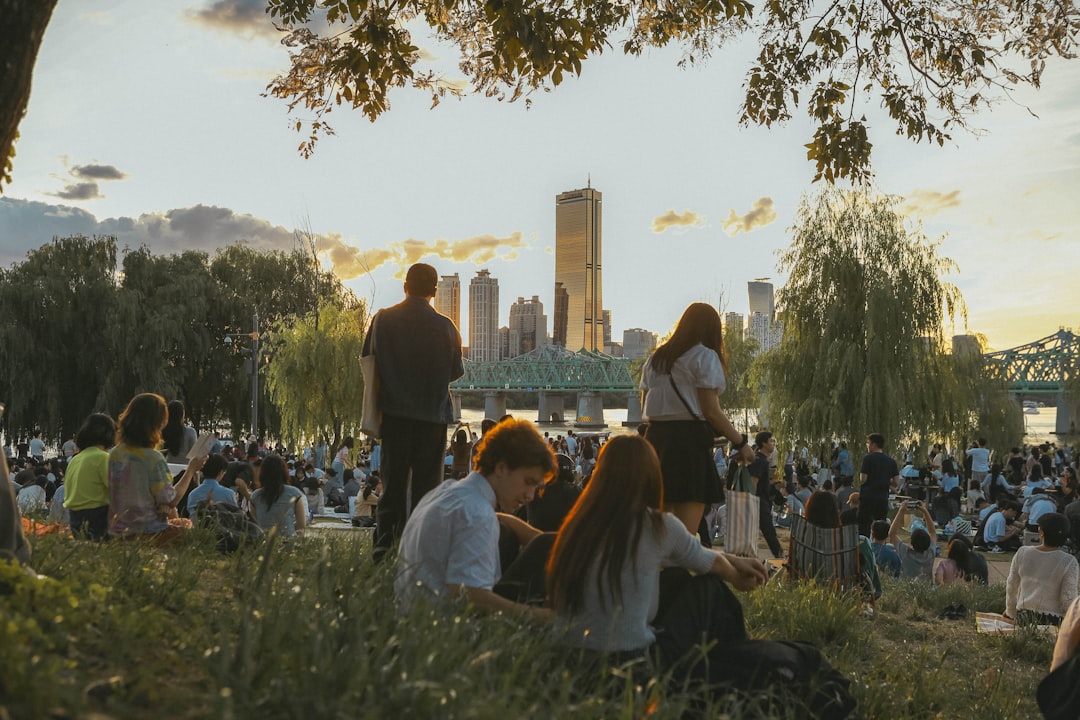
Imagine this: it’s a warm Saturday afternoon in Seoul, and over 2.3 million people are gathered along the banks of the Han River — not for a concert, not for a protest, but simply to sit on a mat, eat fried chicken, and watch the sunset. Welcome to han river picnic spot guide territory, where picnicking isn’t just a casual weekend activity — it’s a full-blown cultural institution. In Korea, the Han River (한강, Hangang) stretches 514 kilometers and cuts right through the heart of Seoul, flanked by 11 beautifully maintained riverside parks that together form one of the largest urban park systems in the world. If Central Park is New York’s backyard, the Han River parks are Seoul’s living room — a place where families, couples, friends, and solo adventurers gather year-round to eat, play, and simply exist together outdoors. Whether you’re planning your first trip to Seoul or you’re a seasoned K-drama fan who’s watched countless romantic riverside scenes, this guide will walk you through everything you need to know about experiencing Korea’s beloved picnic culture firsthand.
Why Han River Picnic Culture Is a Big Deal in Korea
To understand why Koreans are so passionate about Han River picnics, you need to understand the concept of “한강 치맥” (Hangang chimaek) — fried chicken and beer by the river. This isn’t just a meal; it’s a social ritual that represents freedom, relaxation, and community in one of the world’s most fast-paced cities.
The Cultural Roots of Outdoor Gathering
Korea has a long tradition of outdoor communal eating. From flower-viewing picnics (꽃놀이) during cherry blossom season to autumn outings for 단풍놀이 (fall foliage viewing), Koreans have always found reasons to gather outdoors with food. The Han River parks, developed extensively during the 1986 Asian Games and 1988 Seoul Olympics, gave Seoul residents a massive, accessible green space that democratized outdoor leisure. Today, the Seoul Metropolitan Government reports that Han River parks receive over 76 million visitors annually — that’s roughly 208,000 people per day on average.
For context, that’s more annual visitors than Disneyland and Disney World combined. The difference? Admission is completely free.
More Than Just a Picnic — It’s a Lifestyle
In the West, a picnic usually means packing sandwiches, finding a quiet spot, and maybe tossing a frisbee. In Korea, a Han River picnic is an elaborate production. People order delivery food directly to their exact GPS coordinates on the riverbank. They bring portable Bluetooth speakers, LED fairy lights for evening ambiance, and matching picnic mats that coordinate with their outfits. Yes, aesthetic matters — this is the country that invented the “Instagram-worthy” lifestyle long before the app existed.
Korean convenience stores like CU, GS25, and 7-Eleven located inside the parks stock everything from triangle kimbap to ramyeon cooking stations. Some parks even have automated ramen machines where you can cook instant noodles with river views. If you’ve ever seen those viral TikToks of people eating cup noodles by a beautiful river at sunset — that’s the Han River.
If you’re interested in the broader Korean food culture that fuels these picnics, check out our guide on How to Make Authentic Kimchi at Home: 2026 Step-by-Step Guide for a taste of what locals might bring along.
The Ultimate Han River Picnic Spot Guide: Top 11 Parks Ranked

Seoul’s Han River park system consists of 11 distinct parks, each with its own personality. This han river picnic spot guide breaks down the best options depending on what kind of experience you’re looking for. Here’s how they compare:
| Park Name | Best For | Crowd Level | Nearest Subway |
|---|---|---|---|
| Yeouido Hangang Park | Cherry blossoms, festivals, couples | Very High | Yeouinaru (Line 5) |
| Banpo Hangang Park | Rainbow Fountain, night views | High | Express Bus Terminal (Line 3/7/9) |
| Ttukseom Hangang Park | Water sports, young crowd, music | High | Ttukseom (Line 7) |
| Jamwon Hangang Park | Quiet relaxation, families | Medium | Sinsa (Line 3) |
| Mangwon Hangang Park | Hipster vibes, nearby cafes | Medium-High | Mangwon (Line 6) |
| Nanji Hangang Park | Camping, wide open space | Low-Medium | World Cup Stadium (Line 6) |
| Ichon Hangang Park | Families, playgrounds, quiet | Low | Ichon (Line 4/Jungang) |
| Jamsil Hangang Park | Lotte World proximity, sports | Medium | Jamsillaru (Line 2) |
| Gwangnaru Hangang Park | Cycling, nature trails | Low | Gwangnaru (Line 5) |
| Yanghwa Hangang Park | Sunset views, Seonyudo Park | Medium | Dangsan (Line 2/9) |
| Mapo Hangang Park | BBQ zones, group gatherings | Medium | Mapo (Line 5) |
Top Pick: Yeouido Hangang Park
Yeouido is the most iconic han river picnic spot and the one you’ve probably seen in K-dramas and variety shows. During spring, the Yeouido Cherry Blossom Festival draws over 5 million visitors in just one week. The park features a 4.4 km waterfront promenade, designated picnic zones, rental bikes, and dozens of food vendors. It’s the Times Square of Han River parks — crowded but absolutely electric.
If you’re visiting Seoul during autumn instead, don’t miss the stunning fall colors along this same stretch — our Korea Autumn Foliage: Best Time to Visit in 2026 guide has the exact timing you need.
Best Hidden Gem: Jamwon Hangang Park
Located between the trendy neighborhoods of Sinsa-dong and Gangnam, Jamwon is where locals go when they want peace without sacrificing convenience. The park is less commercialized, with wide grass fields perfect for spreading out a large mat. You’ll find fewer tourists and more neighborhood families here. The nearby Garosu-gil shopping street means you can grab artisan pastries and specialty coffee to bring to your picnic.
Best for Night Picnics: Banpo Hangang Park
Banpo is home to the Banpo Bridge Rainbow Fountain — the world’s longest bridge fountain according to Guinness World Records, shooting 190 tons of water per minute in a rainbow of LED-lit arcs. The fountain runs from April to October, with shows every 20 minutes in the evening. Combine the light show with delivery fried chicken, and you’ve got one of the most memorable evening experiences in all of Seoul.
What to Eat: The Essential Han River Picnic Food Guide
No han river picnic spot guide is complete without talking about food. The Korean approach to picnic dining is fundamentally different from the Western sandwich-and-chips model. Here’s what locals actually eat and how to source it.
The Big Three: Chicken, Ramyeon, and Kimbap
These are the holy trinity of Han River picnic food:
- Fried Chicken (치킨) — Brands like BBQ Chicken, BHC, Kyochon, and Puradak all deliver directly to Han River parks. Simply drop a pin on your delivery app (Baemin or Coupang Eats) and a rider will find you. Average price: ₩18,000–25,000 ($13–18 USD) per box. The most popular order? Half-and-half (반반) — one side original fried, one side yangnyeom (sweet-spicy glazed).
- Cup Ramyeon (컵라면) — Every convenience store in the parks has hot water dispensers specifically for cooking instant noodles. The sight of steam rising from cup noodles against a river sunset is practically a Korean aesthetic genre. Top picks: Shin Ramyeon Cup, Jin Jjambbong, and Buldak Carbonara.
- Kimbap (김밥) — Korea’s answer to the sushi roll, but designed for portability. Available at every convenience store for ₩1,500–3,500 ($1–2.50 USD). Tuna, bulgogi, and cheese kimbap are the bestsellers.
Level Up: Delivery Feasts and Convenience Store Hacks
Korean delivery culture means you can order virtually anything to the riverside. Popular upgrade orders include:
- Tteokbokki (spicy rice cakes) from Sindang-dong famous shops
- Jokbal (braised pig’s trotters) — surprisingly popular for group picnics
- Pizza — Korean pizza chains like Mr. Pizza and Pizza Alvolo offer toppings you won’t find elsewhere: sweet potato mousse, bulgogi, and corn-mayo
- Fruit platters and dessert boxes from local bakeries
Convenience store hacks that locals swear by: grab a triangle kimbap + egg sandwich + banana milk combo for under ₩5,000 ($3.50 USD) — it’s the budget picnic starter pack.
For a deeper dive into Korean food culture, explore our guides on 7 Traditional Korean Desserts to Try in 2026 — some of these treats make excellent picnic additions.
Bringing the Han River Picnic Home to the US
Can’t fly to Seoul just yet? You can recreate the experience at home. Korean fried chicken chains like BBQ Chicken and Bonchon now have locations across major US cities. Cup ramyeon brands like Nongshim and Samyang are available at Walmart, Target, H Mart, and Amazon. Grab a Korean-style picnic mat from Amazon (search “Korean waterproof picnic mat”) and head to your nearest riverfront park.
What to Bring: The Complete Han River Picnic Packing List

Korean picnickers have elevated packing to an art form. Here’s a practical checklist based on what experienced locals actually bring, broken into essentials and nice-to-haves.
Absolute Essentials
- Picnic mat (돗자리) — Waterproof, foldable, and ideally large enough for 4+ people. Korean-style mats are thicker than typical Western blankets, with a waterproof bottom layer. You can buy these at Daiso (Korea’s dollar store) for ₩3,000–10,000.
- Wet wipes (물티슈) — Koreans never go anywhere without wet wipes. Fried chicken fingers demand them.
- Trash bags — Han River parks enforce strict clean-up policies, and you’ll see signs everywhere reminding visitors to pack out their waste. Bring at least 2 bags.
- Portable phone charger — You’ll need your phone for delivery apps, music, and photos.
- Sunscreen and hat — The riverside gets surprisingly intense sun exposure with minimal shade in open areas.
Speaking of sun protection, Korean sunscreens are globally renowned — check out our 10-Step Korean Skincare Routine for Beginners (2026 Guide) for product recommendations that Korean picnickers actually use.
Nice-to-Have Upgrades
- Portable Bluetooth speaker — Keep the volume respectful, but K-pop playlists are practically mandatory
- LED fairy lights or lanterns — For evening ambiance (very popular among couples)
- Mini folding table — Available at Korean camping stores like Helinox (a Korean brand now popular worldwide)
- Insect repellent patches — Mosquitoes love the riverside, especially at dusk
- A small tent or pop-up shade — Many parks allow small shade tents (check regulations per park)
Best Times to Visit: Seasonal Han River Picnic Guide
The Han River is a year-round destination, but each season offers a dramatically different experience. Timing your visit right can make the difference between a magical evening and a miserable one.
Spring (March–May): Cherry Blossom Season
Peak picnic season. Temperatures hover around 15–22°C (59–72°F), cherry blossoms line the riverbanks, and the Yeouido Cherry Blossom Festival typically runs in early to mid-April. This is when the parks are at their most photogenic — and most crowded. Pro tip: arrive before 2 PM on weekends to claim a good spot, or go on a weekday evening instead.
Summer (June–August): Chimaek Season
Summer evenings are the spiritual home of chimaek culture. After the brutal daytime humidity (Seoul summers average 30–35°C / 86–95°F with high humidity), locals flock to the river after sunset when temperatures drop to a comfortable 24–27°C. The Han River Night Market at Yeouido and Banpo typically runs from May through October, featuring food trucks, live performances, and craft vendors. Be warned: monsoon season (장마) hits in late June through mid-July, which can wash out plans for 2–3 weeks.
Autumn (September–November): Golden Hour Magic
Many locals consider autumn the best season for Han River picnics. The air is crisp and dry, temperatures are perfect (15–25°C / 59–77°F), and the foliage along the riverbanks turns gold and crimson. Late September through early November is ideal. The crowds thin out compared to spring, and sunset comes earlier, creating beautiful golden-hour photo opportunities from around 5:30 PM.
Winter (December–February): For the Brave
Seoul winters are serious — temperatures regularly dip to -10°C (14°F). But hardcore picnickers still show up with hot packs, thick blankets, and thermos bottles of hot coffee or soju cocktails. Some parks set up ice skating rinks and winter markets. If you’re visiting in winter, focus on indoor-adjacent spots near the park convenience stores where you can warm up quickly.
K-Drama and K-Pop Connections: Famous Han River Scenes

Part of the global fascination with Han River picnics comes directly from Korean entertainment. If you’re a K-drama fan, you’ve seen these riverside scenes dozens of times — and now you can visit the exact filming locations.
Iconic K-Drama Han River Moments
The Han River has appeared in virtually every major K-drama set in Seoul. Some of the most memorable scenes include:
- “Goblin” (도깨비) — The bridge scenes between Gong Yoo and Kim Go-eun were filmed at various Han River locations
- “Crash Landing on You” — Multiple date scenes featured riverside picnic setups
- “Itaewon Class” — Park Seo-joon’s character has contemplative riverside moments at Banpo
- “Start-Up” — The famous bridge confession scene drew visitors from around the world
- “The Glory” — Atmospheric night shots along the Han River contributed to the show’s dark aesthetic
For a complete map of where to find these locations, check out our K-Drama Filming Locations Seoul Map: 15 Spots to Visit in 2026. The Han River parks are just the beginning of Seoul’s drama tourism trail.
K-Pop Idol Sightings and Vlogs
K-pop idols regularly film content at the Han River. BTS’s famous “In the Soop” outdoor segments, BLACKPINK vlogs, and countless idol V-Lives have been filmed at Ttukseom and Yeouido parks. If you’re a K-pop fan planning to visit, our How to Buy K-Pop Concert Tickets in Korea (2026 Guide) can help you plan the full fan experience while you’re in Seoul.
Practical Tips for First-Time Visitors
If this is your first time visiting a Han River park, these practical tips will save you from common mistakes and help you blend in with the locals. Consider this the insider section of our han river picnic spot guide.
Getting There: Transportation
- Subway — The most popular option. Each park is accessible from at least one subway station, usually a 10–15 minute walk. Use the Kakao Metro or Naver Map app for real-time directions.
- Bike rental (따릉이, Ttareungyi) — Seoul’s public bike-sharing system costs just ₩1,000 ($0.70 USD) for one hour. Download the “Seoul Bike” app and pick up a green bike from any station. Riding along the river path is an experience in itself.
- Taxi/Ride-hailing — Kakao T (Korea’s Uber equivalent) can drop you right at the park entrance. Expect ₩5,000–15,000 from central Seoul depending on distance.
- Bus — Multiple bus routes stop near each park. Check Naver Map for the most efficient route from your location.
Ordering Delivery to the River
This is the part that blows most foreign visitors’ minds. In Korea, you can order delivery food to virtually any outdoor location, and the Han River parks are the most popular delivery destination in the country. Here’s how:
- Download Baemin (배달의민족) or Coupang Eats — both have English language options
- Set your delivery location by dropping a pin on the map at your exact spot
- Order from hundreds of nearby restaurants — chicken, pizza, jokbal, tteokbokki, even sushi
- The delivery rider will call you when they arrive at the park entrance. Walk to meet them or provide detailed directions (“near the third lamp post by the water fountain”)
- Average delivery fee: ₩2,000–4,000 ($1.50–3 USD)
Important note: Delivery to Han River parks is so popular that during peak weekend evenings, wait times can stretch to 60–90 minutes. Order early or pre-order before you arrive.
Etiquette and Rules
Korean parks are remarkably clean and well-maintained, largely because of strong social norms around public behavior. Follow these rules to be a respectful visitor:
- Clean up everything — Leave no trace. This is taken very seriously. Parks have designated trash collection points sorted by recyclables, food waste, and general waste.
- Respect noise levels — Music is fine at reasonable volumes, but don’t blast speakers after 10 PM. Some parks have designated quiet zones.
- No open fires or charcoal grills — Only designated BBQ areas (like at Mapo Hangang Park) allow grilling. Portable gas stoves are generally prohibited in open areas.
- Alcohol is allowed — Unlike many US parks, drinking beer, soju, and makgeolli is perfectly legal and normal at Han River parks. However, disorderly conduct will attract park security.
- Cycling paths are separate — Don’t set up your picnic mat on the bike path (marked in red). This is a common tourist mistake.
Han River Activities Beyond Picnicking

While the picnic itself is the main event, the Han River parks offer a surprising range of activities that can extend your visit from a few hours to a full day.
Water Sports and Recreation
Ttukseom and Yeouido parks are the main hubs for water activities. From April through October, you can try:
- Stand-up paddleboarding (SUP) — Rental starts at ₩20,000/hour ($14 USD)
- Kayaking — Both single and tandem kayaks available, ₩15,000–25,000/hour
- Windsurfing — Lessons available for beginners at Ttukseom
- Jet ski rides — Guided tours along the river, ₩30,000–50,000
- River cruises — Evening dinner cruises with live music, ₩25,000–60,000 per person
Cycling the Full River Path
The Han River Cycling Path is a continuous 42 km loop along both banks. It’s one of the best urban cycling experiences in Asia — flat, well-paved, and scenic the entire way. Rent a Ttareungyi bike for ₩2,000 for two hours, or splurge on an electric bike rental from private shops near the parks (₩15,000–20,000 for half a day).
Couple Activities and Date Spots
The Han River is one of Seoul’s most popular date destinations. Korean couples are famous for their creative date setups — think matching outfits, coordinated picnic spreads, and professional-level photo shoots right on the grass. For more on this uniquely Korean phenomenon, read our Why Do Korean Couples Wear Matching Outfits? 2026 Guide.
Popular couple activities include tandem bike rides, river cruises at sunset, and renting a private picnic setup from companies like “Picnic Seoul” that arrange everything from the mat to the food to the fairy lights — all you have to do is show up. These styled picnic services cost ₩80,000–150,000 ($55–105 USD) and are increasingly popular for proposals and anniversaries.
Skincare and Beauty at the River: What Korean Women Actually Bring
You might be surprised to learn that a sun protection and skincare kit is standard in every Korean woman’s picnic bag. Korea’s beauty-conscious culture doesn’t take a day off just because you’re outdoors. Here’s what you’ll see locals applying:
- SPF 50+ sunscreen — Reapplied every 2 hours, non-negotiable. Korean sunscreen formulas are lighter and less greasy than Western brands — our Korean Glass Skin Routine for Beginners: 7-Step Guide 2026 explains why Korean sun protection is a game-changer.
- Cushion compact with SPF — For touch-ups without a mirror
- Lip tint — Because Korean lip products are designed to stay put through eating and drinking. See our 7 Best Korean Lip Tints for Dry Lips in 2026 for outdoor-proof options.
- Sheet masks — Yes, some people apply sheet masks at the river (usually in groups, as a fun beauty moment). Check Best Korean Sheet Masks for Dry Skin 2026 for travel-friendly options.
- Misting spray — For hydration in humid summer weather
Many of these Korean beauty products are now available at Sephora, Ulta, Target, and Amazon in the US, so you can build your own picnic beauty kit before your trip — or even for local park outings at home.
Frequently Asked Questions About Han River Picnics
Is the Han River safe for tourists?
Absolutely. Seoul is one of the safest major cities in the world, and the Han River parks are patrolled by park security, equipped with CCTV cameras, and well-lit at night. You’ll see families with young children, solo joggers, and elderly couples walking well past midnight. Standard travel precautions apply — watch your belongings in crowded areas — but violent crime is extremely rare. For more information on visiting Seoul, check Visit Korea official tourism site.
Can I drink alcohol at Han River parks?
Yes. Unlike many parks in the United States where alcohol is prohibited, drinking is legal and culturally normal at all Han River parks. Beer, soju, makgeolli (rice wine), and canned cocktails are sold at every convenience store within the parks. The key expectation is that you drink responsibly, don’t become disorderly, and clean up all cans and bottles when you leave.
What time do Han River parks close?
Technically, the parks are open 24 hours. However, most facilities (convenience stores, rental shops, water sports) close between 9 PM and 11 PM depending on the season. Many Koreans stay at the river until midnight or later during summer weekends. Lighting is available along main paths, but some grassy areas get quite dark after facilities close.
Do I need to speak Korean to order delivery to the river?
Not necessarily. Both Baemin and Coupang Eats offer English interfaces, and you can complete the entire ordering process in the app without speaking to anyone. The only Korean you might need is when the delivery rider calls — in which case, saying “여기요!” (yeogi-yo, meaning “over here!”) and waving usually does the trick. Alternatively, ask a nearby Korean person for help — locals are generally extremely friendly and helpful to foreign visitors.
What’s the best han river picnic spot for families with kids?
Ichon Hangang Park and Jamsil Hangang Park are the top family-friendly choices. Ichon has a large playground, a nature ecology park, and wide open spaces with fewer crowds than Yeouido. Jamsil offers proximity to Lotte World (Korea’s biggest indoor theme park) and has sports facilities including basketball courts and inline skating paths. Both parks have clean restroom facilities and are easily accessible via subway.
Can I camp overnight at the Han River?
Nanji Hangang Park is the only park with a designated camping zone, and reservations are required through the Seoul Metropolitan Government website. Camping outside designated areas is not officially permitted, though you’ll occasionally see people napping in small tents during daytime. For a full camping experience, book a spot at Nanji — it includes fire pit access, restrooms, and riverside views.
Related Posts
If you enjoyed this han river picnic spot guide, you’ll love these related articles:
- K-Drama Filming Locations Seoul Map: 15 Spots to Visit in 2026
- Korea Autumn Foliage: Best Time to Visit in 2026
- 7 Traditional Korean Desserts to Try in 2026
Suggested future articles:
- Best Seoul Street Food Markets: Ultimate 2026 Guide
- Seoul Subway Guide for Tourists: Tips, Apps, and Hacks 2026
- Korean Convenience Store Must-Buys: Top 30 Snacks and Drinks
Your Turn: Share Your Han River Picnic Story
Whether you’ve already experienced the magic of a Han River sunset picnic or you’re adding it to your Seoul bucket list right now, we want to hear from you. What’s your dream Han River picnic setup? Which park are you most excited to visit? Have you ever ordered fried chicken delivery to an outdoor location?
Drop a comment below with your thoughts, questions, or your own han river picnic spot guide tips. If this article helped you plan your trip, share it with a friend who’s been binge-watching K-dramas and dreaming of Seoul. And don’t forget to bookmark this page — we update our guides regularly with the latest seasonal information, new park developments, and reader tips.
Subscribe to our newsletter for weekly Korean culture guides, K-beauty recommendations, and travel tips delivered straight to your inbox. Your next adventure starts at the Han River — we’ll help you make it unforgettable.