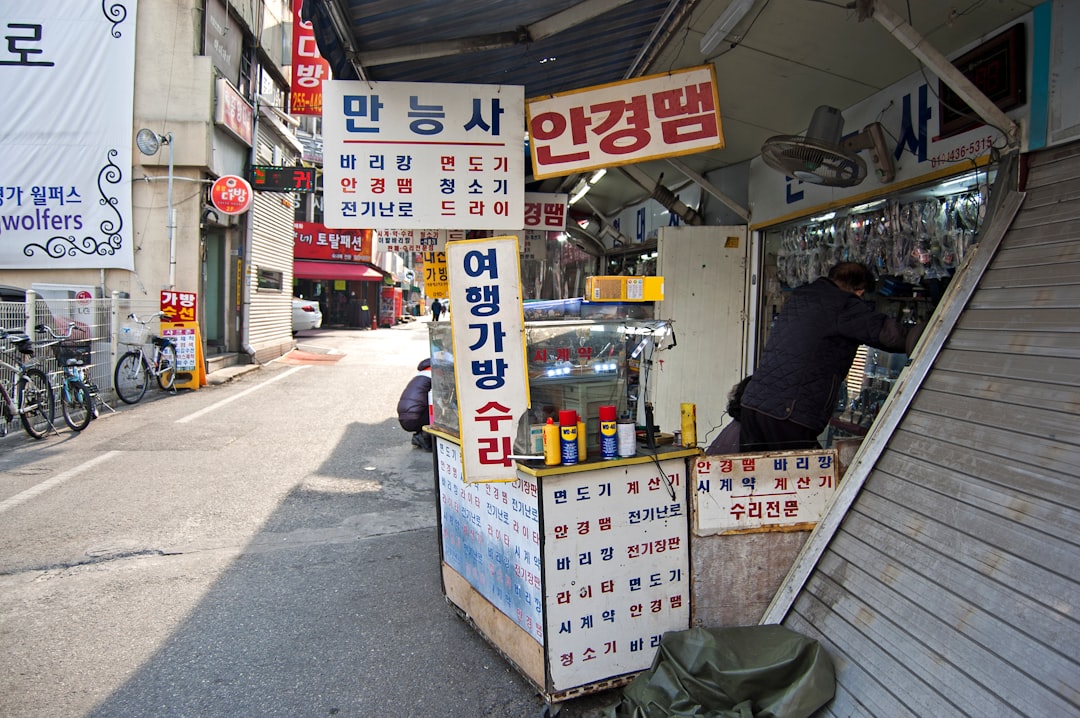
Why Korean Street Food Is Taking Over the World in 2026
Picture this: you’re walking down a narrow alley in Seoul’s Myeongdong district, and the air hits you like a warm blanket soaked in garlic, sesame oil, and caramelized sugar. Vendors shout over sizzling griddles while tourists and locals alike crowd around tiny stalls, their hands wrapped around paper cups of tteokbokki so red and glossy it looks like edible lacquer. That single moment — standing in a cloud of steam with sauce dripping down your wrist — is exactly why Korean street food has become a global obsession.
According to the Korea Tourism Organization, street food was the #1 reason international visitors cited for choosing Seoul over Tokyo or Bangkok in their 2025 travel survey. And it’s not hard to see why. Korean street food isn’t just cheap eats — it’s a culinary philosophy built on bold flavors, ingenious textures, and centuries of tradition compressed into a $3 paper cup.
Whether you’re planning a trip to Korea or hunting for the best must try Korean street food guide to recreate these flavors at home, this article breaks down the absolute essentials. We’ve ranked, compared, and dissected every major street food so you know exactly what to order, where to find it, and how to make it yourself. Let’s dive in.
The Top 10 Must-Try Korean Street Foods: Complete Comparison

Before we go deep on each dish, here’s a side-by-side comparison of the 10 best Korean street foods you absolutely cannot skip. This table covers price, spice level, dietary notes, and where to find each one — whether you’re in Seoul or shopping at H-Mart in New Jersey.
| Street Food | Avg. Price (Seoul) | Spice Level | Vegetarian? | Best Season |
|---|---|---|---|---|
| Tteokbokki | $2.50–$4 | 🌶🌶🌶 | ✅ (most versions) | Year-round |
| Hotteok | $1–$2 | None | ✅ | Winter |
| Korean Corn Dogs | $3–$5 | None | ❌ | Year-round |
| Gimbap | $2–$3.50 | None | ✅ (veggie version) | Year-round |
| Twigim (Fried Snacks) | $1.50–$3 | 🌶 (with sauce) | ✅ (veggie options) | Year-round |
| Odeng / Eomuk | $1–$2 | None | ❌ | Fall/Winter |
| Gyeran-ppang | $2–$3 | None | ❌ | Winter |
| Tornado Potato | $3–$4 | None | ✅ | Year-round |
| Bungeoppang | $1–$2 | None | ✅ | Winter |
| Dakgangjeong | $5–$8 | 🌶🌶 | ❌ | Year-round |
Now let’s break each one down in detail so you can build your ultimate must try Korean street food guide — complete with insider tips most tourists never hear about.
Tteokbokki: The Undisputed King of Korean Street Food
What Makes Tteokbokki So Addictive?
Tteokbokki (떡볶이) is chewy rice cakes swimming in a fiery, sweet-savory sauce made from gochugaru (Korean red pepper flakes) and gochujang (fermented chili paste). The texture is unlike anything in Western cuisine — imagine a gummy bear crossed with fresh mozzarella, then drenched in a sauce that’s simultaneously sweet, spicy, and deeply umami.
The dish dates back to the Joseon Dynasty (1392–1897), where it was originally a royal court dish made with soy sauce, not chili. The modern spicy version exploded in popularity in the 1950s when a vendor in Seoul’s Sindang-dong neighborhood accidentally dropped rice cakes into her chili sauce. That “accident” spawned an entire culinary empire.
Today, Sindang-dong Tteokbokki Town is still the most famous destination for the dish, with over 30 specialized restaurants lining a single street. Expect to pay around 4,000–6,000 KRW ($3–$4.50 USD) for a generous portion.
Tteokbokki Variations You Need to Know
- Rose Tteokbokki — A creamy, pink version made with heavy cream and tomato sauce. Less spicy, incredibly rich. This went massively viral on TikTok in 2024 and you can now find it at most Korean restaurants worldwide.
- Cheese Tteokbokki — Topped with a blanket of melted mozzarella. The cheese tempers the heat and adds a stretchy, gooey dimension.
- Gungjung Tteokbokki — The original royal court version with soy sauce, vegetables, and beef. Zero spice, maximum elegance.
- Rabokki — Tteokbokki + ramyeon (instant noodles). Carb lovers, this is your endgame.
Where to Find Tteokbokki Outside Korea
In the US, H-Mart sells frozen tteokbokki kits from brands like Yopokki and CJ Bibigo for $4–$7. These microwave-ready cups are shockingly good for a packaged product. For the DIY route, grab a bag of fresh rice cakes (tteok) from the refrigerated section and follow Maangchi’s classic tteokbokki recipe — her version has over 20 million views for a reason.
If you’re visiting Seoul, skip the tourist traps in Myeongdong and head straight to Sindang-dong Tteokbokki Town (신당동 떡볶이타운) near Sindang Station, Line 2. Myeongdong Best Street Food Spots & Shopping Guide 2026
Hotteok: Korea’s Perfect Winter Dessert Street Food

The Anatomy of a Perfect Hotteok
Hotteok (호떡) is a stuffed pancake made from a yeasted dough filled with a mixture of brown sugar, cinnamon, and crushed peanuts or seeds. When pressed flat on a greased griddle and cooked until golden and crispy, the filling melts into a molten, caramel-like syrup that oozes out with every bite.
The outside is shatteringly crispy — thin and almost cracker-like — while the inside is soft, pillowy dough wrapped around a pocket of liquid sugar that reaches temperatures hot enough to burn the roof of your mouth. And you’ll let it, because it’s that good. Experienced street food eaters know to bite a small corner first and let steam escape before going all in.
Hotteok originally came to Korea via Chinese immigrants in the early 1900s, and the name literally means “Chinese rice cake” (호 = Hu/Chinese, 떡 = rice cake). Over the decades, Koreans made it entirely their own, and today it’s as Korean as kimchi.
Regional Hotteok Variations
Not all hotteok is created equal. Here’s what to look for depending on where you are:
- Busan Seed Hotteok (씨앗호떡) — Busan’s famous BIFF Square night market serves hotteok stuffed with a mix of sunflower seeds, pumpkin seeds, and sesame seeds alongside the brown sugar. The nutty crunch takes it to another level. This is widely considered the best hotteok in Korea.
- Green Tea Hotteok — Found in Jeju Island, made with matcha-infused dough and sometimes filled with red bean paste. Beautiful to look at, subtly earthy in flavor.
- Savory Hotteok (야채호떡) — Stuffed with glass noodles (japchae), vegetables, and sometimes kimchi. Popular in street markets throughout Seoul. This is the underrated choice most tourists miss.
If you have a sweet tooth, don’t miss our related guide: 7 Best Korean Desserts to Try in 2026: A Sweet Guide
Making Hotteok at Home
H-Mart and most Asian grocery stores sell CJ Beksul Hotteok Mix for around $5. It comes with pre-measured dough mix and filling — just add water and a bit of oil. The whole process takes about 20 minutes and yields 8–10 pancakes. For an upgraded version, add a tablespoon of toasted black sesame seeds and a pinch of sea salt flakes on top right after cooking. The salty-sweet contrast is extraordinary.
Korean Corn Dogs (Gamja Hot Dog): The Instagram Sensation
Why Korean Corn Dogs Are Nothing Like American Corn Dogs
Forget everything you know about corn dogs. Korean corn dogs (핫도그) are a completely different species. Instead of a simple cornmeal batter, Korean versions use a yeasted rice flour dough that’s chewier and lighter. But the real magic is in the coatings and fillings.
The most popular variety is the mozzarella cheese corn dog — a stick of hot dog surrounded by stretchy mozzarella, coated in batter, rolled in panko breadcrumbs or cubed potato pieces, then deep-fried until golden. When you pull it apart, the cheese stretches in those dramatic, Instagram-worthy strings that have generated billions of views on social media.
Korean corn dog chains like Myungrang Hot Dog and Two Hands Corn Dogs have expanded aggressively across the US, with over 150 combined locations as of 2026. You can find them in most major cities — check for locations in your area.
The Must-Try Varieties
- Potato Corn Dog — Coated in cubed french fry pieces before frying. Crunchy, starchy, and supremely satisfying.
- Injeolmi Corn Dog — Rolled in sweet soybean powder (injeolmi) after frying. A sweet-savory mashup that shouldn’t work but absolutely does.
- Rice Crispy Corn Dog — Coated in puffed rice cereal for an extra-crunchy shell.
- Half-and-Half — Half mozzarella, half hot dog on the same stick. The best of both worlds.
Pro tip: always order yours with a generous squeeze of yellow mustard and ketchup, then dusted with white sugar. Yes, sugar on a corn dog. Trust the process.
Gimbap: Korea’s Ultimate Portable Meal

Gimbap vs. Sushi: Let’s Settle This Once and For All
Gimbap (김밥) looks like sushi from a distance, but the similarities end at the seaweed wrapper. Here’s the breakdown:
| Feature | Gimbap | Sushi (Maki) |
|---|---|---|
| Rice seasoning | Sesame oil + salt | Rice vinegar + sugar |
| Protein | Cooked (spam, bulgogi, tuna) | Raw fish (typically) |
| Vegetables | Pickled radish, spinach, carrot, burdock | Cucumber, avocado |
| Serving temp | Room temperature | Cool/chilled |
| Dipping sauce | None needed | Soy sauce + wasabi |
Gimbap is fundamentally a portable, self-contained meal designed to be eaten on the go — no chopsticks, no soy sauce, no fuss. Korean moms pack it for school lunches, hikers carry it up mountains, and office workers grab it from the convenience store for 2,500 KRW ($1.90). It is the rice roll perfected.
Best Gimbap Fillings to Order
- Chamchi (Tuna) Gimbap — Canned tuna mixed with mayo and sesame oil. The single most popular flavor across Korea.
- Bulgogi Gimbap — Sweet marinated beef with vegetables. Rich, savory, and deeply satisfying.
- Kimchi Gimbap — Spicy aged kimchi and pork. A flavor bomb in every bite.
- Nude Gimbap (누드김밥) — Rice on the outside, seaweed on the inside. The “inside-out” roll that’s visually stunning and great for Instagram content.
- Mayak Gimbap (마약김밥) — Literally “addictive gimbap.” Tiny, bite-sized rolls served with a sweet mustard dipping sauce. Once you start, you genuinely cannot stop. This originated in Gwangjang Market and is now everywhere.
For the freshest gimbap experience in Seoul, visit Gwangjang Market — Korea’s oldest traditional market, operating since 1905. The mayak gimbap stalls near Gate 2 are legendary. Korea Tourism Organization – Korean Food Guide
Odeng, Twigim, and Gyeran-ppang: The Holy Trinity of Winter Street Snacks
Odeng (Fish Cake Skewers) — Warmth on a Stick
Odeng (오뎅), also called eomuk (어묵), is a fish cake threaded onto bamboo skewers and simmered in a steaming, anchovy-and-kelp dashi broth. The fish cake itself is mild and slightly chewy, but the real star is the broth — you’ll find communal cups by every vendor so you can ladle yourself a free serving of the savory, soul-warming liquid.
Odeng is the ultimate cold-weather comfort food. On a freezing December night in Seoul, nothing — and I mean nothing — beats wrapping your frozen hands around a hot cup of odeng broth while eating the skewers one by one. Most vendors charge per skewer (500–1,000 KRW / $0.40–$0.75), and you settle up at the end based on how many sticks you’ve collected.
At home, you can find frozen fish cake sheets at H-Mart or any Korean grocery store. Brands like Sempio and Sajo sell pre-cut skewer-ready fish cakes. Simmer them in anchovy-kelp stock with a splash of soy sauce and you’ve got authentic street-style odeng in 15 minutes.
Twigim (Korean Tempura) — The Crunchy Sidekick
Twigim (튀김) is Korea’s answer to Japanese tempura, but heartier and more rustic. Street vendors batter and deep-fry everything from sweet potatoes, squid, shrimp, boiled eggs, glass noodle rolls (japchae-mari), and even chili peppers stuffed with pork.
The batter is thicker than Japanese tempura — less lacy, more crunchy — and the whole platter gets served with a side of tteokbokki sauce for dipping. The combination of twigim + tteokbokki + odeng is what Koreans call the “street food trinity,” and almost every pojangmacha (tent bar) in Korea serves all three together.
The best twigim items to order:
- Goguma twigim (sweet potato) — Thick-sliced, crispy-edged, naturally sweet. The crowd favorite.
- Ojingeo twigim (squid) — Tender inside, shattering crust outside.
- Yache twigim (vegetable fritter) — A flat disc of mixed vegetables pressed together and fried. Similar to a Japanese kakiage but bigger and bolder.
- Gyeran twigim (boiled egg) — A whole hard-boiled egg, battered and fried. Simple, perfect, and criminally underrated.
Gyeran-ppang (Egg Bread) — The Breakfast Champion
Gyeran-ppang (계란빵) is a sweet, fluffy bread roll baked with a whole egg cracked on top. The bread is slightly sweet — think cornbread meets cake — and the egg cooks to a soft, jammy center. It’s Korea’s version of grab-and-go breakfast, sold from carts outside subway stations every morning starting around 6 AM.
Modern versions have gotten creative. You’ll now find gyeran-ppang topped with bacon and cheese, cream cheese and garlic butter, and even spicy tuna mayo. The cheese-bacon version from the carts near Hongdae Station is particularly incredible.
For more sweet Korean treats, check out 7 Traditional Korean Desserts to Try in 2026.
Dakgangjeong and Tornado Potato: Modern Classics

Dakgangjeong — Sweet-Spicy Fried Chicken Bites
Dakgangjeong (닭강정) is bite-sized fried chicken coated in a sticky, sweet-spicy glaze made from gochujang, soy sauce, garlic, and corn syrup. The chicken is double-fried for maximum crunch, then tossed in the sauce and garnished with crushed peanuts and dried chili peppers.
While Korean fried chicken restaurants have conquered the world (shoutout to Bonchon, bb.q, and Pelicana), dakgangjeong remains a distinctly street food experience. The portions are generous — typically 8,000–12,000 KRW ($6–$9) for a large paper cup — and the chicken stays impossibly crunchy even after being drenched in sauce.
The secret is the double-frying technique: the first fry cooks the chicken through, and the second fry at a higher temperature creates a glass-like shell that resists moisture. This is why Korean fried chicken stays crispy for hours when American-style fried chicken goes soggy in minutes.
The best dakgangjeong in Korea is arguably found in Sokcho, a coastal city in Gangwon Province. The famous Manseok Dakgangjeong shop regularly has lines stretching down the block, with customers driving hours specifically for their version.
Tornado Potato (Hoeori Gamja) — The Theme Park Staple
The tornado potato (회오리감자) is pure spectacle: a whole potato spiral-cut into a single continuous ribbon, stretched along a wooden skewer, and deep-fried until golden and crunchy. It’s like a potato chip in coil form, and it’s as fun to eat as it is to photograph.
Vendors season them with everything from cheese powder, barbecue seasoning, honey butter, to seaweed salt. Some stalls weave a hot dog through the center of the spiral for the ultimate Korean street food mashup.
You’ll find tornado potatoes at every major tourist area in Korea — Myeongdong, Insadong, Namsan Tower, and especially Lotte World and Everland theme parks, where they’ve become the unofficial snack. The average price is 3,000–4,000 KRW ($2.25–$3).
Bungeoppang and Hodugwaja: Traditional Korean Sweet Treats
Bungeoppang — The Fish-Shaped Pastry
Bungeoppang (붕어빵) is a fish-shaped pastry filled with sweet red bean paste (patbap), baked in a cast-iron mold until the outside is crispy and the inside is warm and gooey. Despite the fish shape, there’s absolutely no fish involved — the mold is shaped like a bungeo (crucian carp) purely for fun.
Bungeoppang is a winter-only street food, appearing around late November and disappearing by March. The vendors set up temporary stalls on street corners, and the warm, sweet aroma is one of the most nostalgic scents in Korean culture. For many Koreans, the first bungeoppang of the season signals that winter has truly arrived.
Modern variations include fillings of custard cream, Nutella, sweet potato, and even pizza cheese. But purists insist on the classic red bean version — and honestly, they’re right. The earthy sweetness of well-made red bean paste is irreplaceable.
A pro debate among Koreans: do you eat the head or the tail first? There is no right answer, but people have strong opinions. Choose wisely.
Hodugwaja — Walnut Pastries from Cheonan
Hodugwaja (호두과자) are tiny, walnut-shaped pastries filled with red bean paste and a whole walnut piece. They originated in Cheonan, a city south of Seoul, and are now sold at every major highway rest stop, bus terminal, and train station in Korea.
These bite-sized treats are addictive — they come in bags of 15–20 for around 5,000 KRW ($3.75), and it’s nearly impossible to eat just one. The shell is part waffle, part pancake, and the combination of crunchy walnut, sweet red bean, and crispy dough is perfectly balanced.
Explore more of Korea’s dessert culture in our comprehensive guide: 7 Best Korean Desserts to Try in 2026: A Sweet Guide
Where to Experience Korean Street Food: Best Markets and Neighborhoods
Top 5 Street Food Destinations in Seoul
- Gwangjang Market (광장시장) — The OG. Korea’s oldest market with dedicated street food alleys. Famous for mayak gimbap, bindaetteok (mung bean pancakes), and yukhoe (raw beef tartare). Open daily 9 AM–11 PM.
- Myeongdong (명동) — The most tourist-friendly street food zone. You’ll find every item on this list within a 3-block radius. Prices are 10–20% higher than local markets, but the variety and accessibility are unmatched. Myeongdong Best Street Food Spots & Shopping Guide 2026
- Hongdae (홍대) — The university district is where trends are born. Look for creative fusion street foods, late-night eats, and some of the most photogenic food presentations in Seoul.
- Namdaemun Market (남대문시장) — More local, less touristy, and notably cheaper. The galchi jorim (braised hairtail fish) alley is a must-visit, and the hotteok here is excellent.
- Mangwon Market (망원시장) — A residential neighborhood market beloved by locals. Less crowded, more authentic, and home to some of the best twigim and tteokbokki in the city.
Finding Korean Street Food in the US
You don’t need a plane ticket to enjoy authentic Korean street food. Here’s where to find it stateside:
- H-Mart — The largest Korean grocery chain in the US with 97+ locations. Their prepared food section often includes fresh gimbap, tteokbokki, and twigim. The frozen aisle has everything else.
- Korean corn dog chains — Two Hands, Myungrang, and Chung Chun are in most major cities.
- Korean food trucks — Check Roaming Hunger or local food truck trackers. Cities like LA, NYC, Dallas, and Atlanta have thriving Korean food truck scenes.
- Whole Foods and Trader Joe’s — Both now carry frozen tteokbokki, gochujang sauce, and rice cakes in their international sections.
- Online — Weee!, Yamibuy, and Amazon carry virtually every Korean street food ingredient and kit you could need.
suggested topic — Best Korean Grocery Store Finds Under $10: A Complete Shopping Guide
Essential Tips for Your Korean Street Food Adventure
Street Food Etiquette and Practical Advice
- Eat where you buy. Most vendors expect you to finish eating near their stall and return any dishes, cups, or skewers. Don’t wander off with reusable tableware.
- Carry cash. While Korea is increasingly card-friendly, many small street stalls are still cash-only. Keep 10,000–20,000 KRW ($7.50–$15) in small bills.
- Go hungry. The portions are small by design — you’re meant to graze across multiple stalls, not fill up at one. Budget for 5–7 items per street food session.
- Bring wet wipes. Street food in Korea is gloriously messy. Tteokbokki sauce, corn dog oil, hotteok syrup — your hands will be coated. Most stalls provide napkins, but wet wipes are a lifesaver.
- Visit at peak hours. Koreans eat street food in the late afternoon (4–6 PM) and late evening (9–11 PM). That’s when the freshest food is being made and the energy is electric.
Street Food Budget Planning
Here’s what a realistic Korean street food crawl costs in Seoul in 2026:
- Light snack session (3 items): $5–$8 USD
- Full street food dinner (5–7 items): $12–$18 USD
- Go-all-out feast (10+ items + drinks): $25–$35 USD
Compare that to a sit-down restaurant meal in Seoul averaging $15–$25, and you can see why street food is not just delicious but also an incredible value.
While you’re exploring Seoul’s beauty scene between food stops, check out Korean Glass Skin Routine: 10 Steps for 2026 and Best Korean Sunscreen for Sensitive Skin 2026 — because glowing skin and great food are the two pillars of any Korean trip.
Frequently Asked Questions About Korean Street Food
What is the most popular Korean street food?
Tteokbokki consistently ranks as the most popular Korean street food, both domestically and internationally. A 2025 survey by the Korea Food Service Industry Association found that 78% of Korean street food vendors list tteokbokki as their top-selling item. Its combination of bold flavor, low price (under $4), and widespread availability makes it the undisputed champion of Korean street food culture.
Is Korean street food safe to eat?
Yes, Korean street food is extremely safe. South Korea has rigorous food safety standards, and street vendors are regularly inspected by local health authorities. Seoul’s major markets like Gwangjang and Namdaemun have maintained excellent hygiene records. As with street food anywhere in the world, look for stalls with high turnover (lots of customers), freshly cooked items, and clean preparation surfaces. Avoid anything that looks like it’s been sitting out for hours.
Can vegetarians enjoy Korean street food?
Absolutely. Many Korean street foods are naturally vegetarian or easily modified. Tteokbokki, hotteok, tornado potatoes, bungeoppang, sweet potato twigim, and vegetable gimbap are all vegetarian-friendly. However, be aware that many broths and sauces contain anchovy or shrimp-based ingredients, so if you’re strictly vegetarian, ask the vendor about the sauce base. Learning the Korean phrase “해산물 빼주세요” (haesanmul ppae-juseyo, meaning “please remove seafood”) can be very helpful.
Where can I buy Korean street food ingredients in the United States?
H-Mart is the best one-stop shop for Korean street food ingredients, with locations in over 15 states. You’ll find rice cakes, gochujang, fish cakes, hotteok mix, gimbap ingredients, and frozen ready-to-eat versions of most street foods. Amazon carries many of these items too, including popular brands like Yopokki, CJ Bibigo, and Ottogi. Whole Foods and Trader Joe’s have also expanded their Korean food sections significantly in recent years.
How much does a Korean street food tour cost in Seoul?
Self-guided street food crawls typically cost $10–$20 USD per person for a filling experience. Organized street food tours with a local guide range from $40–$80 per person and usually include 8–12 tastings across multiple markets. Popular tour companies include Seoul Eats, O’ngo Food Communications, and Klook (which offers discounted combo tickets). If you prefer to go solo, bring about 30,000 KRW ($22) in cash and start at Gwangjang Market — you’ll eat like royalty.
What Korean street food is best for kids?
Kids tend to love Korean corn dogs (especially the mozzarella cheese version), hotteok, bungeoppang, tornado potatoes, and gyeran-ppang. These are all mild, non-spicy options with familiar flavors. For adventurous young eaters, tteokbokki in the rose (cream) version is a great introduction since it’s much milder than the traditional spicy version. Gimbap is another safe bet — most kids enjoy the tuna mayo version.
Related Posts You’ll Love
- Myeongdong Best Street Food Spots & Shopping Guide 2026
- 7 Best Korean Desserts to Try in 2026: A Sweet Guide
- 7 Traditional Korean Desserts to Try in 2026
suggested topic — Korean BBQ Etiquette: 15 Rules Every First-Timer Should Know
suggested topic — Best Late-Night Food in Seoul: A Night Owl’s Complete Guide
Start Your Korean Street Food Journey Today
Whether you’re booking a flight to Seoul or heading to your nearest H-Mart this weekend, this must try Korean street food guide has everything you need to eat your way through Korea’s most incredible flavors. From the fiery kick of tteokbokki to the molten sweetness of hotteok, every dish on this list tells a story — of tradition, creativity, and a culture that takes its snacks as seriously as its main courses.
We want to hear from you! Which Korean street food is your absolute favorite? Have you tried making any of these at home? Drop a comment below and share your experience — we read and respond to every single one.
If this guide helped you discover something new, share it with a friend who’s been curious about Korean food. And if you want more K-Food guides, K-Beauty tips, and Korean culture deep dives delivered straight to your inbox, subscribe to our newsletter — we publish fresh content every week.
Happy eating! 🍢