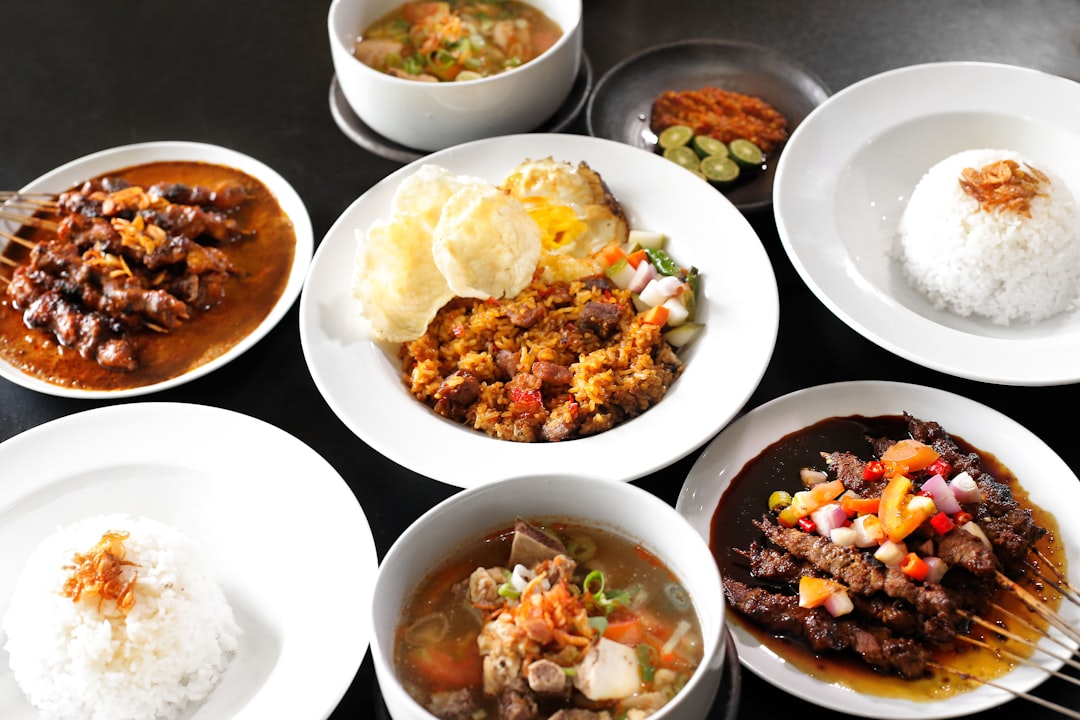
Why Banchan Is the Secret to Falling in Love with Korean Food
Picture this: you sit down at a Korean restaurant for the first time, and before your main dish even arrives, the table transforms. Small plate after small plate appears — jewel-toned vegetables, fiery kimchi, delicate egg dishes, nutty seasoned spinach — until there’s barely room for your elbows. This is banchan, and it’s about to change the way you think about home cooking forever.
Banchan (반찬) refers to the collection of small side dishes served alongside steamed rice in Korean cuisine. They’re not appetizers. They’re not garnishes. They are an essential, non-negotiable part of every Korean meal, from a simple weeknight dinner to a royal feast. And here’s the best part: most of them are surprisingly easy to make at home.
If you’ve been searching for easy banchan recipes for beginners, you’ve come to the right place. This guide covers everything from the cultural significance of these beloved side dishes to step-by-step recipes you can master in your first attempt. Whether you’re a K-drama fan who’s been drooling over on-screen meals, a home cook looking to expand your repertoire, or someone who simply wants to eat more vegetables in the most delicious way possible, banchan is your answer.
According to the Korean Food Foundation, a traditional Korean table setting called bansang (반상) includes anywhere from 3 to 12 banchan dishes depending on the formality of the meal. The everyday home meal typically features 3–5 banchan alongside soup, rice, and a main protein. That might sound intimidating, but here’s the secret: most banchan are make-ahead dishes that last days or even weeks in the fridge.
What Is Banchan? Understanding Korea’s Side Dish Culture

The Philosophy Behind the Small Plates
Banchan isn’t just food — it’s a philosophy. Korean cuisine is built around the concept of obangsaek (오방색), the five cardinal colors: white, black, red, yellow (or orange), and green. A well-composed banchan spread hits all five colors, which also corresponds to five flavors (sweet, sour, salty, bitter, and spicy) and five cooking methods (raw, boiled, steamed, stir-fried, and fermented).
This balance isn’t about aesthetics alone. Traditional Korean medicine holds that eating a variety of colors and flavors supports physical harmony. So when your Korean grandmother insists you eat all the banchan, she’s literally prescribing you balanced nutrition through food.
The communal nature of banchan is equally important. Everyone shares from the same plates, reinforcing the Korean value of togetherness at the table. Unlike Western-style individual portions, banchan creates a sense of abundance and generosity — even in modest households.
How Banchan Is Served and Eaten
At Korean restaurants, banchan is complimentary and endlessly refillable. Yes, you read that right — free refills on all those delicious little plates. This surprises many first-time diners, but it’s a deeply rooted custom. Charging for banchan would be considered inhospitable.
At home, banchan is typically prepared in batches and stored in the refrigerator. Many Korean households dedicate an entire refrigerator — called a kimchi naengjanggo (김치냉장고) — specifically to storing banchan and fermented foods. These specialized refrigerators maintain a consistently cool temperature ideal for fermentation and preservation.
When eating, you pick up small portions of banchan with your chopsticks and eat them between bites of rice. The rice acts as a neutral base, and the banchan provides bursts of flavor, texture, and nutrition. Think of it as a build-your-own-adventure meal where every bite combination is different.
The Most Common Categories of Banchan
There are literally hundreds of banchan varieties, but they fall into recognizable categories:
- Kimchi (김치) — Fermented vegetables, most famously napa cabbage and radish
- Namul (나물) — Seasoned vegetable dishes, either raw or blanched
- Bokkeum (볶음) — Stir-fried dishes like anchovy or zucchini
- Jorim (조림) — Braised or simmered dishes in soy-based sauces
- Jeon (전) — Pan-fried pancakes or fritters
- Jeotgal (젓갈) — Salted and fermented seafood
- Jangajji (장아찌) — Pickled vegetables
- Muchim (무침) — Seasoned or dressed vegetables
For beginners, namul and bokkeum are the easiest entry points. They require minimal ingredients, basic cooking techniques, and come together in under 20 minutes. Explore traditional Korean food categories
Essential Ingredients for Making Banchan at Home
Your Banchan Pantry Starter Kit
Before diving into easy banchan recipes for beginners, you need to stock your pantry with a few Korean essentials. The good news? Once you buy these staples, they last for months and unlock dozens of recipes. Here’s what you need:
| Ingredient | Korean Name | Used In | Price (Approx.) |
|---|---|---|---|
| Soy Sauce (for soup) | 국간장 (gukganjang) | Namul, soups | $4–6 |
| Sesame Oil | 참기름 (chamgireum) | Almost everything | $5–8 |
| Gochugaru (Red Pepper Flakes) | 고추가루 | Kimchi, spicy dishes | $8–15 |
| Gochujang (Red Pepper Paste) | 고추장 | Bibim dishes, marinades | $5–7 |
| Toasted Sesame Seeds | 깨 (kkae) | Garnish for all namul | $3–5 |
| Rice Vinegar | 식초 (sikcho) | Pickled banchan | $3–4 |
| Garlic (minced) | 마늘 (maneul) | Everything — seriously | $2–4 |
| Dried Anchovy | 멸치 (myeolchi) | Stir-fry, broth | $7–12 |
Where to Buy Korean Ingredients in the U.S.
H-Mart is the gold standard for Korean grocery shopping in America, with over 90 locations nationwide. Their banchan aisle alone is worth the trip — you’ll find pre-made banchan sold by weight if you want to taste-test before making your own. They also carry every sauce, paste, and seasoning you’ll need.
No H-Mart nearby? Don’t worry. Here are alternatives:
- Whole Foods — Now stocks gochujang, sesame oil, and rice vinegar in most locations
- Trader Joe’s — Carries gochujang, Korean-style short ribs, and occasionally kimchi
- Amazon — Great for pantry staples like gochugaru (CJ Haechandle and Chung Jung One brands are reliable)
- Weee! — Asian grocery delivery app with an extensive Korean section
- Local Asian markets — Often cheaper than chain stores and may carry fresher produce
Pro tip: Buy sesame oil from a Korean brand like Ottogi or CJ. The roasted flavor is significantly more intense than the lighter sesame oils found in general grocery stores. This single swap will make your banchan taste 10x more authentic.
7 Easy Banchan Recipes for Beginners You Can Make Tonight

These are the easy banchan recipes for beginners that every Korean home cook starts with. Each one uses simple techniques, widely available ingredients, and minimal active cooking time. Master these seven, and you’ll have a restaurant-worthy banchan spread any night of the week.
1. Sigeumchi Namul (시금치나물) — Seasoned Spinach
This is arguably the single best banchan to learn first. It takes 10 minutes, uses one vegetable, and teaches you the namul technique you’ll apply to dozens of other vegetables.
What you need:
- 1 bunch of fresh spinach (about 10 oz), washed and trimmed
- 1 tablespoon soy sauce (soup soy sauce preferred)
- 1 tablespoon sesame oil
- 1 teaspoon minced garlic
- 1 teaspoon toasted sesame seeds
- Pinch of salt
How to make it: Bring a large pot of water to a rolling boil. Blanch the spinach for exactly 30–40 seconds — it should wilt but stay vibrant green. Immediately plunge into ice water to stop cooking. Squeeze out every drop of excess water (this is crucial — soggy spinach means bland namul). In a bowl, toss the spinach with soy sauce, sesame oil, garlic, and sesame seeds. Taste and adjust salt.
Storage: Keeps 3–4 days in the fridge. The flavor actually improves on day two as the sesame oil and garlic meld.
2. Kongnamul Muchim (콩나물무침) — Seasoned Soybean Sprouts
Soybean sprouts are to Korean cooking what onions are to French cuisine — absolutely foundational. This crunchy, garlicky banchan appears on nearly every Korean table. A bag of soybean sprouts costs about $1.50 at H-Mart, making this one of the most budget-friendly side dishes you’ll ever make.
What you need: 1 lb soybean sprouts, 2 teaspoons soy sauce, 1 tablespoon sesame oil, 2 teaspoons minced garlic, 1 chopped scallion, 1 teaspoon sesame seeds, and optional gochugaru for heat.
Key technique: Cook the sprouts in a covered pot with ½ cup water for 8 minutes. Do not lift the lid during cooking — soybean sprouts release an enzyme that creates an unpleasant beany smell if exposed to air while cooking. Once done, drain, season, and toss. The crunch should be snappy, not mushy.
Storage: 4–5 days refrigerated.
3. Gyeran Mari (계란말이) — Korean Rolled Omelet
This is Korean comfort food at its finest — a rolled egg omelet packed with diced vegetables, sliced into beautiful spiral rounds. Kids love it, adults love it, and it looks far more impressive than it is to make.
What you need: 4 eggs, 2 tablespoons finely diced carrots, 2 tablespoons diced scallions, 1 tablespoon diced onion, ½ teaspoon salt, splash of milk (optional for fluffiness).
How to make it: Beat eggs with all vegetables and salt. Heat a lightly oiled rectangular pan (or regular skillet) over medium-low heat. Pour a thin layer of egg mixture. When it’s about 80% set, roll it toward one side. Push the roll back, add more egg mixture, and roll again. Repeat 3–4 times until all egg is used. Let cool slightly, then slice into ½-inch rounds.
Pro tip: Add a tiny pinch of sugar to the egg mixture for a subtly sweet version that pairs beautifully with spicy main dishes. Some cooks also mix in finely chopped crab stick or shredded cheese.
4. Oi Muchim (오이무침) — Spicy Cucumber Salad
When you need a banchan that’s refreshing, crunchy, and ready in 5 minutes flat, this is it. Oi muchim is the perfect banchan for beginners because it requires zero cooking.
What you need: 2 Korean cucumbers (or Persian cucumbers), 1 tablespoon gochugaru, 1 tablespoon soy sauce, 1 teaspoon sesame oil, 1 teaspoon rice vinegar, 1 teaspoon minced garlic, 1 teaspoon sesame seeds, and a pinch of sugar.
How to make it: Slice cucumbers into thin half-moons. Sprinkle with ½ teaspoon salt and let sit 10 minutes to draw out moisture. Squeeze gently, then toss with all remaining ingredients. Serve immediately or chill for 30 minutes for deeper flavor.
Storage: Best eaten same day. Cucumbers release water overnight and become soggy, so make only what you’ll eat.
5. Myeolchi Bokkeum (멸치볶음) — Stir-Fried Anchovies
Don’t skip this one because it says “anchovies.” These aren’t the pungent, oily anchovies from a pizza box. Korean dried anchovies are small, crunchy, and become addictively sweet-savory when stir-fried with soy sauce and honey. Think of them as Korean bar snacks.
What you need: 1 cup small dried anchovies (jari-myeolchi), 1 tablespoon soy sauce, 1 tablespoon rice syrup or honey, 1 teaspoon sesame oil, 1 tablespoon sliced almonds or peanuts (optional), 1 teaspoon sesame seeds.
How to make it: Dry-toast the anchovies in a pan over medium heat for 2–3 minutes to remove any moisture and fishiness. Add soy sauce and rice syrup, stirring quickly to coat. Cook until the sauce becomes sticky and glossy, about 2 minutes. Toss in nuts and sesame seeds off heat. Let cool — they’ll get crunchier as they cool down.
Storage: Up to 2 weeks in an airtight container. This is the ultimate meal-prep banchan. Watch Maangchi’s dried anchovy side dish video tutorial
6. Gamja Jorim (감자조림) — Braised Soy Potatoes
Glossy, tender potato cubes simmered in a sweet soy glaze — this is Korean comfort food that appeals to every palate. It’s particularly great for families with kids, as the flavor is mild and universally appealing.
What you need: 2 medium potatoes (peeled, cubed into 1-inch pieces), 3 tablespoons soy sauce, 1 tablespoon sugar, 1 tablespoon rice syrup, 1 cup water, 1 teaspoon sesame oil, 1 teaspoon sesame seeds.
How to make it: Combine potatoes, soy sauce, sugar, rice syrup, and water in a small pot. Bring to a boil, then reduce to medium heat. Cook uncovered for 15–18 minutes, gently stirring occasionally, until the sauce reduces to a thick glaze and the potatoes are tender. Finish with sesame oil and sesame seeds.
Pro tip: Add a sliced chili pepper for a pop of color and mild heat. Some versions include a hard-boiled egg — add peeled eggs during the last 5 minutes of braising.
Storage: 5–6 days refrigerated. Reheats well in the microwave.
7. Musaengchae (무생채) — Spicy Radish Salad
Korean radish (mu) is crunchier and milder than Western radishes. Julienned and tossed in a gochugaru dressing, it creates a banchan that’s simultaneously spicy, sweet, tangy, and refreshingly crisp.
What you need: ½ Korean radish (about 8 oz), julienned, 1 tablespoon gochugaru, 1 tablespoon fish sauce, 1 teaspoon sugar, 1 teaspoon rice vinegar, 1 teaspoon minced garlic, 1 teaspoon sesame seeds.
How to make it: Toss julienned radish with salt and let sit 10 minutes. Drain excess liquid. Mix in gochugaru, fish sauce, sugar, vinegar, and garlic. The radish should be vibrant red and glossy. Garnish with sesame seeds.
Substitution: Can’t find Korean radish? Daikon works well. Even regular red radishes will do in a pinch — just adjust the julienne size since they’re smaller.
Banchan Meal Prep: How to Stock Your Fridge Korean-Style
The Sunday Banchan Prep Strategy
Korean home cooks don’t make banchan fresh every day. The traditional approach is to dedicate one cooking session per week to preparing 5–7 banchan that last throughout the week. Here’s a beginner-friendly meal prep schedule:
- Start with long-lasting banchan — Make myeolchi bokkeum and gamja jorim first. These keep the longest (1–2 weeks) and taste great at room temperature or cold.
- Prep your namul — Blanch and season sigeumchi namul and kongnamul. These keep 3–5 days and are the backbone of everyday meals.
- Make your fresh banchan last — Prepare oi muchim and musaengchae the day you plan to eat them, or at most one day ahead.
- Cook gyeran mari on demand — Rolled omelet is best fresh but keeps overnight if needed.
With just 60–90 minutes on a Sunday, you’ll have enough banchan to accompany every meal through Wednesday or Thursday. This is the real secret behind how Korean families eat so well without spending hours cooking daily.
Storage Containers and Shelf Life
Invest in a set of small, airtight glass containers. The Korean brand Glasslock is a favorite (available at H-Mart for around $15–20 for a multi-pack). Plastic containers can absorb the strong flavors and colors of kimchi and gochugaru, staining permanently.
| Banchan | Fridge Life | Freezable? |
|---|---|---|
| Myeolchi Bokkeum | 2 weeks | Yes (1 month) |
| Gamja Jorim | 5–6 days | No |
| Sigeumchi Namul | 3–4 days | Yes (blanched only) |
| Kongnamul Muchim | 4–5 days | No |
| Gyeran Mari | 1–2 days | No |
| Oi Muchim | Same day | No |
| Musaengchae | 2–3 days | No |
| Kimchi | Months | Yes (6 months) |
Building a Complete Korean Meal Around Your Banchan

The Basic Korean Home Meal Template
A standard Korean home meal follows a simple formula that’s easy to replicate:
- Bap (밥) — Steamed white rice (or multigrain rice)
- Guk or Jjigae (국/찌개) — Soup or stew
- Main protein — Grilled meat, fish, or tofu
- 3–5 Banchan — Including kimchi
So a typical weeknight dinner might look like: steamed rice + doenjang jjigae (soybean paste stew) + pan-fried mackerel + sigeumchi namul + kongnamul muchim + kimchi. That’s six components, but only two required active cooking (the stew and the fish). Everything else was prepped earlier in the week.
This is where easy banchan recipes for beginners truly shine — they turn a simple piece of grilled chicken or pan-seared tofu into a Korean feast with zero extra effort on weeknights. Korean Fried Chicken Recipe: Crispy Double Fry Method 2026
Pairing Banchan with Popular Korean Main Dishes
Not sure which banchan to serve with what? Here are classic pairings:
- Korean BBQ (galbi, bulgogi) — Serve with oi muchim, musaengchae, and ssam (lettuce wraps). The fresh, crunchy banchan cuts through the rich, smoky meat.
- Jjigae (stews) — Pair with milder banchan like sigeumchi namul, gamja jorim, and gyeran mari. You don’t want competing spice levels.
- Bibimbap — The namul ARE the dish. Arrange sigeumchi namul, kongnamul, musaengchae, and other seasoned vegetables over rice with gochujang.
- Tteokbokki — Serve gyeran mari alongside for a complete Korean street food spread. How to Make Tteokbokki at Home: Easy 2026 Recipe
For a lighter meal focused on health, banchan-heavy spreads work beautifully on their own. Three to four vegetable banchan plus rice and a simple soup is a complete, nutrient-dense meal under 500 calories. 7 Low Calorie Korean Meals for Diet Success in 2026
Beyond the Basics: Level Up Your Banchan Game
Seasonal Banchan Variations
Korean cooking is deeply seasonal. Once you’ve mastered the seven beginner banchan above, try these seasonal variations:
Spring: Dalrae namul (wild chive salad), minari muchim (water parsley), and durup twigim (fried angelica shoots). Spring is when Korean markets overflow with wild mountain greens, called san-namul.
Summer: Oi sobagi (stuffed cucumber kimchi), kkaennip jangajji (pickled perilla leaves), and chilled hobak namul (zucchini). Summer banchan emphasize cooling, refreshing flavors.
Fall: Burdock root jorim (ueong jorim), sweet potato stems (goguma-julgi bokkeum), and perilla seed namul. Fall ingredients are earthy and warming.
Winter: This is kimjang season — the annual tradition of making large batches of kimchi to last through winter. Alongside fresh kimchi, winter banchan features hardy root vegetables and preserved foods.
Restaurant-Style Banchan Upgrades
Want your home banchan to taste like it came from a Korean restaurant? Here are insider upgrades:
- Use soup soy sauce (gukganjang) instead of regular soy sauce — It’s lighter in color but deeper in umami, specifically designed for seasoning banchan and soups.
- Add a splash of perilla oil (deulgireum) — This nutty, earthy oil is distinct from sesame oil and gives banchan an unmistakably Korean flavor.
- Toast your sesame seeds fresh — Pre-toasted seeds from a bag are fine, but freshly toasted seeds in a dry pan for 2 minutes release significantly more aroma.
- Season gradually — Korean cooks taste and adjust multiple times. The magic of great banchan is in the balance, not the quantity of seasoning.
The Health Benefits of Eating Banchan-Style

Why Korean Banchan Is One of the Healthiest Ways to Eat
There’s a reason South Korea has one of the lowest obesity rates among developed nations. The banchan-centered meal structure naturally promotes healthy eating in several ways:
- Portion diversity over portion size — Instead of one large plate, you eat small amounts of many foods, increasing nutrient variety.
- Vegetable-forward by default — The majority of banchan are plant-based. A typical Korean meal includes 5–8 servings of vegetables without even trying.
- Fermented foods daily — Kimchi and other fermented banchan deliver probiotics that support gut health. A 2023 study from the World Institute of Kimchi found that regular kimchi consumption was associated with lower rates of metabolic syndrome.
- Natural pace control — Eating with chopsticks from shared small plates naturally slows your eating pace, giving your body time to register fullness.
For those watching their diet, banchan is a game-changer. Most vegetable banchan clock in at 30–60 calories per serving. Even the richer options like gamja jorim are modest at around 100 calories per portion. You get maximum flavor and satisfaction with minimal caloric impact.
Banchan for Special Diets
Many banchan are naturally suited to various dietary preferences:
- Vegan/Vegetarian — Substitute soy sauce for fish sauce, and most namul and muchim are already plant-based. Watch for hidden anchovy in soup soy sauce — look for vegan-labeled Korean soy sauce at H-Mart.
- Gluten-free — Most banchan are naturally gluten-free. Just verify your soy sauce is tamari or a certified gluten-free brand.
- Low-carb/Keto — Skip the gamja jorim (potatoes) and focus on leafy namul, cucumber, and egg-based banchan. Most banchan are very low in carbohydrates.
Frequently Asked Questions About Banchan
What does “banchan” mean in Korean?
Banchan (반찬) literally translates to “side dishes” in Korean. The word combines “ban” (반), meaning “to accompany,” and “chan” (찬), meaning “dish.” In practice, it refers to the array of small shared dishes served alongside steamed rice at every Korean meal. Banchan is considered an essential component of Korean dining — a meal without banchan would feel incomplete to most Koreans, much like a Western meal without any sides or condiments.
How many banchan dishes should I serve at a meal?
For a casual home meal, 3 to 5 banchan dishes is standard, including kimchi. A more formal dinner or special occasion might feature 7–9 dishes. Royal court cuisine historically included 12 or more banchan arranged on a tiered table. As a beginner, start with 3: one kimchi, one namul (seasoned vegetable), and one protein-based banchan like gyeran mari or myeolchi bokkeum. You can build up from there as your banchan repertoire grows.
Can I buy pre-made banchan instead of making it from scratch?
Absolutely! H-Mart’s deli section sells dozens of pre-made banchan by weight, typically ranging from $6–12 per pound. This is a great way to sample different banchan before committing to making them yourself. Many Korean grocery stores also sell vacuum-sealed banchan in the refrigerated section. Brands like Jongga and CJ Bibigo offer jarred kimchi and banchan that are surprisingly good. That said, homemade banchan is fresher, cheaper in the long run, and allows you to control salt and spice levels to your preference.
Are easy banchan recipes for beginners really simple enough for someone with no Korean cooking experience?
Yes, genuinely. The seven recipes in this guide use techniques you already know: boiling, tossing, stirring, and slicing. If you can make a salad and boil pasta, you can make banchan. The key skills are learning to blanch vegetables quickly (30–60 seconds in boiling water, then ice bath) and to season by taste using sesame oil, soy sauce, and garlic. No specialized equipment is required — a regular pot, a pan, and a mixing bowl are all you need. The most advanced technique here is rolling the gyeran mari, and even if it falls apart, it still tastes great.
Why is banchan free and refillable at Korean restaurants?
This tradition dates back centuries to Korean Confucian values of hospitality and generosity. Refusing to share food with guests is considered a serious social failing in Korean culture. The cost of banchan is factored into the restaurant’s overall pricing — it’s not truly “free,” but rather built into the business model. That said, the quality and variety of banchan is often how Koreans judge a restaurant. A restaurant with bland or skimpy banchan is unlikely to develop a loyal following, regardless of how good the main dishes are. So while refills are standard, always be respectful — take what you’ll eat and avoid excessive waste.
What’s the difference between kimchi and other banchan?
Kimchi is technically a type of banchan, but it holds a special elevated status in Korean food culture. While most banchan are prepared fresh and consumed within a week, kimchi is a fermented food that develops complexity over weeks or months. There are over 200 varieties of kimchi, from the classic napa cabbage (baechu kimchi) to radish cubes (kkakdugi) to water kimchi (mul-kimchi). Kimchi is so culturally significant that it was designated a UNESCO Intangible Cultural Heritage in 2013 — specifically the communal practice of making kimchi, called kimjang.
Related Posts You’ll Love
If you enjoyed this banchan guide, check out these related articles:
- Korean Fried Chicken Recipe: Crispy Double Fry Method 2026 — Master the crunchiest fried chicken to serve alongside your banchan spread.
- How to Make Tteokbokki at Home: Easy 2026 Recipe — Another beloved Korean dish that’s easier than you think.
- 7 Low Calorie Korean Meals for Diet Success in 2026 — More healthy Korean recipes to add to your rotation.
Suggested new articles:
- How to Make Kimchi at Home: Complete Beginner’s Guide 2026
- Essential Korean Pantry Staples: Complete Shopping List for Beginners
- Korean Soup and Stew Guide: 10 Jjigae and Guk Recipes for Every Season
Start Your Banchan Journey Today
You don’t need to master all seven recipes at once. Start with one. Make the sigeumchi namul tonight — it takes 10 minutes and requires just spinach and a few pantry ingredients. Taste it alongside your regular dinner and notice how a single small side dish transforms the entire meal.
Then next week, add kongnamul muchim. The week after, try the spicy cucumber salad. Before you know it, you’ll have a rotating lineup of easy banchan recipes for beginners that makes every meal feel like a celebration.
Korean home cooking isn’t about perfection. It’s about nourishment, balance, and the joy of a table filled with variety. Every Korean grandmother will tell you: the best banchan is the one made with care, not the one that looks prettiest.
If you’re planning a trip to explore authentic Korean food culture firsthand, check out our travel guide to Nami Island & Gangchon Rail Bike Day Trip 2026 — and consider pairing your culinary journey with K-beauty shopping using our Glass Skin Routine for Beginners: 7-Step Guide 2026.
Have you tried making banchan at home? Which recipe are you most excited to try first? Drop a comment below and let us know — we love hearing about your Korean cooking adventures! And if this guide helped you, share it with a friend who’s been curious about Korean food. Every banchan journey starts with a single sesame-scented bite. 🥢
Don’t miss our next Korean cooking guide — bookmark this page and check back weekly for new recipes and tips!