Why Korean Banchan Will Transform Your Home Cooking Forever
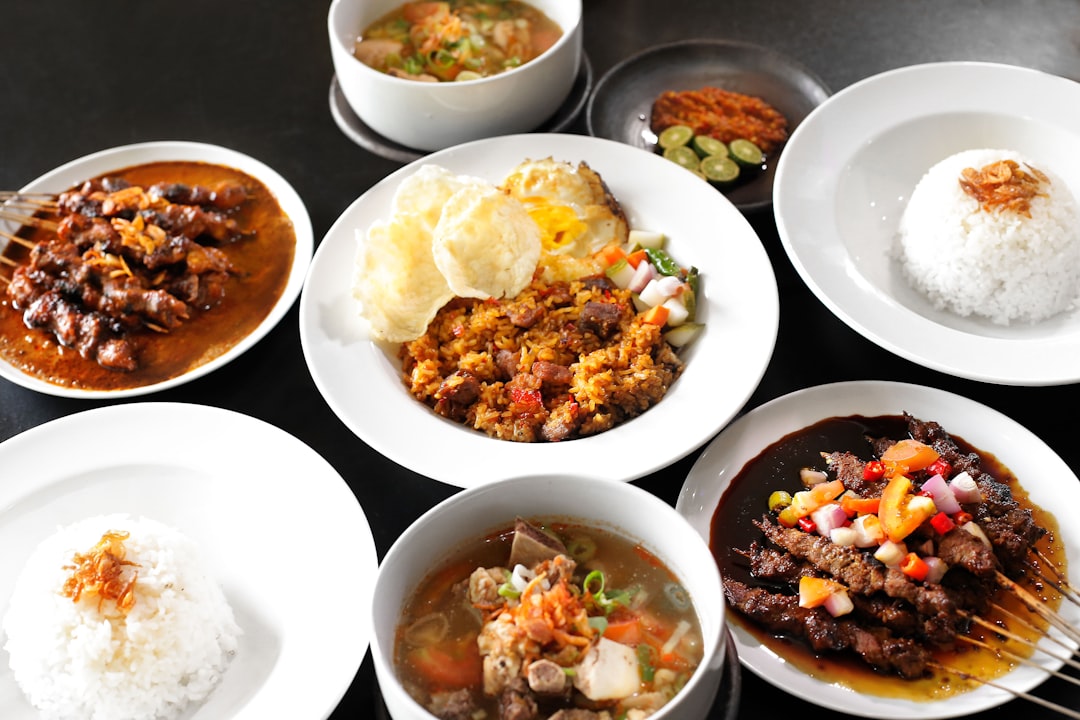
Picture this: you sit down at a Korean restaurant, order a single entrée, and within minutes, your entire table disappears under a stunning mosaic of small dishes — jewel-toned vegetables, fiery-red kimchi, glossy braised potatoes, and delicate seasoned spinach. That magical spread is called banchan (반찬), and it’s the heart and soul of every Korean meal. What most people don’t realize is that the majority of these beautiful side dishes are shockingly simple to make at home.
If you’ve been searching for easy Korean banchan recipes for beginners, you’re in the right place. According to the Korean Food Promotion Institute, there are over 300 documented types of banchan in Korean cuisine — but you only need to master about 10 to host an impressive Korean dinner that will leave your friends speechless.
In this comprehensive guide, we’ll walk you through the history, the essential recipes, the shopping list, and the storage secrets that Korean grandmothers have passed down for generations. Whether you’re a complete beginner who’s never touched gochugaru (Korean red pepper flakes) or an intermediate cook looking to level up your banchan game, this article has something for you. Let’s dive in.
What Is Banchan? Understanding Korea’s Side Dish Culture

The Philosophy Behind Banchan
Banchan literally translates to “side dishes” in Korean, but calling them mere side dishes is like calling the Mona Lisa a painting. In Korean food culture, banchan represents a deeply rooted philosophy of balance, harmony, and communal eating. Every Korean meal is built around the concept of obangsaek (오방색) — five colors representing five elements: white, black, red, green, and yellow.
A properly set Korean table, called bansang (반상), features a bowl of rice, a bowl of soup, and anywhere from 3 to 12 banchan dishes depending on the formality of the meal. Historically, Korean royal court cuisine featured up to 12 different banchan dishes in a single setting, a tradition called sura (수라상). Even today, many traditional Korean restaurants pride themselves on offering 10+ banchan with every order — all included in the price of your meal.
Learn more about Korean food culture and traditions
Why Banchan Is Perfect for Meal Prep
Here’s a secret that Korean home cooks have known for centuries: most banchan dishes are designed to be made in advance. Many recipes last 3–7 days in the refrigerator, and some — like kimchi — actually improve with age. This makes banchan the ultimate meal prep strategy.
Spend 2–3 hours on a Sunday making 5–6 banchan dishes, and you’ll have ready-to-eat sides for the entire week. Just cook fresh rice each day, heat up a simple soup, and pull out your pre-made banchan. Dinner goes from zero to complete Korean spread in under 10 minutes. That’s why easy Korean banchan recipes for beginners are the perfect entry point into Korean cooking.
The average Korean household keeps 4–6 banchan dishes in the refrigerator at all times. Many Korean families even have a dedicated kimchi refrigerator — yes, that’s a real appliance — specifically for storing fermented side dishes at optimal temperatures.
Essential Ingredients for Korean Banchan (Your Shopping List)
Pantry Staples You’ll Use in Every Recipe
Before you start cooking, let’s stock your pantry. The good news is that most banchan recipes share the same core ingredients, so one shopping trip will set you up for dozens of dishes. Here’s what you need:
- Soy sauce (간장, ganjang) — Get both regular soy sauce and Korean soup soy sauce (guk-ganjang). The soup soy sauce is lighter in color but saltier, perfect for seasoning vegetables without darkening them. A 500ml bottle runs about $3–5 at H-Mart.
- Sesame oil (참기름, chamgireum) — This is non-negotiable. Korean toasted sesame oil is darker and more fragrant than regular sesame oil. Kadoya or CJ brand are excellent choices, around $6–8 for 12 oz.
- Gochugaru (고추가루) — Korean red pepper flakes. These are very different from Italian crushed red pepper — they’re smoky, slightly sweet, and moderately spicy. Look for coarse-ground for kimchi and fine-ground for sauces. A 1-lb bag costs $7–12 at H-Mart or on Amazon.
- Garlic (마늘, maneul) — Koreans use garlic in virtually everything. Buy pre-minced jars to save time — no shame in that shortcut.
- Sesame seeds (참깨, chamkkae) — Toasted white sesame seeds are the finishing touch on almost every banchan dish.
- Rice vinegar — Essential for pickled banchan and dressings.
- Gochujang (고추장) — Fermented red pepper paste. CJ Haechandle is the most popular brand, available at Whole Foods for about $7–9.
- Korean fish sauce (액젓, aekjeot) — Anchovy-based fish sauce used in kimchi and seasoned vegetables. About $5 at any Asian grocery store.
Where to Buy Korean Ingredients in the U.S.
Finding Korean ingredients has never been easier in the United States. Here are your best options ranked by convenience:
| Store | Pros | Cons | Best For |
|---|---|---|---|
| H-Mart | Largest selection, competitive prices, fresh produce | Not available in all states | One-stop Korean grocery shopping |
| Amazon | Convenient, fast delivery, good for pantry staples | Can’t buy fresh produce, some items overpriced | Non-perishable pantry staples |
| Whole Foods | Accessible, carries basics like gochujang and kimchi | Limited selection, premium pricing | Last-minute essentials |
| Local Asian grocery | Often cheaper than H-Mart, unique regional finds | Inconsistent inventory | Budget shopping, fresh tofu |
| Weee! (online) | Asian grocery delivery, great deals | Delivery area limited | Bulk buying, specialty items |
Budget tip: Your entire banchan pantry starter kit — soy sauce, sesame oil, gochugaru, gochujang, sesame seeds, rice vinegar, and fish sauce — will cost approximately $35–50 and last you 2–3 months of regular cooking.
7 Easy Korean Banchan Recipes for Beginners (Step-by-Step)

Now for the main event. These seven recipes are the foundation of Korean home cooking. They’re listed from easiest to slightly more advanced, so if you’re completely new, start with #1 and work your way down. Each recipe serves 4 as a side dish and takes 30 minutes or less.
1. Sigeumchi Namul (시금치나물) — Seasoned Spinach
This is the single best banchan recipe for absolute beginners. If you can boil water, you can make this. Sigeumchi namul is blanched spinach dressed in sesame oil, garlic, soy sauce, and sesame seeds. The entire process takes about 10 minutes.
Ingredients:
- 1 bunch fresh spinach (about 10 oz)
- 1 tablespoon soy sauce
- 1 teaspoon sesame oil
- 1 clove garlic, minced
- 1 teaspoon toasted sesame seeds
- Pinch of salt
Instructions:
- Bring a large pot of water to a boil. Add the spinach and blanch for exactly 30 seconds — no more.
- Immediately transfer to an ice water bath to stop cooking and preserve that vibrant green color.
- Squeeze out all excess water (this step is crucial — soggy spinach ruins the dish).
- In a bowl, toss the spinach with soy sauce, sesame oil, minced garlic, and sesame seeds.
- Taste and adjust seasoning. Serve at room temperature or chilled.
Pro tip: This keeps in the fridge for up to 4 days. Make a double batch on Sunday and you’re set for the week.
7 Healthy Korean Meals for Weight Loss in 2026
2. Kongnamul Muchim (콩나물무침) — Seasoned Soybean Sprouts
Soybean sprouts are a staple in every Korean household. They’re incredibly affordable — about $1.50–2.00 per bag at H-Mart — and packed with protein and fiber. This crunchy, nutty banchan pairs perfectly with rice and goes with literally any Korean main dish.
Ingredients:
- 1 lb soybean sprouts
- 2 teaspoons soy sauce
- 1 teaspoon sesame oil
- 1 green onion, thinly sliced
- 1 clove garlic, minced
- 1 teaspoon toasted sesame seeds
- Optional: ½ teaspoon gochugaru for a spicy version
Instructions:
- Rinse the sprouts thoroughly. Trim any brown tail ends if desired (optional — most Korean cooks leave them on).
- Place sprouts in a pot with ½ cup water. Cover with a lid and do not open the lid during cooking — this prevents the sprouts from developing a “beany” smell.
- Bring to a boil over high heat, then reduce to medium and cook for 8 minutes.
- Drain and let cool slightly.
- Toss with soy sauce, sesame oil, garlic, green onion, and sesame seeds.
Important: The “don’t lift the lid” rule is a genuine Korean kitchen tradition backed by science — the enzyme that creates the unpleasant bean smell is deactivated by sustained heat. Peeking lets steam escape and drops the temperature.
3. Gamja Jorim (감자조림) — Braised Soy Potatoes
Gamja jorim is sweet, savory, glossy braised potatoes that practically melt in your mouth. This is comfort food at its finest, and it’s one of the most popular easy Korean banchan recipes for beginners because the technique is so forgiving.
Ingredients:
- 3 medium Yukon Gold potatoes, peeled and cubed (1-inch pieces)
- 3 tablespoons soy sauce
- 1 tablespoon sugar (or corn syrup for extra gloss)
- 1 tablespoon rice wine (mirin)
- 1 cup water
- 1 tablespoon sesame oil
- Sesame seeds for garnish
Instructions:
- Soak the cubed potatoes in cold water for 10 minutes to remove excess starch. Drain.
- In a pan, combine potatoes, soy sauce, sugar, rice wine, and water.
- Bring to a boil, then reduce heat to medium-low. Simmer uncovered for 15–20 minutes, stirring occasionally, until the sauce reduces to a thick, glossy coating.
- Drizzle with sesame oil and sprinkle with sesame seeds.
Variation: Add a handful of dried anchovies or sliced peppers for extra umami and color. Some Korean cooks also toss in a tablespoon of corn syrup during the last 2 minutes for a restaurant-quality glossy finish.
4. Oi Muchim (오이무침) — Spicy Cucumber Salad
When you need something cool, crunchy, and refreshing to cut through rich, fatty Korean BBQ, oi muchim is your answer. This spicy cucumber salad comes together in under 5 minutes and requires zero cooking. It’s the perfect companion to dishes like Korean fried chicken.
Ingredients:
- 2 Korean cucumbers (or English cucumbers)
- 1 tablespoon gochugaru
- 1 tablespoon soy sauce
- 1 teaspoon rice vinegar
- 1 teaspoon sesame oil
- 1 teaspoon sugar
- 1 clove garlic, minced
- Sesame seeds for garnish
Instructions:
- Cut cucumbers in half lengthwise, then slice into thin half-moons.
- Sprinkle with ½ teaspoon salt and let sit for 10 minutes to draw out moisture. Squeeze out excess water.
- Toss with gochugaru, soy sauce, rice vinegar, sesame oil, sugar, and garlic.
- Garnish with sesame seeds and serve immediately.
Pro tip: Unlike most banchan, this one is best served fresh. It gets watery if stored too long, so make it right before serving. If you must store it, drain excess liquid before eating.
Korean Fried Chicken Recipe: Crispy Secret for 2026
5. Myeolchi Bokkeum (멸치볶음) — Stir-Fried Anchovies
This sweet-and-savory stir-fried anchovy dish might sound intimidating to Western palates, but trust us — it’s absolutely addictive. Myeolchi bokkeum is crunchy, nutty, slightly sweet, and packed with calcium. Korean parents give this to their kids as a nutritious snack, and it’s found in virtually every Korean lunchbox.
Ingredients:
- 1 cup dried anchovies (medium-sized, about 2 inches long)
- 2 tablespoons soy sauce
- 1 tablespoon honey or corn syrup
- 1 tablespoon rice wine
- 1 teaspoon sesame oil
- 1 tablespoon sliced almonds or peanuts (optional)
- Sesame seeds for garnish
Instructions:
- Dry-roast the anchovies in a pan over medium heat for 2–3 minutes until fragrant and slightly crispy. Remove and set aside.
- In the same pan, combine soy sauce, honey, and rice wine. Stir over medium heat until bubbly.
- Add the anchovies back and toss to coat evenly in the sweet-savory glaze.
- Add nuts if using, then drizzle with sesame oil and sprinkle sesame seeds.
Where to buy dried anchovies: H-Mart sells bags of dried anchovies in various sizes for $5–8. Look for the medium-sized ones (about 2 inches) for this recipe. The tiny ones are for making broth, and the large ones are too chewy for stir-frying.
6. Musaengchae (무생채) — Spicy Radish Salad
Musaengchae is a vibrant, fiery-red julienned radish salad that adds incredible crunch and color to your banchan spread. Korean radish (mu, 무) is denser and sweeter than Western daikon, though daikon works as a substitute.
Ingredients:
- ½ Korean radish (about 1 lb), peeled and julienned
- 2 tablespoons gochugaru
- 1 tablespoon fish sauce
- 1 tablespoon rice vinegar
- 1 teaspoon sugar
- 2 cloves garlic, minced
- 1 green onion, sliced
- 1 teaspoon sesame seeds
Instructions:
- Julienne the radish into thin matchstick-sized strips. A mandoline slicer makes this much faster.
- Sprinkle with 1 teaspoon salt and let sit for 15 minutes. Drain excess liquid — don’t rinse.
- Add gochugaru, fish sauce, rice vinegar, sugar, and garlic. Mix thoroughly with your hands (wear gloves if you’re sensitive to chili).
- Garnish with green onion and sesame seeds.
This banchan stores beautifully for up to 5 days in the fridge and actually develops deeper flavor over time, similar to kimchi.
7. Gyeran Mari (계란말이) — Korean Rolled Omelet
This colorful rolled egg omelet is a step up in technique but still beginner-friendly. Gyeran mari is a lunchbox staple and one of the most visually impressive banchan you can make. When sliced, it reveals beautiful spirals of egg studded with vegetables.
Ingredients:
- 4 large eggs
- 2 tablespoons finely diced carrots
- 1 green onion, finely chopped
- 1 tablespoon finely diced onion
- ½ teaspoon salt
- 1 teaspoon sesame oil
- Vegetable oil for the pan
Instructions:
- Whisk eggs with salt and sesame oil. Stir in diced vegetables.
- Heat a rectangular pan (or regular non-stick pan) over medium-low heat with a thin layer of oil.
- Pour a thin layer of the egg mixture into the pan, just enough to coat the bottom.
- When the edges start to set but the top is still slightly wet, carefully roll the egg from one end to the other using chopsticks or a spatula.
- Push the roll to one end of the pan, add more oil, pour another thin layer of egg, and roll again over the first roll. Repeat 3–4 times.
- Remove from pan, let cool for 5 minutes, then slice into ½-inch rounds.
Pro tip: The key to a beautiful gyeran mari is low heat and patience. If the pan is too hot, the egg will brown and crack when rolling. Keep it on medium-low and take your time.
Watch Maangchi’s gyeran mari video tutorial for visual guidance
How to Store and Serve Banchan Like a Korean Pro
Storage Guidelines by Type
Proper storage is what separates a banchan beginner from a banchan pro. Here’s a detailed breakdown:
| Banchan Type | Fridge Life | Best Container | Reheating |
|---|---|---|---|
| Namul (seasoned vegetables) | 3–4 days | Airtight glass container | Serve cold or room temp |
| Jorim (braised dishes) | 5–7 days | Airtight container | Microwave 30 sec or serve cold |
| Bokkeum (stir-fried) | 5–7 days | Airtight container | Quick pan reheat for best texture |
| Kimchi | Weeks to months | Kimchi container or glass jar | Serve cold |
| Fresh salads (muchim) | 1–2 days | Covered bowl | Serve cold, drain liquid first |
| Egg dishes | 2–3 days | Wrap in plastic wrap | Microwave 15 sec or serve cold |
Container recommendation: Invest in a set of small, stackable glass containers with locking lids. Glasslock and Snapware both make excellent sets for $20–30 on Amazon. Avoid plastic containers for banchan — the gochugaru and sesame oil will stain them permanently.
Serving Etiquette and Presentation
In Korean dining culture, banchan is always placed in the center of the table for everyone to share. Each person gets their own bowl of rice and soup, but the banchan dishes are communal. Here are some tips for serving:
- Use small plates or bowls — traditional Korean banchan dishes are about 3–4 inches in diameter.
- Arrange dishes with color variety in mind. Alternate red, green, white, and brown dishes for visual appeal.
- Always include at least one type of kimchi. Baechu kimchi (배추김치) — napa cabbage kimchi — is the standard.
- It’s perfectly polite (and expected) to ask for banchan refills at Korean restaurants. Most restaurants provide unlimited refills at no extra charge.
First Time Jjimjilbang Etiquette Guide 2026: Step-by-Step
Building a Complete Korean Meal: Banchan Pairing Guide

Banchan Pairings for Popular Korean Main Dishes
Not sure which banchan to serve with what? Here’s a quick pairing guide used by Korean home cooks:
With Korean BBQ (galbi, samgyeopsal):
- Oi muchim (spicy cucumber) — cuts through the richness of grilled meat
- Musaengchae (radish salad) — provides refreshing crunch
- Kimchi — the classic BBQ companion
- Lettuce leaves and ssamjang for wrapping
With Bibimbap:
- Sigeumchi namul (spinach)
- Kongnamul (soybean sprouts)
- Musaengchae (radish)
- These three actually go inside bibimbap as toppings — so making banchan teaches you bibimbap ingredients too.
With Jjigae (stew) or Soup:
- Gamja jorim (braised potatoes) — hearty and complementary
- Myeolchi bokkeum (stir-fried anchovies) — adds crunch contrast to soft stew
- Gyeran mari (egg roll) — protein boost
The Budget-Friendly Korean Meal Plan
One of the best things about cooking Korean food at home is how incredibly budget-friendly it can be. Here’s a sample weekly meal plan built around banchan that costs less than $5 per person per meal:
- Sunday (Prep Day): Make 5 banchan dishes — spinach namul, soybean sprouts, braised potatoes, spicy radish salad, and stir-fried anchovies. Total cost: approximately $12–15 for the week’s sides.
- Monday–Friday: Cook fresh rice daily (about $0.30/serving), make a simple soup or stew ($2–3 per batch that serves 4), and rotate your pre-made banchan. Each dinner comes together in under 15 minutes.
- Weekend: Treat yourself to Korean BBQ with your leftover banchan as perfect accompaniments.
This approach feeds a family of four for approximately $80–100 per week — far less than the average American grocery bill of $270/week according to the USDA.
Common Banchan Mistakes (and How to Avoid Them)
Mistakes That Ruin Flavor
Even when following easy Korean banchan recipes for beginners, there are a few pitfalls that can throw off your results:
- Not squeezing out enough water from blanched vegetables. This is the #1 mistake. Excess water dilutes your seasoning and makes namul taste bland. After blanching and cooling, squeeze the vegetables firmly in a clean towel until no more water comes out.
- Using regular red pepper flakes instead of gochugaru. Italian crushed red pepper flakes are much hotter, have a different flavor profile, and won’t give you that characteristic smoky-sweet Korean taste. There’s no substitute for real gochugaru.
- Skipping the toasted sesame oil. It might seem like a small detail, but sesame oil is the aromatic backbone of Korean cooking. It transforms bland vegetables into something deeply savory and nutty. Always add it as a finishing oil, not a cooking oil — heat destroys its fragrance.
- Over-seasoning with soy sauce. You can always add more salt, but you can’t take it away. Start with less soy sauce than the recipe calls for and adjust to your taste. Remember that banchan is eaten with rice, which is unseasoned — the slight saltiness is intentional.
- Cooking vegetables too long. Korean banchan celebrates the natural texture of vegetables. Blanch spinach for 30 seconds, not 3 minutes. Stir-fry quickly over high heat. You want vibrant color and a slight bite.
Presentation Mistakes
Beyond flavor, here are common presentation errors:
- Serving all your banchan in the same color range. If everything is brown (braised potatoes, stir-fried anchovies, seasoned mushrooms), the table looks dull. Always aim for at least 3 different colors on the table.
- Using oversized plates. Banchan should look abundant. Small dishes filled generously look much more appealing than large plates with food scattered across them. Check your local H-Mart or Amazon for authentic Korean banchan dish sets — a set of 6 runs about $15–20.
- Forgetting the garnish. A sprinkle of sesame seeds, a few sliced green onions, or a pinch of gochugaru on top makes each dish look polished and intentional.
Taking Your Banchan Skills to the Next Level

Intermediate Banchan to Try Next
Once you’ve mastered the seven beginner recipes above, here are some intermediate banchan to add to your rotation:
- Japchae (잡채) — Glass noodles stir-fried with vegetables and sesame oil. Technically a banchan at Korean celebrations, though it’s hearty enough to eat as a main dish.
- Hobak Bokkeum (호박볶음) — Stir-fried zucchini, deceptively simple but requires precise heat control.
- Doraji Namul (도라지나물) — Seasoned bellflower root, a unique texture you won’t find in Western cooking.
- Kkakdugi (깍두기) — Cubed radish kimchi, perfect for kimchi beginners because it’s faster than napa cabbage kimchi.
- Eomuk Bokkeum (어묵볶음) — Stir-fried fish cakes in a sweet soy glaze. Uses pre-made fish cakes available at any Korean grocery store.
Learning Resources
Want to dive deeper? These are the best resources for learning Korean cooking:
- Maangchi (maangchi.com) — Often called the “YouTube grandmother of Korean cooking,” Maangchi has over 500 free video recipes and a loyal global following. Her instructions are clear and beginner-friendly.
- Korean Cooking YouTube channels — Search for channels like “Future Neighbor” and “Aaron and Claire” for modern takes on traditional recipes.
- Cookbooks: “Maangchi’s Big Book of Korean Cooking” ($22 on Amazon) is the gold standard for home cooks. “Korean Home Cooking” by Sohui Kim is excellent for more restaurant-style dishes.
7 Best Apps to Learn Korean for Beginners in 2026 — Learning some basic Korean will help you navigate recipes, ingredient labels, and Korean grocery stores.
Frequently Asked Questions About Korean Banchan
What does banchan mean, and is it free at Korean restaurants?
Banchan (반찬) means “side dishes” in Korean. Yes, at most traditional Korean restaurants in the U.S. and Korea, banchan is complimentary and comes with your order. You can also request refills at no extra charge — this is completely normal and expected. The number and variety of banchan varies by restaurant, typically ranging from 3 basic sides at casual spots to 12+ at upscale traditional restaurants.
Are easy Korean banchan recipes for beginners healthy?
Absolutely. Most banchan dishes are among the healthiest foods you can eat. They’re primarily vegetable-based, low in calories, and rich in fiber, vitamins, and probiotics (in the case of fermented banchan like kimchi). A typical banchan spread provides a wide variety of nutrients because you’re eating many different vegetables in small portions. Spinach namul has only about 45 calories per serving, and soybean sprouts are packed with protein at just 50 calories per serving. The seasoning oils and sauces add minimal calories — a teaspoon of sesame oil is about 40 calories.
7 Healthy Korean Meals for Weight Loss in 2026
Can I make banchan ahead of time? How long does it last?
Yes — in fact, making banchan in advance is the traditional Korean way. Most seasoned vegetables (namul) last 3–4 days refrigerated. Braised and stir-fried dishes (jorim, bokkeum) last 5–7 days. Kimchi lasts weeks to months and improves with age. The only banchan that should be made fresh is cucumber salad (oi muchim), which gets watery after a day. For best results, store each banchan in a separate airtight glass container and bring to room temperature for 10 minutes before serving.
What equipment do I need to make Korean banchan at home?
You need very little specialized equipment. A large pot for blanching, a non-stick skillet, a mixing bowl, and basic measuring spoons will get you through every recipe in this guide. Optional but helpful tools include a mandoline slicer for julienning radish ($15–20), a set of small glass storage containers ($20–30), and a rectangular pan for making gyeran mari ($15). You do NOT need a wok, rice cooker, or any expensive Korean-specific cookware to start. Total investment for all optional tools: under $70.
What’s the difference between banchan and kimchi?
Kimchi is actually a specific type of banchan — the fermented kind. While all kimchi is banchan, not all banchan is kimchi. Banchan is the umbrella term for all Korean side dishes, which includes namul (seasoned vegetables), jorim (braised dishes), bokkeum (stir-fried dishes), jeon (pan-fried items), and kimchi (fermented dishes). There are over 200 types of kimchi alone, but napa cabbage kimchi (baechu kimchi) is the most iconic and commonly served variety.
Can I make banchan if I’m vegetarian or vegan?
Many banchan dishes are naturally vegan or easily adapted. Spinach namul, soybean sprout muchim, braised potatoes, and cucumber salad are all plant-based by default. The main non-vegan ingredients to watch for are fish sauce (aekjeot) and dried anchovies. Substitute fish sauce with soy sauce or mushroom-based seasoning sauce (available at H-Mart for about $4). Skip the anchovy-based banchan or replace with stir-fried mushrooms seasoned with the same sweet soy glaze. Korean temple cuisine (sachal eumsik) is entirely vegan — look up temple-style banchan recipes for more inspiration.
Related Posts You’ll Love
If you enjoyed this guide to easy Korean banchan recipes for beginners, check out these related articles:
- Korean Fried Chicken Recipe: Crispy Secret for 2026 — The perfect main dish to serve with your banchan spread.
- 7 Healthy Korean Meals for Weight Loss in 2026 — More nutritious Korean recipes for everyday cooking.
- Gyeongju Day Trip From Seoul: 2026 Complete Itinerary — Visit Korea and taste authentic banchan at traditional restaurants.
Suggested future articles:
- How to Make Kimchi at Home: Complete Fermentation Guide
- Korean BBQ at Home: Equipment, Cuts, and Side Dishes Guide
- Best Korean Instant Ramen Ranked: 2026 Ultimate Guide
Start Your Banchan Journey Today
You now have everything you need — the pantry list, seven proven recipes, storage secrets, pairing guides, and troubleshooting tips — to start making authentic Korean banchan at home. The beauty of these dishes is that they’re forgiving, affordable, and endlessly customizable.
Our recommendation? Start this weekend with just two recipes — sigeumchi namul (seasoned spinach) and gamja jorim (braised potatoes). Together, they’ll take you less than 30 minutes, cost under $5 in ingredients, and completely transform your weeknight dinners.
Once you taste your own homemade banchan alongside a bowl of steaming rice, you’ll understand why Korean families have been making these dishes for thousands of years. It’s simple, nourishing, and deeply satisfying food.
Have you tried making Korean banchan at home? Which dish is your favorite? Drop a comment below and share your experience — we’d love to hear about your banchan journey! And if this guide helped you, share it with a friend who’s curious about Korean cooking. Tag us on social media with your banchan spreads — we feature our favorites every week.
Want more Korean food guides delivered to your inbox? Subscribe to our newsletter for weekly recipes, K-food trends, and exclusive cooking tips from our test kitchen.