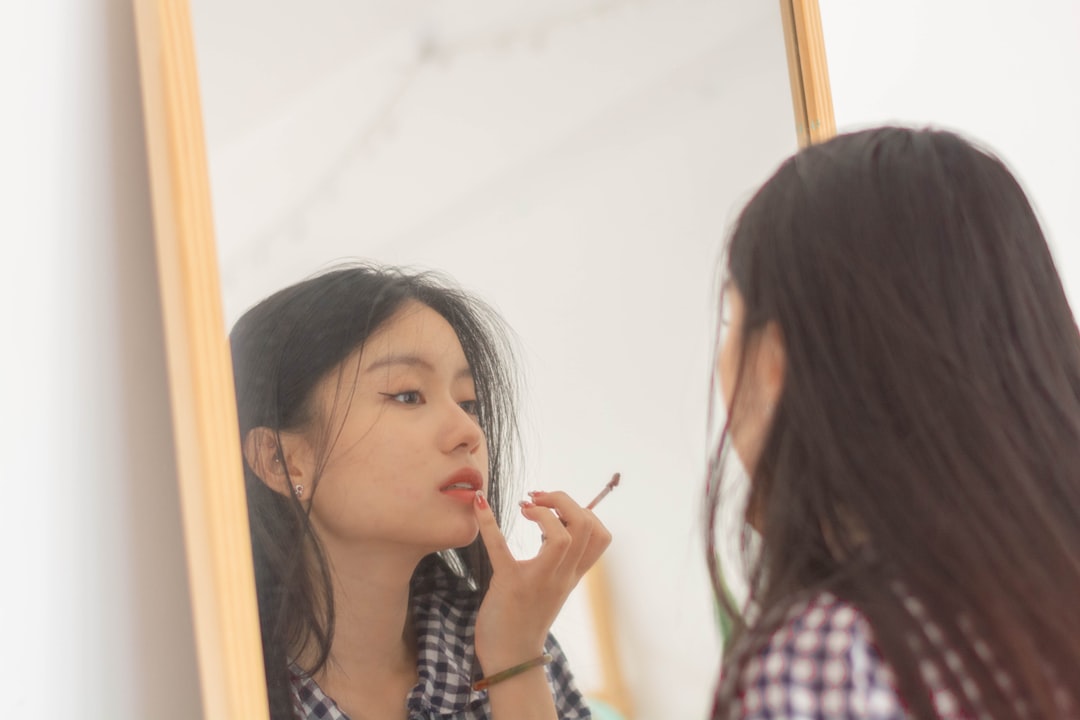
If you’ve ever scrolled through a K-beauty hashtag on Instagram or TikTok and thought, “Why does their skin look like that?”—you’re not alone. The korean makeup vs western makeup differences go far beyond just product preferences. They represent two fundamentally different beauty philosophies that have shaped how millions of people around the world approach their daily routines. In South Korea, makeup is treated as an extension of skincare—a way to enhance what’s already there. In Western beauty culture, makeup has historically been about transformation, bold self-expression, and making a statement. Neither approach is “better,” but understanding the key distinctions can completely change how you shop, apply, and think about your own beauty routine. Whether you’re a devoted K-beauty enthusiast or a ride-or-die Western makeup lover, this guide breaks down every major difference so you can cherry-pick the best of both worlds.
1. The Core Philosophy: “No-Makeup Makeup” vs. Bold Self-Expression
The single biggest factor behind the korean makeup vs western makeup differences is philosophy. Everything else—formulas, textures, shades, application techniques—flows from two very different ideas about what makeup is for.
Korean Beauty: Skin-First, Makeup-Second
Korean makeup culture prizes the concept of “glass skin”—a dewy, luminous, almost translucent complexion that looks like you were simply born with perfect skin. The goal is to blur imperfections while keeping everything looking natural and youthful. Foundation coverage is typically light to medium, and the overall vibe is fresh-faced.
This philosophy is deeply tied to Korea’s 10-step skincare obsession. When your skin is already well-hydrated and prepped, you don’t need heavy makeup. Korean brands like Sulwhasoo, Laneige, and COSRX invest heavily in skincare-makeup hybrids—think tinted moisturizers with centella asiatica, cushion compacts infused with hyaluronic acid, and lip tints that double as cheek stains. Allure’s Best K-Beauty Products
Western Beauty: Coverage, Contour, and Creative Freedom
Western makeup has traditionally leaned into full coverage, sculpted contours, and dramatic eye looks. Think of the “Instagram face” trend popularized by beauty influencers—sharp winged liner, carved brows, heavy highlight on the cheekbones, and matte, full-coverage foundation. Brands like Fenty Beauty, MAC, Too Faced, and NARS built their reputations on pigmented, long-wearing formulas designed for maximum impact.
That said, Western beauty has been evolving. The “clean girl” aesthetic and “skin tint” boom of the last few years show that Western consumers are increasingly borrowing from K-beauty’s less-is-more ethos. Still, the baseline cultural expectation in Western markets tends to celebrate makeup as art and self-expression, rather than subtlety.
2. Base Makeup: Cushion Compacts vs. Full-Coverage Foundations

The way you create your base is where the korean makeup vs western makeup differences become immediately visible. This single category probably has the widest gap between the two approaches.
Korean Base Products: Lightweight and Dewy
Korean base makeup revolves around three hero products:
- Cushion compacts – Portable, buildable, SPF-infused. The Laneige Neo Cushion Matte ($38) and Missha M Magic Cushion ($12) are bestsellers on Amazon.
- BB and CC creams – Korea literally invented the BB cream. Products like the SKIN79 Super Plus BB Cream ($16) combine skincare, SPF, and light coverage in one step.
- Tone-up creams – These lavender or pink-tinted primers brighten the complexion without adding pigmented coverage. The BANILA CO Dear Hydration Tone-Up Cream ($24) is a fan favorite.
The key ingredients you’ll spot in Korean base products include niacinamide (brightening), snail mucin (repair and hydration), centella asiatica (calming), and hyaluronic acid (plumping). These formulas are designed to feel like a second skin, not a mask.
Western Base Products: Buildable to Full Coverage
Western foundations tend to offer a wider range of finishes—matte, satin, dewy—and prioritize long wear and transfer resistance. Popular picks include:
- Fenty Beauty Pro Filt’r Foundation ($40) – 50 shades, soft matte, buildable to full.
- Estée Lauder Double Wear ($46) – The gold standard for 24-hour wear.
- NARS Light Reflecting Foundation ($49) – Skincare-infused but still medium-to-full coverage.
- Maybelline Fit Me ($10) – Budget-friendly, available at Ulta and drugstores everywhere.
Western formulas also come in a far broader shade range. Since Fenty Beauty launched with 40 shades in 2017 (now 50+), the industry standard has shifted. Korean brands, by contrast, typically offer 3–8 shades, which remains a significant limitation for deeper skin tones.
Side-by-Side Comparison
| Feature | Korean Base Makeup | Western Base Makeup |
|---|---|---|
| Coverage | Light to medium | Medium to full |
| Finish | Dewy, luminous | Matte, satin, or dewy |
| SPF | Almost always included (SPF 25–50+) | Sometimes included (SPF 15–25) |
| Shade Range | 3–8 shades | 20–50+ shades |
| Skincare Ingredients | Commonly included | Increasingly common |
| Price Range | $8–$40 | $10–$65 |
3. Eye Makeup: Soft Gradients vs. Smoky Drama
Eye makeup is where the two beauty cultures diverge most dramatically. Walk into any Olive Young in Seoul, and you’ll see rows of earthy, neutral palettes. Walk into Sephora in New York, and you’ll find bold pigments, glitter pots, and 18-pan palettes in every color imaginable.
Korean Eye Trends: The “Puppy Eye” and Gradient Lips
Korean eye makeup centers around making the eyes look larger, softer, and more youthful. Key techniques include:
- Puppy eye liner – Instead of a sharp cat-eye flick, liner is drawn slightly downward at the outer corner, creating a sweet, approachable look.
- Soft gradient eyeshadow – One or two neutral shades blended outward from the lash line. Popular colors are peach, soft brown, mauve, and dusty rose.
- Aegyo-sal (“cute eye fat”) – Shimmer or a light concealer applied to the under-eye area to mimic the slight puffiness of youthful skin. This is the opposite of the Western approach of concealing under-eye bags.
- Straight, natural brows – Flat, slightly arched brows in soft brown tones. Korean brow products like the Innisfree Auto Eyebrow Pencil ($7) are designed for this feathery look.
Best-selling Korean eye products include the ETUDE HOUSE Play Color Eyes palette ($18) and the rom&nd Better Than Eyes ($12), both available on Amazon and YesStyle. These palettes typically feature 10 warm, muted shades—no neons or jewel tones in sight.
Western Eye Trends: Winged Liner, Smoky Eyes, and Bold Color
Western eye makeup embraces drama, precision, and pigment. Defining looks include:
- Cat-eye / winged liner – A sharp, upward flick that elongates and lifts the eye.
- Smoky eye – Deep, blended shadows in charcoal, plum, or navy for evening glam.
- Colored liner and graphic shapes – Bright blues, greens, and editorial-inspired geometric liner are trending on TikTok and runways.
- Arched, sculpted brows – Western brow culture historically favored high arches, though the “fluffy brow” trend has softened this.
Top Western eye products include the Urban Decay Naked palette ($54 at Sephora), Charlotte Tilbury Pillow Talk eyeshadow quad ($55), and NYX Epic Ink Liner ($9 at Ulta). These deliver the intense pigment payoff that Western consumers expect.
4. Lip Products: Gradient Tints vs. Bold, Defined Lips

Lips might be the single easiest way to spot the korean makeup vs western makeup differences on someone’s face. The contrast is striking.
Korean Lips: The “Just-Bitten” Gradient
The signature Korean lip look is the gradient lip (also called “bitten lip” or “popsicle lip”). Color is concentrated at the center of the lips and fades outward toward the edges, creating a soft, youthful, blurred effect. Here’s how to achieve it:
- Apply concealer or foundation to the outer edges of your lips to erase the lip line.
- Dab a lip tint—like the rom&nd Juicy Lasting Tint ($9) or Peripera Ink Airy Velvet Tint ($8)—onto the inner center of your lips.
- Gently press your lips together to blend. Do NOT use a liner.
- The result: a soft, diffused flush that looks effortless.
Korean lip products prioritize lightweight, moisturizing formulas. Key ingredients include jojoba oil, shea butter, and fruit extracts. The texture is typically watery, mousse-like, or velvety—never thick or sticky. Price points are incredibly accessible, with most tints falling between $6–$15 on Amazon.
Western Lips: Defined, Lined, and Long-Wearing
Western lip culture celebrates sharp definition, bold color, and all-day wear. The typical approach involves:
- Lip liner to define (and sometimes slightly over-line) the lip edge.
- Lipstick or liquid lip in a saturated shade—classic reds, deep berries, nude pinks, or trendy mauves.
- Gloss or plumping treatment as a finishing touch.
Hero products include the MAC Matte Lipstick in “Ruby Woo” ($21), Rare Beauty Soft Pinch Liquid Blush ($23 at Sephora), and Fenty Gloss Bomb ($22). Western lipsticks often feature waxes, oils, and long-wear polymers designed to survive coffee, meals, and masks without budging.
5. Contouring and Blush: Sculpted Cheekbones vs. Natural Flush
Contouring is perhaps the most emblematic technique of Western makeup in the 2010s. But Korean beauty took a completely different path—and the results couldn’t look more different.
Korean Approach: Blush as the Star
In Korean makeup, blush does the heavy lifting. Rather than sculpting cheekbones with dark contour shades, Korean beauty lovers apply blush high on the cheeks—sometimes even across the nose bridge—to create a flushed, youthful, “just came in from the cold” look. Popular placements include:
- Apple of the cheeks – The most common K-beauty blush placement.
- Under-eye blush – Applied directly below the eyes for a hangover-chic, anime-inspired flush.
- Nose bridge blush – A sun-kissed stripe across the nose and cheeks.
The ETUDE HOUSE Lovely Cookie Blusher ($6) and 3CE Face Blush ($18) are staples. Textures lean cream or liquid—powder blush is less popular in Korean beauty because it can mattify the coveted dewy finish. Contouring, when used at all, is extremely subtle: a soft shadow along the jawline or nose bridge with a shade only one or two tones deeper than the skin.
Western Approach: Sculpt, Highlight, and Define
Western contouring, popularized by Kim Kardashian and makeup artist Mario Dedivanovic, involves using dark and light shades to reshape the face’s bone structure. Standard steps include:
- Apply a matte contour shade (2–3 shades darker than your skin) to the hollows of the cheeks, temples, jawline, and sides of the nose.
- Apply highlighter to the tops of the cheekbones, brow bone, nose bridge, and cupid’s bow.
- Blend extensively so the light and shadow create the illusion of sharper features.
- Apply blush to the cheekbones, often blended upward toward the temples.
Go-to products include the Fenty Beauty Match Stix Contour Skinstick ($28), Benefit Hoola Bronzer ($32 at Ulta), and theBalm Mary-Lou Manizer highlighter ($24). In Western climates—especially in dry, cold regions—powder contour can sometimes cling to dry patches. If you live somewhere with harsh winters, consider a cream contour formula and always prep with a hydrating primer.
6. Skincare-Makeup Crossovers: Why K-Beauty Blurs the Line

One of the most distinctive korean makeup vs western makeup differences is how aggressively Korean brands blur the boundary between skincare and color cosmetics. In Korea, if a product doesn’t actively benefit your skin, it’s considered incomplete.
Hybrid Products That Do Double Duty
Here are real examples of Korean makeup products that pack serious skincare ingredients:
| Product | Price | Key Skincare Ingredients |
|---|---|---|
| Laneige Neo Cushion Glow | $38 | Niacinamide, glycerin, SPF 50 |
| COSRX Blemish Cover Cushion | $24 | Tea tree, centella, salicylic acid |
| Innisfree Vivid Cotton Ink Lip | $14 | Camellia oil, green tea extract |
| Missha Vita C Plus Erasing Tint | $11 | Vitamin C, niacinamide |
| rom&nd Glasting Water Tint | $10 | Hyaluronic acid, jojoba oil |
Western Brands Catching Up
To be fair, Western brands have noticed this trend and are rapidly incorporating skincare ingredients into their makeup lines. ILIA (Super Serum Skin Tint, $48 at Sephora) uses squalane and hyaluronic acid. Saie (Slip Tint, $35) includes pansy extract and licorice root. And bareMinerals has long marketed its mineral foundations as “good for your skin.”
However, the difference is scale. In Korea, skincare-infused makeup isn’t a niche category—it’s the default. In Western markets, it’s still positioned as a premium or “clean beauty” offering. If you struggle with dry skin in winter climates—common across much of the US, Canada, and Northern Europe—Korean hybrid products can be a game-changer for maintaining hydration under makeup all day. Korean Makeup vs Western Makeup: 7 Key Differences in 2026
7. Price, Accessibility, and Shopping Experience
Budget is a real consideration, and this is an area where Korean beauty has a significant edge for many consumers.
Korean Makeup: Affordable Innovation
Korean beauty brands operate in a hyper-competitive domestic market where brands launch and iterate products at incredible speed. This drives innovation while keeping prices accessible. You can build a complete Korean makeup look for under $50:
- BB Cream: Missha M Perfect Cover ($12)
- Brow pencil: Innisfree Auto Eyebrow ($7)
- Eyeshadow: rom&nd Better Than Eyes ($12)
- Lip tint: Peripera Ink Airy Velvet ($8)
- Blush: ETUDE HOUSE Cookie Blusher ($6)
- Total: $45
Most of these products are available on Amazon, YesStyle, Olive Young Global, and Stylevana. Shipping from Korea typically takes 7–14 days, though Amazon Prime listings offer 2-day delivery on many K-beauty staples.
Western Makeup: Premium Range with Wider Physical Availability
An equivalent Western makeup look tends to cost more, especially at the prestige level:
- Foundation: Fenty Pro Filt’r ($40)
- Brow product: Benefit Precisely My Brow ($26)
- Eyeshadow: Charlotte Tilbury Quad ($55)
- Lipstick: MAC Matte ($21)
- Blush: NARS Orgasm ($30)
- Total: $172
Of course, affordable Western options exist (e.g., NYX, e.l.f., Maybelline), but the prestige tier is significantly pricier. The advantage of Western brands is physical availability: you can swatch and test at Sephora, Ulta, Target, and department stores nationwide, which matters a lot when shade-matching foundation.
8. How to Combine the Best of Both Worlds

Here’s the thing: you don’t have to choose. The smartest beauty consumers in 2026 are mixing Korean and Western products to create customized routines. Here’s a practical framework for building a hybrid routine based on your skin type and lifestyle.
For Dry Skin (Common in Cold Western Climates)
If you live somewhere with harsh winters, central heating, and low humidity—think Chicago, Minneapolis, Denver, or anywhere in the Northeast—your skin is likely crying out for hydration. A hybrid approach works beautifully:
- Base: Korean cushion compact (Laneige Neo Cushion Glow) for dewy hydration.
- Concealer: Western high-coverage concealer (NARS Radiant Creamy, $32) for targeted spot correction.
- Eyes: Korean eyeshadow palette for soft, everyday looks; Western palette for nights out.
- Lips: Korean water tint for daytime; Western satin lipstick for evening.
- Blush: Korean cream blush for a natural, dewy flush that won’t cling to dry patches.
For Oily Skin (Common in Humid Climates)
If you’re in Houston, Miami, or the Southeast, you need products that can handle heat and humidity. Consider:
- Base: Western matte foundation (Estée Lauder Double Wear) for oil control and longevity.
- Primer: Korean pore-minimizing primer (Innisfree No Sebum Blur Primer, $12) to mattify the T-zone.
- Setting: Korean setting powder (Innisfree No Sebum Mineral Powder, $9)—one of the most universally loved K-beauty products worldwide.
- Lips: Korean velvet tint (rom&nd Zero Velvet Tint, $10) for matte, transfer-proof color without drying out your lips.
Understanding your skin type, climate, and lifestyle is the key to making the korean makeup vs western makeup differences work in your favor rather than limiting your choices. Don’t be loyal to one system—be loyal to what works for your face. 7 Low Calorie Korean Meals for Diet Success in 2026
Frequently Asked Questions
Is Korean makeup better for sensitive skin than Western makeup?
Generally, yes. Korean beauty formulations tend to prioritize gentle, skin-soothing ingredients like centella asiatica, mugwort, and green tea. Many K-beauty brands also avoid common Western irritants like heavy fragrances, denatured alcohol, and certain synthetic dyes. However, “Korean” doesn’t automatically mean “sensitive-skin-safe.” Always check the ingredient list. Brands like COSRX, Pyunkang Yul, and Soon Jung (ETUDE HOUSE) are specifically formulated for reactive skin.
Why do Korean foundations have so few shades?
Korean beauty brands have historically catered to the domestic Korean market, where the range of skin tones is narrower than in multicultural Western countries like the US. This is changing—brands like FENTY SKIN x Korean retailers are pushing for inclusivity—but shade range remains the biggest criticism of K-beauty globally. If you have a deeper skin tone, Western brands like Fenty Beauty, Pat McGrath, and Black Opal currently offer far superior shade matching.
Can I use Korean skincare with Western makeup?
Absolutely—and many beauty enthusiasts consider this the best of both worlds. A Korean skincare routine (double cleanse, toner, essence, serum, moisturizer, SPF) creates an incredibly smooth, hydrated canvas. Then you can apply your favorite Western foundation, concealer, and color products on top. The key is ensuring your sunscreen is fully absorbed before applying makeup, and using a primer that’s compatible with your foundation’s base (water-based with water-based, silicone with silicone).
What’s the easiest Korean makeup product to try first?
A lip tint. It’s affordable ($6–$12), easy to apply, doesn’t require shade matching, and instantly gives you that signature K-beauty gradient lip. The rom&nd Juicy Lasting Tint and Peripera Ink Airy Velvet are the two most recommended entry points. Both are available on Amazon with Prime shipping.
Do K-pop idols actually use Korean makeup brands?
Yes, many do—both on and off camera. K-pop idols frequently serve as brand ambassadors for Korean cosmetics companies. For example, BLACKPINK’s Jisoo represents Dior Beauty (a Western brand), but members also promote Moonshot, CLIO, and rom&nd. Behind the scenes, K-pop makeup artists like Seo Ok and Won Jong Yo are known for using a mix of Korean and Western products to achieve stage-ready looks. If you’re curious about the K-pop beauty world, check out our guide: How to Become a K-Pop Trainee From Abroad in 2026
Related Posts
If you enjoyed this deep dive into the korean makeup vs western makeup differences, you might also love these articles:
- Korean Makeup vs Western Makeup: 7 Key Differences in 2026
- Korea Autumn Foliage Best Time 2026: Top 7 Spots
- 7 Best Korean Street Food Markets by City (2026 Guide)
Suggested new articles we should cover:
- Best Korean Sunscreens for Every Skin Type in 2026
- 10-Step Korean Skincare Routine: Complete Beginner’s Guide
- K-Beauty Dupes for Expensive Western Products 2026
Final Thoughts: Which Style Is Right for You?
The truth about the korean makeup vs western makeup differences is that there’s no single “right” approach. Korean beauty excels at creating luminous, skin-first looks with innovative, affordable products packed with skincare benefits. Western beauty shines with bold pigments, unmatched shade diversity, and long-wearing formulas built for full days and long nights.
The most exciting thing happening in beauty right now is the convergence of these two worlds. Western brands are borrowing K-beauty’s lightweight textures and skincare-first philosophy. Korean brands are expanding shade ranges and experimenting with bolder color stories. As a consumer, you’ve never had more options.
Now we want to hear from you! Are you Team K-Beauty, Team Western, or a proud mix of both? What’s the one Korean or Western product you absolutely can’t live without? Drop your thoughts in the comments below—we read every single one. And if this guide helped you discover something new, share it with a friend who’s been curious about K-beauty. Trust us, they’ll thank you.
Want more K-beauty guides, product reviews, and skincare deep dives delivered straight to your inbox? Subscribe to our newsletter and never miss a post.