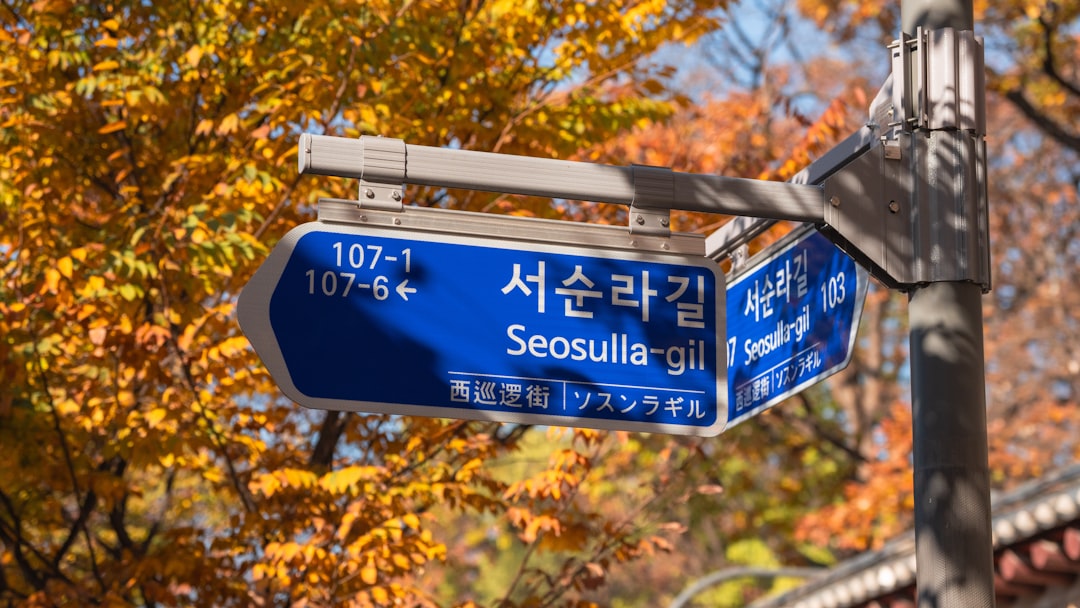
Why Seoul Is the Perfect Home Base for Epic Day Trips
I still remember the first time I stepped onto a KTX bullet train at Seoul Station, coffee in hand, watching the city skyline dissolve into misty mountains within minutes. That morning, I’d been eating hotteok from a street vendor in Myeongdong. By lunch, I was standing inside a 1,300-year-old Buddhist temple surrounded by nothing but birdsong and incense smoke. That’s the magic of South Korea’s rail network — it turns Seoul into a launchpad for adventures most tourists never even consider.
After living in Seoul for several years and exploring nearly every corner of the Korean peninsula accessible by public transit, I can confidently say that some of the best day trips from Seoul by train rival anything you’d find in Europe or Japan — at a fraction of the cost. Whether you’re chasing cherry blossoms in spring, fiery autumn foliage in October, or snowy temple scenes in winter, these ten destinations deliver unforgettable experiences and get you back to your hotel before the last subway runs.
In this guide, I’m sharing the exact destinations, train times, costs, and insider hacks I wish someone had told me on my first trip. Grab your T-money card — we’re heading out of Seoul.
1. Nami Island & Gangchon — The Iconic K-Drama Escape

Why Nami Island Tops Every Day Trip List
If you’ve ever watched Winter Sonata — or even seen photos of that legendary tree-lined path — you already know Nami Island. This half-moon-shaped island in the middle of the Bukhan River is one of the most photographed spots in all of Korea, and for good reason. The towering metasequoia tree lanes shift dramatically with each season: cherry blossoms in April, lush green canopy in summer, blazing orange and red in October, and snow-dusted branches in January.
But here’s what most guides won’t tell you: Nami Island is just the appetizer. Pair it with the Gangchon Rail Bike experience — a pedal-powered railcar ride along an old train track through river valleys — and you’ve got a full, spectacular day trip that’s genuinely one of the best day trips from Seoul by train.
How to Get There
Take the ITX-Cheongchun train from Yongsan Station or Cheongnyangni Station to Gapyeong Station. The ride takes about 60–75 minutes and costs around $5–$7 USD one way. Book through the KORAIL app or website — seats on weekends sell out fast, especially during foliage season.
From Gapyeong Station, hop on the Gapyeong City Tour Bus (around $7 for a full-day loop ticket) that connects to Nami Island Wharf, Gangchon Rail Bike, Petite France, and the Garden of Morning Calm. The ferry to Nami Island costs about $10 USD roundtrip including island admission. Alternatively, take the thrilling zip-line across the river for about $38 USD — absolutely worth it for the adrenaline rush and Instagram content.
Budget Breakdown
- ITX train (roundtrip): ~$12–$14 USD
- Gapyeong Tour Bus: ~$7 USD
- Nami Island ferry + admission: ~$10 USD
- Gangchon Rail Bike: ~$25 USD (2-person bike)
- Lunch on Nami Island: ~$8–$12 USD
- Total estimate: $50–$70 USD per person
Pro tip: Visit on a weekday if possible. Weekend crowds at Nami can be intense, especially from mid-October through early November. Arrive before 10 AM to get photos on the tree lanes without hundreds of people in frame.
Nami Island & Gangchon Rail Bike Day Trip Guide 2026
2. Suwon — Fortress Walls and the Best Korean Fried Chicken
Hwaseong Fortress: A UNESCO World Heritage Walk
Suwon Hwaseong Fortress is Korea’s answer to walking the Great Wall — except it loops entirely around a vibrant, living city center and takes about 2–3 hours at a leisurely pace. Built in the 1790s by King Jeongjo, this UNESCO World Heritage Site stretches 5.7 kilometers with 48 defensive structures including guard towers, secret gates, and an archery range where you can actually try traditional Korean archery for about $2 USD.
The fortress walls wind over gentle hills, offering panoramic views of both the historic city and modern Suwon below. Think of it like a Korean version of walking the walls of Dubrovnik, but with far fewer tourists and significantly cheaper food waiting for you at the bottom.
Suwon’s Legendary Chicken Street
After your fortress walk, head straight to Yeongtong Chicken Street (or the famous Tongdak Alley near Paldalmun Gate). Suwon is the undisputed Korean fried chicken capital — the city has been perfecting whole roasted and fried chicken since the 1970s. Order a whole “tongdak” (about $12–$15 USD) and pair it with draft beer. It’s the kind of meal you’ll dream about for months.
Getting There & Practical Info
Suwon is arguably the easiest of all best day trips from Seoul by train. From Seoul Station, take the Line 1 subway directly to Suwon Station — it takes about 60 minutes and costs roughly $1.50 USD with your T-money card. Alternatively, the KTX gets you there in just 25 minutes for about $8 USD.
Hwaseong Fortress admission is only $1 USD. The fortress is open daily from 9:00 AM to 6:00 PM (extended to 7:00 PM in summer). The Hwaseong Trolley departs from the tourist info center near Paldalmun if you’d prefer a narrated ride over walking the entire circuit.
Hwaseong Fortress Official Information
3. DMZ & JSA — The Most Surreal Border on Earth

What to Expect at the Korean Demilitarized Zone
No list of Seoul day trips is complete without the DMZ (Demilitarized Zone). This 250-kilometer-long, 4-kilometer-wide buffer zone between North and South Korea is simultaneously one of the most heavily militarized borders and one of the most pristine nature corridors in Asia. The irony is palpable — and the experience is genuinely unlike anything else in the world.
The highlight is the JSA (Joint Security Area) at Panmunjom, where you can literally step into North Korean territory inside the blue UN conference buildings straddling the border. You’ll stand face-to-face with North Korean soldiers just meters away. It’s intense, sobering, and absolutely unforgettable.
How to Visit
You cannot visit the JSA independently — you must book through an authorized tour operator. The most reputable options include Koridoor (official UNC tour partner), VIP Travel, and USO Korea (for US military-affiliated visitors). Tours typically cost $45–$80 USD per person and include roundtrip bus transport from Seoul.
However, you can visit parts of the DMZ independently by train. Take the Gyeongui Line from Seoul Station to Dorasan Station — the northernmost station on the South Korean rail network. The DMZ train (Peace Train) costs about $7 USD roundtrip and includes access to the Dorasan Observatory, Third Tunnel of Aggression, and Imjingak Peace Park.
Important: Bring your passport — you’ll pass through a military checkpoint. Dress code for JSA tours requires no flip-flops, ripped jeans, or sleeveless tops. Photography restrictions apply near the MDL (Military Demarcation Line).
- DMZ Peace Train (roundtrip): ~$7 USD
- JSA tour (bus from Seoul): ~$45–$80 USD
- Dorasan Observatory: ~$1 USD
- Third Tunnel admission: ~$1.50 USD
4. Jeonju — Korea’s Food Capital and Hanok Village
The Hanok Village Experience
Jeonju is the culinary soul of Korea, and the Jeonju Hanok Village — a neighborhood of over 700 traditional Korean houses — is like stepping into a period drama set. Narrow alleyways wind between curved-roof hanok buildings now housing cafes, galleries, craft workshops, and some of the best restaurants in the entire country.
Rent a hanbok (traditional Korean dress) for about $10–$15 USD and explore the village. Many attractions offer free admission when you’re wearing hanbok — it’s both a cultural immersion and a practical money-saver. The Gyeonggijeon Shrine (housing the portrait of King Taejo, the Joseon Dynasty founder) and the Jeondong Catholic Cathedral are must-visits within the village.
Jeonju Bibimbap: The Original
You haven’t had real bibimbap until you’ve had it in Jeonju. The city’s version features over 30 toppings including yukhoe (Korean beef tartare), bean sprouts grown in the local mineral water, and a rich, nutty sesame oil that’s different from what you’ll find anywhere else. A full Jeonju bibimbap set at legendary restaurants like Hankook Jip or Gogung costs just $8–$12 USD.
Don’t skip the street food scene either — choco pie (the handmade Jeonju version, not the packaged kind), PNB bakery’s original choco pie, and freshly made hotteok stuffed with gochujang are uniquely Jeonju experiences.
Authentic Kimchi Recipe From Scratch: Step-by-Step Guide 2026
7 Easy Banchan Recipes for Beginners (2026 Guide)
Getting There
The KTX from Yongsan Station to Jeonju Station takes approximately 1 hour 40 minutes and costs about $20–$25 USD one way. This is one of the best day trips from Seoul by train in terms of value — the KTX gets you there fast, and Jeonju itself is extremely walkable and affordable. From Jeonju Station, take bus #12 or a taxi (~$4 USD) to the Hanok Village entrance.
5. Gyeongju — Korea’s Museum Without Walls

The Ancient Silla Kingdom Capital
If Jeonju is Korea’s food capital, Gyeongju is its history capital. The entire city is essentially an open-air museum — a Korean equivalent of Rome or Athens. As the capital of the Silla Kingdom for nearly 1,000 years (57 BC – 935 AD), Gyeongju is packed with UNESCO World Heritage Sites, royal tombs, ancient observatories, and Buddhist temples that will leave history buffs speechless.
The Tumuli Park (Daereungwon) features 23 massive burial mounds — grassy hills dotting the city center like a scene from a fantasy film. One tomb, Cheonmachong, is open so you can walk inside and see the golden crown and artifacts replica. The Cheomseongdae Observatory, built around 632 AD, is the oldest surviving astronomical observatory in East Asia.
Bulguksa Temple & Seokguram Grotto
About 16 km east of central Gyeongju, Bulguksa Temple is Korea’s most celebrated Buddhist temple and a UNESCO World Heritage Site. The stone bridges, pagodas, and main hall are masterpieces of Silla-era architecture. From Bulguksa, take bus #12 up the mountain to Seokguram Grotto, home to a breathtaking granite Buddha statue carved into a hillside cave overlooking the East Sea. Arriving at sunrise is a transcendent experience.
Admission: Bulguksa ~$4 USD, Seokguram ~$4 USD, Tumuli Park ~$2 USD.
Getting There
The KTX from Seoul Station to Singyeongju Station takes about 2 hours and costs approximately $35–$40 USD one way. From Singyeongju, local bus #50 or #51 reaches the historic district in about 20 minutes. Gyeongju pushes the definition of a “day trip” — consider taking an early KTX (departing Seoul around 6:30 AM) to maximize your time. Alternatively, the overnight option is highly rewarding.
6. Pocheon & Herb Island — Mountains, Art, and Lavender Fields
Pocheon Art Valley
Pocheon Art Valley is a former granite quarry transformed into one of Korea’s most stunning art parks. The centerpiece is Cheonjuho, an emerald-green lake formed in the abandoned quarry pit — it looks like something out of a fantasy game. The surrounding cliffs tower above the water, and at night, the park hosts a star observatory and light installations. Admission is about $4 USD, and the monorail up the hillside costs another $3.
Herb Island
Nearby Herb Island is a Mediterranean-themed botanical garden that feels transported from Provence. Lavender fields, rosemary hedges, herb-infused restaurants, and seasonal light festivals (especially the winter illumination from November through March) make this a favorite for couples and families. Admission runs about $7 USD.
Getting There
Pocheon is best reached by bus from Dong Seoul Bus Terminal (about 90 minutes, ~$6 USD). While not a train destination, it pairs wonderfully with a day trip itinerary. Consider renting a car if you want to hit both Pocheon Art Valley and Herb Island efficiently — rental cars start around $30 USD/day through apps like SoCar or GreenCar.
7. Incheon — Chinatown, Islands, and Coastal Charm

More Than Just an Airport
Most visitors pass through Incheon without realizing it’s a fascinating city in its own right. Incheon’s Chinatown — Korea’s only official Chinatown — is a colorful, hilly neighborhood packed with jjajangmyeon restaurants (black bean noodles, the Korean-Chinese comfort food staple) and quirky photo spots. Adjacent is the Fairy Tale Village, where buildings are painted with scenes from classic storybooks.
For nature lovers, take the short ferry from Wolmido Island to explore coastal walking trails and an amusement park with ocean views. The nearby Muuido Island offers pristine beaches reachable by a short ferry — a surprisingly tropical-feeling escape just 40 minutes from central Seoul.
Getting There
From Seoul, simply ride Line 1 subway to Incheon Station — about 70 minutes, costing ~$2 USD on your T-money card. Chinatown is immediately outside the station exit. This is one of the most budget-friendly of all best day trips from Seoul by train.
8. Chuncheon — Dakgalbi and Lakeside Beauty
Korea’s Spicy Chicken Capital
Chuncheon is famous for exactly one dish — and it does it better than anywhere on the planet. Dakgalbi (spicy stir-fried chicken with cabbage, sweet potato, and rice cakes) is cooked on giant iron pans right at your table. The Myeongdong Dakgalbi Street in Chuncheon (not to be confused with Seoul’s Myeongdong) has dozens of competing restaurants, all excellent and all charging roughly $8–$10 USD per person.
After lunch, walk off the calories around Uiamho Lake or rent a bicycle and ride the Chuncheon Mulle-gil, a scenic lakeside cycling path that’s flat, easy, and gorgeous. Bike rentals cost about $5 USD for 2 hours.
Getting There
The ITX-Cheongchun from Yongsan Station reaches Chuncheon in about 75 minutes (~$7 USD). You can also combine Chuncheon with Nami Island/Gapyeong since they’re on the same train line — Gapyeong is a stop before Chuncheon.
Best Korean Instant Ramyeon Flavors Ranked 2026
9. Sokcho & Seoraksan — Korea’s Most Dramatic Mountain
Seoraksan National Park
Seoraksan is widely considered the most beautiful mountain in South Korea — and the autumn foliage here (mid-October) is in a league of its own. Jagged granite peaks, roaring waterfalls, ancient temples, and hiking trails ranging from casual strolls to serious scrambles make this a nature lover’s paradise.
The most popular route is the Gwongeumseong Cable Car (about $9 USD roundtrip), which whisks you to a rocky overlook with 360-degree mountain and ocean views. For hikers, the trail to Biryong Falls is a moderate 40-minute walk through forest. More ambitious hikers tackle Ulsanbawi Rock — 808 metal stairs to a viewpoint that ranks among the best in all of Korea.
7 Best Cherry Blossom Spots in Korea 2026 Guide
Getting There
From Seoul Express Bus Terminal, express buses reach Sokcho in about 2.5 hours (~$15 USD). While not a direct train route, the upcoming Seoul-Yangyang KTX extension will eventually make this a proper train day trip. For now, an early bus departure (6:30 AM) and late return (8:00 PM) makes it manageable as a long but rewarding day trip. Local bus #7 or #7-1 from Sokcho Bus Terminal reaches the Seoraksan park entrance in 30 minutes.
Park admission: Free since 2024 (national parks in Korea abolished admission fees).
10. Ganghwa Island — Dolmens, Temples, and Mudflat Magic
Ancient History and Natural Beauty
Just 90 minutes from Seoul, Ganghwa Island is a hidden gem that most international tourists miss entirely. The island holds UNESCO-listed dolmens (prehistoric stone burial sites), the ancient Jeondeungsa Temple (one of Korea’s oldest, founded in 381 AD), and sweeping tidal mudflats that reveal a surreal lunar landscape at low tide.
The island also played a pivotal role in Korean history — it served as a refuge capital during the Mongol invasions and was the site of conflicts with French and American naval forces in the 19th century. History buffs can visit the Ganghwa Peace Observatory for views across to North Korea, just 2 km away across the estuary.
Getting There
From Sinchon Bus Terminal in Seoul, take bus #3000 directly to Ganghwa Bus Terminal (about 90 minutes, ~$5 USD). Once on the island, local buses connect the main sites, or rent a bike at the terminal for a more scenic exploration. The island is connected to the mainland by bridge — no ferry needed.
Seasonal Guide: When to Take Each Day Trip
| Season | Best Destinations | Highlights |
|---|---|---|
| Spring (Mar–May) | Jeonju, Gyeongju, Nami Island | Cherry blossoms (early April), pleasant hiking weather, Jeonju Bibimbap Festival |
| Summer (Jun–Aug) | Incheon (Muuido Beach), Sokcho, Ganghwa | Beach days, mountain waterfalls in full flow, mudflat experiences |
| Autumn (Sep–Nov) | Seoraksan, Nami Island, Gyeongju, Pocheon | Peak foliage (mid-Oct), Gyeongju cultural festivals, Art Valley colors |
| Winter (Dec–Feb) | DMZ, Suwon, Herb Island, Chuncheon | Herb Island illumination, fortress snow scenes, warm dakgalbi meals |
The best day trips from Seoul by train work year-round, but timing your visit to match seasonal highlights transforms a good trip into an unforgettable one.
Essential Travel Tips for Seoul Day Trips
Transport Essentials
- Get a T-money card immediately. Available at any convenience store for ~$3 USD, it works on all subways, buses, and even some taxis. Recharge at any CU, GS25, or 7-Eleven. It saves you about 10% per ride compared to single-journey tickets.
- Download the KORAIL app (or use letskorail.com) to book KTX and ITX tickets in advance. Weekend and holiday trains sell out — book at least 3 days ahead for popular routes.
- Use Naver Map instead of Google Maps. Google Maps is notoriously inaccurate in Korea due to government mapping restrictions. Naver Map (available in English) gives you accurate transit directions, walking routes, and real-time bus arrivals.
- Papago is your translation lifeline. This Naver-made app handles Korean translation far better than Google Translate, especially for menus and signs.
- KakaoTalk is Korea’s universal messaging app — some restaurants and attractions only take reservations through it.
Money-Saving Hacks
- KORAIL Pass: If you’re taking multiple day trips, the KR Pass offers unlimited KTX travel for 2, 3, 4, or 5 days. A 2-day Flex Pass starts at ~$80 USD — it pays for itself after just two KTX roundtrips.
- Discover Seoul Pass: Includes free admission to 100+ attractions and free T-money transit credit. The 72-hour pass (~$52 USD) is excellent value if you’re packing in multiple day trips.
- Convenience store meals: Korean 7-Eleven, CU, and GS25 offer surprisingly excellent meals for $2–$5 USD — gimbap, sandwiches, ramyeon stations, and even fresh-brewed coffee.
Cultural Etiquette Tips
- Remove shoes when entering temples, traditional hanok buildings, and many restaurants with floor seating. Look for shoe racks at the entrance.
- Use both hands (or support your right arm with your left hand) when giving or receiving items — especially money, business cards, and drinks from elders.
- Don’t tip. Tipping is not customary in Korea and can actually cause confusion. The price you see is the price you pay.
- Quiet on trains. Koreans keep phone conversations and group chats very quiet on public transit. Keep your voice down and use earphones for any media.
- Temple etiquette: Walk quietly, don’t point at Buddha statues, and ask before photographing monks or prayer halls.
How to Bring Pet to Korea: 2026 Complete Guide
For US Travelers Specifically
Visa-free entry: US citizens can enter Korea visa-free for up to 90 days with a valid K-ETA (Korea Electronic Travel Authorization). Apply online at least 72 hours before departure — it costs about $10 USD and is valid for 2 years. Note: as of 2024, K-ETA requirements have been temporarily waived for some nationalities, but check the current status on the official K-ETA site before your trip.
Flights from the US: Direct flights from LAX, JFK, and SFO to Incheon (ICN) run 12–14 hours. Airlines like Korean Air, Asiana, Delta, and United offer direct routes. Budget tip: flights departing Tuesday or Wednesday are typically $200–$400 cheaper than weekend departures.
From Incheon Airport to Seoul: Skip taxis. The Airport Railroad Express (AREX) runs directly from Incheon Airport to Seoul Station in 43 minutes for just $8 USD. It’s faster and infinitely cheaper than a taxi (~$60–$80 USD).
Insider Tips From a Seoul Resident
- The “first train” hack: Take the earliest KTX or ITX departure to maximize your day. Seoul Station’s first KTX departs around 5:30 AM. The station has 24-hour convenience stores and a surprisingly decent Paris Baguette bakery for pre-dawn breakfast.
- Avoid national holidays. Chuseok (Korean Thanksgiving, September/October) and Seollal (Lunar New Year, January/February) see mass domestic travel. Train tickets vanish weeks in advance, and popular destinations become painfully crowded.
- Pack light, move fast. Use coin lockers at major train stations (about $2–$4 USD for 4 hours) so you’re not dragging luggage through temple grounds.
- Charge your T-money in advance. Nothing kills momentum like searching for a convenience store with an empty card when you’re trying to catch a bus. Keep at least 10,000 won (~$7 USD) loaded at all times.
- Join a free walking tour first. Many destinations (Suwon, Jeonju, Gyeongju) offer free guided walking tours in English through the local tourism office. Check the Visit Korea website or ask at the tourist info booth at each train station.
- For K-Pop fans: Combine your day trip with Seoul-based fan activities. Many trainees and idols are spotted at cafes and restaurants in Gangnam and Hongdae — plan your evening accordingly after returning from your day trip.
How to Join K-Pop Fandom Online: Complete Beginner’s Guide 2026
7 Underrated K-Pop Rookie Groups Debuting in 2026 to Stan Now
Frequently Asked Questions
What are the best day trips from Seoul by train for first-time visitors?
For first-time visitors, Nami Island (via ITX-Cheongchun) and Suwon (via Line 1 subway or KTX) are the easiest and most rewarding options. Both are under 75 minutes from Seoul, well-signposted in English, and offer a perfect mix of scenery, culture, and food. Nami Island delivers that quintessential Korean landscape photo, while Suwon’s fortress walk gives you an immersive historical experience followed by legendary fried chicken.
How far in advance should I book KTX tickets for day trips from Seoul?
For weekday travel, booking 2–3 days ahead is usually sufficient. For weekends, holidays, and peak seasons (cherry blossom season in early April, foliage season in mid-October), book at least 1–2 weeks in advance. KTX tickets open for booking 30 days before the travel date on the KORAIL app or website. Standing tickets are sometimes available for sold-out trains, but they’re not ideal for longer journeys like the 2-hour ride to Gyeongju.
Can I use my T-money card on KTX trains?
No, T-money cards work on subways, local buses, and some taxis, but not on KTX or ITX trains. You need to purchase KTX/ITX tickets separately through the KORAIL app, website, or at station ticket counters. However, T-money is essential for the local transit connections at your day trip destination — getting from the train station to the actual attraction by local bus typically costs $1–$2 USD and T-money is by far the easiest way to pay.
Are the best day trips from Seoul by train doable with kids?
Absolutely. Nami Island is ideal for families — flat terrain, playgrounds, and a small zoo. Pocheon Art Valley has a monorail and observatory that kids love. Incheon’s Fairy Tale Village was literally designed for children. KTX trains have spacious seats and some cars offer family compartments. Children under 4 ride free, and ages 4–12 get a 50% discount on KTX tickets. Most destinations are stroller-accessible, though temple stairs and fortress walls can be challenging with very young children.
What is the best season to take day trips from Seoul?
Autumn (mid-September through mid-November) is widely considered the best season. The weather is crisp and clear, foliage peaks in mid-to-late October, and the summer humidity has broken. Spring (late March through May) is a close second, with cherry blossoms peaking in early April. Summer (June–August) brings heat, humidity, and monsoon rains (late June through mid-July), making outdoor excursions less comfortable. Winter is beautiful for snow-covered temples but bitterly cold (often -10°C/14°F), so bundle up.
Is it safe to travel alone on day trips from Seoul?
South Korea is one of the safest countries in the world for solo travelers. Violent crime is extremely rare, public transportation is reliable and well-monitored, and most tourist areas have English signage. Solo female travelers consistently rank Korea among their top destinations globally. That said, use common sense — keep your belongings secure on trains and be aware of your surroundings, just as you would anywhere.
Korea Tourism Organization Official
Related Posts You’ll Love
- 7 Best Cherry Blossom Spots in Korea 2026 Guide
- Nami Island & Gangchon Rail Bike Day Trip Guide 2026
- How to Get Glass Skin at Home: 7-Step Routine (2026)
Suggested future articles:
- Complete Guide to Using KTX Trains in Korea for Foreigners
- Seoul Neighborhood Guide: Where to Stay for Day Trip Access
- Korea Budget Travel: How to Spend Under $50 a Day
Start Planning Your Seoul Day Trips Today
Seoul is extraordinary on its own — but these ten day trips reveal the Korea that most visitors never see. From standing on the North Korean border at the DMZ to eating the world’s best bibimbap in Jeonju, from hiking the dramatic granite peaks of Seoraksan to wandering through Gyeongju’s thousand-year-old royal tombs, the best day trips from Seoul by train offer experiences that will completely transform your understanding of this incredible country.
My biggest piece of advice? Don’t try to cram them all into one trip. Pick three or four that match your interests and the season you’re visiting. Do them properly. Eat everything. Talk to locals. Get a little lost. Korea rewards curiosity like few places on earth.
Have you taken any of these day trips from Seoul? Which one is on your bucket list? Drop a comment below — I personally respond to every question and love hearing about your experiences. If this guide helped you plan your trip, share it with a friend who’s heading to Korea — they’ll thank you later.
Got questions about a specific destination, train booking, or itinerary planning? Leave a comment or reach out — I’m always happy to help fellow Korea travelers make the most of their adventure. Safe travels! 🇰🇷