If you’ve ever stared at your reflection after yet another breakout and wondered why nothing seems to work, you’re not alone. Acne-prone skin affects roughly 50 million Americans each year, according to the American Academy of Dermatology, and the frustration of cycling through harsh cleansers and drying spot treatments can feel endless. But here’s the good news: the Korean skincare routine for acne prone skin takes a radically different approach — one built on gentle hydration, barrier repair, and targeted active ingredients rather than stripping your face raw. South Korea’s $13 billion beauty industry has spent decades perfecting lightweight, non-comedogenic formulas that calm inflammation while keeping your moisture barrier intact. Whether you’re dealing with hormonal cystic acne, stress-related breakouts, or the persistent congestion that Western winters love to trigger, this guide will walk you through every step, product, and ingredient you need to finally get clear, glowing skin — the K-Beauty way.
Why Korean Skincare Works So Well for Acne-Prone Skin
The Philosophy: Hydration Over Punishment
Western acne treatments have traditionally relied on a “nuke it from orbit” approach — think 10% benzoyl peroxide, alcohol-based toners, and physical scrubs that leave your skin red and raw. The Korean skincare philosophy flips this entirely. The core belief is that healthy, hydrated skin heals faster and breaks out less. When your moisture barrier is compromised, your skin overproduces sebum to compensate, creating exactly the oily, congested environment that acne bacteria love.
Korean formulations prioritize ingredients like hyaluronic acid, centella asiatica, and snail mucin — humectants and skin-soothers that deliver hydration without clogging pores. A 2023 study published in the Journal of Cosmetic Dermatology found that patients using lightweight hydrating serums alongside acne treatments experienced 34% less irritation and comparable acne clearance compared to those using acne treatments alone.
Snail Mucin vs Centella Asiatica Benefits: 2026 Guide
Layering: Small Doses, Big Results
The famous multi-step Korean routine isn’t about slathering on 12 heavy products. It’s about layering thin, targeted treatments so each active ingredient can penetrate effectively without overwhelming your skin. For acne-prone skin, this means you can address multiple concerns simultaneously — inflammation, hyperpigmentation, excess oil, and dehydration — without the irritation that comes from using one aggressive all-in-one product.
Think of it like building a playlist rather than blasting one song on repeat. Each step has a purpose, and together they create a synergistic effect that a single cleanser-moisturizer routine simply cannot match.
Formulation Innovation
Korean labs are consistently 2-3 years ahead of Western brands in formulation technology. Innovations like micro-encapsulated retinol, fermented ingredient complexes, and pH-balanced cleansers all originated in Korean R&D facilities before being adopted globally. For acne-prone skin specifically, Korean brands excel at creating products that deliver potent actives (like BHA and niacinamide) in gentle, cosmetically elegant vehicles that don’t pill, sting, or leave a greasy residue. Best Korean Beauty Products — Allure’s Top Picks
The Complete Korean Skincare Routine for Acne Prone Skin: Step by Step

Here’s the optimized Korean skincare routine for acne prone skin that dermatologists and K-Beauty experts recommend in 2026. You don’t need to do every step every day — listen to your skin and adjust accordingly.
Step 1: Oil Cleanser (PM Only)
Yes, putting oil on acne-prone skin sounds counterintuitive. But oil cleansers dissolve sebum, sunscreen, and makeup far more effectively than water-based cleansers alone — and they do it without disrupting your skin’s pH. The key is choosing a non-comedogenic oil cleanser that emulsifies cleanly and rinses without residue.
Top Picks:
- Banila Co Clean It Zero Cleansing Balm Purifying ($19, Ulta) — Formulated specifically for oily and acne-prone skin with salicylic acid. Sherbet texture melts into oil, emulsifies with water, and rinses completely clean.
- Kose Softymo Speedy Cleansing Oil ($10, Amazon) — Mineral oil-based, ultra-lightweight, and dermatologist-tested. A cult favorite for double-cleansing beginners.
- Innisfree Green Tea Cleansing Oil ($15, Sephora) — Green tea seed oil provides antioxidant benefits while dissolving impurities without stripping.
Pro Tip: Massage the oil cleanser onto dry skin for 60 seconds. This gives the oil time to bind with sebum plugs inside your pores. Then add water to emulsify and rinse.
Step 2: Water-Based Cleanser (AM & PM)
The second cleanse removes any remaining residue and water-soluble impurities. For acne-prone skin, you want a cleanser with a pH between 5.0 and 6.0 — matching your skin’s natural acid mantle. High-pH cleansers (like traditional bar soaps at pH 9-10) destroy your barrier and trigger rebound oiliness.
Top Picks:
- COSRX Low pH Good Morning Gel Cleanser ($12, Amazon) — pH 5.0, contains tea tree oil and BHA. The gold standard for acne-prone K-Beauty cleansing. Over 50,000 five-star reviews globally.
- Rovectin Skin Essentials Conditioning Cleanser ($16, Amazon) — pH 5.5, fragrance-free, with niacinamide. Exceptionally gentle for sensitized acne skin.
- Round Lab 1025 Dokdo Cleanser ($16, Sephora) — Contains deep sea water minerals. Slightly exfoliating texture removes dead skin cells without micro-tears.
Step 3: Exfoliant (2-3x Per Week)
Chemical exfoliation is non-negotiable for acne-prone skin. BHA (beta hydroxy acid / salicylic acid) is oil-soluble, meaning it can penetrate into clogged pores and dissolve the dead skin and sebum mix that causes blackheads and whiteheads. AHA (glycolic or lactic acid) works on the surface level to brighten post-acne marks.
Top Picks:
- COSRX BHA Blackhead Power Liquid ($25, Ulta) — 4% betaine salicylate (gentler than pure salicylic acid). Apply after cleansing, wait 15-20 minutes before next step for maximum efficacy.
- Some By Mi AHA BHA PHA 30 Days Miracle Toner ($18, Amazon) — Triple-acid formula at low concentrations. Good for beginners who want multi-acid benefits without committing to separate products.
- By Wishtrend Mandelic Acid 5% Skin Prep Water ($22, Sephora) — Mandelic acid is the gentlest AHA, with larger molecules that penetrate slowly and evenly. Excellent for sensitive acne-prone skin and darker skin tones prone to post-inflammatory hyperpigmentation.
Step 4: Toner / Essence
Korean toners are nothing like the alcohol-laden Western toners of the 2000s. These are hydrating, pH-balancing liquids that prep your skin to absorb subsequent products more effectively. Think of them as a primer coat before painting.
Top Picks:
- Pyunkang Yul Essence Toner ($13, Amazon) — Just 7 ingredients. Astragalus root extract soothes inflammation. Zero irritation potential.
- Klairs Supple Preparation Facial Toner (Unscented) ($22, Sephora) — Hyaluronic acid + centella asiatica in a lightweight, layerable formula.
- Isntree Hyaluronic Acid Toner ($16, Amazon) — 50% hyaluronic acid complex. Drenches dehydrated acne-prone skin without any greasy feel.
Step 5: Serum / Ampoule
This is where the heavy-lifting happens. Serums deliver concentrated active ingredients deep into your skin. For acne, the star ingredients are niacinamide (reduces sebum production, fades dark spots), tea tree (antimicrobial), and centella asiatica (calms redness and speeds healing).
- COSRX Advanced Snail 96 Mucin Power Essence ($25, Ulta) — 96% snail secretion filtrate. Repairs damaged skin, fades acne scars, and provides lightweight hydration. A desert-island product for thousands of K-Beauty enthusiasts. Snail Mucin Before or After Moisturizer? 2026 Guide
- Some By Mi Galactomyces Pure Vitamin C Glow Serum ($19, Amazon) — Fermented galactomyces + vitamin C brighten post-acne hyperpigmentation over 4-6 weeks.
- Purito Centella Unscented Serum ($17, Amazon) — Centella asiatica extract + niacinamide in a fragrance-free, minimal formula. Calms active breakouts noticeably within days.
Step 6: Moisturizer
Never skip moisturizer — even if your skin feels oily. Dehydrated skin triggers excess sebum production, which clogs pores and worsens acne. The trick is choosing a gel-cream or water-based moisturizer that hydrates without occluding pores.
- COSRX Oil-Free Ultra Moisturizing Lotion with Birch Sap ($16, Amazon) — 70% birch sap, lightweight gel texture, absorbs in seconds. Perfect under makeup or sunscreen.
- Etude House Soon Jung 2x Barrier Intensive Cream ($18, Sephora) — Panthenol + madecassoside repair and protect compromised barriers. Fragrance-free, hypoallergenic, dermatologist-tested.
- Belif The True Cream Aqua Bomb ($38, Sephora) — Gel-cream hybrid that delivers a burst of hydration. Slightly pricier but cosmetically elegant — sinks in immediately with zero residue.
Step 7: Sunscreen (AM Only — Non-Negotiable)
UV exposure darkens acne scars, triggers inflammation, and degrades your skin’s healing ability. Sunscreen is the single most important anti-acne product you own. Korean sunscreens are famous for their lightweight, non-greasy formulas that actually feel good on oily skin — a far cry from the thick, white-cast Western sunscreens that make acne-prone people break out even more.
- Beauty of Joseon Relief Sun: Rice + Probiotics SPF 50+ ($16, Amazon) — The #1 bestselling K-Beauty sunscreen in the U.S. in 2025. Rice bran extract + probiotics nourish while protecting. No white cast, no pilling, no breakouts.
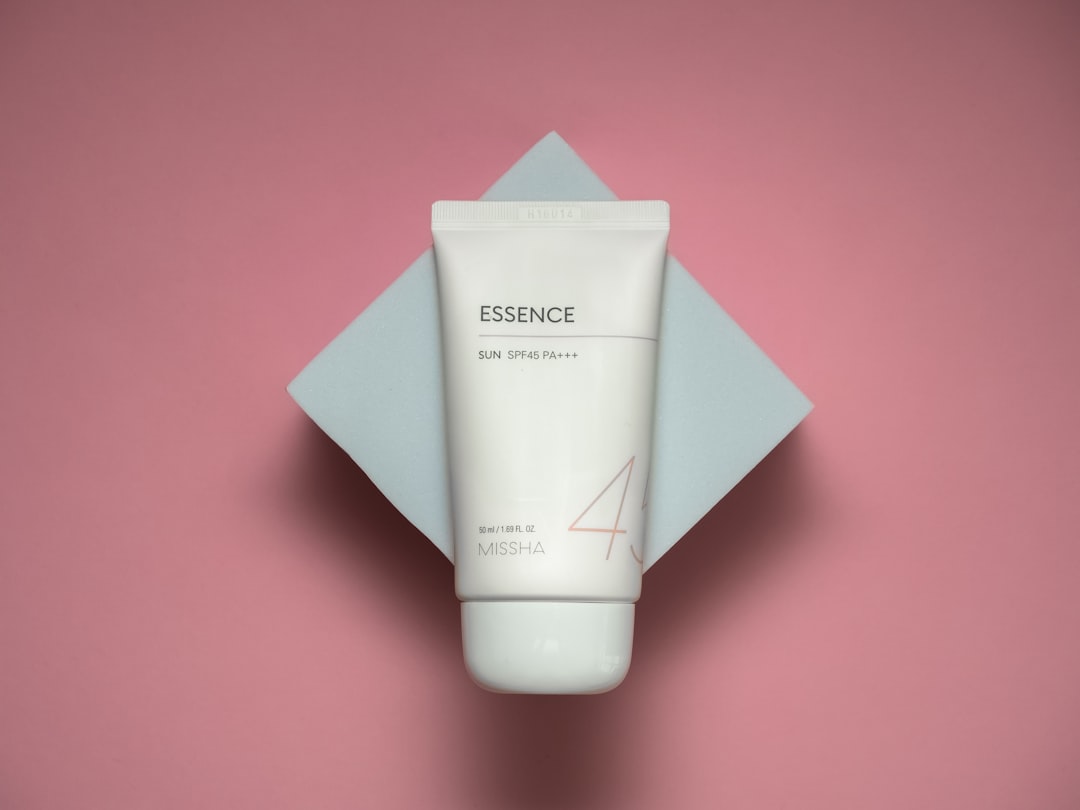
- Missha All Around Safe Block Essence Sun SPF 45 ($12, Amazon) — Watery essence texture, budget-friendly, plays beautifully under makeup.
- Isntree Hyaluronic Acid Watery Sun Gel SPF 50+ ($18, Sephora) — Chemical filter sunscreen with hyaluronic acid for bonus hydration. Ideal for dry indoor environments with heavy AC or heating.
The Best Acne-Fighting Korean Ingredients: A Science-Backed Breakdown
Not all ingredients are created equal. Here’s a breakdown of the most effective Korean skincare ingredients for acne-prone skin, what they do, and the research behind them.
| Ingredient | What It Does | Best For | Key Research |
|---|---|---|---|
| Salicylic Acid (BHA) | Penetrates pores, dissolves sebum plugs, anti-inflammatory | Blackheads, whiteheads, oily skin | FDA-approved OTC acne treatment since 1990s |
| Niacinamide (Vitamin B3) | Reduces sebum production by up to 23%, fades dark spots, strengthens barrier | Oily skin, post-acne marks, large pores | Draelos et al., 2006 — Dermatologic Therapy |
| Centella Asiatica (Cica) | Stimulates collagen, reduces redness, speeds wound healing | Inflamed acne, cystic acne, sensitive skin | Bylka et al., 2013 — Postepy Dermatologii i Alergologii |
| Tea Tree Oil | Antimicrobial against C. acnes bacteria, anti-inflammatory | Mild-moderate acne, pustules | Comparable to 5% benzoyl peroxide with fewer side effects (Bassett et al., 1990) |
| Snail Mucin | Contains glycoproteins, hyaluronic acid, and zinc — repairs skin, hydrates, fades scars | Acne scars, dehydrated acne skin, texture issues | El-Mesallamy et al., 2020 — Journal of Cosmetic Dermatology |
| Propolis | Natural antimicrobial and anti-inflammatory from beehives | Red, inflamed breakouts, wound healing | Grange & Davey, 1990 — broad-spectrum antimicrobial activity confirmed |
| Mugwort (Artemisia) | Calms irritation, rich in antioxidants, soothes sensitized skin | Reactive, easily irritated acne skin | Traditional Korean herbal medicine; increasing clinical interest since 2020 |
7 Best Korean Sheet Masks for Dry Skin (2026 Ranking)
Common Mistakes People Make with Korean Skincare for Acne

Mistake #1: Using Too Many Active Ingredients at Once
When you first discover acids, retinol, and vitamin C, it’s tempting to use them all in the same routine. Don’t. Layering BHA + AHA + retinol + vitamin C in one session will destroy your moisture barrier within a week, leading to the dreaded “acne purge” that’s actually just irritation-induced breakouts. Start with one active at a time, use it for 2-3 weeks, and add another only when your skin has adjusted.
Mistake #2: Skipping Moisturizer Because Your Skin Is Oily
This is the single most common mistake in Western acne care. Your skin’s oiliness is often a symptom of dehydration, not excess moisture. When you skip moisturizer, your skin panics, ramps up sebum production, and you end up oilier than before. A lightweight, non-comedogenic Korean moisturizer (like the COSRX Birch Sap Lotion) adds hydration without contributing to congestion.
Mistake #3: Not Patch Testing New Products
Acne-prone skin is reactive skin. Even “gentle” products can trigger breakouts if your skin is sensitive to a specific ingredient. Always patch test new products on a small area of your jawline for 3-5 days before applying to your full face. This simple habit can save you weeks of recovery from a bad reaction.
Mistake #4: Changing Your Entire Routine at Once
If you introduce five new products simultaneously and break out, you’ll have no idea which one caused the problem. Introduce one new product every 2 weeks. This gives your skin time to adjust and makes it easy to identify the culprit if something goes wrong.
Korean Skincare for Different Types of Acne
Not all acne is the same, and your Korean skincare routine for acne prone skin should be tailored to your specific type of breakout.
Hormonal Acne (Deep, Cystic, Jawline/Chin)
Hormonal acne forms deep under the skin and doesn’t respond well to surface-level treatments. Your Korean routine should focus on anti-inflammatory ingredients like centella asiatica, mugwort, and propolis. Avoid aggressive physical exfoliation — it won’t reach the deep cysts and will only irritate the surface. Instead, use a gentle BHA 2-3 times per week and layer soothing serums. Pimple patches (like COSRX Acne Pimple Master Patches, $5 for 24) are excellent for drawing out fluid from cysts overnight without picking.
Comedonal Acne (Blackheads and Whiteheads)
This type responds beautifully to Korean routines. BHA is your best friend — it dissolves the keratin plugs clogging your pores. Double cleansing is especially critical here, as comedonal acne is often caused by incomplete makeup and sunscreen removal. Add a weekly clay mask (Innisfree Super Volcanic Pore Clay Mask, $14, Sephora) to absorb excess sebum from pores.
Inflammatory / Pustular Acne (Red, Swollen Pimples)
When your acne is red, angry, and painful, your priority is calming inflammation before anything else. Skip active exfoliants until the worst of the inflammation subsides. Use centella-heavy products, mugwort toners (I’m From Mugwort Essence, $28, Sephora), and tea tree spot treatments. Once the redness calms down in 1-2 weeks, gradually reintroduce BHA.
Fungal Acne (Tiny, Uniform Bumps on Forehead/Cheeks)
Fungal acne (malassezia folliculitis) looks like acne but is actually caused by yeast overgrowth. Most traditional acne products — and many Korean products — can make it worse because they contain fatty acids and esters that feed the yeast. Look for fungal-acne-safe products: the COSRX Snail Mucin Essence is safe, as are most products from Pyunkang Yul. Avoid fermented ingredients (galactomyces, saccharomyces) which can aggravate fungal acne.
Lifestyle Tips That Supercharge Your Korean Skincare Routine

Products are only part of the equation. Korean beauty culture emphasizes a holistic approach to skin health that includes diet, habits, and environment.
Diet and Gut Health
Korean cuisine is naturally rich in fermented foods — kimchi, doenjang, gochujang — which support a healthy gut microbiome. Research increasingly links gut health to skin clarity. A 2024 review in Nutrients found that probiotic supplementation reduced acne severity by an average of 30% in controlled trials. Consider adding fermented foods to your diet or taking a probiotic supplement alongside your skincare routine.
7 Low Calorie Korean Meals for Beginners (2026 Guide) 7 Healthy Korean Meals for Weight Loss in 2026
Humidity and Climate Adjustments
If you live in a dry Western climate (think Colorado, Arizona, or anywhere with heavy indoor heating), your skin is losing moisture constantly. Use a humidifier in your bedroom — keeping humidity between 40-60% can dramatically reduce transepidermal water loss. In humid climates (Florida, Gulf Coast), you may want to swap cream moisturizers for gel types and reduce the number of hydrating layers.
Pillowcase Hygiene and Hands-Off Policy
Change your pillowcase every 2-3 days, or invest in a silk pillowcase that harbors fewer bacteria. Stop touching your face — the average person touches their face 23 times per hour, transferring bacteria and oil from your hands directly to your pores. This single habit change can reduce breakout frequency by up to 20%, according to dermatological surveys.
Weekly Korean Skincare Treatments for Acne-Prone Skin
Beyond your daily routine, these weekly treatments can accelerate your results.
Sheet Masks (1-2x Per Week)
Choose sheet masks with tea tree, centella, or niacinamide. The occlusive nature of the mask forces ingredients deeper into your skin than a serum alone. Avoid sheet masks with heavy fragrances or coconut derivatives, which can trigger breakouts in sensitive skin. The Mediheal Tea Tree Care Solution Essential Mask ($2 per sheet, Amazon) is a proven acne-fighting pick with visible calming effects after one use.
Clay Masks (1x Per Week)
Clay absorbs excess oil and draws impurities from pores. Apply after cleansing, leave on for 10-15 minutes (never until cracking — that means it’s over-drying), and follow immediately with a hydrating toner. Innisfree Super Volcanic Pore Clay Mask 2X ($14, Sephora) uses Jeju volcanic ash and has become a K-Beauty icon for oily skin.
Sleeping Masks (2-3x Per Week)
Sleeping masks create a breathable seal over your nighttime routine, preventing moisture loss while you sleep. For acne-prone skin, choose gel-based sleeping masks over heavy cream ones. Laneige Water Sleeping Mask ($29, Sephora) is a classic that works for oily-acne skin types, and the COSRX Ultimate Nourishing Rice Overnight Spa Mask ($18, Amazon) brightens dull post-acne skin overnight.
Building Your Korean Skincare Budget: What to Spend and Where to Save

One of the best things about Korean skincare is that effective products don’t require luxury prices. Here’s a sample budget breakdown for a complete acne-fighting routine:
| Product Step | Budget Pick | Price | Premium Pick | Price |
|---|---|---|---|---|
| Oil Cleanser | Kose Softymo Speedy | $10 | Banila Co Clean It Zero Purifying | $19 |
| Water Cleanser | COSRX Good Morning Gel | $12 | Round Lab 1025 Dokdo | $16 |
| Exfoliant | Some By Mi AHA BHA PHA Toner | $18 | COSRX BHA Blackhead Power Liquid | $25 |
| Toner | Pyunkang Yul Essence Toner | $13 | Klairs Supple Preparation (Unscented) | $22 |
| Serum | Purito Centella Unscented | $17 | COSRX Snail 96 Mucin Essence | $25 |
| Moisturizer | COSRX Birch Sap Lotion | $16 | Belif Aqua Bomb | $38 |
| Sunscreen | Missha All Around Safe Block | $12 | Beauty of Joseon Relief Sun | $16 |
| Total | $98 | $161 |
A complete, effective Korean skincare routine for acne prone skin costs less than $100 at the budget level — and every product listed above has thousands of verified reviews from acne-prone users. You can find all of these at Amazon, Sephora, and Ulta, with frequent sales and bundle deals.
Frequently Asked Questions About Korean Skincare for Acne
Can I use a Korean skincare routine if I’m already on prescription acne medication?
Absolutely — in fact, Korean hydrating products are ideal companions for prescription treatments like tretinoin, adapalene, or oral antibiotics. These medications often cause dryness and irritation, and a gentle Korean routine helps maintain your moisture barrier while the medication works. Just avoid layering additional BHA or AHA on nights you use prescription retinoids, and always consult your dermatologist about specific product interactions.
How long does it take to see results from a Korean skincare routine for acne?
Most people notice reduced redness and improved hydration within 1-2 weeks. Significant acne clearance typically takes 6-8 weeks, which aligns with your skin’s natural cell turnover cycle of approximately 28 days. Post-acne hyperpigmentation may take 3-6 months to fade significantly with consistent use of niacinamide and vitamin C. Patience is essential — if you’re constantly switching products every two weeks, you’ll never give any of them a fair chance.
Is the 10-step Korean routine too much for acne-prone skin?
The 10-step routine is a framework, not a prescription. For acne-prone skin, most experts recommend a streamlined 5-7 step routine: oil cleanser, water cleanser, exfoliant (not daily), toner, serum, moisturizer, and sunscreen. You can add sheet masks and sleeping masks on specific days. The key principle is that each product should serve a purpose — if a step doesn’t address your specific concerns, skip it.
Will snail mucin clog my pores or cause breakouts?
Snail mucin is non-comedogenic and is actually beneficial for acne-prone skin. It contains natural antimicrobial peptides, hyaluronic acid, and glycoprotein enzymes that promote wound healing — making it excellent for fading acne scars and repairing damaged skin. The COSRX Snail 96 Mucin Essence has been used by millions of acne-prone individuals without triggering breakouts. However, if you have a known allergy to mollusks, do a patch test first.
What Korean skincare ingredients should I avoid if I have acne-prone skin?
Watch out for coconut oil and coconut derivatives (coconut alkanes, capric/caprylic triglyceride in high concentrations), heavy shea butter in leave-on products, artificial fragrances (listed as “parfum”), and denatured alcohol in high concentrations. Also be cautious with fermented ingredients like galactomyces and saccharomyces if you suspect fungal acne — these can feed the malassezia yeast responsible for those tiny forehead bumps.
Related Posts You’ll Love
- Snail Mucin Before or After Moisturizer? 2026 Guide
- Snail Mucin vs Centella Asiatica Benefits: 2026 Guide
- 7 Best Korean Sheet Masks for Dry Skin (2026 Ranking)
Suggested new articles:
- Best Korean Sunscreens for Oily and Acne-Prone Skin 2026
- Korean Double Cleansing Method: Complete Beginner’s Guide 2026
- How to Fade Acne Scars with Korean Skincare Products 2026
Ready to Transform Your Skin? Start Your Korean Skincare Journey Today
Building a Korean skincare routine for acne prone skin doesn’t have to be overwhelming. Start with the basics — a gentle double cleanse, one active ingredient, a lightweight moisturizer, and sunscreen — and build from there as your skin adjusts. The most important step is the first one.
Remember: consistency beats intensity every single time. A simple routine you follow daily will always outperform an elaborate 15-step routine you abandon after a week. Your skin didn’t break out overnight, and it won’t clear overnight either — but with the right products and a little patience, it absolutely will clear.
Have you tried any of these Korean skincare products for acne? Drop your experience in the comments below — we’d love to hear which products worked (and which didn’t) for your skin type. And if you found this guide helpful, share it with a friend who’s struggling with breakouts. Sometimes the best skincare tip is the one that comes from someone who’s been there.
Want more K-Beauty guides, honest product reviews, and skincare science delivered straight to your inbox? Subscribe to our newsletter and never miss a post.