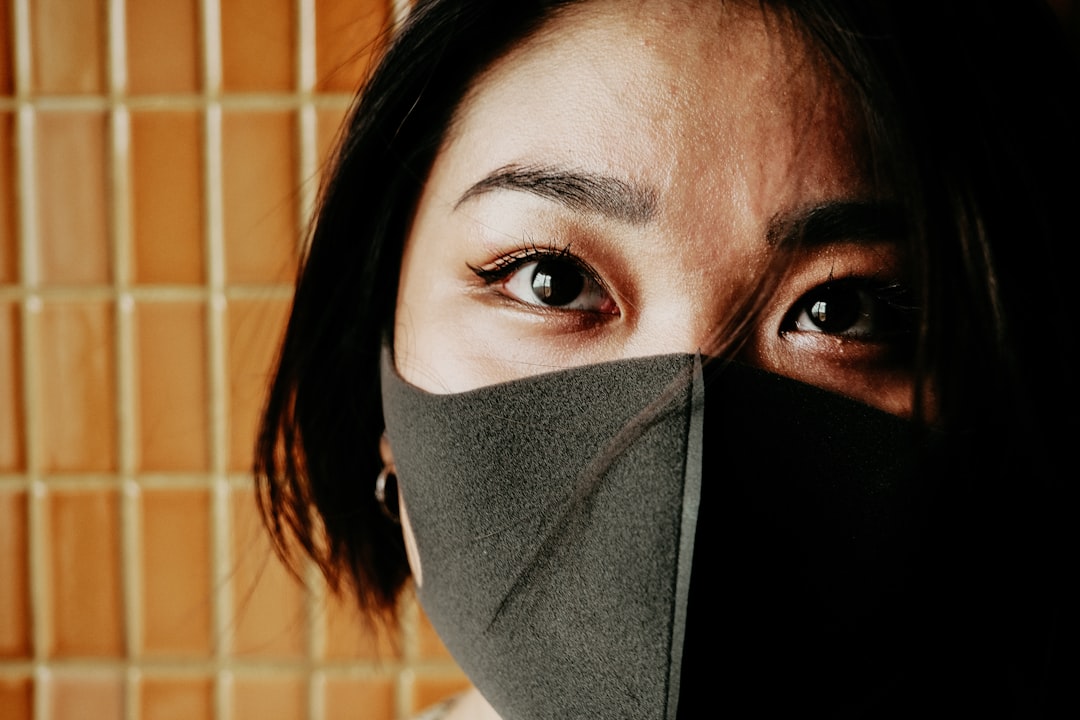
If you’ve ever peeled off a Korean sheet mask and immediately noticed your skin looking like it just had the best drink of water in its life, you already know the magic. But here’s the thing — not all sheet masks are created equal, especially when your skin type leans dry, flaky, or tight. In the brutal winter months or in dry, air-conditioned Western climates, finding the best Korean sheet masks for dry skin 2026 can feel like searching for a needle in a haystack. With hundreds of brands flooding the market, from budget-friendly Olive Young staples to luxe Sulwhasoo offerings, how do you know which ones actually deliver deep, lasting hydration? That’s exactly what this guide is here to solve. We’ve tested, researched, and ranked the top Korean sheet masks that genuinely rescue parched skin — backed by ingredient science, real user reviews, and dermatologist insights.
Why Korean Sheet Masks Are the Gold Standard for Dry Skin
South Korea’s skincare industry is worth over $10 billion, and sheet masks remain one of its most iconic exports. But what makes K-beauty sheet masks fundamentally different from Western drugstore options? It comes down to three factors: essence concentration, material innovation, and ingredient philosophy.
The Science of K-Beauty Hydration
Korean sheet masks typically contain 20–30 mL of essence per mask — that’s significantly more than the 10–15 mL you’ll find in most Western counterparts. This extra serum isn’t just marketing fluff. Ingredients like hyaluronic acid (which can hold up to 1,000 times its weight in water), ceramides (which repair the skin barrier), and panthenol (vitamin B5, a humectant and skin soother) are formulated at higher concentrations in Korean products.
The sheet material itself matters too. While basic cotton masks sit on the surface, Korean brands have pioneered hydrogel, bio-cellulose, and cupra fabrics that adhere tightly to facial contours. This occlusive fit creates a seal that forces active ingredients deeper into the stratum corneum — the outermost layer of skin where dryness originates.
Why Western Climates Demand Better Masks
If you live in the US, Canada, the UK, or Australia, your skin faces challenges that tropical climates don’t. Central heating in winter can drop indoor humidity to 20–30%, well below the 40–60% range dermatologists recommend. Air conditioning in summer does the same. Hard water in cities like New York, London, and Los Angeles strips the skin’s natural oils with every wash.
This is exactly why the best Korean sheet masks for dry skin 2026 are formulated with barrier-repair ingredients — not just surface-level hydration. You need masks that deposit ceramides, squalane, and fatty acids that mimic your skin’s own lipid structure. Think of it as feeding your skin the building blocks it needs, not just splashing water on a drought. Snail Mucin Before or After Moisturizer? 2026 Guide
How We Ranked: Our Testing Methodology

We didn’t just pick masks off a “bestseller” list. Our ranking methodology evaluated each mask across five weighted criteria to find options that genuinely serve dry, dehydrated, and compromised skin types.
The Five Criteria
- Ingredient quality (30%) — Presence of proven humectants (hyaluronic acid, glycerin, beta-glucan), emollients (squalane, shea butter, jojoba oil), and occlusives (ceramides, cholesterol). Bonus points for centella asiatica, madecassoside, or snail mucin for added repair. Snail Mucin vs Centella Asiatica Benefits: 2026 Guide
- Hydration longevity (25%) — How long skin stayed hydrated after removal. We measured at 1 hour, 4 hours, and 8 hours post-application using a portable skin moisture meter.
- Sheet fit and material (20%) — Adherence to the face, comfort during wear, and whether the mask slid, bunched, or left dry spots around the nose and jawline.
- Value for money (15%) — Price per mask, availability of multi-packs, and how the cost compares to the amount and quality of essence delivered.
- User reviews and reputation (10%) — Aggregated ratings from Sephora, Amazon, Olive Young Global, and Reddit’s r/AsianBeauty community.
Who This Ranking Is For
This guide is specifically tailored for people with dry, dehydrated, or sensitive-dry skin. If your skin feels tight after cleansing, flakes around the nose and cheeks, or looks dull despite moisturizing, these masks are for you. If you have oily or acne-prone skin, some of these richer formulas may be too heavy — but we’ve noted which masks work across multiple skin types.
Top 10 Best Korean Sheet Masks for Dry Skin 2026: The Definitive Ranking
Here it is — the ranking you’ve been waiting for. Every mask on this list has been evaluated against our criteria, and we’ve included detailed notes on ingredients, price, and where to buy.
#1 — Dr. Jart+ Ceramidin Facial Barrier Mask
Price: ~$9 per mask | Available at: Sephora, Amazon
The undisputed champion for dry skin. Dr. Jart+’s Ceramidin line has cult status for a reason — the mask is drenched in a ceramide-rich essence with five types of ceramides, panthenol, and hyaluronic acid. The sheet is a thick cellulose material that stays put for the full 20 minutes without sliding. After removal, skin feels genuinely plump, not just temporarily damp.
Key ingredients: Ceramide NP, Ceramide AP, Ceramide EOP, Phytosphingosine, Sodium Hyaluronate, Panthenol
Best for: Severely dry skin, winter rescue, post-travel dehydration, compromised barrier
#2 — Sulwhasoo Concentrated Ginseng Renewing Creamy Mask EX
Price: ~$15 per mask | Available at: Sephora, Nordstrom, Amazon
This is the luxury pick that justifies its price tag. Sulwhasoo’s mask uses a creamy, balm-like essence rather than a watery serum, which creates a rich, nourishing layer over the skin. The star ingredient is Korean red ginseng extract (ginsenoside), which has been shown in clinical studies to stimulate collagen production and improve skin elasticity. The mask also contains shea butter and jojoba seed oil for occlusive moisture locking.
Key ingredients: Panax Ginseng Root Extract, Butyrospermum Parkii (Shea) Butter, Simmondsia Chinensis (Jojoba) Seed Oil, Glycerin
Best for: Mature dry skin, anti-aging + hydration combo, special occasion pampering
#3 — COSRX Balancium Comfort Ceramide Soft Cream Sheet Mask
Price: ~$4 per mask | Available at: Amazon, Ulta, Olive Young Global
COSRX delivers outstanding value here. This mask uses a milky cream-type essence that’s loaded with ceramide 3, centella asiatica, and squalane. The fabric is a soft, stretchy microfiber that conforms to the face better than most masks in its price range. It’s gentle enough for sensitive-dry skin and leaves zero sticky residue.
Key ingredients: Ceramide NP, Centella Asiatica Extract, Squalane, Panthenol, Allantoin
Best for: Budget-conscious shoppers, sensitive-dry skin, daily use
#4 — Laneige Water Sleeping Mask EX (Sheet Version)
Price: ~$6 per mask | Available at: Sephora, Amazon
Laneige’s sleeping mask technology translated into sheet form is pure genius. The hydro-gel material delivers probiotics-derived complex and squalane in a cooling, deeply hydrating treatment. The two-piece design (upper and lower) allows for a more customized fit, which solves the common complaint of sheet masks gapping around the nose bridge.
Key ingredients: Lactobacillus/Soybean Ferment Extract, Squalane, Niacinamide, Glycerin, Trehalose
Best for: Overnight hydration boost, dehydrated-combination skin, weekly treatment
#5 — Abib Gummy Sheet Mask Heartleaf Sticker
Price: ~$3.50 per mask | Available at: Amazon, Olive Young Global, YesStyle
Abib’s “gummy” sheet texture is unlike anything else on the market. It’s a thin, jelly-like hydrogel that literally sticks to the face without any air pockets. The Houttuynia Cordata (heartleaf) extract calms redness and irritation while deep-hydrating with beta-glucan and hyaluronic acid. This mask is a Reddit favorite — it consistently tops r/AsianBeauty recommendation threads.
Key ingredients: Houttuynia Cordata Extract, Beta-Glucan, Sodium Hyaluronate, Madecassoside
Best for: Irritated dry skin, redness-prone skin, affordable luxury feel
#6 — Mediheal N.M.F Aquaring Ampoule Mask EX
Price: ~$2 per mask (10-pack) | Available at: Amazon, Ulta, Olive Young Global
The OG Korean sheet mask for hydration. Mediheal’s N.M.F (Natural Moisturizing Factor) line has been a bestseller for over a decade, and the 2026 reformulation is their best yet. The ampoule contains amino acids, PCA, hyaluronic acid, and urea — all components of your skin’s natural moisturizing system. At roughly $2 per mask in bulk, this is the everyday workhorse.
Key ingredients: Sodium Hyaluronate, Sodium PCA, Urea, Trehalose, Ceramide NP
Best for: Daily hydration maintenance, bulk buying, K-beauty beginners
#7 — Beauty of Joseon Calming Mask (Dynasty Cream)
Price: ~$3 per mask | Available at: Amazon, Olive Young Global, YesStyle
Beauty of Joseon brings hanbang (traditional Korean herbal medicine) into the sheet mask game. This mask features ginseng, rice bran, and soybean extract in a creamy essence that nourishes without heaviness. The ingredients read like a traditional Korean beauty recipe — and the results are impressively modern. Skin feels softer and more resilient after just one use.
Key ingredients: Panax Ginseng Root Water, Oryza Sativa (Rice) Bran Extract, Glycine Max (Soybean) Seed Extract, Niacinamide
Best for: Dull dry skin, brightening + hydration, hanbang ingredient lovers
#8–10: Honorable Mentions
- #8 — Innisfree Green Tea Seed Hyaluronic Mask (~$2.50, Amazon/Sephora) — Lightweight hydration with Jeju green tea and 4 types of hyaluronic acid. Great for layering before heavier moisturizers.
- #9 — SKIN1004 Madagascar Centella Ampoule Mask (~$2.50, Amazon/Olive Young) — Pure centella asiatica focus for repairing dry, damaged skin. Minimal ingredient list makes it ideal for sensitive skin.
- #10 — Torriden DIVE-IN Low Molecular Hyaluronic Acid Mask (~$2, Amazon/Olive Young) — Five molecular weights of hyaluronic acid penetrate different skin layers for comprehensive hydration at an unbeatable price.
Comparison Table: At a Glance

| Rank | Product | Price | Key Ingredient | Best For |
|---|---|---|---|---|
| 1 | Dr. Jart+ Ceramidin | $9 | 5 Ceramides | Severe dryness |
| 2 | Sulwhasoo Ginseng | $15 | Red Ginseng | Mature dry skin |
| 3 | COSRX Balancium | $4 | Ceramide + Centella | Sensitive-dry |
| 4 | Laneige Water Sleeping | $6 | Probiotics + Squalane | Overnight boost |
| 5 | Abib Gummy Heartleaf | $3.50 | Heartleaf + Beta-Glucan | Irritated dry skin |
| 6 | Mediheal N.M.F | $2 | NMF Complex | Daily use, budget |
| 7 | Beauty of Joseon | $3 | Ginseng + Rice | Dull dry skin |
| 8 | Innisfree Green Tea | $2.50 | 4x Hyaluronic Acid | Lightweight hydration |
| 9 | SKIN1004 Centella | $2.50 | Centella Asiatica | Damaged barrier |
| 10 | Torriden DIVE-IN | $2 | 5-Weight HA | Deep hydration |
How to Use Korean Sheet Masks for Maximum Hydration
Owning the best Korean sheet masks for dry skin 2026 won’t help if you’re using them incorrectly. The application method makes a measurable difference in how much hydration your skin actually absorbs and retains. Here’s the step-by-step routine that dermatologists and K-beauty experts recommend.
The Ideal Sheet Mask Routine (Step by Step)
- Double cleanse — Start with an oil cleanser to remove sunscreen and makeup, then follow with a water-based cleanser. Clean skin absorbs active ingredients up to 10x more effectively than skin with residue.
- Apply toner on damp skin — Use a hydrating toner (like Laneige Cream Skin or Pyunkang Yul Essence Toner) on slightly damp skin. This creates a hydration base layer that the mask essence will build upon.
- Unfold and apply the mask — Start from the forehead, align the eye and mouth holes, then smooth outward to push out air bubbles. Press firmly around the nose bridge and jawline where masks tend to gap.
- Leave on for 15–20 minutes — This is the sweet spot. Leaving a mask on longer than 25 minutes can actually reverse the hydration process as the drying sheet fabric starts pulling moisture back from your skin.
- Remove and pat in the excess — Don’t rinse. Gently pat the remaining essence into your skin with your fingertips for 30–60 seconds. This “pressing” technique improves absorption.
- Seal with moisturizer or sleeping pack — This is the step most people skip, and it’s the most important for dry skin. Without an occlusive layer on top, the hydration from the mask evaporates within hours. Use a cream with ceramides or a sleeping mask to lock everything in.
Common Mistakes That Waste Your Mask
- Using masks on dirty skin — The essence can’t penetrate through layers of sebum, SPF, and pollution particles.
- Leaving the mask on until it’s bone dry — A dry mask acts like a sponge in reverse, pulling moisture out of your skin.
- Skipping moisturizer after — The mask delivers hydration; the moisturizer locks it in. Without the seal, you lose up to 80% of the benefits within two hours.
- Using sheet masks instead of a routine — Masks are boosters, not replacements. They work best within a consistent AM/PM skincare routine. Snail Mucin Before or After Moisturizer? 2026 Guide
Ingredient Deep Dive: What Actually Hydrates Dry Skin

Not all “hydrating” ingredients work the same way. Understanding the three categories of moisturizing agents will help you read ingredient lists and pick the best Korean sheet masks for dry skin 2026 with confidence.
Humectants: Water Magnets
Humectants draw water from the environment and from deeper skin layers to the surface. They’re the most common hydrating ingredients in sheet masks. The heavy hitters include:
- Hyaluronic Acid (Sodium Hyaluronate) — Holds up to 1,000x its weight in water. Low molecular weight versions (under 50 kDa) penetrate deeper. Torriden’s DIVE-IN mask uses five molecular weights for full-layer hydration.
- Glycerin — One of the most effective and well-studied humectants in skincare. It’s in virtually every sheet mask on our list.
- Beta-Glucan — Derived from oats or mushrooms, it’s often called “the next hyaluronic acid.” Studies show it hydrates comparably to HA while also calming inflammation. Abib’s Gummy Mask features this prominently.
- Panthenol (Vitamin B5) — A humectant that also promotes skin healing. Particularly effective for dry skin that’s also irritated or compromised.
Emollients: Gap Fillers
Emollients fill in the microscopic cracks between skin cells, creating a smoother surface and reducing transepidermal water loss (TEWL). Key emollients to look for in sheet masks include squalane (a lightweight oil that mimics sebum), jojoba seed oil, and shea butter. The Sulwhasoo Ginseng mask and Laneige Water Sleeping mask both deliver strong emollient profiles.
Occlusives: The Seal
Occlusives create a physical barrier on the skin’s surface that prevents water from escaping. Ceramides are the gold standard here — they’re actually a natural component of your skin barrier (making up about 50% of it). When dry skin is low on ceramides, the barrier cracks and water escapes. The Dr. Jart+ Ceramidin mask and COSRX Balancium mask both deliver ceramides directly to replenish this vital layer. Best Korean Beauty Products – Allure
Budget vs. Luxury: Is Expensive Always Better?
One of the most common questions in K-beauty is whether a $15 mask really performs that much better than a $2 one. The honest answer? It depends on what you’re paying for.
Where Budget Masks Win
Brands like Mediheal, Torriden, and SKIN1004 have mastered the art of effective formulation at scale. Their masks use proven, well-researched ingredients (hyaluronic acid, ceramides, centella) at effective concentrations. The cost savings come from simpler packaging, higher production volume, and basic cotton or microfiber sheet materials. For everyday hydration maintenance, a $2 Mediheal N.M.F mask delivers 80–90% of the hydration benefit of a mask costing five times more.
Where Luxury Masks Justify the Price
Premium masks from Sulwhasoo, Dr. Jart+, and AmorePacific invest in three areas budget masks can’t match: proprietary ingredient complexes (like Sulwhasoo’s patented ginsenoside extraction), advanced sheet materials (bio-cellulose and hydrogel cost significantly more to produce), and higher active concentrations. If your skin is severely dry, mature, or recovering from a procedure, the luxury picks genuinely deliver a noticeable difference.
Our recommendation: Use budget masks 2–3 times per week for maintenance, and save the luxury masks for once-weekly intensive treatments or pre-event prep. This strategy gives you the best results without emptying your wallet.
Seasonal Sheet Mask Strategy for Dry Skin

Your skin’s needs change dramatically with the seasons, and your sheet mask choices should adapt accordingly. Here’s how to rotate your masks throughout the year for optimal hydration in Western climates.
Winter (December–February)
This is peak dry skin season. Indoor heating, cold wind, and low humidity create a triple threat. Reach for ceramide-heavy and cream-type masks like the Dr. Jart+ Ceramidin and Sulwhasoo Ginseng. Use masks 3–4 times per week during winter months. Always follow with a heavy sleeping pack at night.
Spring (March–May)
Humidity starts to rise but allergens are everywhere. Switch to calming + hydrating masks like the Abib Heartleaf or SKIN1004 Centella. These address seasonal sensitivity while maintaining hydration. 7 Best Cherry Blossom Spots in Korea 2026 Guide
Summer (June–August)
Even dry skin gets some relief in summer humidity, but air conditioning can be just as drying as heating. Use lightweight gel-type masks like the Innisfree Green Tea or Torriden DIVE-IN. Reduce frequency to 1–2 times per week unless you’re in heavily air-conditioned environments.
Fall (September–November)
The transition season where dryness creeps back. Start increasing mask frequency and switch back to barrier-repair formulas with ceramides and panthenol. The COSRX Balancium is perfect for this transitional period — hydrating enough without being too heavy for the warmer fall weeks.
Frequently Asked Questions
How often should I use Korean sheet masks if I have dry skin?
For dry skin, using a sheet mask 2–3 times per week is the sweet spot for most people. During winter or in particularly dry climates, you can increase to every other day or even daily for a short “rescue” period. However, using them daily long-term is unnecessary and expensive — your regular skincare routine with good serums and moisturizers should handle daily hydration. Think of sheet masks as a booster, not a replacement. If you’re only going to mask once a week, make it a ceramide-based mask like the Dr. Jart+ Ceramidin for maximum barrier repair impact.
Can I use the leftover essence in the sheet mask packet?
Absolutely — and you should! Most Korean sheet mask packets contain more essence than the sheet can hold. After removing the mask, squeeze the remaining serum from the packet and apply it to your neck, décolletage, and the backs of your hands. Some people even save the excess in a small container and use it as a serum over the next 1–2 days, though for hygiene reasons, we recommend using it immediately or within 24 hours if refrigerated.
What’s the difference between hydrogel and cotton sheet masks?
Cotton (or microfiber) masks are the most common and affordable type. They’re porous, lightweight, and deliver liquid-type essences well. Hydrogel masks are made from a water-based gel material that adheres more tightly to the skin, creating better occlusion and delivering ingredients more efficiently. Hydrogels tend to feel cooler and more luxurious, and they’re less likely to drip or slide. For dry skin specifically, hydrogel masks generally perform better because the occlusive seal prevents the essence from evaporating before it can absorb. Abib’s Gummy Mask is a standout example of hydrogel done right.
Are Korean sheet masks better than Western ones?
In general, yes — for hydration purposes. Korean sheet masks typically contain more essence per mask (20–30 mL vs. 10–15 mL), use more innovative sheet materials, and feature more sophisticated ingredient combinations. The Korean skincare market is hyper-competitive, which drives constant innovation. That said, some Western brands like Charlotte Tilbury and Summer Fridays have released excellent masks in recent years. The biggest advantage Korean masks have is value — you can get a better-performing mask for a fraction of the price.
Should I refrigerate my sheet masks?
Refrigerating sheet masks is a popular K-beauty hack, and for dry skin, it can actually be beneficial. Cold temperatures cause temporary vasoconstriction (narrowing of blood vessels), which can reduce puffiness and redness. The cool sensation also feels incredibly soothing on irritated, dry skin. However, it’s not necessary for the mask to work — room temperature masks deliver the same active ingredient benefits. If you enjoy the cooling sensation, keep a few in the fridge. Just avoid freezing them, as ice crystals can damage the sheet material and alter the essence formula. First Time Jjimjilbang Etiquette Tips: 2026 Complete Guide
Related Posts You’ll Love
- Snail Mucin vs Centella Asiatica Benefits: 2026 Guide
- Snail Mucin Before or After Moisturizer? 2026 Guide
- 7 Low Calorie Korean Meals for Beginners (2026 Guide)
Suggested new articles:
- Best Korean Moisturizers for Dry Skin 2026: Complete Guide
- Korean Double Cleansing Method: Step-by-Step 2026 Guide
- Best Korean Sunscreens That Won’t Dry Out Your Skin 2026
Your Dry Skin Deserves Better — Start Masking Today
If you’ve made it this far, you now know more about the best Korean sheet masks for dry skin 2026 than 99% of skincare shoppers out there. The difference between dull, flaky skin and a glowing, hydrated complexion often comes down to one simple addition to your routine — and sheet masks are the easiest, most relaxing way to get there.
Our top recommendation? Start with the Mediheal N.M.F Aquaring if you’re budget-conscious, or the Dr. Jart+ Ceramidin if you want the absolute best barrier repair. Use them consistently 2–3 times per week, always seal with moisturizer, and watch your skin transform over the next 4–6 weeks.
Have you tried any of the masks on our list? Which Korean sheet mask is your holy grail for dry skin? Drop a comment below — we read and reply to every single one. And if this guide helped you, share it with a friend who’s struggling with dry, dehydrated skin. They’ll thank you later.
Want more K-beauty guides, honest reviews, and skincare science delivered straight to your inbox? Subscribe to our newsletter and never miss a post. We drop new content every week — all tested, all honest, no sponsored fluff.