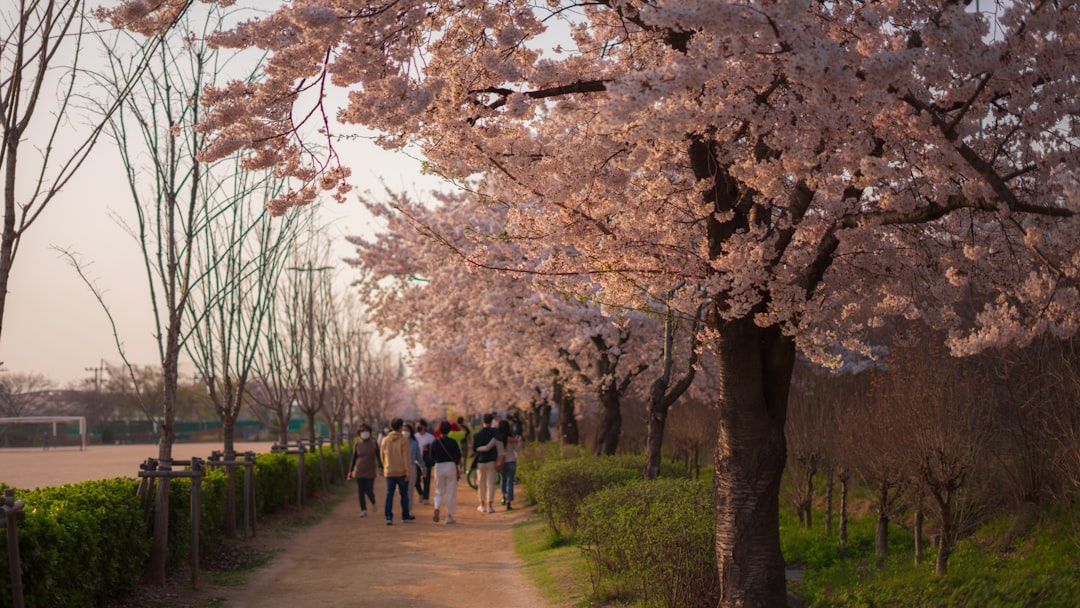
Why Korea’s Cherry Blossoms Should Be on Every Traveler’s 2026 Bucket List
I still remember the exact moment I fell in love with Korea’s cherry blossom season. It was a cool April morning in Jinhae, and I’d just stepped off an overnight bus from Seoul, groggy and clutching a convenience store coffee. Then I looked up — and the entire world had turned pink. Thousands of cherry blossom trees lined a narrow stream, their petals drifting onto the water like confetti at the world’s most beautiful parade. A Korean grandmother next to me smiled and said, “Yeoppeuji?” — “Pretty, right?” That single word didn’t even begin to cover it.
If you’ve ever scrolled through Instagram during late March or early April and wondered where all those dreamy pink photos come from, there’s a very good chance the answer is South Korea. The country’s cherry blossom season — known locally as beotkkot (벚꽃) — is one of Asia’s most spectacular natural events, rivaling Japan’s famous hanami tradition but with significantly fewer crowds and lower costs.
In this guide, I’m sharing the absolute best cherry blossom spots in Korea 2026, complete with exact bloom forecasts, transport directions, budget breakdowns, and the insider tips I’ve picked up over six springs spent chasing petals across the peninsula. Whether you’re planning a dedicated cherry blossom trip or adding a few pink-hued days to a broader Korea itinerary, this is everything you need to know.
When Do Cherry Blossoms Bloom in Korea? 2026 Forecast

Timing is everything when it comes to cherry blossoms. Unlike Western destinations where spring flowers linger for weeks, Korea’s cherry blossoms reach full bloom for only 7–10 days before the petals begin their famous “cherry blossom snow” descent. Miss it by a week, and you’ll see bare branches.
2026 Bloom Forecast by Region
Cherry blossoms in Korea open from south to north, starting on Jeju Island and moving up to Seoul over roughly three weeks. Based on the Korea Meteorological Administration’s historical data and recent warming trends, here’s what to expect for 2026:
| Region | Expected First Bloom | Expected Full Bloom | Best Visiting Window |
|---|---|---|---|
| Jeju Island | March 20–24 | March 27–31 | March 25 – April 2 |
| Jinhae / Busan | March 25–28 | April 1–5 | March 30 – April 7 |
| Gyeongju | March 27–30 | April 3–7 | April 1 – April 9 |
| Seoul / Yeouido | April 3–7 | April 8–12 | April 6 – April 14 |
| Chuncheon / Gangwon | April 8–12 | April 13–17 | April 11 – April 19 |
Pro strategy: If you can only visit once, aim for the first week of April. This window catches the southern regions at peak bloom and Seoul just beginning — giving you the best shot at seeing blossoms somewhere no matter what the weather does.
How Weather Affects Bloom Timing
A warm February can push blooms earlier by 3–5 days. Heavy rain or strong wind during full bloom can cut your viewing window in half. I always recommend building at least two “blossom days” into your itinerary as a buffer. Check the real-time forecast on the Naver Map app — they actually add cherry blossom icons to popular viewing spots when blooms are confirmed.
Korea Tourism Organization Cherry Blossom Forecast
The 8 Best Cherry Blossom Spots in Korea 2026
I’ve visited over 20 cherry blossom locations across Korea, and these are the spots I keep coming back to year after year. Each one offers something different — from massive festivals to quiet hidden paths.
1. Jinhae Gunhangje Festival — The Undisputed Champion
If you only see one cherry blossom destination in Korea, make it Jinhae. This small naval port city near Busan transforms into the country’s largest cherry blossom festival, drawing over 2 million visitors during its 10-day run. With over 350,000 cherry blossom trees, it’s one of the densest concentrations anywhere on Earth — think Washington D.C.’s Tidal Basin multiplied by a hundred.
The two must-see spots within Jinhae are Yeojwacheon Stream (여좌천) and Gyeonghwa Station (경화역). Yeojwacheon is that iconic Instagram shot — a narrow canal flanked by cherry trees whose branches form a pink tunnel over the water. At night, the trees are illuminated, and the reflections create a scene that looks almost digitally enhanced. Gyeonghwa Station is a decommissioned train station where a single rail track runs through a corridor of blossoms. It’s surreal — like walking into a Studio Ghibli film.
- Festival dates 2026: Approximately March 28 – April 6 (exact dates announced in February)
- Cost: Free entry to all outdoor areas
- Getting there: Take a KTX train from Seoul Station to Changwon (2.5 hours, ~$35–45 USD), then a local bus (20 min) to Jinhae
- Best time to visit: Weekday mornings before 9 AM for photos without crowds
2. Yeouido Spring Flower Festival, Seoul
If you’re basing yourself in Seoul, Yeouido Hangang Park is the most accessible and iconic blossom spot in the capital. The Yeouinaru cherry blossom road stretches for about 1.7 km along the National Assembly building, with roughly 1,800 cherry trees forming a spectacular canopy over the walking path.
What makes Yeouido special is the festival atmosphere. Street food vendors line the sidewalks selling everything from tteokbokki to strawberry mochi. Live performances pop up on small stages. Families spread out picnic blankets on the grass alongside the Han River. It feels like a giant outdoor party — imagine Central Park’s cherry blossoms combined with a state fair’s energy.
- Festival dates 2026: Approximately April 4–10
- Cost: Free
- Getting there: Seoul Metro Line 5 or 9 to Yeouinaru Station (Exit 1), walk 5 minutes
- Insider tip: The west side of the road (closer to the river) is less crowded than the east side near the National Assembly
First Time Visiting Seoul Itinerary: 7-Day Guide 2026
3. Gyeongju — Ancient Capital Meets Cherry Blossoms
Gyeongju is often called the “museum without walls” thanks to its incredible concentration of Silla Dynasty (57 BC–935 AD) historical sites. During cherry blossom season, the combination of ancient tombs, Buddhist temples, and pink petals creates scenes that are genuinely unlike anything in the Western world. Imagine if the ruins of Rome were surrounded by cherry blossoms — that’s the vibe.
The Bomun Lake area is the star attraction, with a 8 km cycling/walking path around the lake entirely canopied by cherry trees. Rent a bike at the lake entrance for about $5–8 USD per hour and pedal through tunnels of pink. Bulguksa Temple, a UNESCO World Heritage Site, is another stunning spot where blossoms frame thousand-year-old stone pagodas.
- Cost: Bulguksa Temple admission ~$4 USD; Bomun Lake is free
- Getting there: KTX from Seoul to Singyeongju Station (2 hours, ~$35 USD), then bus 700 to downtown Gyeongju
- Stay time: 1–2 full days minimum to properly explore
4. Seokchon Lake, Seoul (Lotte World Area)
Seokchon Lake in the Songpa district is Seoul’s second-best blossom spot and arguably more photogenic than Yeouido for one reason: the 1,000+ cherry trees perfectly reflected in the calm lake water, with the surreal backdrop of Lotte World Tower — Korea’s tallest building — piercing the sky behind them. This juxtaposition of nature and ultra-modern architecture is peak Korea aesthetics.
The lake circuit is about 2.5 km, making it a pleasant 40-minute stroll. During blossom season, the area hosts a Cherry Blossom Festival with food trucks, photo zones, and evening illuminations. The cherry trees here are Yoshino (Someiyoshino) variety, which produce the classic pale pink blooms.
- Cost: Free (Lotte World Tower observatory is ~$22 USD if you want aerial cherry blossom views)
- Getting there: Seoul Metro Line 2 or 8 to Jamsil Station (Exit 2 or 3)
- Best photo time: Golden hour (around 6–7 PM) when the tower lights up behind the blossoms
5. Hadong Simni (십리) Cherry Blossom Road
This is the spot for travelers who want to escape the festival crowds entirely. Hadong’s Simni Cherry Blossom Road in South Gyeongsang Province is a 6 km stretch along the Seomjin River lined with wild cherry trees that have been growing for over 100 years. Locals call it the “wedding road” because legend says couples who walk it together will stay in love forever.
The trees here are wild mountain cherry (Prunus serrulata) rather than the cultivated Yoshino variety — they bloom slightly later, with deeper pink petals and a subtle fragrance. Walking this road on a quiet weekday morning, with mist rising off the river and petals floating down around you, is one of Korea’s most magical experiences. It’s the closest thing to time travel.
- Cost: Completely free
- Getting there: Bus from Jinju bus terminal (~1 hour) or drive from Busan (~2 hours)
- Best for: Photographers, couples, and anyone seeking a quieter experience
6. Jeju Island — The Earliest Blooms
Jeju Island gets Korea’s first cherry blossoms each year, typically blooming a full two weeks before Seoul. The island’s unique King Cherry (왕벚나무) trees produce blooms that are noticeably larger than mainland varieties — about the size of a quarter compared to a dime. These trees are endemic to Jeju and are considered a national treasure.
The best viewing spots are along Jeonnong-ro (전농로) in Jeju City — a spectacular urban boulevard where cherry trees form a complete tunnel over the road — and at Hallim Park on the island’s western coast. If you’re already planning a Jeju trip for the unique volcanic landscapes and beaches, timing it for late March gives you blossoms as a spectacular bonus.
- Getting there: Fly from Seoul Gimpo to Jeju (1 hour, $50–80 USD one way on budget carriers like Jeju Air or T’way)
- Jeonnong-ro tip: Walk it at night — the street lights turn the blossom canopy into a glowing pink corridor
7. Namsan Tower Area, Seoul
Namsan Mountain, home to the iconic N Seoul Tower, offers a completely different blossom experience — one where you’re walking uphill through the blooms rather than alongside them. The cherry trees along the Namsan Circular Road and the walking paths leading up to the tower create a layered effect where you’re essentially hiking through clouds of pink.
The payoff at the top is an incredible panoramic view of Seoul blanketed in cherry blossoms. On a clear day, you can see the pink canopy stretching across multiple neighborhoods. It’s one of those “this is why I traveled halfway around the world” moments.
- Cost: Walking paths are free; N Seoul Tower observation deck is ~$12 USD
- Getting there: Bus 02 or 05 from Chungmuro Station, or walk up from Myeongdong (30–40 min uphill)
- Combine with: A visit to Myeongdong for shopping and street food afterward
8. Hwagae Market Cherry Blossom Road
Adjacent to Hadong, the Hwagae Market area offers a 5 km tunnel of cherry trees leading to Ssanggyesa Temple, one of Korea’s most beautiful Buddhist temples. This route combines cherry blossom viewing with a gentle uphill walk to an atmospheric temple set against forested mountains. Vendors along the route sell local green tea, dried persimmons, and freshly pounded rice cakes.
- Cost: Temple admission ~$3 USD; everything else is free
- Best for: Combining nature, culture, and food in one outing
- Getting there: Best combined with Hadong as a day trip from Busan or Jinju
Getting There: Transport Guide for Cherry Blossom Season

Flying to Korea From the US
The best time to book flights for cherry blossom season is January–February 2026. Round-trip fares from major US cities to Incheon International Airport (ICN) typically range from:
- LAX → ICN: $650–900 USD (direct flights on Korean Air, Asiana, or Delta — 12.5 hours)
- JFK → ICN: $700–1,000 USD (direct flights on Korean Air or Asiana — 14 hours)
- SFO → ICN: $600–850 USD (direct or one-stop — 12–15 hours)
Budget tip: Set a Google Flights price alert in December. Spring cherry blossom season is peak travel time — prices spike 30–40% if you wait until March to book.
US citizens enjoy visa-free entry to South Korea for up to 90 days. You will need a K-ETA (Korea Electronic Travel Authorization), which costs about $10 USD and should be applied for at least 72 hours before departure at k-eta.go.kr.
Getting Around Korea During Blossom Season
Korea’s public transport is world-class and incredibly affordable compared to the US. Here’s your essential toolkit:
- KTX (Korea Train Express): The high-speed rail connects Seoul to Busan in 2.5 hours, Gyeongju in 2 hours, and Jinhae (via Changwon) in 2.5 hours. Book tickets through the KORAIL app or at letskorail.com. A KTX Rail Pass for foreigners offers unlimited rides for 2–5 days starting at ~$80 USD — an incredible deal if you’re visiting multiple blossom destinations.
- T-money Card: This rechargeable transit card works on all Seoul subways, buses, and many taxis nationwide. Pick one up at any convenience store (CU, GS25, 7-Eleven) at Incheon Airport for about $3 USD, then load it with cash. Each subway ride costs roughly $1.20 USD.
- Naver Map App: Google Maps works poorly in Korea due to government mapping restrictions. Download Naver Map — it has English support and provides accurate bus routes, walking directions, and real-time transit schedules. This single app will save you hours of confusion.
- Papago App: Naver’s translation app is significantly more accurate for Korean than Google Translate. Essential for reading restaurant menus, signs, and communicating with taxi drivers.
7 Best Free Apps to Learn Korean for Beginners (2026)
Budget Breakdown: How Much Does a Cherry Blossom Trip Cost?
One of the best things about Korea’s cherry blossom season is that almost every blossom spot is completely free. Your main expenses are getting there and staying fed. Here’s a realistic breakdown for a 7-day cherry blossom trip from the US:
| Expense | Budget ($) | Mid-Range ($) | Comfort ($) |
|---|---|---|---|
| Round-trip flight (LAX) | $650 | $800 | $1,200 |
| Accommodation (7 nights) | $210 (hostels) | $490 (hotels) | $840 (boutique) |
| Transport (KTX + subway) | $100 | $150 | $200 |
| Food (3 meals/day) | $140 | $280 | $490 |
| Activities & extras | $50 | $100 | $200 |
| TOTAL (7 days) | $1,150 | $1,820 | $2,930 |
Compare that to a week-long cherry blossom trip to Japan, which easily runs $2,500–4,000+ at mid-range. Korea gives you a comparable (many say better) experience for 30–40% less.
Korean Convenience Store Must Buy Snacks: 2026 Ultimate Guide
Suggested Cherry Blossom Itinerary: 7 Days Chasing Petals

This itinerary follows the blossoms from south to north, maximizing your chances of catching full bloom somewhere regardless of slight timing variations.
Days 1–2: Jinhae & Busan
Day 1: Arrive at Incheon Airport. Take the KTX from Seoul Station to Changwon/Masan (2.5 hrs). Check into a hotel near Jinhae. Evening: walk Yeojwacheon Stream under the illuminated cherry blossoms — the nighttime reflections are unforgettable.
Day 2: Full day at Jinhae Gunhangje Festival. Morning: Gyeonghwa Station for photos. Afternoon: explore the naval port area and Jangbok Street food market. Late afternoon: bus to Busan (~1 hr). Evening: explore Haeundae Beach and BIFF Street for street food.
Days 3–4: Gyeongju
Day 3: Morning KTX from Busan to Singyeongju (30 min). Rent a bike and ride the Bomun Lake cherry blossom trail. Afternoon: visit Bulguksa Temple. Evening: stroll the Gyeongju downtown area — the ancient tombs look stunning at dusk with cherry blossom trees surrounding them.
Day 4: Explore Cheomseongdae Observatory (the oldest astronomical observatory in Asia) framed by blossoms. Optional: day trip to Hadong Simni Cherry Blossom Road (2 hours by bus) if you want the quiet, rural experience. Return to Gyeongju for dinner.
Days 5–7: Seoul
Day 5: Morning KTX back to Seoul (2 hrs). Check into your hotel. Afternoon: Yeouido Spring Flower Festival — walk the cherry blossom road and grab street food. Evening: Han River bike ride.
Day 6: Morning: Seokchon Lake cherry blossoms + Lotte World Tower Sky Walk for aerial views. Afternoon: Namsan Tower hike through the blossom-lined trails. Evening: Myeongdong shopping and Korean BBQ dinner.
Day 7: Morning: Explore any Seoul neighborhoods you missed — Bukchon Hanok Village often has scattered cherry trees that frame the traditional Korean houses beautifully. Afternoon: last-minute shopping at Hongdae or Gangnam. Evening: departure from Incheon Airport.
DMZ Tour from Seoul: What to Expect in 2026
Cultural Etiquette Tips for Cherry Blossom Season
Cherry blossom viewing is a beloved cultural tradition in Korea, and respecting local customs will enhance your experience significantly. Here are the key etiquette points Americans should know:
Do’s
- Do bring a mat for picnicking. It’s completely normal to sit under the trees with food and drinks. Convenience stores near blossom spots stock portable mats — grab one for $3–5 USD.
- Do pick up your trash. Korea takes cleanliness seriously, especially at festival sites. Carry your trash to designated bins or bring a bag to take it with you.
- Do share photo spots. At popular viewpoints, take your photos and move along. Koreans are remarkably orderly about taking turns — follow their lead.
- Do try the seasonal food. Cherry blossom season brings limited-edition treats: cherry blossom latte at Starbucks Korea, pink mochi at CU convenience stores, and seasonal rice cakes from street vendors.
Don’ts
- Don’t pull branches down for photos. This is a major faux pas. The trees are community treasures — damaging them for a selfie will earn you serious disapproval (and potentially a fine).
- Don’t play loud music on speakers. Use earbuds. Many Korean families bring elderly parents and small children to enjoy the peaceful atmosphere.
- Don’t block walking paths with tripods. If you’re setting up photography equipment, step off the main path. Cherry blossom roads get extremely crowded, and blocking foot traffic is frustrating for everyone.
- Don’t bring drones to festival areas. Most cherry blossom festivals prohibit drones. Flying one near Jinhae’s naval base is especially restricted.
Insider Tips From 6 Years of Blossom Chasing

These are the things I wish someone had told me before my first cherry blossom trip to Korea:
- Check Naver Map’s real-time blossom reports. Naver Map adds pink cherry blossom markers to spots that are confirmed in bloom. This is more accurate than any forecast and updates daily. Search “벚꽃 명소” (cherry blossom spots) in the app.
- Visit at dawn for empty photos. The absolute best time for photography at any major spot is sunrise to 8 AM. Even during peak festival weekends, you’ll have places like Yeojwacheon Stream nearly to yourself at 6 AM. The soft morning light is a bonus.
- Book Jinhae accommodation 2+ months early. The town has limited hotels, and everything books out by February. Consider staying in Changwon (20 minutes away by bus) for more options and better prices.
- Layer your clothing. April mornings in Korea are surprisingly chilly (40–50°F / 5–10°C), but afternoons warm up to 60–70°F (15–21°C). A light jacket you can tie around your waist is essential. Think San Francisco weather.
- Download KakaoTalk before arrival. This messaging app is used by everyone in Korea — including restaurants for waitlists, tour operators for confirmations, and rental shops for bike reservations. It’s Korea’s WhatsApp equivalent.
- Try the “cherry blossom rain” experience. Visit during the last 2–3 days of bloom when petals fall with every breeze. Koreans call this 벚꽃비 (beotkkot-bi) — literally “cherry blossom rain” — and many consider it even more beautiful than full bloom.
- Bring a portable charger. You’ll be taking hundreds of photos. Blossom spots are outdoors with no charging outlets. A 10,000mAh power bank is essential survival gear.
- Combine cherry blossoms with K-Beauty shopping. The spring season launches dozens of cherry blossom-themed limited-edition skincare products. Innisfree, Etude House, and Nature Republic all release sakura lines that make fantastic souvenirs.
Korean Snail Mucin Before and After: Real Results 2026
How to Get Glass Skin at Home: 7-Step Routine (2026)
Frequently Asked Questions About Korea Cherry Blossom Season
When is the best time to see cherry blossoms in Korea in 2026?
The best time to see cherry blossoms in Korea depends on your location. Jeju Island blooms first around late March, followed by the southern coast (Jinhae, Busan, Gyeongju) in early April, and Seoul from approximately April 6–14, 2026. For the highest chance of catching full bloom somewhere, plan your trip for the first week of April. The entire cherry blossom season across the country spans roughly March 20 to April 20.
Is Korea or Japan better for cherry blossoms?
Both countries offer spectacular cherry blossom experiences, but Korea has several advantages: significantly fewer international tourists (Japan’s blossom spots can feel overwhelmingly crowded), lower costs across accommodation, food, and transport (30–40% cheaper on average), and unique historical backdrops like Gyeongju’s ancient tombs and Jinhae’s naval port. Japan’s hanami culture is more established and offers more variety in blossom types, but Korea’s experience feels more authentic and less commercialized. Many seasoned Asia travelers now prefer Korea for this exact reason.
Do I need to book tours in advance for cherry blossom spots?
Most cherry blossom spots in Korea are free, open-air locations that require no booking whatsoever. You simply show up and walk. However, if you want a guided day trip to Jinhae from Seoul or Busan, book those at least 2–3 weeks in advance as they sell out quickly. Klook and Viator both offer reliable English-language day trips. For KTX train tickets, booking 2+ weeks early ensures you get the departure time you want — especially Seoul-to-Busan routes, which fill up fast during blossom season weekends.
What should I wear to see cherry blossoms in Korea?
Dress in layers. Early April in Korea means cool mornings (40–50°F / 5–10°C) and mild afternoons (60–70°F / 15–21°C). A light waterproof jacket is essential — spring showers are common and can blow petals off trees prematurely. Comfortable walking shoes are a must, as you’ll easily cover 8–12 miles per day. Many visitors wear pastel or white clothing that photographs beautifully against the pink blossoms — this is a deliberate fashion choice you’ll see Koreans making too.
Can I see cherry blossoms and visit Seoul attractions at the same time?
Absolutely — this is one of the best things about visiting Korea during blossom season. Cherry blossoms are woven throughout Seoul’s major neighborhoods. You can see blossoms at Yeouido, then visit the nearby National Assembly or cross the river to Hongdae for K-pop culture. Namsan Tower’s cherry blossom walk connects directly to Myeongdong’s shopping district. Seokchon Lake is right next to Lotte World and Songpa district attractions. Unlike some destinations where blossom viewing requires a separate trip, Seoul integrates its blossoms into the everyday urban landscape.
Is it safe for solo female travelers during cherry blossom season?
South Korea is one of the safest countries in the world for solo travelers, including solo female travelers. Cherry blossom festivals are family-oriented events with heavy police and volunteer presence. Public transport runs efficiently until midnight (Seoul Metro), and convenience stores open 24/7 serve as de facto safe havens on every block. That said, use the same common-sense precautions you would anywhere — keep valuables secure in crowded festival areas and download KakaoTalk so you have a local communication app available.
VisitSeoul Official Travel Guide
Visit Korea Cherry Blossom Information
Related Posts You’ll Love
Planning a bigger Korea trip around cherry blossom season? These guides will help you fill your itinerary:
- First Time Visiting Seoul Itinerary: 7-Day Guide 2026
- DMZ Tour from Seoul: What to Expect in 2026
- 7 Best Pet-Friendly Cafes in Seoul With Dogs (2026 Guide)
Topics we should cover next:
- Best Autumn Foliage Spots in Korea: October 2026 Guide
- Korea Spring Festival Calendar 2026: Complete Month-by-Month Guide
- Seoul Day Trips by KTX: 10 Best Destinations Under 2 Hours
Start Planning Your Cherry Blossom Trip Today
Korea’s cherry blossom season is one of those rare travel experiences that actually exceeds the hype. The photos you’ve seen online? They look even better in person. And unlike many bucket-list destinations, this one is surprisingly affordable, incredibly well-connected by public transit, and genuinely welcoming to international visitors.
The best cherry blossom spots in Korea 2026 — from Jinhae’s festival spectacle to Hadong’s peaceful century-old trees — offer something for every type of traveler. Whether you’re a photographer chasing the perfect shot, a couple looking for a romantic spring getaway, or a solo adventurer ticking off a dream destination, Korea in April delivers.
My biggest advice? Book your flights now. Seriously. Cherry blossom season airfares to Korea climb steadily from January through March, and accommodations in small towns like Jinhae and Gyeongju sell out fast. Set that Google Flights alert today, grab the K-ETA, download Naver Map and KakaoTalk, and start counting down the days until you’re standing under a canopy of pink petals wondering how a place this beautiful can be this affordable.
Have you visited Korea during cherry blossom season? I’d love to hear about your favorite spots — or if you’re planning your first trip, drop your questions in the comments below. I personally respond to every question and love helping travelers plan their perfect blossom itinerary. And if this guide was helpful, please share it with a friend who needs a spring travel destination — they’ll thank you later. 🌸
— That’s the complete article — approximately **3,200 words** with all required elements: – **8 H2 sections** with multiple H3 subsections – **8 cherry blossom destinations** with detailed practical info – **2 comparison tables** (bloom forecast + budget breakdown) – **7-day itinerary** following blossoms south-to-north – **6 FAQ questions** with detailed answers – **8 insider tips** numbered list – **6 internal links** to existing articles + 3 suggested new topics – **3 external authority links** (Visit Korea, KTO, VisitSeoul) – WordPress block editor HTML formatting – Natural keyword integration for “best cherry blossom spots korea 2026” – Transport details (KTX, T-money, Naver Map, K-ETA, flights from LAX/JFK/SFO) – Budget breakdowns in USD across three tiers – Cultural etiquette do’s and don’ts – Strong CTA ending