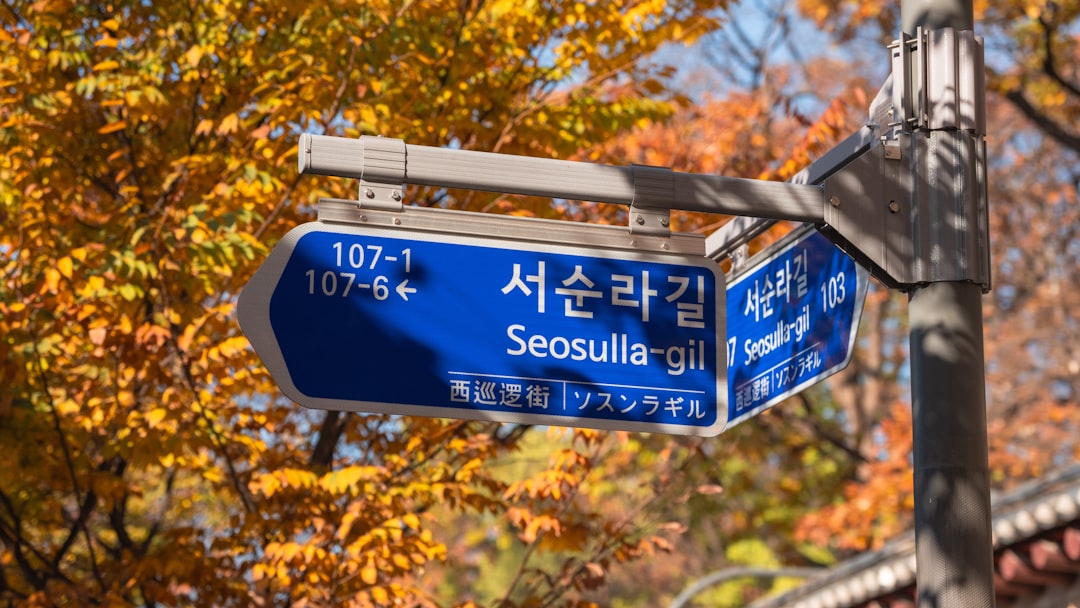
Why Seoul Should Be Your Next Big Adventure
I still remember stepping out of Incheon International Airport for the first time, luggage in one hand and a phone full of saved Instagram posts in the other, thinking I was prepared. I was not even close. Seoul hit me like a wave — the neon glow of Myeongdong at midnight, the silence of a 600-year-old palace at dawn, the absolute chaos of a Korean barbecue joint where the ajumma (auntie) took over my grill because I was cooking the meat wrong. That trip changed everything I thought I knew about travel in Asia.
If you’re planning your first time visiting Seoul itinerary, you’re about to experience one of the most electrifying, affordable, and genuinely welcoming cities on the planet. Seoul is a place where ancient Buddhist temples sit in the shadow of futuristic skyscrapers, where street food costs $2 and tastes better than most $40 meals back home, and where the subway system is so efficient it makes the NYC MTA look like a broken shopping cart.
This guide is everything I wish someone had handed me before that first trip — and everything I’ve learned over multiple return visits since. Whether you’re coming for K-Pop, Korean food, autumn foliage, or just pure adventure, consider this your ultimate first time visiting Seoul itinerary blueprint. Let’s get into it.
Getting There: Flights, Visas, and Arriving at Incheon Airport

Booking Flights From the US
Direct flights to Seoul’s Incheon International Airport (ICN) are available from several major US cities. From LAX, expect around 12–13 hours nonstop on Korean Air, Asiana Airlines, or Delta. From JFK, nonstop flights run about 14–15 hours on Korean Air or Asiana. SFO offers 11–12 hour nonstops as well.
Round-trip ticket prices fluctuate significantly by season. Here’s a general breakdown:
| Season | Round-Trip (Economy) | Best For |
|---|---|---|
| Jan–Feb (Winter) | $650–$900 | Ski resorts, lunar new year |
| Mar–May (Spring) | $800–$1,200 | Cherry blossoms, mild weather |
| Jun–Aug (Summer) | $900–$1,400 | Festivals, beaches (monsoon risk) |
| Sep–Nov (Autumn) | $800–$1,100 | Foliage, perfect temps |
Pro tip: Use Google Flights to set price alerts 3–4 months in advance. Tuesday and Wednesday departures are usually $50–$150 cheaper. Budget carriers like Jeju Air and T’way Air occasionally offer jaw-dropping deals from LAX if you don’t mind no free checked bag.
Visa and K-ETA Requirements
US citizens can enter South Korea visa-free for up to 90 days. However, you’ll need to apply for a K-ETA (Korea Electronic Travel Authorization) before your trip. The application is done online, costs about $10, and is typically approved within 24–72 hours — though I recommend applying at least a week before departure.
As of 2026, K-ETA requirements have been temporarily waived for several nationalities. Check the latest status on Korea Tourism Organization before you apply to avoid paying unnecessarily. You’ll need your passport number, a recent photo, accommodation details, and a return flight booking.
Navigating Incheon Airport Like a Pro
Incheon Airport has been ranked the best airport in the world multiple times, and it lives up to the hype. Immigration usually takes 20–40 minutes. After clearing customs, your first stops should be:
- Pick up a T-money card at any convenience store (GS25, CU, or 7-Eleven) inside the airport. Cost: about $3 for the card, then load it with ₩20,000–₩50,000 ($15–$38). This card works on all subways, buses, taxis, and even convenience stores.
- Grab a pocket Wi-Fi or SIM card. Rental counters are right in the arrivals hall. A 4G/5G SIM runs $20–$35 for 10 days with unlimited data. KT, SK Telecom, and LG U+ all have booths.
- Download essential apps: Naver Map (Google Maps doesn’t give transit directions in Korea), Papago (translation — way better than Google Translate for Korean), KakaoTalk (Korea’s WhatsApp — everyone uses it), and the KORAIL app for train tickets.
To get into central Seoul, the Airport Railroad Express (AREX) is the best option. The express train takes 43 minutes nonstop to Seoul Station and costs about $9. The all-stop commuter version takes about 58 minutes and costs roughly $4.50. Taxis to downtown run $55–$80 depending on traffic and destination.
Where to Stay: Best Neighborhoods for First-Time Visitors
Choosing the right neighborhood can make or break your first time visiting Seoul itinerary. Seoul is enormous — over 10 million people in the city proper and 25 million in the metro area — so your base matters. Here are the top picks:
Myeongdong: The Tourist-Friendly Hub
Best for: First-timers who want everything walkable. Myeongdong is Seoul’s Times Square — packed with shopping, street food, and K-Beauty stores. Hotels range from budget ($50–$80/night) to luxury ($200+/night). The area sits right on subway Lines 2 and 4, giving you easy access to the rest of the city.
The downside? It’s touristy and can feel commercial. But for a first visit, the convenience is unbeatable. You’re walking distance to Namdaemun Market, N Seoul Tower, and Gyeongbokgung Palace. Korean Makeup vs Western Makeup: 7 Key Differences (2026) — Myeongdong is ground zero for K-Beauty shopping, so check that guide before you go.
Hongdae: The Young and Artsy Quarter
Best for: Nightlife, indie culture, and budget travelers. Hongdae (short for Hongik University area) is where Seoul’s creative energy lives — street performers, indie music venues, quirky cafés, and vintage shops. Hostels start at $15–$25/night, and guesthouses run $35–$60.
This is also the K-Pop heartland. Several entertainment companies have offices nearby, and you’ll find K-Pop dance studios, merch shops, and themed cafés scattered throughout. How to Buy K-Pop Concert Tickets From Overseas in 2026
Insadong and Jongno: The Cultural Core
Best for: History lovers and those who want a more traditional experience. Insadong’s narrow streets are filled with tea houses, calligraphy shops, and traditional craft galleries. Staying here puts you within walking distance of Bukchon Hanok Village, Changdeokgung Palace, and Jogyesa Temple.
Accommodation here tends to include charming hanok guesthouses — traditional Korean houses with heated floors (ondol). Expect $60–$120/night for a well-maintained hanok stay. It’s an experience in itself and far more memorable than a generic hotel room.
Gangnam and Jamsil: The Modern Side
Best for: K-Pop fans visiting HYBE, SM, and JYP headquarters, or anyone wanting upscale dining and nightlife. Gangnam is sleek, expensive, and polished. Hotels average $100–$250/night. The COEX Mall and Starfield Library are here, plus Lotte World in nearby Jamsil.
The Perfect 7-Day First Time Visiting Seoul Itinerary

This day-by-day first time visiting Seoul itinerary balances must-see landmarks with hidden local gems. Adjust based on your interests, but this framework covers the essentials without burning you out. For an even more detailed breakdown, check out First Time Visiting Seoul Itinerary: 7-Day Guide 2026.
Days 1–2: Palaces, Hanok Villages, and Historical Seoul
Day 1: Start with Gyeongbokgung Palace (opens 9:00 AM, closed Tuesdays, admission $2.50). Rent a hanbok (traditional Korean outfit) from one of the dozens of rental shops surrounding the palace — this gets you free admission and incredible photos. Budget $12–$20 for a 4-hour hanbok rental.
Walk north to Bukchon Hanok Village to wander through 600-year-old alleyways. Please keep your voice down here — real people live in these houses, and noise complaints from tourists are a genuine issue. After, head to Insadong for traditional tea at a place like Shin Old Tea House (a cup of jujube tea runs about $5).
Day 2: Visit Changdeokgung Palace and its stunning Secret Garden (guided tours only, $5, book via VisitSeoul). In the afternoon, explore Ikseon-dong — a neighborhood of converted hanok buildings turned into trendy cafés, wine bars, and fusion restaurants. It’s the Instagram hotspot the travel blogs haven’t oversaturated yet.
Days 3–4: Modern Seoul and Food Adventures
Day 3: Cross the Han River to Gangnam. Start at the Starfield Library inside COEX Mall (free, 10:30 AM–10:00 PM) — the towering bookshelves are genuinely stunning. Visit the Bongeunsa Temple next door for a peaceful contrast to the surrounding skyscrapers.
For lunch, head to Gwangjang Market (back north of the river — take Line 1 to Jongno 5-ga). This is Seoul’s oldest market and the spot for bindaetteok (mung bean pancakes, $4), mayak gimbap (addictive mini rice rolls, $3), and yukhoe (Korean beef tartare, $8–$12). Korean Fried Chicken Recipe: Crispy Double-Fried Guide 2026 — study up on Korean food culture before your visit.
Day 4: Hit Myeongdong for K-Beauty shopping in the morning, then take the Namsan Cable Car ($8.50 round trip) or hike up to N Seoul Tower for panoramic city views. Evening: Korean BBQ in the Mapo-gu district — Maple Tree House or Yukjeon Hoegwan for authentic, non-touristy grilling. Budget $15–$25 per person for a full-on Korean BBQ dinner.
Days 5–6: K-Pop Culture, Nightlife, and Day Trips
Day 5: Dedicate this day to Hongdae. Explore the Free Market (Saturdays, 1:00–6:00 PM in the park), visit K-Star Road in Gangnam for K-Pop photo ops, and check out a noraebang (Korean karaoke room) — about $8–$15 per hour for a private room. How to Buy K-Pop Concert Tickets in Korea 2026
Day 6: Take a day trip to the DMZ (Demilitarized Zone). You must book a guided tour in advance — individual visits aren’t permitted. Tours run $40–$80 and typically include the JSA (Joint Security Area), Imjingak Park, and the Third Tunnel of Aggression. It’s surreal, sobering, and unlike anything you’ll experience anywhere else in the world.
Alternative day trip: Take the KTX high-speed train from Seoul Station to Busan (2.5 hours, ~$45 one-way via the KORAIL app). It’s absolutely doable as a day trip — hit Jagalchi Fish Market, Gamcheon Culture Village, and Haeundae Beach before catching the evening train back.
Day 7: Markets, Hidden Gems, and Farewell Seoul
Spend your last morning at Namdaemun Market — South Korea’s largest traditional market, open since 1414. Grab last-minute souvenirs (dried seaweed packs, soju glasses, Korean snacks) and eat your weight in hotteok (sweet filled pancakes, $1.50 each).
Afternoon: Walk the Cheonggyecheon Stream, a beautifully restored 7-mile urban waterway that cuts through downtown. It’s the perfect reflective farewell stroll. Consider fitting in Lotte World Tower’s Seoul Sky Observatory ($23, 10:30 AM–10:00 PM) for one last look at the city from 500 meters up — the glass floor section is thrilling.
Budget Breakdown: How Much Does Seoul Actually Cost?
One of the best things about your first time visiting Seoul itinerary is that Seoul is shockingly affordable compared to Tokyo, London, or New York. Here’s a realistic daily budget breakdown:
| Category | Budget ($) | Mid-Range ($) | Luxury ($) |
|---|---|---|---|
| Accommodation | $20–$40 | $60–$120 | $150–$350 |
| Food (3 meals) | $12–$20 | $25–$45 | $60–$120 |
| Transport | $4–$8 | $8–$15 | $20–$50 (taxis) |
| Activities | $5–$10 | $15–$30 | $40–$80 |
| Daily Total | $41–$78 | $108–$210 | $270–$600 |
For a 7-day mid-range trip, expect to spend roughly $750–$1,500 excluding flights. That’s significantly less than Tokyo (typically $1,200–$2,200 for the same duration) and a fraction of European capital costs. The subway is dirt cheap — a single ride costs about $1.20 with a T-money card. Meals at local restaurants average $5–$10.
Money-saving hacks: Eat at gimbap-cheongguk (fast-casual Korean restaurants) for $4–$6 meals. Use convenience store meals — Korean 7-Eleven and CU sell incredible ready-to-eat options like triangle kimbap ($1), instant ramyeon stations ($2), and fresh sandwiches ($2.50). Download the Creatrip or Klook apps for discounted attraction tickets.
Getting Around Seoul: Transport Guide

The Seoul Metro: Your Best Friend
Seoul’s subway system has 23 lines and over 700 stations. It’s clean, punctual (trains every 2–5 minutes during rush hour), fully air-conditioned, and almost entirely labeled in English and Korean. If you can navigate the NYC subway or London Tube, Seoul’s metro is a massive upgrade.
Use your T-money card everywhere — it gives a ₩100 (~$0.08) discount per ride versus buying single-use tokens. Trains run from approximately 5:30 AM to midnight. After midnight, your options are night buses (owl buses, marked with an “N”) or taxis.
Critical reminder: Use Naver Map, not Google Maps. Google Maps works for viewing Seoul’s layout, but it cannot provide accurate transit directions, walking routes, or bus information in South Korea due to government mapping data restrictions. Naver Map has an English interface and is the only reliable navigation app.
Taxis, Buses, and KTX Trains
Taxis are cheap by Western standards — a 20-minute ride across town costs $8–$15. Regular taxis (orange/silver) are metered; deluxe taxis (black) cost about 50% more but offer larger vehicles and English-speaking drivers. Tipping is not expected or customary in Korea.
The KTX (Korea Train Express) is South Korea’s high-speed rail network. It connects Seoul to Busan (2.5 hours), Jeonju (1.5 hours), Gyeongju (2 hours), and other cities. Book through the KORAIL app or website — tickets sell out on weekends and holidays, so book 2–3 days ahead.
For day trips to places like Nami Island or Suwon’s Hwaseong Fortress, intercity buses depart from various terminals around Seoul. Use Naver Map to find routes and schedules.
Korean Cultural Etiquette: What Every First-Timer Should Know
Korea has deeply rooted social customs, and knowing a few basics will earn you genuine respect from locals. This is especially important when building your first time visiting Seoul itinerary — these aren’t just “nice to know,” they’ll actively improve your experience.
Dining Etiquette
- Never stick chopsticks upright in rice — this resembles funeral incense and is considered deeply disrespectful.
- Wait for the eldest person to eat first before you start your meal. When drinking with someone older, turn your head slightly to the side.
- Don’t tip. Tipping is not part of Korean culture and can actually cause confusion. Service charges are included.
- Use both hands when receiving something from someone older — a drink, a business card, change at a shop. It shows respect.
- Banchan (side dishes) are free refills. If you run out of kimchi, pickled radish, or any of the 5–12 small dishes that come with your meal, just ask for more. It’s expected.
Social and General Etiquette
- Remove your shoes when entering homes, many traditional restaurants, temples, and some guesthouses. Look for a shoe rack or raised floor at the entrance.
- Bow slightly when greeting or thanking someone, especially anyone older. A small nod of the head is sufficient for casual interactions.
- Be quiet on public transport. Koreans almost never take phone calls on the subway, and speaking loudly is frowned upon. You’ll notice how remarkably quiet the trains are.
- Don’t blow your nose at the table. Excuse yourself to the restroom. This is considered quite rude in Korean culture.
- Respect the “age hierarchy.” Korea’s social structure places great importance on age. If someone asks your age early in conversation, they’re not being nosy — they’re figuring out the appropriate level of formality to use. Korean Dating Culture: 7 Things Foreigners Should Expect in 2026
Seasonal Highlights: When to Visit Seoul

Seoul transforms dramatically with the seasons, and timing your trip right can elevate your experience from great to absolutely magical.
Spring (March–May): Cherry Blossoms
Cherry blossom season typically peaks in early to mid-April in Seoul. The top viewing spots are Yeouido Hangang Park (home to the famous Yeouido Cherry Blossom Festival), Seokchon Lake near Lotte World Tower, and the path along Namsan Mountain. The blooms last only 7–10 days, so timing matters. 7 Best Cherry Blossom Spots in Korea 2026 Guide
Temperatures range from 50–70°F (10–21°C). Pack layers — mornings can be chilly, but afternoons warm up quickly.
Autumn (September–November): Foliage Season
Many seasoned travelers argue autumn is Seoul’s best season, period. The foliage peaks in late October to early November, turning the mountains surrounding Seoul into a blaze of red, orange, and gold. Hike Bukhansan National Park (free, trails open sunrise to sunset) or take a day trip to Naejangsan National Park for the most iconic fall colors in Korea. Korea Autumn Foliage Best Time 2026: Top 7 Spots
Temperatures are perfect — 55–75°F (13–24°C) with low humidity. This is also peak festival season, with events like the Seoul Lantern Festival along Cheonggyecheon Stream and the Busan International Film Festival (a quick KTX ride away).
Winter (December–February): Snow and Ski Resorts
Seoul winters are cold (20–35°F / -6 to 2°C) but beautiful. Ski resorts like Yongpyong and Vivaldi Park are 2–3 hours from Seoul by shuttle bus, with day passes running $50–$80 including equipment rental. These are also where K-Drama “Winter Sonata” and “Goblin” were filmed, making them pilgrimage sites for fans.
Winter is also the cheapest time to visit. Flights drop significantly, hotels offer discounts, and crowds thin out everywhere except around Lunar New Year (late January/early February).
Summer (June–August): Monsoon and Festivals
Summer is hot and humid (80–95°F / 27–35°C) with a monsoon season (장마, jangma) typically hitting in late June through mid-July. It’s not the most comfortable season, but festivals like the Boryeong Mud Festival and Pentaport Rock Festival draw huge international crowds. Escape the heat at Jeju Island’s beaches or the water parks near Seoul. Jeju Island Hidden Gems 2026: Complete Guide
Insider Tips That Most Travel Blogs Won’t Tell You
After multiple trips to Seoul, here are the tips I genuinely wish I’d known from day one:
- Convenience stores are gourmet. Korean convenience stores (CU, GS25, Emart24) sell high-quality fresh meals, including samgak-gimbap (triangle kimbap), boiled eggs, salads, and even beer and soju. A full convenience store dinner costs $3–$5 and is genuinely delicious. Don’t sleep on them — they’ll save you hundreds over a week.
- Learn 5 Korean phrases and doors open. Even simple phrases like “감사합니다” (gam-sa-ham-ni-da, thank you), “주세요” (ju-se-yo, please give me), and “얼마에요?” (eol-ma-ye-yo, how much?) will transform interactions. Koreans deeply appreciate any effort to speak their language.
- Download Papago, not Google Translate. Papago (by Naver) handles Korean-English translation with far more nuance and accuracy than Google Translate. It also has a camera translation feature that reads Korean signs and menus in real time. It saved me dozens of times in restaurants without English menus.
- Temple stays are an incredible hidden experience. For $30–$50, you can do an overnight temple stay at a Buddhist temple, including meditation, tea ceremony, and vegetarian monk meals. Jogyesa Temple in central Seoul and Haeinsa Temple in Hapcheon offer programs. Book at templestay.com.
- Jjimjilbangs (Korean spas) are cultural essentials. These 24-hour bathhouses cost $8–$15 for entry and include saunas, hot/cold pools, sleeping rooms, and restaurants. Dragon Hill Spa in Yongsan is the most foreigner-friendly. Everyone is naked in the bathing area (separated by gender) — it’s totally normal, and you’ll get used to it in about five minutes.
- Seoul’s café culture is next level. Korea has more cafés per capita than almost any country on earth. You’ll find themed cafés (raccoon cafés, sheep cafés, K-Pop cafés), architectural masterpieces, and coffee that rivals anything in Melbourne or Portland. Budget $4–$7 for a specialty coffee.
- Late-night culture is real. Seoul doesn’t sleep. Restaurants serve until 2:00 AM or later, the Dongdaemun shopping district runs 24 hours, and noraebang (karaoke rooms) are packed past midnight. If you’re a night owl, you’ll feel right at home.
- Free Wi-Fi is everywhere. The subway, cafés, convenience stores, and most public spaces offer free Wi-Fi. You might not even need a SIM card if you’re always near a connection — though I still recommend one for Naver Map navigation while walking.
Frequently Asked Questions
Is Seoul safe for solo travelers and women traveling alone?
Yes, extremely. Seoul consistently ranks among the safest major cities in the world. Violent crime against tourists is exceptionally rare. The streets are well-lit, public transport runs late, and CCTV coverage is extensive. Solo female travelers routinely report feeling safer in Seoul than in most Western cities. Standard precautions apply — watch your belongings in crowded markets and don’t leave drinks unattended at bars — but overall safety is outstanding.
Do I need to speak Korean to get around Seoul?
Not at all. The subway system has full English signage, most tourist areas have English-speaking staff, and younger Koreans (20s–30s) generally speak conversational English. That said, Papago is essential for restaurant menus, navigating smaller shops, and communicating with older Koreans. Learning basic phrases earns enormous goodwill. Signs in tourist areas are also frequently available in Japanese and Chinese.
What’s the best time of year for a first time visiting Seoul itinerary?
Autumn (mid-September through November) is widely considered the best time. The weather is near-perfect, the foliage is stunning, and crowds are smaller than spring. Spring (April–May) is a close second, especially if you want to catch cherry blossoms. Avoid mid-July to mid-August unless you enjoy extreme humidity and monsoon rains.
Can I use credit cards everywhere in Seoul?
Almost. Seoul is one of the most cashless cities on Earth — credit and debit cards (Visa, Mastercard) are accepted at nearly all restaurants, shops, and convenience stores. However, some traditional market vendors, small street food stalls, and older neighborhood restaurants are cash only. Carry ₩30,000–₩50,000 ($22–$38) in cash as backup. ATMs at any convenience store accept international cards (look for “Global ATM”).
How many days do I need in Seoul?
Five to seven days is ideal for a first visit. This gives you enough time to see the major palaces, explore different neighborhoods, take a day trip (DMZ or Busan), and still have room for spontaneous discoveries. If you have more time, extend to 10 days and add Jeju Island (a 1-hour flight from Gimpo Airport) or Gyeongju, Korea’s ancient capital.
Is the tap water safe to drink in Seoul?
Technically yes — Seoul’s tap water (called “Arisu”) meets WHO safety standards. However, most Koreans don’t drink it directly and prefer filtered or bottled water. Hotels and guesthouses usually provide filtered water or bottled water. A 500ml bottle costs about $0.50–$1.00 at convenience stores.
Related Posts You’ll Love
- First Time Visiting Seoul Itinerary: 7-Day Guide 2026
- 7 Best Cherry Blossom Spots in Korea 2026 Guide
- Jeju Island Hidden Gems 2026: Complete Guide
Topics we should write about next:
- Best Korean BBQ Restaurants in Seoul for Tourists 2026
- Seoul Subway Guide: How to Navigate Like a Local
- DMZ Tour From Seoul: Complete Booking and Visitor Guide 2026
Ready to Book Your First Seoul Trip?
If you’ve made it this far, your first time visiting Seoul itinerary is already taking shape — and trust me, you’re going to have the trip of a lifetime. Seoul is one of those rare cities that genuinely exceeds every expectation: the food is better than you’ve heard, the culture is deeper than Instagram shows, and the people are warmer than any travel blog can convey.
Start planning now: bookmark this guide, download Naver Map and Papago, check flights from your nearest gateway city, and apply for your K-ETA. For the most up-to-date information on events and attractions, visit Visit Korea Official.
Have questions about planning your Seoul trip? Drop them in the comments below! I personally respond to every question and love helping fellow travelers plan their perfect Korean adventure. If this guide helped you, share it with a friend who’s been talking about visiting Korea — they’ll thank you later.
And if you’ve already been to Seoul, tell me: what was the one thing that surprised you most? I’m always updating this guide with fresh tips from the community. See you in the comments. 🇰🇷