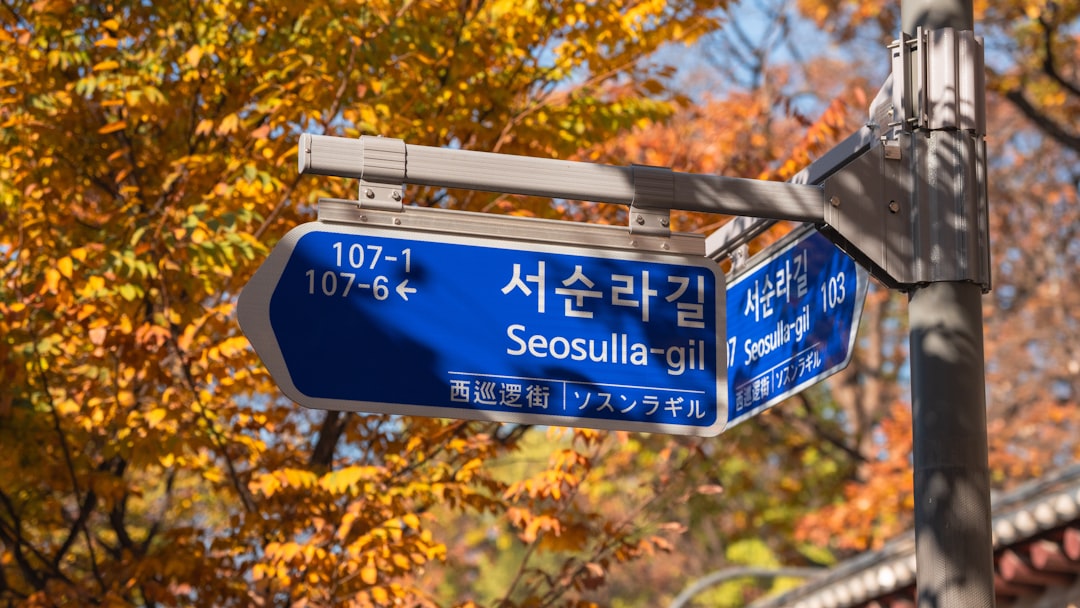
Why Seoul Should Be Your Next Big Adventure
I still remember stepping out of Incheon International Airport for the first time, luggage in one hand, phone buzzing with KakaoTalk notifications I couldn’t read, and thinking: “I have absolutely no idea what I’m doing.” That was seven years ago. Since then, I’ve returned to Seoul more than a dozen times, lived in a tiny officetel in Mapo-gu, eaten my body weight in tteokbokki, and hiked every major mountain trail inside the city limits.
Here’s the thing about planning your first time visiting Seoul itinerary — the city is simultaneously one of the easiest and most overwhelming destinations in Asia. The subway system is cleaner and more efficient than anything in New York or London. Free Wi-Fi blankets the entire city. English signage is everywhere. But the sheer volume of things to do, eat, and explore can paralyze even seasoned travelers.
That’s exactly why I wrote this guide. Whether you’ve got five days or two weeks, whether you’re here for K-Pop, Korean BBQ, ancient palaces, or all of the above, this is the no-fluff, been-there-done-that roadmap I wish someone had handed me at Gate 42 of JFK. Seoul is a city of 10 million people where a 600-year-old palace sits across the street from a holographic K-Pop concert hall — and somehow, it all makes perfect sense.
Getting There: Flights, Airports, and Your First Hour in Korea

Booking Flights From the US
Direct flights to Seoul’s Incheon International Airport (ICN) depart daily from LAX, JFK, and SFO on carriers like Korean Air, Asiana Airlines, Delta, and United. Flight time ranges from 11–14 hours depending on your departure city and routing.
Here’s what you can expect to pay for a round-trip economy ticket in 2026:
| Departure City | Low Season (Jan–Mar) | Peak Season (Apr, Sep–Oct) | Carrier Options |
|---|---|---|---|
| LAX | $650–$850 | $950–$1,400 | Korean Air, Asiana, Delta, United |
| JFK | $700–$900 | $1,000–$1,500 | Korean Air, Asiana, Delta |
| SFO | $680–$880 | $950–$1,350 | Asiana, United, Korean Air |
Pro tip: Book 8–12 weeks in advance for the best fares. Google Flights and Skyscanner both have solid price-tracking alerts. If you’re flexible, mid-week departures (Tuesday/Wednesday) can save you $100–$200.
Visa and K-ETA for US Citizens
Great news: US citizens can enter South Korea visa-free for up to 90 days. You will need a K-ETA (Korea Electronic Travel Authorization), which costs about $10 and should be applied for at least 72 hours before departure. The application is straightforward — name, passport number, travel details, a selfie-style photo — and approval usually comes within 24 hours.
Apply at the official K-ETA website. Do not use third-party sites that charge inflated fees. Keep your K-ETA confirmation on your phone; immigration officers at Incheon will scan it electronically.
Navigating Incheon Airport to Seoul
Incheon International Airport has been voted the world’s best airport multiple times, and for good reason. After clearing immigration (usually 20–40 minutes), you have three main options to reach central Seoul:
- AREX (Airport Railroad Express) — Best Value: The all-stop train costs just $4 (₩4,850) and takes about 58 minutes to Seoul Station. The express train costs $8 (₩11,000) and takes 43 minutes with no stops. Trains depart every 6–12 minutes.
- Airport Limousine Bus — Most Convenient: Buses run to major hotel districts (Myeongdong, Gangnam, Hongdae) for $13–$17 (₩16,000–₩18,000). Great if your hotel is near a bus stop, though traffic can add 30–60 minutes during rush hours.
- Taxi — Fastest (If Budget Allows): A regular taxi to central Seoul costs $55–$80 (₩65,000–₩100,000) depending on destination and traffic. International taxis with English-speaking drivers cost slightly more. Takes 50–80 minutes.
My recommendation: Take the AREX express train to Seoul Station, then transfer to the subway. It’s fast, cheap, and you’ll feel like a local before you even reach your hotel. Buy your ticket at the automated kiosk — they have English language options.
Seoul Neighborhoods: Where to Stay and Why It Matters
Choosing the right neighborhood is the single most important decision in your first time visiting Seoul itinerary. Seoul is massive — roughly the size of Los Angeles — but the subway makes everything accessible. That said, your home base sets the tone for your entire trip.
Myeongdong — Best for First-Timers and Shoppers
Think of Myeongdong as Seoul’s Times Square, but with better street food and actual good shopping. This is ground zero for K-Beauty — you’ll find Innisfree, Olive Young, Etude House, and dozens of skincare shops within a two-block radius. Street vendors sell everything from egg bread (gyeran-ppang) to giant tornado potatoes.
Hotels here range from $80–$200/night for solid mid-range options. The area is walkable, centrally located, and on multiple subway lines (Line 4, Myeongdong Station). The downside? It’s touristy, and locals tend to avoid it. But for a first visit, the convenience is unbeatable. Best Korean Sheet Masks for Dry Skin: 2026 Ultimate Ranking
Hongdae — Best for Nightlife and Youth Culture
If you’re under 35 or young at heart, Hongdae (Hongik University area) is where you want to be. This neighborhood pulses with indie music venues, street performers, quirky cafés, and some of Seoul’s best nightlife. On Friday and Saturday nights, the pedestrian streets fill with buskers, dancers, and crowds that don’t thin out until 4 AM.
Accommodations range from $30–$50/night hostels to $90–$150/night boutique hotels. The Hongdae subway station (Line 2) connects you to virtually everywhere, and the AREX airport train has a stop here too.
Gangnam — Best for Luxury and K-Pop Pilgrimage
Yes, that Gangnam. South of the river, this district is Seoul’s upscale business and entertainment hub. You’ll find the headquarters of SM Entertainment, JYP Entertainment, and HYBE (home of BTS) within the broader Gangnam area. High-end shopping at COEX Mall, Michelin-starred restaurants, and sleek hotel options from $120–$400/night.
Gangnam is also home to Bongeunsa Temple, a stunning 8th-century Buddhist temple surrounded by skyscrapers — one of Seoul’s most photogenic contrasts. How to Buy K-Pop Concert Tickets From Overseas in 2026
Jongno / Bukchon — Best for History and Traditional Vibes
For travelers who want palaces, hanok (traditional Korean houses), and mountain hiking within city limits, Jongno-gu is ideal. This district includes Gyeongbokgung Palace, Bukchon Hanok Village, Insadong’s art galleries, and the trailhead for Bugaksan. Boutique hanok guesthouses here run $60–$120/night and offer an experience you simply cannot get in a hotel chain.
The Perfect 5-Day First Time Visiting Seoul Itinerary

Here’s the day-by-day itinerary I recommend to every friend who asks me about their first time visiting Seoul. It balances the must-sees with hidden gems, avoids burnout, and keeps costs reasonable.
Day 1: Palaces, Hanok Villages, and Finding Your Feet
Start at Gyeongbokgung Palace (₩3,000 / $2.50 admission, free with hanbok rental). Arrive right at the 9 AM opening to beat crowds and catch the Royal Guard Changing Ceremony at 10 AM and 2 PM. Spend 1.5–2 hours exploring the grounds, including the stunning Gyeonghoeru Pavilion reflected in its lotus pond.
Walk north to the National Folk Museum (free admission, inside the palace grounds), then head to Bukchon Hanok Village. These narrow alleyways of traditional tile-roofed houses are Instagram-famous, but please keep quiet — people actually live here. Locals have put up “Please be quiet” signs in eight languages.
Afternoon: Stroll through Insadong for traditional tea houses, antique shops, and art galleries. Stop at Ssamziegil, a unique spiral-walkway shopping complex. End the day at Gwangjang Market for your first real Korean street food experience — order bindaetteok (mung bean pancakes, $3), mayak gimbap (addictive mini rice rolls, $3), and yukhoe (Korean beef tartare, $8–$12).
Day 2: Modern Seoul — Gangnam, COEX, and Han River
Take the subway to Gangnam Station (Line 2) and explore the underground shopping arcade. Head to COEX Mall and visit the famous Starfield Library — a massive open library with 50,000 books and floor-to-ceiling shelves that’s become one of Seoul’s most iconic photo spots (free).
Visit Bongeunsa Temple (free admission) for a serene contrast to the urban energy around it. In the afternoon, rent bikes along the Han River at Banpo Hangang Park ($3.50/hour) and watch the Banpo Bridge Rainbow Fountain show (April–October, nightly at 7:30 PM, 8:00 PM, 8:30 PM, and 9:00 PM on weekends). Grab delivery chicken and beer (chimaek) — Korea’s national pastime — and picnic riverside. Korean Fried Chicken Recipe: Crispy Double-Fried Guide 2026
Day 3: Street Food, Shopping, and Nightlife
Morning at Myeongdong for K-Beauty shopping. Hit Olive Young first — it’s Korea’s answer to Sephora, but with better prices and products you literally cannot find in the US. Budget $30–$80 for sheet masks, serums, and sunscreen that will change your skincare game.
Afternoon: Head to Hongdae and explore the streets around the university. Visit KT&G Sangsangmadang for indie art, grab a café latte at one of the hundreds of themed coffee shops (expect to pay $5–$7), and people-watch at the Free Market (Saturdays only).
Evening: This is your nightlife night. Start with Korean BBQ at a local spot in Hongdae (budget $15–$25 per person for unlimited meat), then bar-hop through the neighborhood. Don’t miss pojangmacha (tent bars) for soju and anju (drinking snacks) — this is quintessential Korean social culture. Korean Dating Culture: 7 Things Foreigners Should Expect in 2026
Day 4: DMZ Tour and War History
Book a DMZ (Demilitarized Zone) tour in advance — you cannot visit independently. Half-day tours cost $45–$70 and include hotel pickup, the JSA (Joint Security Area) where you can technically step into North Korea, the Third Tunnel of Aggression, and Dora Observatory. Full-day tours ($80–$120) add Imjingak Park and the Freedom Bridge.
Book through authorized operators like Koridoor or VIP Travel. Bring your passport — it’s a military zone and ID checks are mandatory. Photography restrictions apply at certain points.
Back in Seoul by afternoon, visit the War Memorial of Korea (free admission) in Yongsan. It’s one of the most comprehensive military museums in the world and provides powerful context for what you just experienced at the DMZ. Americans will find the Korean War exhibits especially meaningful.
Day 5: Namsan Tower, Itaewon, and Farewell Feast
Hike up Namsan Mountain to N Seoul Tower (the hike takes 30–40 minutes from the base, or take the cable car for $8.50 one-way). The observation deck costs $11 (₩16,000) and offers 360-degree views of the city. Go in the late afternoon to catch both daylight and sunset views.
Head to Itaewon / Yongsan for an international dining scene and the excellent National Museum of Korea (free admission — yes, free, and it’s world-class with over 310,000 artifacts). For your farewell dinner, splurge on a proper Korean BBQ hanwoo (Korean wagyu beef) experience — expect $40–$60 per person at a quality restaurant, but it’s worth every penny.
Budget Breakdown: What Seoul Actually Costs
Seoul is significantly cheaper than Tokyo or Singapore for American travelers, but pricier than Bangkok or Hanoi. Here’s a realistic daily budget breakdown for a first time visiting Seoul itinerary:
| Category | Budget ($) | Mid-Range ($) | Luxury ($) |
|---|---|---|---|
| Accommodation | $25–$50 | $80–$150 | $200–$500 |
| Food (3 meals) | $15–$25 | $30–$60 | $80–$200 |
| Transport | $5–$8 | $8–$15 | $30–$60 |
| Activities | $0–$10 | $15–$40 | $50–$150 |
| Shopping | $0–$20 | $30–$80 | $100+ |
| Daily Total | $45–$113 | $163–$345 | $460–$1,110 |
Key money-saving facts: Many of Seoul’s top attractions are free (National Museum, War Memorial, Bukchon, temple grounds). Convenience store meals (GS25, CU, 7-Eleven) cost $3–$6 and are genuinely delicious — try triangle kimbap and instant ramyeon. A single subway ride costs about $1.00–$1.50 with a T-money card.
Getting Around Seoul: Transport Like a Local

T-Money Card — Your Essential First Purchase
Before you leave the airport, buy a T-money card from any convenience store (the card costs $3, then you load money onto it). This rechargeable transit card works on all subways, buses, and even taxis across the entire country. You’ll get a small discount on every ride compared to paying cash, and transfers between subway and bus within 30 minutes are free.
Load ₩30,000–₩50,000 ($23–$38) for a 5-day trip. You can reload at any convenience store or subway station kiosk. Apple Pay and Samsung Pay users: you can now add a virtual T-money card to your phone’s wallet in 2026 — no physical card needed.
Seoul Subway — The Best Metro System You’ve Ever Used
Seoul’s subway has 23 lines and 700+ stations. Trains run from approximately 5:30 AM to midnight. Every station has English signage, numbered exits, and platform screen doors. Compared to the NYC subway, Seoul’s metro is cleaner, safer, more punctual, and has cell service and Wi-Fi in every station and train car.
Download Naver Map (not Google Maps — Google Maps has limited functionality in Korea due to government mapping restrictions). Naver Map provides accurate subway routing, bus schedules, walking directions, and even restaurant reviews. Set it to English in the settings.
KTX Trains for Day Trips
Want to visit Busan, Gyeongju, or Jeonju as a day trip? The KTX (Korea Train Express) is Korea’s bullet train — Seoul to Busan in just 2 hours 15 minutes for about $45–$55 one-way. Book through the KORAIL app or website. Tickets sell out during holidays (Chuseok, Lunar New Year), so book 2–4 weeks ahead for peak travel.
Jeju Island Hidden Gems 2026: Complete Guide
Essential Apps to Download Before You Go
- Naver Map — Navigation (replaces Google Maps in Korea)
- Papago — Translation app by Naver, far better than Google Translate for Korean
- KakaoTalk — Korea’s #1 messaging app (everyone uses it; restaurants take reservations through it)
- KORAIL — Book KTX train tickets
- Subway Korea — Offline subway map with route planning
- Coupang — Korea’s Amazon, for next-day delivery of anything you need
Seasonal Guide: When to Visit Seoul
Seoul experiences four distinct seasons, and each offers a completely different trip experience. Your ideal visit window depends on what you want to do.
Spring (March–May) — Cherry Blossoms and Perfect Weather
Peak season and for good reason. Cherry blossoms hit Seoul in early-to-mid April, transforming the city into a pastel wonderland. The best viewing spots include Yeouido’s cherry blossom tunnel along the National Assembly, Seokchon Lake near Lotte World, and the pathways around Gyeongbokgung Palace. Temperatures range from 50–70°F (10–21°C).
Expect higher hotel prices and larger crowds, especially during the Yeouido Cherry Blossom Festival. Book accommodations at least 6–8 weeks in advance for April visits. 7 Best Cherry Blossom Spots in Korea 2026 Guide
Summer (June–August) — Monsoon Season, But Festivals Galore
Hot, humid, and rainy — Seoul summers feel a lot like Washington, DC in August. Temperatures hit 85–95°F (30–35°C) with heavy monsoon rains in July. But this is also festival season: the Boryeong Mud Festival, multiple music festivals, and significantly lower hotel prices make it appealing for budget travelers. Pack a compact umbrella and moisture-wicking clothes.
Autumn (September–November) — The Absolute Best Time
If I could only visit Seoul once, I’d go in mid-October to early November. The autumn foliage in Seoul is breathtaking — ginkgo trees turn gold, maples blaze red, and the mountain trails within the city look like oil paintings. Temperatures are a comfortable 50–70°F (10–21°C), humidity drops, and the skies turn that impossible shade of blue.
Top foliage spots include Namsan Mountain, Changdeokgung Palace’s Secret Garden, and Bukhansan National Park. The fall food scene peaks too, with seasonal street food like hotteok (sweet filled pancakes) and roasted chestnuts appearing at every market. Korea Autumn Foliage Best Time 2026: Top 7 Spots
Winter (December–February) — Cold but Magical
Temperatures drop to 15–35°F (-10 to 2°C), but Seoul in winter has a charm all its own. Christmas illuminations light up Myeongdong and Cheonggyecheon Stream. Ski resorts like Yongpyong and Vivaldi Park are just 1.5–2 hours from the city by shuttle bus ($30–$50 round trip, lift tickets $50–$70). This is also the cheapest time to fly — round-trip fares from the US can drop below $600.
Cultural Etiquette: How Not to Offend Anyone

Koreans are incredibly welcoming to foreign visitors, and most cultural slip-ups will be forgiven with a smile. But showing that you’ve made an effort to understand basic etiquette goes a long way.
Dining Etiquette
- Never stick chopsticks upright in rice — this resembles incense sticks at a funeral and is considered very disrespectful.
- Pour drinks for others, not yourself. Hold the bottle with both hands (or one hand supporting the pouring arm). When someone older pours for you, hold your glass with both hands.
- The eldest person eats first. Wait until the senior member of your group picks up their chopsticks before you start.
- Tipping is not expected and can even cause confusion. Service charges are included. The one exception is high-end international hotels.
- Sharing is everything. Korean meals are communal — banchan (side dishes) are shared, and ordering food “for the table” is the norm.
Social Etiquette
- Remove shoes when entering homes, traditional restaurants (with floor seating), temples, and some guesthouses. Look for a shoe rack or a raised floor as your cue.
- Bow slightly when greeting someone older or in a formal setting. A 15-degree nod is fine for most tourist interactions.
- Use both hands when giving or receiving business cards, gifts, or money.
- Be quiet on public transit. Talking loudly on the subway or bus is a genuine faux pas. You’ll notice how eerily quiet Korean subway cars are compared to American ones.
- Cover tattoos at jjimjilbangs (bathhouses). While attitudes are changing, visible tattoos can still cause stares or even denied entry at some traditional bathhouses.
Insider Tips From a Seoul Veteran
After more than a dozen trips and a year living in Seoul, here are the tips that don’t make it into most guidebooks:
- Get a Korean SIM card or eSIM at the airport. Companies like KT, SK Telecom, and LG U+ sell tourist SIM cards for $25–$40 (5–30 days, unlimited data). eSIM options like Airalo or Ubigi let you set up data before you land. Do NOT rely on pocket Wi-Fi — it’s bulky and the battery dies at the worst moments.
- Visit palaces wearing hanbok (traditional Korean dress) for free entry. Rental shops surround Gyeongbokgung and charge $10–$20 for 2–4 hours. You get free palace admission, incredible photos, and locals will compliment you constantly.
- Eat at restaurants with Korean-only menus. If every item is in English with photos, it’s probably a tourist trap. Use Papago’s camera translation feature to read Korean menus in real-time — the food will be better and cheaper.
- Convenience stores are actually good. GS25 and CU convenience stores stock fresh kimbap, rice bowls, ramen stations, and surprisingly good coffee for $1–$4. They’re not like 7-Eleven in America — think of them as casual quick-service restaurants.
- Don’t skip the jjimjilbang experience. Dragon Hill Spa in Yongsan is foreigner-friendly and open 24 hours ($12–$15 entry). You get access to saunas, hot tubs, sleeping rooms, a movie theater, and a rooftop pool. Some travelers use them as overnight accommodation to save a night’s hotel cost.
- The subway’s last train is around midnight. After that, you’re looking at taxis or night buses (called “올빼미 buses”). KakaoTaxi (Korea’s Uber) works well, but late-night surge pricing applies. Late-night taxis from Hongdae can be hard to flag down — use the app.
- Tax-free shopping is automatic for tourists. Spend over ₩30,000 ($23) at participating stores and show your passport for an immediate tax refund (usually 5–10%). Look for the “Tax Free” logo. You can also claim refunds at the airport before departure.
- Learn three Korean phrases and watch doors open: “Annyeonghaseyo” (hello), “Kamsahamnida” (thank you), and “Juseyo” (please give me). Even a terrible accent gets warm reactions.
7 K-Pop Idols With the Best K-Drama Roles in 2026
Frequently Asked Questions About Visiting Seoul
Is Seoul safe for solo travelers and women traveling alone?
Yes, extremely. Seoul consistently ranks among the safest major cities in the world. Violent crime against tourists is exceptionally rare. Women can walk alone at night in most neighborhoods without concern. The biggest “danger” is probably overindulging at a BBQ restaurant. That said, use common sense — stay aware in crowded nightlife areas, keep valuables secure, and be cautious with drinks from strangers, as you would in any major city.
Do I need to speak Korean to get around Seoul?
No, but it helps to know basics. All subway stations have English signage and announcements. Most restaurants in tourist areas have English menus or picture menus. Hotel staff, airport workers, and young Koreans generally speak functional English. For everything else, Papago (Naver’s translation app) handles real-time Korean translation far better than Google Translate. The camera translation feature is a game-changer for menus and signs.
What’s the best area to stay in Seoul for a first-time visitor?
Myeongdong for convenience and shopping, Hongdae for nightlife and budget stays, or Jongno for palace-hopping and traditional vibes. All three neighborhoods sit on major subway lines with easy connections everywhere. If you can’t decide, Myeongdong is the safest choice for a first-timer — it’s central, walkable, and close to many top attractions.
How much spending money should I bring for a week in Seoul?
Budget travelers can get by on $50–$70/day (including accommodation in hostels/guesthouses, street food meals, and public transit). Mid-range travelers should plan for $120–$200/day. A comfortable one-week trip typically costs $1,000–$1,500 excluding flights. South Korea is largely cashless — credit cards and Samsung/Apple Pay work almost everywhere, but carry ₩50,000–₩100,000 in cash for traditional markets and small vendors.
Can I use Uber in Seoul?
Uber exists in Seoul but is limited compared to the US. KakaoTaxi is the dominant ride-hailing app — download it before your trip. You can set the interface to English and pay with a linked international credit card. Regular taxis are also plentiful and metered, starting at about $3.00 (₩4,800). Unlike many Asian cities, Seoul taxi drivers use meters and don’t haggle — though late-night fares have a 20% surcharge after midnight.
What about internet and Wi-Fi in Seoul?
Seoul has arguably the best public Wi-Fi infrastructure in the world. Free Wi-Fi is available on all subway trains and stations, in most cafés and restaurants, and in all major tourist areas. The city’s free “Seoul Wi-Fi” network covers parks, plazas, and public spaces. Even so, I recommend getting a Korean SIM or eSIM for reliable, uninterrupted data — $25–$40 covers your entire trip.
Related Posts You’ll Love
- Korea Autumn Foliage Best Time 2026: Top 7 Spots
- How to Buy K-Pop Concert Tickets in Korea 2026
- Jeju Island Hidden Gems 2026: Complete Guide
Suggested future articles:
- Best Korean BBQ Restaurants in Seoul: A Meat Lover’s Guide 2026
- Seoul Jjimjilbang Guide: Top 5 Korean Bathhouses for Foreigners
- Korean Convenience Store Food Ranking: 20 Must-Try Items
For official tourism information and seasonal event calendars, visit Visit Korea Official, Korea Tourism Organization, and VisitSeoul.
Start Planning Your Seoul Adventure Today
If you’ve read this far, you’re already more prepared than 90% of first-time Seoul visitors. This city has a way of exceeding every expectation — the food is better than you’ve heard, the people are kinder than you’d imagine, and the mix of ancient tradition and bleeding-edge modernity is something no other city on earth replicates quite the same way.
Your first time visiting Seoul itinerary doesn’t need to be perfect — it just needs to get you there. The city will do the rest. Book that flight, apply for your K-ETA, download Naver Map, and get ready for one of the best trips of your life.
Have questions about planning your Seoul trip? Drop them in the comments below — I respond to every single one. If this guide helped you, share it with a friend who’s been talking about visiting Korea and tag us on social media with your Seoul photos. We love seeing your adventures.
Pin this guide for later, bookmark it, or send it to your travel buddy. Seoul is waiting — and trust me, it’s worth every single mile of that transpacific flight. ✈️🇰🇷