Why Korea’s Cherry Blossoms Should Be on Your 2026 Bucket List
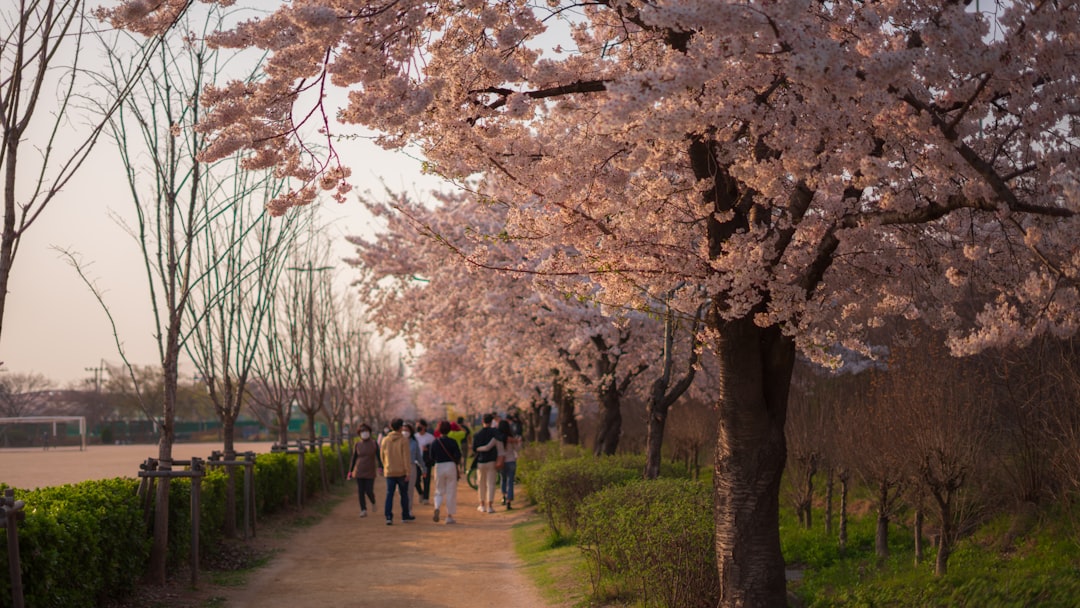
I still remember the first time I walked beneath a canopy of cherry blossoms along the Yeojwacheon Stream in Jinhae. Thousands of pale pink petals drifted down like warm snow, settling on my jacket, my hair, and the surface of the water below. Around me, families spread out picnic blankets, couples posed for photos under arching branches, and street vendors sold hotteok dripping with brown sugar. It was, without exaggeration, one of the most beautiful moments I’ve ever experienced while traveling.
If you’re planning to visit South Korea in spring 2026, you’re in for a treat. The korea cherry blossom spots 2026 forecast suggests blooming will begin in late March in the southern regions and sweep northward through mid-April — a roughly three-week window of breathtaking beauty that transforms the entire country into a pastel wonderland.
But here’s the thing most travel blogs won’t tell you: timing is everything, and the most famous spots aren’t always the best ones. In this guide, I’m sharing every Korea cherry blossom spot I’ve personally visited over five spring seasons — from the iconic festival grounds to hidden riverside paths where you might be the only foreigner for miles. I’ll cover exact bloom forecasts, transport logistics, costs, and the cultural etiquette that will make your experience smoother and more meaningful.
Korea Cherry Blossom 2026 Forecast: When and Where to Go

Cherry blossom season in Korea typically runs from late March through mid-April, but the exact timing shifts each year depending on winter temperatures and early spring weather patterns. The Korea Meteorological Administration (KMA) releases its official forecast in early March, but based on historical data and recent climate trends, here’s what to expect for 2026.
Expected 2026 Bloom Dates by Region
| Region | City/Spot | Expected First Bloom | Peak Bloom |
|---|---|---|---|
| Jeju Island | Jeju City, Seogwipo | March 22–25 | March 28–April 2 |
| South Coast | Jinhae, Gyeongju | March 25–28 | April 1–7 |
| Central | Seoul, Incheon | April 3–7 | April 8–14 |
| Central-East | Chungju, Gyeongju | April 2–5 | April 7–12 |
| Northern | Chuncheon, Gangwon | April 8–12 | April 13–18 |
Pro tip: “First bloom” means the very first flowers open — you’ll want to arrive for peak bloom, which is typically 5–7 days later when 80% or more of the flowers are open. Peak bloom lasts only about 4–5 days before petals begin to scatter, so plan your trip to land squarely in that window.
Keep in mind that a warm February can push everything earlier by a week, while a cold snap in March can delay blooms. I recommend checking the KMA forecast again in early March 2026 and keeping your itinerary slightly flexible. Korea Meteorological Administration Cherry Blossom Forecast
How the Cherry Blossom “Wave” Works
Korea’s cherry blossoms bloom from south to north, a phenomenon locals call the “beotkkot jeonson” (벚꽃 전선) or cherry blossom front. Think of it like a slow wave washing up the Korean peninsula over three weeks. This means you can actually chase the blossoms — start in Jeju or Jinhae in late March and work your way up to Seoul by early April.
This is exactly the itinerary I recommend for dedicated blossom chasers. You’ll never miss peak bloom if you’re moving north with the wave. The KTX high-speed train makes this incredibly practical — Jinhae to Seoul takes about 3 hours.
Top 8 Korea Cherry Blossom Spots You Can’t Miss
1. Jinhae Gunhangje Festival — The Crown Jewel
Jinhae is to Korean cherry blossoms what Washington D.C. is to American ones — except bigger, more dramatic, and far more immersive. This small naval port city near Changwon transforms every spring into Korea’s largest cherry blossom festival, drawing over 2 million visitors during the 10-day Gunhangje Festival (typically late March to early April).
The two must-see spots within Jinhae are Yeojwacheon Stream and Gyeonghwa Station. Yeojwacheon is a 1.5-kilometer stream lined on both sides with cherry trees whose branches form a pink tunnel over the water. At night, lanterns illuminate the scene, creating reflections that look straight out of a Studio Ghibli film. Gyeonghwa Station is a decommissioned rail station where a short section of track runs through a cherry blossom corridor — it’s one of the most photographed spots in all of Korea.
Getting there: Take the KTX from Seoul Station to Changwon-Jungangng Station (about 2.5 hours, ~$35–45 USD). From Changwon, local buses run directly to the Jinhae festival grounds (about 30 minutes, ~$1.50 USD with T-money card). During festival season, shuttle buses run frequently.
Cost: The festival itself is free. Budget about $15–25 USD for street food throughout the day (tteokbokki, hotteok, dakgangjeong). If you stay overnight, guesthouses in Changwon run $40–70 USD per night.
Insider tip: Arrive before 7:30 AM to photograph Yeojwacheon Stream without crowds. By 10 AM, it’s shoulder-to-shoulder. Also, the Romance Bridge near Yeojwacheon is worth the short walk — far fewer people and equally beautiful views.
2. Seokchon Lake, Seoul — Cherry Blossoms Meet Lotte World
If you’re staying in Seoul and don’t want to travel far, Seokchon Lake in Songpa-gu is the best urban cherry blossom experience in the city. The 2.5-kilometer walking path around the lake is lined with roughly 1,000 cherry trees, and the backdrop of Lotte World Tower — Korea’s tallest building at 555 meters — creates a uniquely Seoul-meets-nature photo opportunity.
During peak bloom (typically April 5–12), the Seokchon Lake Cherry Blossom Festival features food stalls, live performances, and themed photo zones. The lake is at its most magical after sunset, when the cherry trees are lit by warm lights and the tower glows behind them.
Getting there: Take Seoul Metro Line 2 or Line 8 to Jamsil Station, Exit 1 or 10. The lake is a 3-minute walk. Use Naver Map for the most accurate walking directions — Google Maps can be unreliable in Korea.
Cost: Completely free. Combine it with a visit to Lotte World (indoor theme park, ~$40–55 USD admission) or the Lotte World Tower Seoul Sky observation deck (~$25 USD).
3. Yeouido Yeouiseo-ro (Yunjung-ro), Seoul — The Classic
Yeouido’s cherry blossom street is the most famous blossom spot in Seoul, and for good reason. This 1.7-kilometer stretch behind the National Assembly building features approximately 1,800 cherry trees forming a dense, continuous canopy. During the annual Spring Flower Festival, the road is closed to traffic and becomes a pedestrian paradise.
Think of Yeouido as Korea’s answer to the Tidal Basin in D.C. — it’s the “postcard” spot everyone knows. This also means it gets incredibly crowded, especially on weekends. On a peak Saturday, you might see 500,000+ visitors in a single day.
Getting there: Seoul Metro Line 5, Yeouinaru Station, Exit 1. Walk about 10 minutes toward the National Assembly. Alternatively, Line 9 to National Assembly Station, Exit 1, for a closer entrance.
Insider tip: Visit on a weekday morning before 9 AM or after 8 PM for manageable crowds. The evening illumination is honestly more magical than the daytime experience. Also, rent a bike from the Seoul Ddareungi (public bike) station nearby — cycling through the blossom tunnel is unforgettable. The bike rental is only about $1 USD per hour via the app.
4. Gyeongju — Cherry Blossoms Meet Ancient History
Gyeongju is where cherry blossoms and 1,000 years of Korean history collide. Known as the “museum without walls,” this former Silla Dynasty capital offers cherry blossom viewing with a backdrop of royal tombs, ancient temples, and UNESCO World Heritage sites. The effect is genuinely unlike anything else in Korea — pink petals drifting past thousand-year-old pagodas.
The main cherry blossom road runs along Bomun Lake, a scenic resort area about 20 minutes east of the city center. The 8-kilometer lakeside path is lined with cherry trees, and the area is far less crowded than Jinhae or Seoul. Another stellar spot is Bulguksa Temple, where cherry blossoms frame one of Korea’s most important Buddhist temples.
Getting there: KTX from Seoul to Singyeongju Station (about 2 hours, ~$30–40 USD). From the station, Bus 700 goes directly to Bomun Lake area. Gyeongju Day Trip From Seoul Itinerary 2026
Cost: Bomun Lake is free. Bulguksa Temple admission is ~$4 USD. Budget $50–80 USD for a full day including transport, meals, and temple entry.
5. Jeju Island — The Earliest Blossoms
If you’re visiting Korea in late March and don’t want to risk missing the blossoms, Jeju Island blooms first — typically a full week before the mainland. The Jeju Cherry Blossom Festival takes place along Jeonnong-ro, a street in Jeju City lined with Jeju’s unique Wangbeotkkot (king cherry) trees, which produce larger, more dramatic blooms than mainland varieties.
Beyond Jeonnong-ro, drive the Noksan-ro road (Route 1112) for a stunning 10-kilometer cherry blossom corridor flanked by bright yellow canola flowers on both sides. The pink-and-yellow contrast is absolutely stunning and unique to Jeju.
Getting there: Fly from Gimpo Airport (Seoul) to Jeju — flights take about 1 hour and cost $50–100 USD round trip if booked in advance. Jeju Air, Jin Air, and T’way often have great deals. On Jeju, you’ll want to rent a car (~$30–50 USD/day). Jeju Island Hidden Gems 2026: 15 Secret Spots Locals Love
6. Hadong Simni Beotkkot-gil (10-ri Cherry Blossom Road)
This is my personal favorite and the biggest hidden gem on this list. The Hadong Simni Beotkkot-gil is a 6-kilometer rural road along the Seomjin River in South Gyeongsang Province, lined with wild cherry trees that are over 100 years old. Unlike the cultivated Yoshino cherries elsewhere, these trees are massive, ancient, and have a raw, untamed beauty.
The road connects the villages of Hwagae and Ssanggyesa Temple, and walking the entire length takes about 90 minutes. Local legend says that couples who walk this road together will stay in love forever — which is why Koreans call it the “Wedding Road” (혼례길).
Getting there: Take a bus from Jinju Intercity Bus Terminal to Hwagae (about 1.5 hours, ~$8 USD). Alternatively, drive from Jinhae (about 1.5 hours) and combine both spots in a single trip.
Why most tourists miss it: It’s not on the typical Seoul-centric itinerary, and there’s limited English signage. But that’s exactly why it’s special — you’ll be surrounded mostly by Korean families and elderly couples taking leisurely strolls. Use Naver Map and search “하동 십리벚꽃길” for accurate directions.
7. Hwagae Market to Ssanggyesa Temple, Hadong
While you’re in Hadong for the cherry blossom road, continue to Ssanggyesa Temple at the end of the path. This 1,200-year-old temple sits at the base of Jirisan Mountain and is considered the birthplace of Korean tea culture. Cherry blossoms line the temple grounds, and on clear mornings, mist rises from the valley below.
Stop at Hwagae Market at the start of the road for a traditional Korean country market experience. Try the pajeon (green onion pancake) made with local Seomjin River ingredients — it’s some of the best I’ve had in Korea, and costs about $8–12 USD for a large, shareable portion.
8. Seoul Grand Park & Seoul Forest — The Local Favorites
For a more relaxed, less “touristy” blossom experience in Seoul, Seoul Grand Park in Gwacheon features a cherry blossom path near the National Museum of Modern and Contemporary Art. Take the Sky Lift over the lake during peak bloom for an aerial view of pink canopy — it’s about $6 USD round trip.
Seoul Forest in Seongsu-dong is another excellent choice, combining cherry blossoms with deer gardens, art installations, and trendy cafés in the surrounding neighborhood. It’s become the spot for Seoul’s younger, design-conscious crowd, and makes for great photos with a hipster-meets-nature vibe.
Getting there: Seoul Grand Park — Metro Line 4, Seoul Grand Park Station. Seoul Forest — Metro Bundang Line, Seoul Forest Station.
Getting There: Transport Guide for Cherry Blossom Season

Flying to Korea
Round-trip flights from the US to Seoul (Incheon International Airport, ICN) during cherry blossom season typically cost $800–1,200 USD from LAX or SFO, and $900–1,400 USD from JFK. Book at least 2–3 months in advance for the best prices. Korean Air, Asiana, Delta, and United all fly direct routes.
Visa: US citizens can enter South Korea visa-free for up to 90 days. However, you’ll need a K-ETA (Korea Electronic Travel Authorization) — apply online at least 72 hours before departure. It costs about $10 USD and is valid for 2 years. K-ETA Official Application Site
Getting Around Korea
Korea’s KTX high-speed train is your best friend during cherry blossom season. It connects Seoul to major blossom destinations quickly and affordably:
- Seoul → Changwon (Jinhae): 2.5 hours, ~$35–45 USD
- Seoul → Singyeongju (Gyeongju): 2 hours, ~$30–40 USD
- Seoul → Jinju (for Hadong): 2.5 hours, ~$35 USD
- Seoul → Busan: 2.5 hours, ~$40–50 USD
Book KTX tickets through the KORAIL app or website (letskorail.com). During cherry blossom season, popular routes sell out fast — book at least a week in advance, especially for weekend travel.
Within cities, get a T-money card at any convenience store (CU, GS25, 7-Eleven) for about $3 USD. Load it with cash and use it on all buses, subways, and even taxis. A single subway ride in Seoul costs about $1.20 USD. For navigation, download Naver Map — it’s far more accurate than Google Maps for Korean public transit, walking paths, and bus routes.
Essential apps to download:
- Naver Map — navigation, transit, restaurant discovery
- Papago — real-time Korean-English translation (made by Naver)
- KakaoTalk — Korea’s universal messaging app (needed for reservations)
- KORAIL — KTX train booking
- Kakao T — ride-hailing (Korea’s Uber equivalent)
Budget Breakdown: How Much Does Cherry Blossom Season Cost?
Korea offers incredible value compared to Japan’s cherry blossom season. Here’s a realistic daily budget for a korea cherry blossom spots 2026 forecast-chasing trip:
Budget Traveler ($60–90 USD/day)
- Accommodation: Guesthouse or hostel — $20–35 USD/night
- Food: Convenience store breakfasts, kimbap restaurants, street food — $15–25 USD/day Best Korean Convenience Store Snacks to Try in 2026
- Transport: T-money metro + one intercity bus — $10–20 USD/day
- Activities: Most cherry blossom spots are free — $5–15 USD/day
Mid-Range Traveler ($120–180 USD/day)
- Accommodation: Boutique hotel or hanok stay — $60–100 USD/night How to Book a Hanok Stay in Seoul: 2026 Complete Guide
- Food: Korean BBQ, bibimbap restaurants, café stops — $30–50 USD/day
- Transport: KTX trains + metro — $20–40 USD/day
- Activities: Temple visits, observation decks, bike rentals — $15–30 USD/day
Total Trip Cost Estimate (7 days)
| Category | Budget | Mid-Range |
|---|---|---|
| Flights (from LAX) | $800 | $1,100 |
| Accommodation (7 nights) | $175–245 | $420–700 |
| Food (7 days) | $105–175 | $210–350 |
| Transport (7 days) | $70–140 | $140–280 |
| Activities | $35–105 | $105–210 |
| Total | $1,185–1,465 | $1,975–2,640 |
Compare that to Japan’s cherry blossom season, where a similar 7-day trip typically runs $2,000–3,500 USD. Korea gives you an equally stunning blossom experience at roughly 30–40% less cost.
Suggested 5-Day Cherry Blossom Itinerary

Here’s the exact itinerary I’d recommend for first-time visitors chasing the korea cherry blossom spots 2026 forecast:
Day 1: Arrive in Seoul
Arrive at Incheon Airport (ICN). Take the Airport Railroad Express (AREX) to Seoul Station (~43 minutes, $9 USD) or the regular all-stop train (~58 minutes, $4.50 USD). Pick up your T-money card at any convenience store in the airport basement level. Check into your hotel and take a gentle evening stroll along Cheonggyecheon Stream — if timing is right, early cherry trees here might already be blooming.
Day 2: Seoul Cherry Blossoms
Morning: Yeouido cherry blossom street (arrive by 8 AM). Afternoon: Explore the Yeouido Hangang Park riverside, rent a bike, and grab fried chicken from a riverbank delivery spot — yes, Koreans order delivery chicken to the park, and it’s amazing. Korean Fried Chicken Recipe: Crispy & Crunchy Guide 2026 Evening: Seokchon Lake for illuminated night blossoms.
Day 3: Gyeongju Day Trip
Take the morning KTX to Singyeongju (~2 hours). Visit Bomun Lake cherry blossom road, Bulguksa Temple, and the Gyeongju National Museum. The combination of ancient Silla-era tombs scattered across green fields with pink cherry blossom canopies is genuinely unique to Gyeongju. Return to Seoul on the evening KTX. Gyeongju Day Trip From Seoul Itinerary 2026
Day 4: Jinhae Festival
Early morning KTX to Changwon, then bus to Jinhae. Spend the full day at the Gunhangje Festival. Walk Yeojwacheon Stream, photograph Gyeonghwa Station, and eat your way through the street food stalls. Take the late-afternoon KTX back to Seoul, or stay overnight in Changwon if you want to catch the evening illumination.
Day 5: Seoul Free Day & Departure Prep
Visit Seoul Forest for a relaxed morning of cherry blossoms and coffee in trendy Seongsu-dong. Afternoon: explore Bukchon Hanok Village and Insadong for traditional Korean crafts and souvenirs. Pick up K-Beauty products at Olive Young — spring limited editions are perfect souvenirs. K-Beauty Glass Skin Routine for Beginners 2026
Cultural Etiquette Tips for Cherry Blossom Season
Korean cherry blossom viewing — called “beotkkot nori” (벚꽃놀이) — has some unspoken rules that will help you enjoy the experience more and avoid awkward moments.
Do’s
- Do bring a picnic blanket. Sitting under cherry blossoms with snacks and drinks is the quintessential Korean spring activity. Grab kimbap, fried chicken, and drinks from a convenience store — it’s completely normal and expected.
- Do take off your shoes if you sit on someone else’s blanket or mat. This applies even outdoors.
- Do clean up after yourself. Korea is very clean, and littering is strongly frowned upon. Bring a plastic bag for your trash. Many cherry blossom areas have limited trash cans, so carrying out your waste is expected.
- Do dress in layers. Early April in Korea can swing from 45°F (7°C) in the morning to 65°F (18°C) by afternoon. A light jacket over a spring outfit works best. Korean Minimalist Fashion Essentials 2026: Style Guide
- Do try convenience store cherry blossom specials. Every spring, Korean convenience stores release limited-edition cherry blossom-themed drinks, snacks, and desserts. They’re adorable and delicious.
Don’ts
- Don’t shake or climb cherry blossom trees. This is considered extremely rude and damages the trees. Taking photos under the trees is fine — hanging from branches is not.
- Don’t block pathways for extended photo sessions. Take your photo and move on. Other people are waiting. The “one shot and rotate” courtesy is universally practiced.
- Don’t play loud music or shout. While cherry blossom viewing is festive, it’s not a rave. Keep the volume moderate, especially in temple grounds and park areas.
- Don’t pick the blossoms. Appreciate them on the tree. Picking flowers from public trees is technically illegal and will earn you strong disapproval from nearby Koreans.
Insider Tips From 5 Years of Cherry Blossom Chasing

After five springs in Korea, here’s everything I wish someone had told me before my first cherry blossom trip:
- Check the forecast, but don’t panic. Korean weather apps like Weather Korea (날씨) and the KMA website give reliable bloom updates starting in early March. Check weekly, adjust your plans slightly if needed, but don’t lose sleep over it. The bloom window is usually at least a week long.
- Go early or go late. The golden hours for cherry blossom photography are before 8 AM and after 7 PM. Midday crowds at popular spots like Yeouido and Jinhae can be overwhelming. Night viewing (야경) is honestly more atmospheric at many locations.
- Weekdays over weekends, always. A Tuesday at Yeouido feels like a completely different place than a Saturday. If you have any flexibility in your schedule, shift your major blossom viewing to weekdays.
- Layer your blossom spots. Plan at least one “famous” spot (Yeouido, Jinhae) and one “hidden” spot (Hadong, Seoul Forest, or a random riverside in any Korean city). The hidden spots give you the peaceful, personal experience; the famous spots give you the spectacle.
- Bring a portable phone charger. You will take hundreds — possibly thousands — of photos. Cherry blossoms drain phone batteries faster than you’d think.
- Combine with a temple stay. Several Korean temples offer overnight stays during cherry blossom season. Ssanggyesa Temple in Hadong and Tongdosa Temple near Busan are both surrounded by cherry trees and offer temple stay programs from about $40–60 USD per night including meals and meditation sessions.
- Use Papago for restaurant menus. Most cherry blossom festival food stalls have Korean-only menus. Open the Papago app, point your camera at the menu, and get instant translations. It works remarkably well.
- Book accommodations early. Cherry blossom season is one of Korea’s three peak tourism periods (along with autumn foliage and ski season). Hotels near major spots book up 4–6 weeks in advance. Platforms like Booking.com, Agoda, and the Korean app Yanolja all work well.
Frequently Asked Questions
When is the best time to see cherry blossoms in Korea in 2026?
Based on historical data and early climate indicators, the korea cherry blossom spots 2026 forecast places peak bloom between late March (Jeju, south coast) and mid-April (Seoul, northern regions). For Seoul specifically, aim for April 8–14, 2026. For Jinhae and the south coast, April 1–7 is your best bet. Always check the Korea Meteorological Administration’s updated forecast in early March for the most accurate dates. Visit Korea Cherry Blossom Guide
Is Korea or Japan better for cherry blossoms?
Both are spectacular, but they offer different experiences. Japan has more variety of cherry species and centuries of hanami culture. Korea offers equally stunning blossoms at 30–40% lower cost, fewer international tourists (for now), and unique cultural combinations like temple and fortress backdrops. Korea’s cherry blossom season also tends to be slightly more concentrated, making it easier to catch peak bloom even on a short trip. If you’ve already done Japan’s sakura season, Korea will feel fresh and exciting.
Do I need to book tours for cherry blossom viewing in Korea?
No. Almost all cherry blossom spots in Korea are free, public, and easily accessible by public transit. You do not need a guided tour. However, if you’re short on time or nervous about navigating Korean transit alone, Klook and KKday offer day trips from Seoul to Jinhae and Gyeongju for about $50–80 USD including transport. These can be convenient but are definitely not necessary.
What should I wear during Korea’s cherry blossom season?
Korea in early April is unpredictable weather-wise. Expect temperatures between 45–68°F (7–20°C). Dress in layers: a light sweater or hoodie, a windbreaker or light jacket, comfortable walking shoes (you’ll walk 15,000–20,000 steps on blossom-viewing days), and bring a small umbrella. Many Koreans embrace “spring fashion” during this season — light pastels and flowy outfits look gorgeous against the blossoms for photos. Korean Minimalist Fashion Essentials 2026: Style Guide
Can I see cherry blossoms and do other sightseeing in the same trip?
Absolutely — and you should. Cherry blossom viewing takes up only a few hours each day, leaving plenty of time for Seoul’s palaces, K-BBQ restaurants, K-Beauty shopping at Myeongdong, and nightlife in Hongdae. Many of Korea’s top sights — Gyeongbokgung Palace, Namsan Tower, the DMZ — are fantastic to visit in spring weather. A 7-day trip can easily combine 3–4 major blossom spots with a full sightseeing itinerary. How to Book a Hanok Stay in Seoul: 2026 Complete Guide
Are cherry blossom festivals family-friendly?
Yes, extremely. Korean cherry blossom festivals are designed for families. You’ll see strollers everywhere, kids playing on festival grounds, face painting stations, and family-friendly food stalls. The atmosphere is relaxed and joyful. Just be aware that stroller navigation can be challenging at the most crowded spots (Yeouido on weekends), so consider baby carriers for very busy events.
Related Posts You’ll Love
- Gyeongju Day Trip From Seoul Itinerary 2026
- Jeju Island Hidden Gems 2026: 15 Secret Spots Locals Love
- How to Book a Hanok Stay in Seoul: 2026 Complete Guide
Suggested future articles:
- Best Korean Street Food Markets for International Visitors 2026
- Korea Autumn Foliage Guide: Best Spots and 2026 Forecast
- Seoul Spring Festivals Calendar: Complete 2026 Guide
Start Planning Your Cherry Blossom Trip Today
Korea’s cherry blossom season is one of those travel experiences that genuinely lives up to the hype. Whether you’re standing beneath the tunnel of blossoms at Jinhae’s Yeojwacheon Stream, cycling through pink petals at Yeouido, or watching ancient temple roofs disappear under a blanket of pink in Gyeongju — these are moments that stay with you.
The korea cherry blossom spots 2026 forecast points to a beautiful season ahead. Book your flights now (prices only go up from here), grab a T-money card when you land, and let the blossom front carry you from south to north across one of Asia’s most underrated spring destinations.
Have you been to Korea during cherry blossom season? Which spot was your favorite? Drop a comment below — I read and respond to every one. And if this guide helped you plan your trip, share it with a friend who’s been dreaming about that perfect pink canopy moment. Trust me, they’ll thank you later.
Questions about planning your Korea cherry blossom trip? Leave them in the comments and I’ll answer within 24 hours. Happy travels! 🌸