Why Korean Diet Foods Are the Weight Loss Secret You’ve Been Missing
Here’s a fact that stops most people in their tracks: South Korea has one of the lowest obesity rates among developed nations, hovering around just 5.5% compared to over 40% in the United States. And no, it’s not genetics. It’s the food.
Walk down any street in Seoul and you’ll notice something striking — the portions are moderate, the vegetables are abundant, and fermented foods show up at literally every single meal. The traditional Korean diet is, by design, one of the most naturally weight-loss-friendly eating systems on the planet.
But here’s the thing most Western diet blogs get wrong: korean diet foods for weight loss beginners aren’t about restriction or deprivation. They’re about eating more of the right things — more fiber, more fermented vegetables, more lean proteins, more soups that fill you up with fewer calories. It’s about flavor, not suffering.
Whether you’ve been inspired by the glowing skin and lean physiques you see in K-dramas, or you’re simply tired of bland chicken-and-broccoli meal plans, this guide will walk you through everything you need to know. We’ll cover the specific foods, the science behind why they work, exactly where to buy them, and how to build simple, delicious meals — even if you’ve never cooked Korean food before.
Let’s dig in.
The Science Behind the Korean Diet and Weight Loss

Why Traditional Korean Eating Patterns Naturally Promote Fat Loss
The traditional Korean diet — known as hansik (한식) — follows a structure called bap-sang, which centers every meal around rice, soup, and multiple small side dishes called banchan. This structure is inherently portion-controlled without ever feeling restrictive.
A typical Korean meal includes 5-12 small dishes served simultaneously. Research published in the Journal of Ethnic Foods (2016) found that this multi-dish format leads to greater dietary diversity and higher vegetable intake — both strongly correlated with lower body mass index (BMI).
The average Korean adult consumes approximately 300-400 grams of vegetables per day, compared to just 180 grams for the average American. That difference alone accounts for a massive gap in daily fiber and micronutrient intake.
Calorie Density: The Hidden Advantage
Most Korean staple foods have extremely low calorie density, meaning you can eat large, satisfying volumes without consuming excessive calories. Consider this comparison:
| Food | Serving Size | Calories | Fiber |
|---|---|---|---|
| Kimchi | 1 cup (150g) | 23 cal | 2.4g |
| Doenjang Jjigae (soybean paste stew) | 1 bowl (300ml) | 120-150 cal | 4g |
| Japchae (glass noodles) | 1 cup | 160 cal | 2g |
| Bibimbap (mixed rice bowl) | 1 bowl | 400-500 cal | 8g |
| American cheeseburger | 1 burger | 700-900 cal | 1g |
The contrast is dramatic. A full, satisfying Korean meal with rice, soup, kimchi, and two or three banchan often clocks in at 450-600 calories total. That’s less than a single fast-food combo meal.
The Gut Health Connection
Korean cuisine is arguably the most fermentation-heavy food culture in the world. Kimchi, doenjang (fermented soybean paste), gochujang (fermented chili paste), jeotgal (fermented seafood), and makgeolli (rice wine) all contain live probiotic bacteria.
A 2020 study from Seoul National University demonstrated that regular kimchi consumption was associated with reduced visceral fat — the dangerous fat that wraps around your internal organs. Participants who ate 3+ servings of kimchi daily for 12 weeks showed measurable reductions in waist circumference.
This is why korean diet foods for weight loss beginners almost always start with fermented foods. They’re not just low-calorie — they actively support the gut microbiome changes that make sustained weight loss easier.
Top 10 Korean Foods That Accelerate Weight Loss
1. Kimchi — The Probiotic Powerhouse (23 Calories Per Cup)
Kimchi is the undisputed champion of Korean weight loss foods. This lacto-fermented cabbage dish contains Lactobacillus bacteria strains that research has linked to reduced inflammation, improved insulin sensitivity, and lower body fat percentage.
For beginners, start with baechu kimchi (napa cabbage kimchi) — it’s the most common variety and the mildest in flavor. You can find it at H-Mart for $5-8 per jar, at Whole Foods for around $7-9, or even at Walmart and Costco, where brands like Jongga and Mother-in-Law’s Kimchi are now widely stocked.
Pro tip: If you find the fermented taste too intense at first, try mul-kimchi (water kimchi) or baek-kimchi (white kimchi without chili flakes). Both are milder but still loaded with probiotics.
2. Doenjang Jjigae — The Metabolism-Boosting Stew
Doenjang jjigae (된장찌개) is a hearty fermented soybean paste stew loaded with tofu, zucchini, mushrooms, and green chili peppers. At roughly 120-150 calories per generous bowl, it’s one of the most filling low-calorie meals you can eat.
The fermented soybean paste (doenjang) contains isoflavones and saponins — plant compounds that studies have linked to reduced fat accumulation. The stew’s high water content means you’re getting physically full while consuming minimal calories.
You can buy doenjang paste at any Asian grocery store — Sempio and CJ Haechandle are the most popular brands, typically $4-6 for a tub that lasts months. Learn to make authentic doenjang jjigae at home
3. Kongnamul Guk — Soybean Sprout Soup
This humble soybean sprout soup is a Korean breakfast staple and a hangover cure, but it’s also a weight loss hero. One large bowl has just 60-80 calories and delivers a surprising amount of protein (about 6 grams) from the sprouts alone.
Soybean sprouts are rich in asparagine and vitamin C, and their high fiber content keeps you full for hours. The soup takes under 20 minutes to prepare — just boil sprouts in anchovy broth with garlic and salt.
4. Bibimbap — The Balanced Bowl
Bibimbap (비빔밥) is perhaps the most beginner-friendly Korean meal for weight loss. It’s a rice bowl topped with 5-7 different sautéed vegetables, a protein (often egg, beef, or tofu), and gochujang sauce.
To make it more weight-loss-friendly, use these swaps:
- Replace white rice with brown rice or cauliflower rice (saves 100-150 calories)
- Add extra spinach, bean sprouts, and carrots for more volume
- Use a soft-boiled egg instead of fried for your protein
- Go light on the gochujang (1 tablespoon = 30 calories) or use it without the sesame oil
A well-built bibimbap gives you fiber, protein, complex carbs, vitamins, and minerals in a single photogenic bowl — usually under 450 calories.
5. Gimbap — The Smart Snack Alternative
Gimbap (김밥) looks like sushi but is distinctly Korean. Traditional fillings include pickled radish, spinach, egg, carrots, and a small strip of beef or fish cake, all wrapped in seaweed and rice.
One roll of gimbap (about 8 pieces) averages 300-400 calories — a perfect lunch or snack. The seaweed wrapper (gim) adds iodine, which supports healthy thyroid function and metabolism.
For the lowest-calorie version, look for chungmu gimbap — smaller, simpler rolls from the port city of Chungmu that use less rice and come with spicy squid and radish on the side.
6. Samgyetang — Ginseng Chicken Soup for Metabolism
Samgyetang (삼계탕) is a whole young chicken stuffed with glutinous rice, ginseng, jujubes, and garlic, then slow-simmered until the meat falls off the bone. Despite sounding rich, a half-serving comes in at 350-400 calories with over 30 grams of protein.
Korean ginseng (insam) has been studied extensively for its effects on blood sugar regulation and energy metabolism. A 2014 study in the Journal of Ginseng Research found that ginseng supplementation significantly reduced body weight and improved gut microbiota composition in obese participants.
7. Hobak Juk — Sweet Pumpkin Porridge
Hobak juk (호박죽) is a silky Korean sweet pumpkin porridge that’s naturally sweet, incredibly soothing, and only about 150 calories per bowl. It’s made by boiling kabocha squash until tender, then blending it with a small amount of glutinous rice flour.
The natural beta-carotene in kabocha supports immunity, and the smooth, warm texture is deeply satisfying — making it an excellent option for breakfast or late-night cravings when you want something sweet without the sugar crash.
8-10: Quick Wins for Beginners
- 8. Miyeok Guk (Seaweed Soup): Just 45 calories per bowl, packed with calcium and iodine. Koreans eat it on birthdays — and for postpartum recovery, because it’s that nutritious. A daily bowl adds almost zero calories but keeps you full.
- 9. Sukju Namul (Mung Bean Sprout Side Dish): Blanched and seasoned with sesame oil and garlic, this banchan has only 35 calories per serving and provides a satisfying crunch at every meal.
- 10. Tteokguk (Rice Cake Soup): The sliced rice cakes in clear beef broth make this soup roughly 350 calories for a substantial bowl. The chewy texture forces you to eat slowly — a proven weight management strategy.
A 7-Day Korean Diet Meal Plan for Beginners

If you’re new to korean diet foods for weight loss beginners, having a structured plan makes all the difference. Here’s a practical, realistic week that keeps daily calories between 1,400-1,600 — a sweet spot for steady, sustainable weight loss.
Sample Daily Structure
Every day follows the same framework:
- Breakfast: Soup or porridge + 1 banchan + small rice (or skip rice)
- Lunch: Bibimbap, gimbap, or a rice-centered meal with 2-3 banchan
- Dinner: Protein + jjigae (stew) + 2-3 banchan + half portion of rice
- Snack (optional): Fresh fruit, roasted seaweed, or a small portion of tteok (rice cake)
Day-by-Day Breakdown
Monday: Kongnamul guk + rice for breakfast (180 cal) → Vegetable bibimbap for lunch (420 cal) → Grilled mackerel + doenjang jjigae + kimchi + spinach namul for dinner (480 cal) → Tangerines for snack (60 cal). Total: ~1,140 cal.
Tuesday: Hobak juk for breakfast (150 cal) → Tuna gimbap for lunch (380 cal) → Dakgalbi (spicy chicken stir-fry) with cabbage and rice (520 cal) → Roasted gim (seaweed) snack packs (50 cal). Total: ~1,100 cal.
Wednesday: Miyeok guk + egg + rice (220 cal) → Japchae with tofu (350 cal) → Budae-style stew (lighter version with lots of vegetables, 450 cal) → Apple slices (80 cal). Total: ~1,100 cal.
Thursday: Juk (rice porridge) with vegetables (170 cal) → Chicken bibimbap (450 cal) → Pan-fried tofu with soy dipping sauce + kongnamul + kimchi + rice (420 cal) → Korean pear (70 cal). Total: ~1,110 cal.
Friday: Kongnamul guk (80 cal) → Gimbap + kimchi (400 cal) → Samgyetang (half portion, 380 cal) → Dried persimmons, 2 pieces (80 cal). Total: ~940 cal. (Add a larger snack if needed.)
Weekend: Allow yourself one slightly larger meal — maybe Korean BBQ with lettuce wraps (ssam), but focus on lean cuts like chadolbaegi (brisket) wrapped in lettuce with raw garlic and ssamjang. A lettuce-wrap-heavy BBQ meal can stay under 600 calories while feeling like a feast.
Key Principles to Follow
- Soup at every meal: Starting with soup slows your eating pace and pre-fills your stomach. Korean meals almost always begin with soup — follow that tradition.
- Eat banchan first: The small vegetable dishes are low-calorie, high-fiber appetite suppressors. Fill up on those before hitting the rice.
- Rice as a side, not the star: Traditional Korean portions use rice as about 30-40% of the meal by volume. Many weight-conscious Koreans now eat half-portions of rice or substitute with mixed grains (japgok).
- Don’t skip meals: Korean eating culture emphasizes three proper meals. Skipping meals often leads to overeating later — something Korean nutritionists consistently advise against.
Korean Cooking Techniques That Keep Calories Low
Fermentation Over Fat
Where Western cooking often relies on butter, cream, and cheese for flavor, Korean cooking achieves depth through fermentation. Doenjang, gochujang, ganjang (soy sauce), and kimchi all provide rich, complex umami flavors with minimal added calories.
A tablespoon of butter adds 100 calories. A tablespoon of doenjang? Just 25 calories — and it delivers far more flavor complexity, plus probiotics.
Blanching and Seasoning (Namul-Style)
The Korean technique of making namul — blanching vegetables and tossing them with a light sesame oil, garlic, and salt dressing — is one of the healthiest cooking methods that exists. You preserve most of the vegetable’s nutrients while adding just 20-30 calories from the sesame oil.
Common namul vegetables include spinach (sigeumchi), bean sprouts (kongnamul/sukju), fernbrake (gosari), and bellflower root (doraji). Learning to make 3-4 types of namul gives you an instant banchan rotation for the whole week.
Grilling Without Oil (Korean BBQ Style)
Korean BBQ uses tabletop grills that let fat drip away from the meat during cooking — the opposite of pan-frying, where meat sits in its own rendered fat. This simple structural difference can reduce the calorie content of a meat portion by 15-25%.
At home, a George Foreman-style grill or a Korean-style grill pan (available at H-Mart for $15-30) achieves the same effect. Pair grilled lean proteins with fresh lettuce wraps instead of rice, and you have a high-protein, low-carb meal that’s authentically Korean.
Where to Buy Korean Diet Foods in the US

In-Store Options
Your best bet for a full range of Korean ingredients is H-Mart, the largest Korean-American supermarket chain with 90+ locations across the US. Here’s a beginner shopping list with approximate prices:
- Kimchi (Jongga brand, 28oz): $5.99
- Doenjang paste (Sempio, 500g): $4.49
- Gochugaru (Korean chili flakes, 1lb): $8.99
- Roasted seaweed snack packs (12-pack): $4.99
- Dried anchovy for broth (200g): $6.99
- Sweet potato glass noodles (500g): $3.49
- Tofu (Pulmuone, firm, 2-pack): $3.99
Total starter kit: approximately $38-45. That’s enough base ingredients for 2+ weeks of cooking.
If you don’t have an H-Mart nearby, Whole Foods now stocks kimchi, gochujang, and tofu in most locations. Trader Joe’s carries Korean-inspired frozen meals and their own brand of kimchi. Even Walmart and Target have expanded their Asian food sections significantly since 2023.
Online Shopping
For hard-to-find ingredients, these online retailers ship nationwide:
- Weee! (sayweee.com): Asian grocery delivery with an excellent Korean selection
- H-Mart Online: Same products as in-store with home delivery
- Amazon: Search for “Korean cooking starter kit” — several curated bundles exist in the $25-40 range
- Coupang Global: Korea’s answer to Amazon, now shipping select items to the US
Explore Korean food culture and regional specialties
Common Mistakes Beginners Make with Korean Diet Foods
Mistake #1: Overdoing the Rice
White rice isn’t the enemy, but eating 2-3 cups per meal — as many newcomers do when they fall in love with Korean food — can stall weight loss fast. One cup of cooked white rice is about 200 calories. Korean portions typically use about 3/4 cup per meal, and many health-conscious Koreans now mix white rice with barley (bori) or mixed grains (japgok-bap), which increases fiber and lowers the glycemic index.
Mistake #2: Ignoring Sodium
Korean food can be high in sodium — kimchi, soups, and soy sauce all contribute. While this doesn’t directly cause fat gain, excess sodium leads to water retention that masks your progress on the scale and can raise blood pressure.
Manage this by:
- Drinking barley tea (bori-cha) throughout the day — it’s naturally caffeine-free and mildly diuretic
- Eating potassium-rich Korean foods like sweet potatoes, spinach namul, and bananas to counterbalance sodium
- Making your own kimchi or soups with reduced salt — they’re still delicious at 70% of the traditional salt level
Mistake #3: Confusing Korean Fried Chicken with “Korean Diet Food”
Let’s be clear: Korean fried chicken (chikin), tteokbokki drowning in cheese, and cream-filled Korean pastries are not diet foods. They’re delicious, and they absolutely have a place in a balanced life — but they’re modern Korean comfort food, not traditional hansik.
Stick to the traditional, home-cooked Korean foods in this guide for weight loss. Save the fried chicken for your well-earned cheat meal. Best Korean Instant Noodles by Spicy Level: 2026 Guide
Mistake #4: Not Eating Enough Banchan
Banchan aren’t garnishes — they’re a core part of the meal. Many beginners push the small dishes aside and focus only on the main protein or rice. But those 3-5 little plates of seasoned vegetables are where the fiber, vitamins, and gut-health benefits live. Eat them first and eat them generously.
Korean Beverages That Support Weight Loss

Bori-cha (Barley Tea)
In Korea, barley tea replaces water at most meals. It’s served cold in summer and warm in winter, and it’s completely calorie-free. Studies suggest barley tea may help improve blood circulation and reduce blood viscosity. You can buy roasted barley tea bags at H-Mart for under $3 — just steep in hot water for 10 minutes. It has a toasty, nutty flavor that most Westerners enjoy immediately.
Oksusu-cha (Corn Tea) and Gyeolmyeongja-cha (Cassia Seed Tea)
Corn tea has a naturally sweet flavor with zero calories and is believed to support kidney function and reduce water retention. Cassia seed tea (gyeolmyeongja-cha) is traditionally used to support eye health and digestion — it has a mild, earthy taste and is widely available in Korean tea sections.
Both are excellent replacements for sugary sodas and fruit juices. Making the switch to Korean teas alone can save you 200-500 calories per day if you’re currently a soda or latte drinker.
What to Avoid
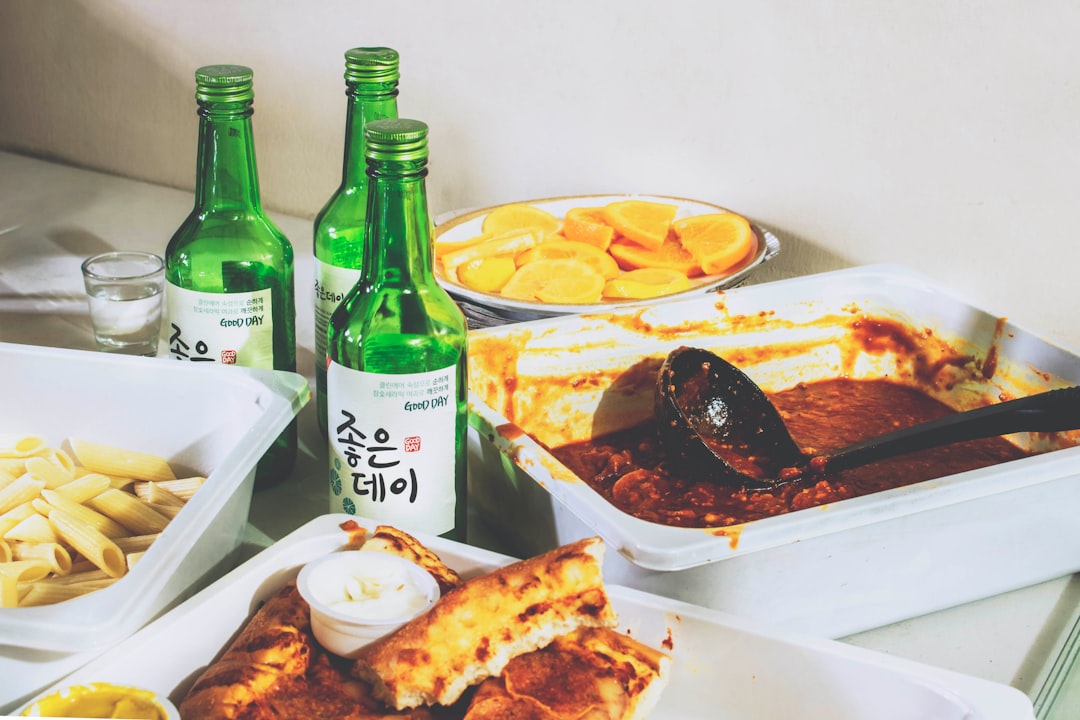
Skip banana milk (banana mat uyu) — while iconic and delicious, a single carton has 190 calories and 29 grams of sugar. Similarly, soju (소주) at 540 calories per bottle can silently wreck a day of clean eating. If you drink, limit to one or two shots and alternate with water.
Real Results: What to Expect When Switching to Korean Diet Foods
Week 1-2: The Adjustment Period
Your gut microbiome will start shifting as you introduce fermented foods. Some people experience mild bloating or increased gas in the first week — this is normal and temporary. Start with small amounts of kimchi (2-3 tablespoons per meal) and increase gradually.
You’ll likely notice reduced cravings for sugar and processed foods within 7-10 days. The complex flavors of Korean cuisine — salty, spicy, sour, sweet, umami — satisfy the palate in ways that plain “diet food” never can.
Month 1: Visible Changes
Most people following a Korean-inspired eating pattern report losing 4-8 pounds in the first month, with much of the initial loss being water weight from reduced sodium intake (once your body adjusts). Clothes fit better, energy levels stabilize, and skin often improves noticeably — that “Korean glass skin” isn’t just about skincare products; it’s about the diet.
Month 3+: Sustainable Momentum
By month three, the Korean eating pattern stops feeling like a “diet” and starts feeling like just how you eat. This is the critical difference between Korean-style eating and fad diets — it’s sustainable because the food is genuinely delicious, varied, and satisfying. There’s no “end date” because there’s nothing to endure.
Korean Cafe Study Rooms: How to Use Them in 2026
Frequently Asked Questions About Korean Diet Foods for Weight Loss
Is Korean food actually good for weight loss, or is it too carb-heavy?
Traditional Korean food is excellent for weight loss when eaten in proper portions. Yes, rice is a staple, but the overall meal structure — heavy on vegetables, soups, and fermented foods — means the total calorie intake stays low. The key is balance: rice makes up only about 30% of a traditional Korean plate, with vegetables and protein filling the rest. You can further optimize by using brown rice, mixed grains, or simply reducing your rice portion by a third. Many Koreans who are actively managing their weight do exactly this.
How much kimchi should I eat per day for weight loss benefits?
Research suggests that 100-200 grams of kimchi per day (roughly 1/2 to 1 cup) provides optimal probiotic and weight-management benefits. A 2011 study published in Nutrition Research found that participants who consumed 200g of fermented kimchi daily for 4 weeks showed significantly greater reductions in body fat percentage compared to those eating fresh (unfermented) kimchi. Start with a few tablespoons per meal and work your way up as your palate and digestive system adjust.
Can I follow a Korean diet if I’m vegetarian or vegan?
Absolutely. Korean temple cuisine (sachal eumsik) is entirely plant-based and has been refined over centuries by Buddhist monks. Key vegan Korean staples include: tofu-based stews, all varieties of namul (seasoned vegetables), vegetable bibimbap, sweet potato glass noodle japchae, and vegetable gimbap. The main adjustment is replacing anchovy-based broth with kelp and mushroom broth — which many Korean home cooks already do. Check that your kimchi is vegan-friendly (traditional kimchi uses fish sauce; vegan versions substitute it with seaweed broth).
What’s the best korean diet foods for weight loss beginners to start with?
Start with these five items: (1) store-bought kimchi — eat a small portion with every meal; (2) doenjang paste — make a simple jjigae with tofu and zucchini; (3) roasted seaweed snacks — replace chips and crackers; (4) barley tea — replace sugary drinks; and (5) sesame oil + garlic — learn to make one simple namul (blanched spinach is the easiest). These five items cost under $25 total and will fundamentally shift your eating pattern within two weeks.
Is Korean food high in sodium, and should I be worried?
Korean food can be high in sodium — the average Korean adult consumes about 3,500mg of sodium daily, above the WHO recommendation of 2,000mg. However, this is partially offset by the high potassium content of Korean vegetables and the diuretic effects of Korean teas like barley tea. If sodium is a concern for you, reduce the soy sauce and salt in homemade recipes by 30%, rinse kimchi briefly before eating (you’ll lose some probiotics but significantly reduce sodium), and increase your water and barley tea intake throughout the day.
How is the Korean diet different from Japanese or Chinese diets for weight loss?
While all three East Asian cuisines support healthy eating, the Korean diet stands out for its exceptionally high fermented food consumption and raw vegetable intake. Japanese cuisine emphasizes raw fish and minimal seasoning; Chinese cuisine often involves higher-heat cooking with more oil. The Korean approach of fermentation-heavy, vegetable-dense meals with moderate protein creates a unique combination that supports gut health while keeping calories naturally low.
Related Posts You’ll Love
If you enjoyed this guide to Korean diet foods, you might also be interested in these articles:
- K-Drama Filming Locations Seoul Map: 2026 Guide — Plan your trip to Korea and eat your way through the filming locations
- Korean Office Culture Hierarchy Rules: 2026 Complete Guide — Understand the dining culture if you’re working in Korea
- 5 Best Ski Resorts in Korea for Beginners 2026 — After all that healthy eating, burn some calories on the slopes
Suggested future articles:
- Best Korean Skincare Routine for Glowing Skin: Diet + Products Guide
- Korean Temple Stay Guide: Where to Experience Buddhist Cuisine in 2026
- Korean Superfoods: 15 Ingredients Western Nutrition Is Just Discovering
Start Your Korean Diet Journey Today
The beauty of korean diet foods for weight loss beginners is that you don’t have to overhaul your entire life overnight. Start with one change: add kimchi to your next meal. Then try making a simple doenjang jjigae this weekend. Swap your afternoon soda for barley tea. Before you know it, you’re eating like a Korean — and watching the scale move in the right direction.
The Korean approach to food isn’t a diet in the restrictive, miserable, countdown-to-your-cheat-day sense. It’s a way of eating that’s been refined over thousands of years to nourish the body, satisfy the soul, and yes — keep you lean. Millions of Koreans are living proof that it works.
Your turn: Have you tried any Korean foods for weight loss? What’s your favorite banchan? Drop a comment below — I’d love to hear about your experience, answer your questions, and swap recipe recommendations. And if you found this guide helpful, share it with a friend who’s been looking for a sustainable, delicious approach to healthy eating. They’ll thank you.
Want more Korean food guides, recipe breakdowns, and K-culture content delivered straight to your inbox? Subscribe to our newsletter and never miss a post.