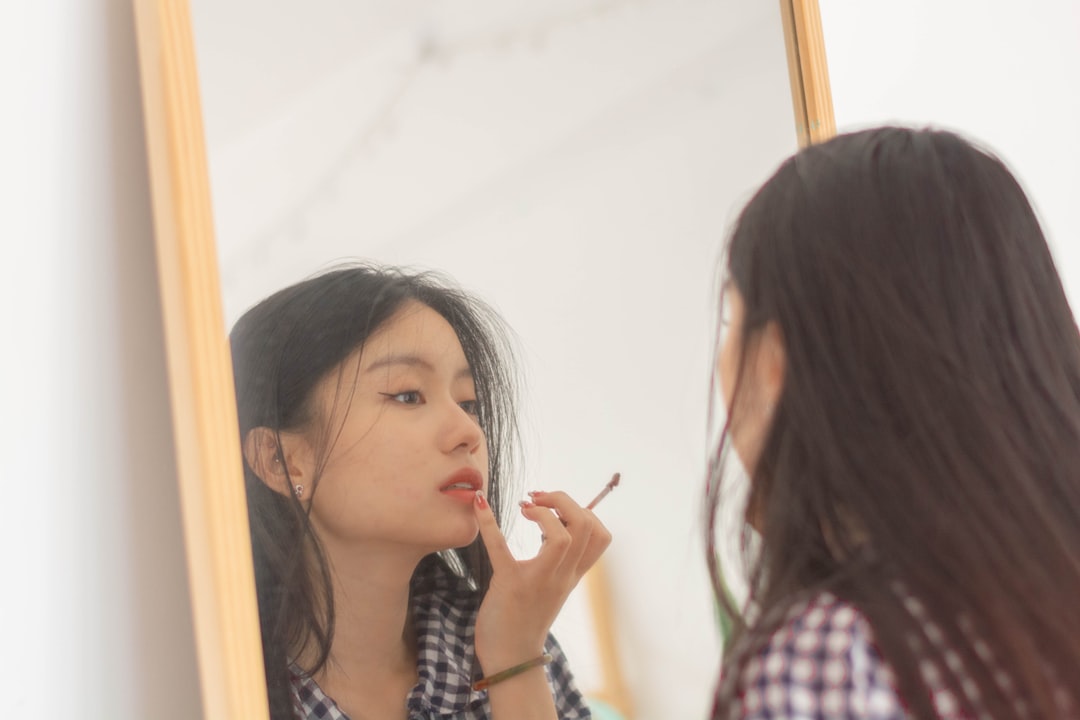
If you’ve ever scrolled through a K-beauty hashtag on Instagram or watched a Korean idol’s “Get Ready With Me” video, you’ve probably noticed something striking: Korean makeup looks nothing like what you see at your local Sephora counter. The dewy “glass skin” finish, the gradient lip, the barely-there brows — it’s a completely different philosophy from the full-coverage, sculpted looks that dominate Western beauty culture. But the korean makeup vs western makeup differences go far deeper than just aesthetics. They reflect fundamentally different attitudes toward skincare, beauty standards, and self-expression.
In 2025, the global K-beauty market hit an estimated $13.9 billion, and Korean cosmetics brands like Romand, Peripera, and Laneige are now household names from New York to London. Meanwhile, Western powerhouses like Charlotte Tilbury, NARS, and Fenty Beauty continue to push boundaries with bold color and inclusive shade ranges. So which approach is “better”? The honest answer: neither. They serve different goals. But understanding the key differences between Korean and Western makeup can completely transform your routine — and help you cherry-pick the best of both worlds.
1. Philosophy: “No-Makeup Makeup” vs. Full Glam Expression
The single biggest difference between Korean and Western makeup isn’t a product — it’s a mindset. Korean beauty culture prioritizes looking naturally youthful, fresh, and “effortless.” The ideal is skin that looks so good, people can’t tell whether you’re wearing makeup at all. Western makeup culture, by contrast, celebrates makeup as artistry, transformation, and bold self-expression.
The Korean Approach: Skin First, Makeup Second
In Korea, a 7-to-10-step skincare routine isn’t considered excessive — it’s the foundation that makes the “no-makeup makeup” look possible. Korean women (and increasingly men) invest heavily in essences, serums, and SPF so that their base makeup can stay minimal. The goal is luminous, hydrated skin with subtle color accents. Snail Mucin Benefits: Top K-Beauty Ingredients Explained
Products like cushion compacts and skin tints are designed to enhance your natural complexion, not mask it. Coverage is light to medium. Imperfections like freckles might be left visible — or even drawn on — because they’re considered charming. The result? A youthful, approachable look that Korean beauty standards associate with health and vitality.
The Western Approach: Makeup as Art and Identity
Western makeup traditions embrace a wider spectrum of expression. From a “clean girl” minimal look to a full glam smoky eye with contour, highlight, and sculpted brows, the Western approach says: makeup is a creative tool, and more is more if that’s what you want. Foundation is often full-coverage to create a uniform canvas. Setting spray, baking, and layering techniques ensure the look lasts 12+ hours.
Brands like Fenty Beauty revolutionized the industry with 50+ foundation shades, emphasizing that every skin tone deserves perfect matching. This inclusivity-first philosophy is a hallmark of Western beauty that Korean brands are still catching up on, particularly for deeper skin tones. The Western makeup counter is a place where bold lip colors, graphic liners, and experimental textures aren’t just accepted — they’re celebrated.
2. Base Makeup: Dewy Glass Skin vs. Matte Perfection

If there’s one area where the korean makeup vs western makeup differences are most visible, it’s the base. Pick up any Korean foundation or BB cream and compare it to a Western full-coverage foundation, and you’ll immediately feel the difference in texture, finish, and weight.
Korean Bases: Lightweight, Hydrating, and Luminous
Korean base products are formulated with skincare-grade ingredients like hyaluronic acid, niacinamide, centella asiatica, and snail mucin. The goal is a dewy, “lit from within” finish that Koreans call mul-gwang (물광) — literally “water glow.” Popular formats include:
- Cushion compacts — Portable, buildable, with built-in SPF (e.g., Laneige Neo Cushion, ~$34 at Sephora)
- Skin tints and tone-up creams — Sheer coverage that evens tone without masking texture (e.g., Romand Bare Water Cushion, ~$22 on Amazon)
- BB and CC creams — Hybrid skincare-makeup with SPF, hydration, and light coverage (e.g., MISSHA M Perfect Cover BB Cream, ~$13 on Amazon)
- Serum foundations — Ultra-lightweight formulas that feel like applying a moisturizer (e.g., Peach C Honey Glow Serum Foundation, ~$18)
Korean primers often contain hydrating ingredients rather than pore-filling silicones. The entire base routine is designed to let your natural skin texture show through, creating dimension rather than a flat, uniform finish. Best Korean Sunscreen for Oily Skin 2026: Top 7 Picks
Western Bases: Full Coverage and Long-Lasting Wear
Western foundations tend to prioritize coverage, longevity, and a flawless finish. Products like Estée Lauder Double Wear ($48), Fenty Pro Filt’r ($42), and NARS Natural Radiant ($50) are designed to withstand humidity, sweat, and 14-hour days. Finishes range from matte to satin, with the full-matte look being historically dominant — though the “dewy” trend has made significant inroads since 2023.
Western base routines are also more layered. A typical routine might include: primer → color corrector → foundation → concealer → setting powder → setting spray. That’s six steps just for the base, compared to the Korean approach of primer (or sunscreen) → cushion compact, and done. For those dealing with dry winter skin or harsh climates common in North America and Europe, this layered approach can sometimes feel heavy or cakey if not applied carefully.
| Feature | Korean Base | Western Base |
|---|---|---|
| Coverage | Light to medium | Medium to full |
| Finish | Dewy, glass-like | Matte to satin |
| Key Ingredients | Hyaluronic acid, niacinamide, SPF | Silicones, pigments, long-wear polymers |
| Shade Range | Limited (5-15 shades typical) | Extensive (30-50+ shades) |
| Typical Format | Cushion compact, BB cream | Liquid foundation, stick foundation |
| Longevity | 4-8 hours (touch-ups expected) | 8-16 hours (set and forget) |
3. Eye Makeup: Soft Pastels vs. Dramatic Smoky Eyes
Eye makeup is where the contrast between Korean and Western beauty gets truly dramatic. Walk into any Korean beauty store like Olive Young, and you’ll find palettes full of muted pinks, soft peaches, warm browns, and subtle shimmer. Walk into Sephora or Ulta, and you’ll see bold jewel tones, graphic liners, and palettes with 18+ shades designed for maximum versatility.
Korean Eye Looks: Soft, Youthful, and Monolid-Friendly
Korean eye makeup is designed to make eyes look bigger, brighter, and more youthful — without looking “done.” Common techniques include:
- Aegyo-sal (애교살) — Deliberately highlighting the under-eye fat pad to create a cute, youthful puffiness. This is the opposite of Western concealing, which aims to minimize under-eye bags.
- Gradient eyeshadow — A single wash of color concentrated at the lash line and blended upward, creating a soft, diffused look rather than a structured crease cut.
- Puppy liner (강아지 라인) — Eyeliner that angles slightly downward at the outer corner instead of a dramatic wing, creating a softer, more innocent look.
- Glitter and shimmer tears — Sparkle applied to the inner corner and lower lash line for a “dewy eye” effect, popularized by K-pop idols.
- Brown or burgundy liner over black — Softer than black liner, brown and wine-toned liners create definition without harshness.
Best-selling products include the Romand Better Than Eyes palette (~$12, Amazon), Peripera All Take Mood Palette (~$14), and Etude House Play Color Eyes (~$16). These palettes typically have 8-10 shades in a cohesive color story — all designed to work together for that one signature look. K-Pop Idols Who Act: 15 Best K-Drama Roles in 2025
Western Eye Looks: Bold, Structured, and Diverse
Western eyeshadow techniques emphasize dimension, contrast, and structure. The classic Western eye look involves a transition shade in the crease, a deeper shade in the outer V, a lid color, and a highlight on the brow bone — four distinct zones of color. Techniques like cut creases, halo eyes, and smoky eyes are mainstream.
Western palettes from brands like Urban Decay (Naked series, ~$54), Natasha Denona ($65-$129), and Pat McGrath ($78-$128) offer expansive shade ranges with both matte and shimmer options. The philosophy is versatility: one palette should give you a nude day look and a dramatic night look. False lashes, lash extensions, and dramatic mascara layering are also far more common in Western routines.
4. Lip Trends: Gradient Tints vs. Bold Defined Lips

Perhaps no single feature captures the korean makeup vs western makeup differences quite like the lip. In Korea, the iconic lip look is the gradient lip (그라데이션 립) — color concentrated at the inner center of the lips that fades outward, creating a “just bitten” or popsicle-stained effect. In the West, the preferred look tends toward fully defined, evenly applied color with a clean lip line.
Korean Lip Products: Tints, Velvets, and Blurring Formulas
Korean lip products are engineered for that effortless, blurred finish. The most popular formats include:
- Water tints — Ultra-lightweight, stain-like formulas that last through meals (e.g., Peripera Ink the Velvet, ~$9 on Amazon)
- Velvet lip tints — Mousse-textured formulas that dry down to a soft-focus matte (e.g., Romand Juicy Lasting Tint, ~$12)
- Blur lip products — Formulas that deliberately soften the lip line for that diffused, no-liner look (e.g., Romand Blur Fudge Tint, ~$13)
- Lip sleeping masks — Overnight treatments that keep lips hydrated for the next day’s tint application (e.g., Laneige Lip Sleeping Mask, ~$24 at Sephora)
Color preferences lean toward MLBB (My Lips But Better) shades — muted roses, dusty pinks, warm nudes, and soft corals. The trend is to look like your lips are naturally that pretty. Korean lip tints are also formulated to layer beautifully over lip balm, keeping the overall look dewy and youthful.
Western Lip Products: Matte Liquids, Liners, and Statement Shades
Western lip culture embraces precision and pigment. Lip liner is a staple — often applied before lipstick to define the lip shape, slightly overline for a fuller appearance, and prevent feathering. Products like MAC’s iconic Ruby Woo ($21), Charlotte Tilbury Pillow Talk ($34), and Fenty Stunna Lip Paint ($28) deliver opaque, even, long-wearing color.
The Western lip product arsenal also includes glosses, plumping formulas, and transfer-proof liquid lipsticks — all designed for maximum impact and all-day staying power. Bold reds, deep berries, nude-brown combinations, and even unconventional shades like black or purple are embraced as mainstream choices.
5. Contouring and Complexion: Subtle Shading vs. Sculpted Structure
The approach to facial sculpting might be the most instructive example of the different beauty philosophies at work. Korean contouring is minimal and strategic; Western contouring is architectural and transformative.
Korean Contouring: Strategic and Barely-There
Korean contouring focuses on creating a smaller, more V-shaped face — a beauty ideal deeply rooted in Korean beauty standards. The technique uses cool-toned, ashy shades applied mainly along the sides of the nose and jawline. It’s always blended to near-invisibility. Korean blush placement is also distinctive: applied to the center of the cheeks (apples) and sometimes across the nose bridge, creating a flushed, just-came-in-from-the-cold look.
Highlighting in Korean makeup means a dewy glow from skincare rather than a visible shimmer stripe. Products like Peripera Pure Blushed Sunshine Cheek (~$8) and Romand See-Through Veilighter (~$12) are designed to look like your skin is just naturally glowing, not like you applied a highlighter. The overall effect is youthful, soft, and almost imperceptible.
Western Contouring: Sculpted and Defined
Western contouring, popularized by Kim Kardashian and makeup artists like Mario Dedivanovic, is about reshaping the face with light and shadow. A full Western contour might include: hollows of cheeks, sides of nose, temples, jawline, and forehead perimeter — all with a warm-toned bronzer or dedicated contour shade. Then a prominent highlight on cheekbones, nose bridge, Cupid’s bow, and chin creates dramatic dimension.
Products like Fenty Match Stix ($28), Charlotte Tilbury Filmstar Bronze & Glow ($68), and Benefit Hoola Bronzer ($34) are staples. Western blush trends have recently shifted toward more diffused, “snatched” placement higher on the cheekbones — a trend that actually borrows from Korean and Japanese beauty. This cross-pollination of techniques is one of the most exciting developments in global beauty.
6. Brow Game: Straight and Soft vs. Arched and Defined

Eyebrows are another area where the korean makeup vs western makeup differences are immediately obvious. The ideal Korean brow and the ideal Western brow look completely different — and both require specific techniques and products to achieve.
Korean Brows: Straight, Soft, and Youthful
The Korean brow trend favors a relatively straight, soft, and slightly fuller shape with minimal arch. The goal is to create a youthful, innocent, approachable expression. Products are typically lighter than the natural brow color (even using gray-brown tones), and the texture is kept soft and slightly feathery. Brow mascara is used to set and lighten dark brows, and pencil strokes mimic natural hair.
Popular products include Innisfree Auto Eyebrow Pencil (~$6), Etude House Drawing Eye Brow (~$4), and Romand Han All Brow Cara (~$9). The affordable price point of Korean brow products is notable — most are under $10, compared to Western counterparts that often run $20-$35.
Western Brows: Arched, Structured, and Defined
Western brow trends have evolved dramatically — from the ultra-thin arches of the early 2000s to the bold, bushy “boy brow” trend of the 2010s, and now a refined, groomed arch. The current Western ideal features a defined arch, clean edges, and strategic sculpting with concealer below the brow bone.
Products like Anastasia Beverly Hills Brow Wiz (~$25, Sephora), Benefit Precisely My Brow Pencil (~$26), and NYX Micro Brow Pencil (~$10, Ulta) are best-sellers. Western brow routines also commonly include brow gel, pomade, and brow lamination treatments — a more involved approach that reflects the Western philosophy of deliberate, visible grooming. K-Pop Training System Explained: How Idols Are Made
7. Ingredients and Formulation Philosophy
Beyond aesthetics, there’s a fundamental difference in how Korean and Western makeup products are formulated. This is where the science gets interesting — and where understanding the korean makeup vs western makeup differences can genuinely improve your skin health.
Korean Formulations: Skincare-Infused Cosmetics
Korean makeup products routinely include active skincare ingredients. It’s not uncommon to find foundations with:
- Niacinamide (Vitamin B3) — Brightens skin and reduces hyperpigmentation over time
- Centella Asiatica (Cica) — Calms inflammation and strengthens the skin barrier
- Hyaluronic Acid — Attracts and retains moisture for all-day hydration
- Snail Mucin — Promotes cell repair and adds a natural glow
- Green Tea Extract — Antioxidant protection against environmental stressors
- Rice Bran Extract — Traditional brightening ingredient used for centuries in Asia
This “skincare meets makeup” approach means your foundation is actually treating your skin while you wear it. Products like the COSRX Full Fit Propolis Synergy Pad and Sulwhasoo Perfecting Cushion (~$48) blur the line between skincare and cosmetics entirely. Best Korean Beauty Products
Western Formulations: Performance and Longevity First
Western makeup formulations prioritize pigment intensity, transfer resistance, and wear time. The chemistry focuses on film-forming polymers, long-chain silicones, and advanced pigment-binding technology. This doesn’t mean Western products ignore skin health — many now include SPF, hyaluronic acid, and vitamins — but the primary engineering goal is typically cosmetic performance rather than skincare benefit.
For consumers in Western climates dealing with harsh winters, indoor heating, and frequent temperature changes, the heavier formulation of Western bases can sometimes exacerbate dryness or clog pores. Conversely, the lightweight Korean formulations might not provide enough coverage or staying power for hot, humid Southern US summers. The smartest approach? Mix and match based on your climate, skin type, and the occasion.
8. How to Build the Perfect Hybrid Routine

Here’s the exciting part: you don’t have to choose. The most innovative beauty lovers in 2026 are blending Korean and Western techniques to create personalized routines that take the best from both worlds. Here’s how to build your own hybrid routine:
Step-by-Step Hybrid Routine
- Skincare prep (Korean approach) — Double cleanse, hydrating toner, essence, and moisturizer. This gives you the canvas for lighter base products. Your skin does the heavy lifting.
- Sunscreen (Korean SPF) — Korean sunscreens are cosmetically elegant, lightweight, and double as primers. Try Beauty of Joseon Relief Sun (~$16) or Isntree Hyaluronic Acid Watery Sun Gel (~$15).
- Base (Choose your adventure) — For natural days, use a Korean cushion compact. For events or long days, use a Western foundation with a beauty sponge for a semi-dewy finish.
- Eyes (Mix techniques) — Use a Korean wash of color on the lid with a Western crease shade for subtle definition. Try Korean glitter on the inner corner with Western mascara for volume.
- Brows (Split the difference) — Shape with a slight arch (Western) but fill with soft, feathery strokes in a lighter shade (Korean).
- Lips (Korean tint + Western liner) — Line lips lightly with a Western nude liner for definition, then apply a Korean lip tint in the center and blend outward for a diffused gradient.
- Blush and contour (Korean placement, Western product) — Apply blush to the apples of cheeks (Korean style) using a Western blush formula for longer wear. Skip heavy contour unless it’s a special occasion.
- Setting (Western finish) — A light mist of setting spray locks everything in place without flattening the dewiness.
Best Budget-Friendly Starter Products
| Step | Korean Pick | Western Pick |
|---|---|---|
| Base | MISSHA BB Cream ($13) | Maybelline Fit Me ($9) |
| Eyes | Romand Better Than Eyes ($12) | NYX Ultimate Shadow ($18) |
| Lips | Peripera Ink Velvet ($9) | NYX Soft Matte Lip Cream ($7) |
| Brows | Etude Drawing Eye Brow ($4) | NYX Micro Brow Pencil ($10) |
| Blush | Peripera Pure Blushed ($8) | Milani Baked Blush ($9) |
The total cost for a complete Korean starter kit? Under $50. A comparable Western budget kit runs about the same. Mixing both? You’re looking at roughly $60-$80 for a versatile collection that covers any look from “glass skin natural” to “date night glam.”
Frequently Asked Questions
Is Korean makeup better for sensitive skin than Western makeup?
Generally, yes. Korean makeup products tend to contain fewer harsh ingredients, more soothing actives like centella and green tea, and lighter formulations that are less likely to clog pores or irritate sensitive skin. However, “Korean” and “Western” aren’t guarantees of quality — always check individual ingredient lists. Some Korean products contain fragrance and essential oils that can trigger sensitivities. The safest approach is to patch-test any new product regardless of origin, and look for “hypoallergenic” or “dermatologist-tested” labels.
Why are Korean makeup products so much cheaper?
Several factors keep Korean makeup affordable: intense domestic competition (thousands of brands compete in a small market), efficient manufacturing infrastructure, lower marketing overhead compared to Western luxury brands, and a cultural expectation that beauty products should be accessible to everyone — including students and young professionals. Brands like Romand, Peripera, and Etude House can offer high-quality formulations at $4-$15 because they sell massive volume and keep packaging functional rather than luxurious.
Can I use Korean makeup techniques on deeper skin tones?
Absolutely — the techniques (gradient lips, dewy base, soft eye looks, aegyo-sal) work beautifully on all skin tones. The challenge has been shade range: many Korean brands historically offered limited shades optimized for East Asian skin tones. This is changing — brands like AMUSE, Fenty Beauty’s K-beauty-inspired lines, and Klairs are expanding ranges. For deeper tones, you might use Korean techniques and products where shade isn’t critical (lip tints, eye palettes, blush) while choosing Western foundations for better shade matching.
How do K-pop idols achieve their signature makeup look?
K-pop idol makeup is actually a maximalist version of Korean beauty principles. Professional MUAs for groups like BLACKPINK, aespa, and NewJeans use many of the same techniques described above — glass skin base, gradient lips, soft shadow — but dial up the intensity for stage performance. They add dramatic eye glitter, false lash clusters, sharper liner, and professional-grade illuminators. The key difference is that idol makeup is designed to photograph and perform under harsh stage lighting, while everyday Korean makeup is designed for real-life softness. How to Attend a K-Pop Concert in Korea: Fan Guide
Which approach lasts longer throughout the day?
Western makeup generally wins on raw longevity. Products are formulated with long-wear polymers and designed to survive 12-16 hours without touch-ups. Korean makeup embraces a different philosophy: touch-ups are expected and encouraged. Cushion compacts are portable precisely so you can reapply after lunch. Korean lip tints, however, are an exception — water-based stains like Peripera Ink Tint can outlast many Western lipsticks because they bond to the lip skin itself rather than sitting on top.
Related Posts
If you enjoyed learning about the korean makeup vs western makeup differences, check out these related articles:
- Snail Mucin Benefits: Top K-Beauty Ingredients Explained
- Best Korean Sunscreen for Oily Skin 2026: Top 7 Picks
- K-Pop Idols Who Act: 15 Best K-Drama Roles in 2025
Suggested new articles:
- 10-Step Korean Skincare Routine for Beginners: Complete 2026 Guide
- Best Korean Cushion Compacts for Every Skin Type: 2026 Picks
- K-Beauty Dupes for Expensive Western Products: Save 70%
Final Thoughts: Embrace the Best of Both Worlds
The beauty of understanding korean makeup vs western makeup differences isn’t about picking a side — it’s about expanding your toolkit. Korean beauty teaches us that great makeup starts with great skincare, that less can be more, and that looking like yourself (but glowing) is a perfectly valid goal. Western beauty reminds us that makeup is art, self-expression is powerful, and sometimes you want a red lip that stops traffic.
The global beauty industry is already converging. Western brands are launching cushion compacts and skin tints. Korean brands are expanding shade ranges and experimenting with bolder color. The winners are consumers like you who get access to more innovative, more diverse, and more effective products than ever before.
Now we want to hear from you! Are you Team K-Beauty, Team Western Glam, or a proud hybrid? Drop your favorite products and techniques in the comments below — we read every single one. And if this guide helped you, share it with a friend who’s curious about K-beauty. Tag us on Instagram with your hybrid makeup looks — we’d love to feature you!
Don’t miss our next deep-dive. Subscribe to our newsletter for weekly K-beauty reviews, ingredient breakdowns, and trend reports delivered straight to your inbox. Your best skin (and makeup) is waiting. 💌