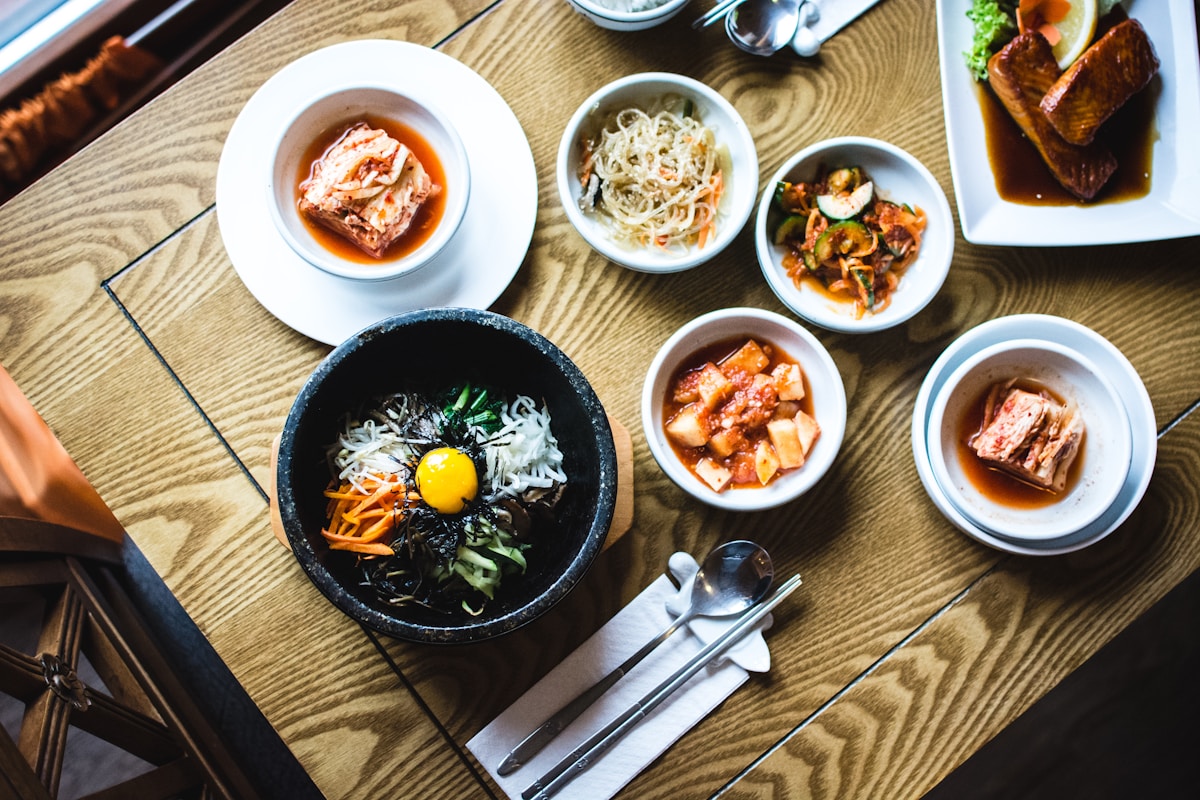
Korean cuisine is a culinary journey filled with vibrant flavors, unique textures, and rich traditions that span centuries. From the spicy kick of kimchi to the comforting warmth of bibimbap, Korea’s food scene offers something for every palate. In this article, we’ll dive into the essence of Korean cooking, explore its latest trends, and provide practical tips on how you can bring these flavors into your kitchen at home.
What is Korean Cuisine?
Watch: JJIMDAK – Korean Braised Chicken
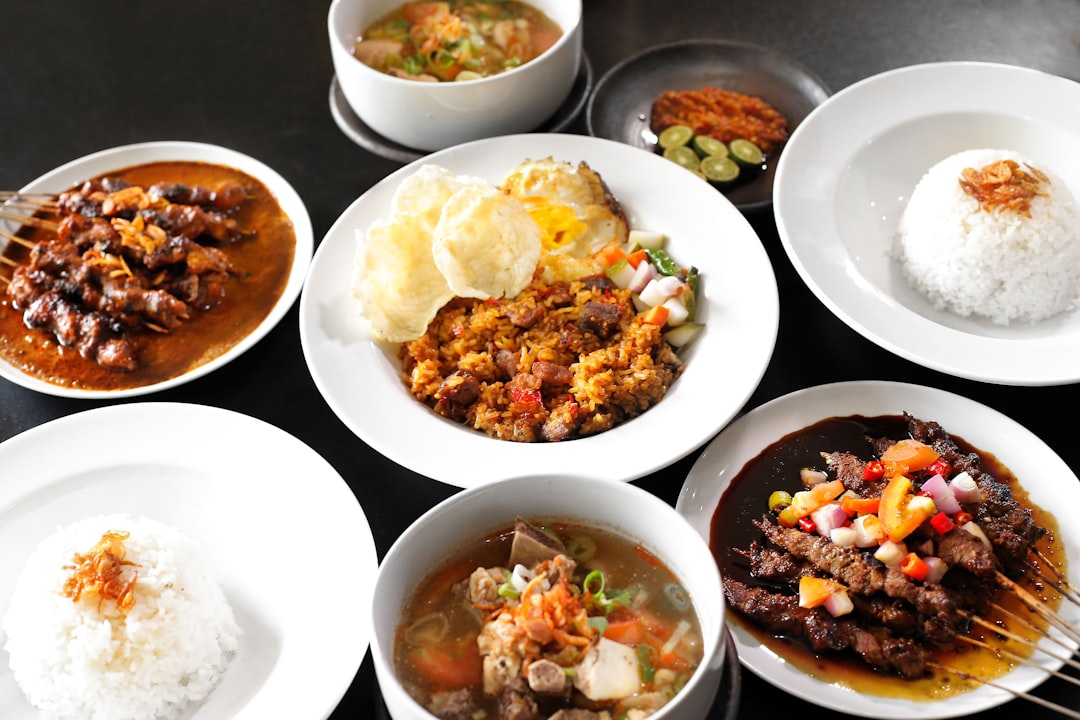
The quick answer: Korean cuisine is characterized by its bold flavors, extensive use of fermented foods like kimchi, and a balance between spicy and savory tastes. It also includes a variety of dishes that are both comforting and visually appealing.
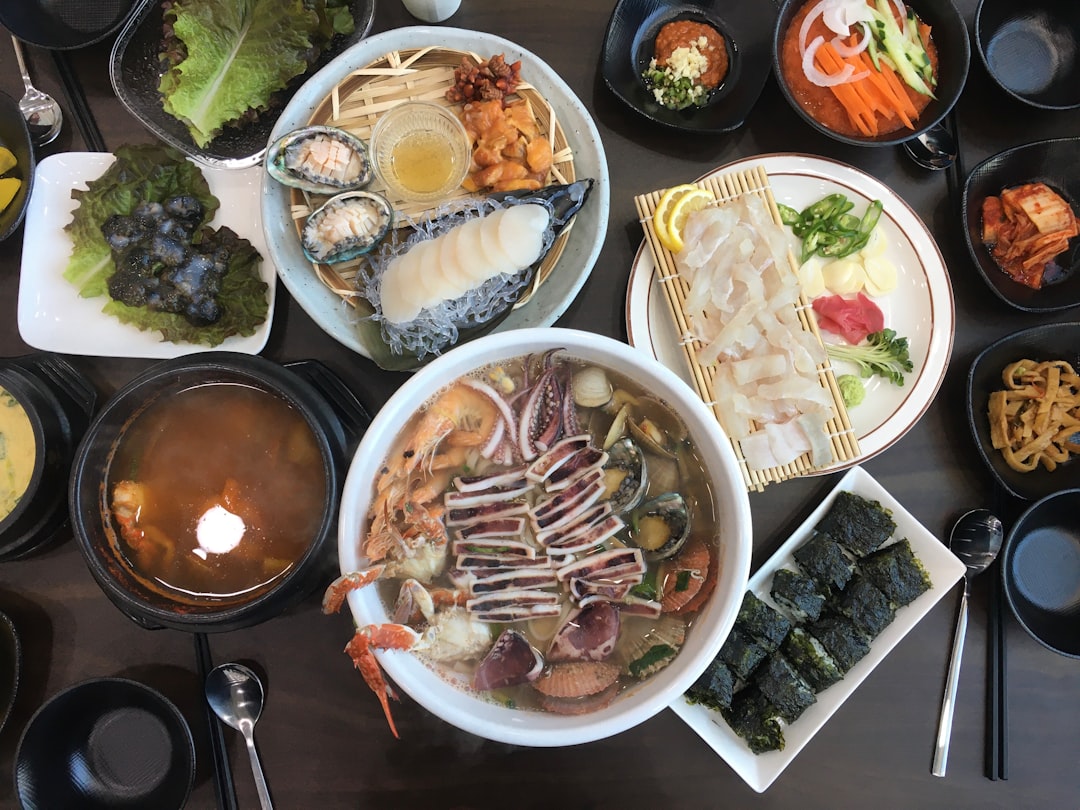
Korean food is more than just the iconic dishes you might see on menus abroad; it’s an intricate tapestry woven from centuries-old traditions. The heart of Korean cuisine lies in its emphasis on freshness, seasonal ingredients, and meticulous preparation techniques. This culinary philosophy not only enhances the flavor profile but also ensures that each dish is a celebration of nature’s bounty.
Korean Food History
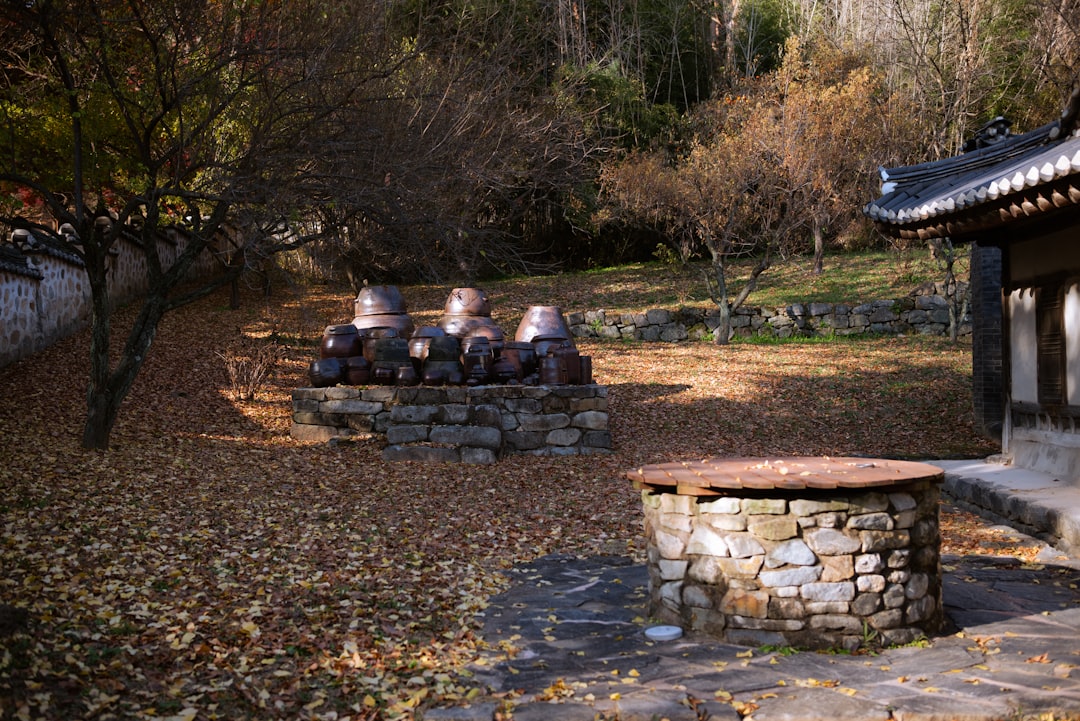
The roots of Korean cuisine can be traced back to ancient times when preserving food was crucial due to seasonal variations in agriculture. One of the most iconic practices, kimchi making, involves fermenting vegetables such as napa cabbage and radishes with spices like gochugaru (red pepper flakes) and garlic. Traditionally, this process would occur during winter months when families would bury large ceramic pots called onggi underground to keep the kimchi at a consistent temperature.
- Kimchi has been a staple since the Three Kingdoms period (57 BC – 668 AD).
Popular Korean Dishes
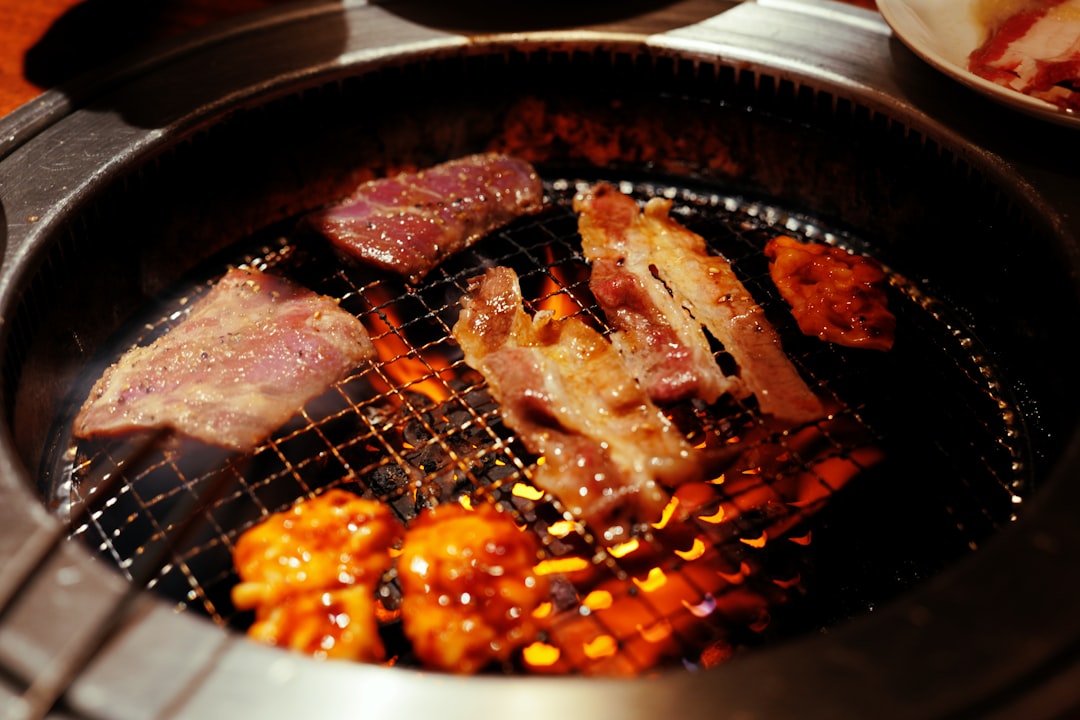
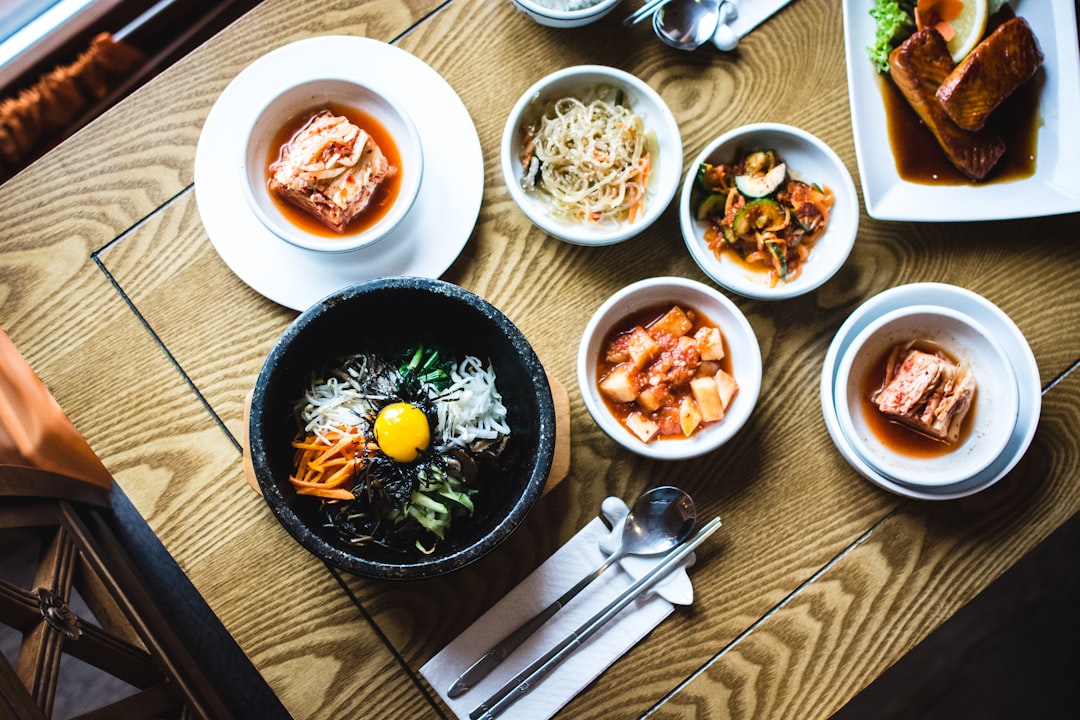
When it comes to popular Korean dishes, there’s no shortage of mouthwatering options. Bibimbap, a rice bowl topped with various vegetables and beef or pork, is one such dish that has gained international recognition for its vibrant colors and balanced flavors. Another beloved option is jjajangmyeon—a hearty noodle soup served with black bean sauce and diced pork.
| Dish | Main Ingredients |
|---|---|
| Bibimbap | Rice, beef, vegetables, egg, gochujang (red pepper paste) |
| Jjajangmyeon | Noodles, pork or beef, black bean sauce, onions, garlic |
Latest Trends in Korean Cuisine
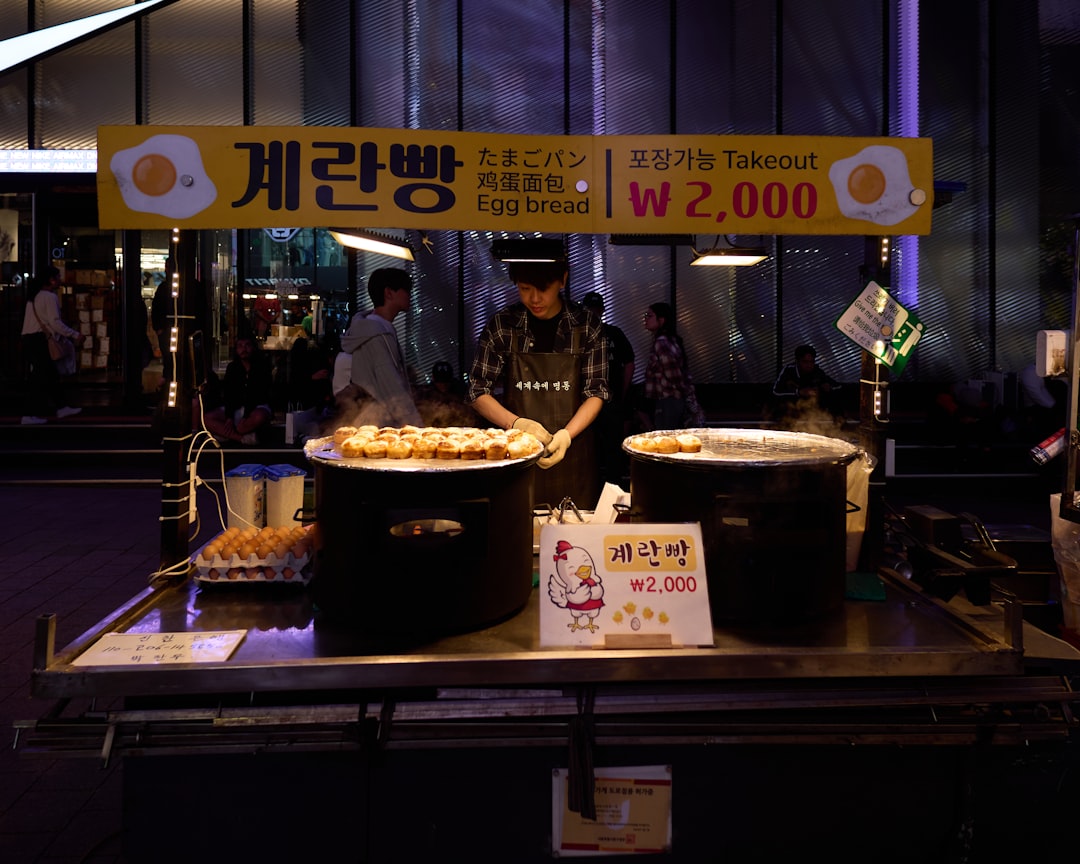
Korean cuisine continues to evolve with contemporary influences. One trend gaining popularity is the fusion of traditional flavors with modern cooking techniques. For instance, street food vendors are now incorporating innovative ingredients like avocado and truffles into classic dishes, creating unique culinary experiences.
Street Food Revolution
- Tteokbokki: Spicy rice cakes served with sweetened fish cake skewers.
- Mandu (Korean dumplings): Steamed or fried, filled with meat and vegetables.
How to Make Kimchi at Home
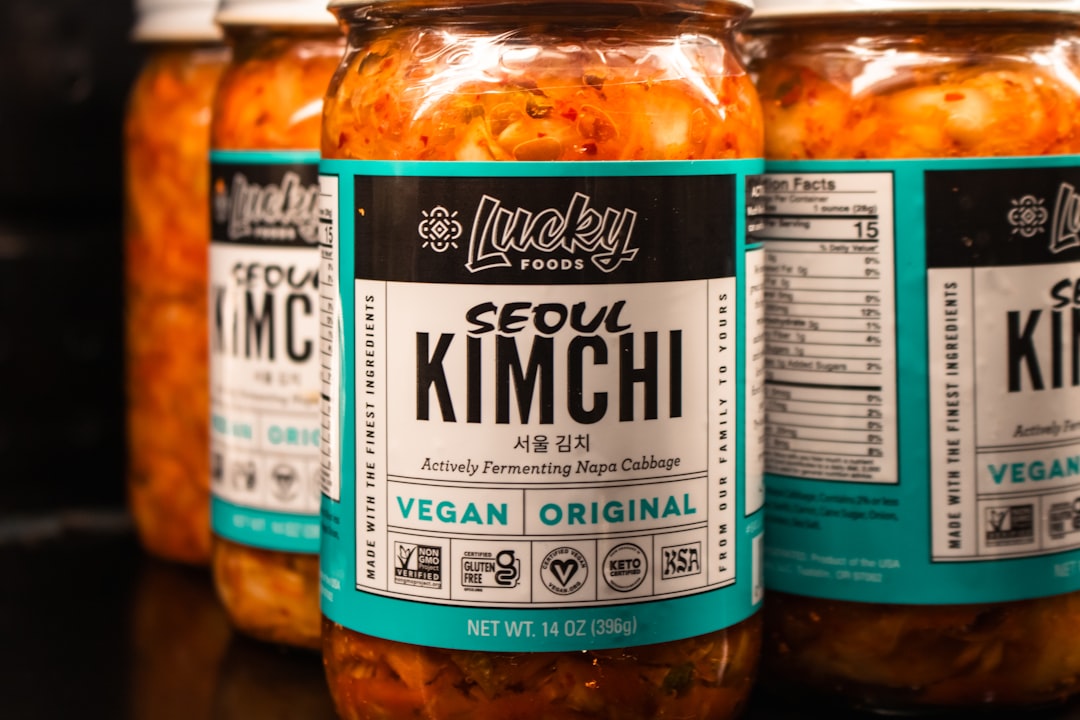
Kimchi is a cornerstone of Korean cuisine, and making it from scratch can be both rewarding and enlightening. Start by preparing the vegetables—typically napa cabbage—which should be thoroughly salted and rinsed before being mixed with gochugaru, garlic, ginger, and other seasonings.
Step-by-Step Guide
- Clean and cut your cabbage into strips.
- Salt the cabbage for several hours to draw out moisture.
- Rinse thoroughly under cold water until no more saltiness is detected.

Key Takeaway: Making kimchi from scratch requires patience and attention to detail, but it’s a delicious way to appreciate the flavors of Korea. Fermentation is an essential part of Korean culinary heritage.
Tips for Cooking Korean Food at Home
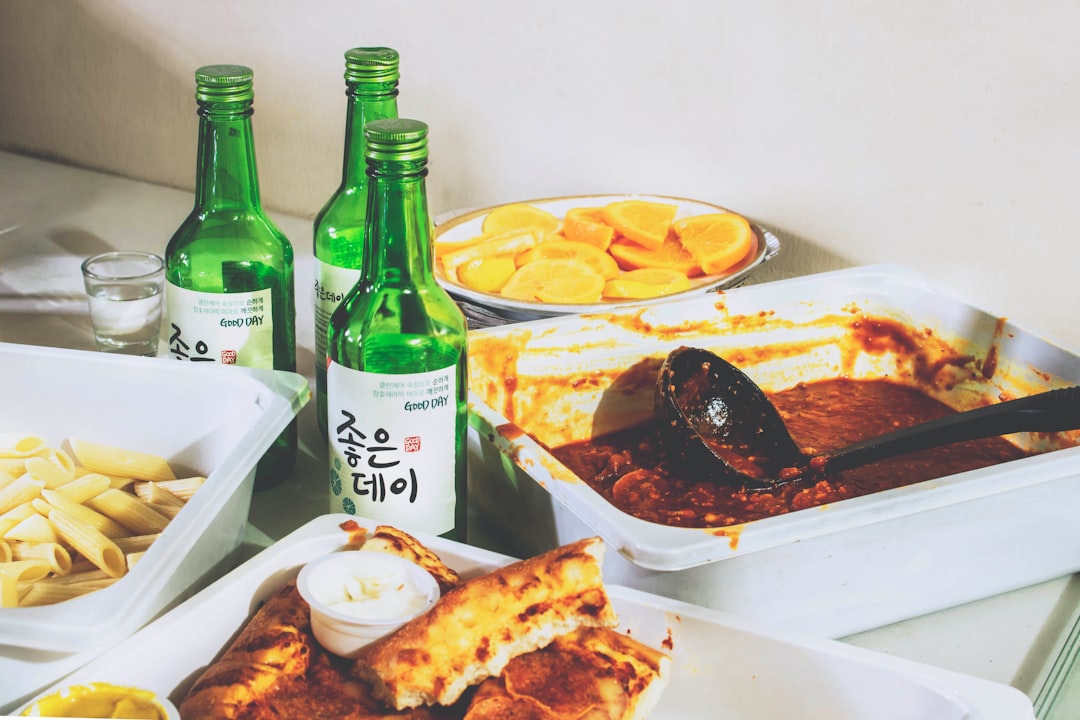
- Invest in high-quality gochujang and soy sauce.
- Use fresh ingredients whenever possible.
Cookware Essentials
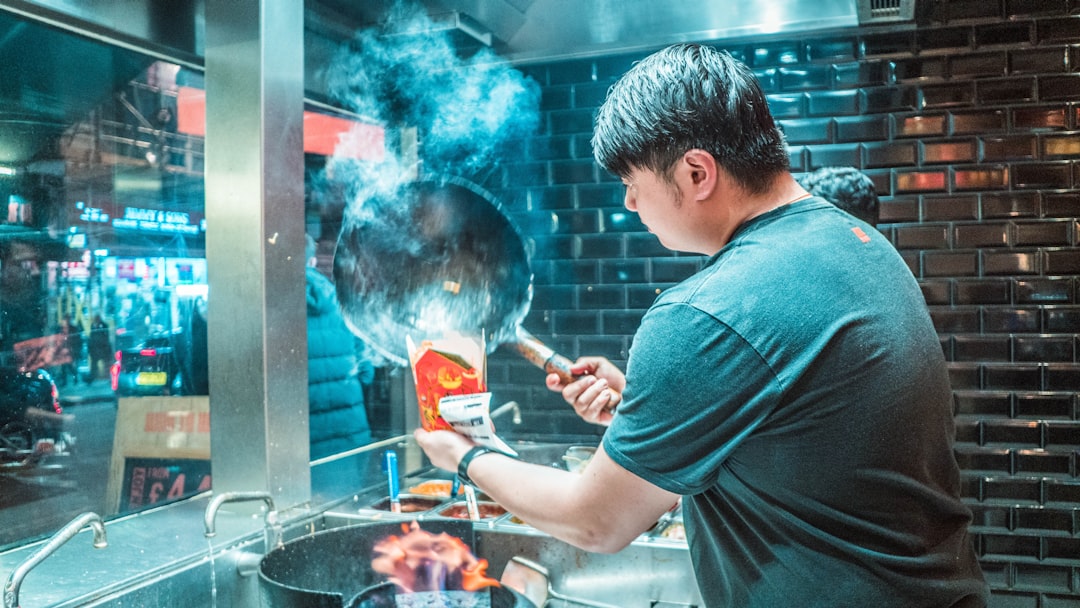
A few pieces of cookware that are essential for Korean cooking include a large skillet, rice cooker, and steamer. Additionally, having access to an electric pressure cooker can greatly simplify the preparation process by reducing cooking times.
Key Takeaway: Proper equipment is crucial in achieving authentic flavors when preparing traditional Korean dishes at home.
Korean Cooking Techniques
- Braising: Slow-cooking meat or vegetables in a flavorful liquid until tender.
- Fermenting: Preserving and enhancing the flavor of foods through bacterial activity.
Key Takeaway: Understanding these techniques can greatly enhance your ability to prepare authentic Korean dishes.
Korean Ingredients & Their Uses
| Ingredient | Description | Uses |
|---|---|---|
| Gochujang | Red pepper paste with a sweet and spicy flavor profile. | Soups, stews, marinades, sauces. |
| Dashi (Korean-style) | Broth made from dried anchovies and kelp. | Soup bases, noodle soups, rice dishes. |

Key Takeaway: Familiarizing yourself with Korean ingredients is key to mastering the art of Korean cooking. Traditional recipes often require specific ingredients that are readily available in Asian markets.
Korean Restaurant Guide for Beginners
- Visit popular chains like Jungsik and Hanjoo to experience high-end Korean cuisine.
- Explore casual spots such as Gwangjang Market or Myeongdong for street food and snacks.

Key Takeaway: Whether you’re a seasoned cook or just starting out, trying authentic Korean dishes in restaurants can be an excellent way to learn about the culture and culinary traditions of Korea.
Frequently Asked Questions
What is the most popular dish in Korean cuisine?
Bibimbap is widely considered one of the most beloved dishes due to its balanced mix of flavors, textures, and colors. It’s a great introduction to Korean food for newcomers.
How do I make homemade kimchi?
- Clean cabbage leaves and soak them in salted water.
- Mix the seasoned vegetables with spices like gochugaru, garlic, ginger, and scallions.
What are some essential tools for Korean cooking?
A good rice cooker, steamer, non-stick pan, and pressure cooker will make your Korean culinary journey easier. Also consider investing in a stone pot (dolsot) if you want to achieve traditional textures.
Are there any vegetarian options?
Absolutely! Dishes like bibimbap without meat, tofu stews, and vegetable side dishes offer delicious alternatives for vegetarians.
Where can I find Korean ingredients?
Korean markets such as H Mart or Mitsuwa are great places to start. Additionally, many Asian supermarkets carry a wide range of products needed for authentic Korean cooking.