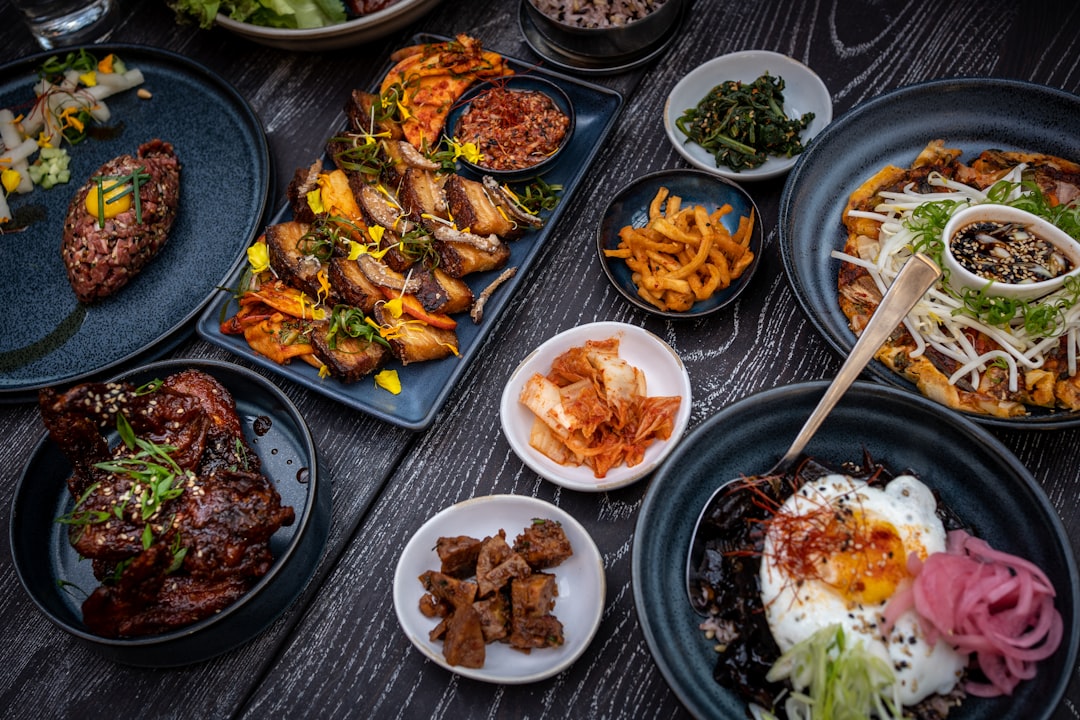
Picture this: you’re scrolling through your social media feed in late 2025, and suddenly you’re mesmerized by a video of someone biting into a glistening, charcoal-black burger bun filled with fermented vegetables and bulgogi. Welcome to the future of Korean cuisine! As we approach 2026, Korean food trends 2026 are set to revolutionize how we think about K-Food, taking us far beyond the familiar territory of kimchi and Korean BBQ into uncharted culinary adventures.
The Korean wave (Hallyu) has already conquered entertainment, beauty, and fashion—now it’s food’s turn to showcase its most innovative side. From ancient fermentation techniques meeting modern molecular gastronomy to hyperlocal ingredients from Korea’s remote islands, the Korean food trends 2026 promise to surprise even the most seasoned K-Food enthusiasts.
Ready to embark on this flavor journey? Let’s explore the exciting Korean culinary landscape that awaits us, complete with insider tips on where to find these trending ingredients and how to incorporate them into your own kitchen adventures.
Fermentation 2.0: Ancient Techniques Meet Modern Innovation
Watch: A Beginner’s Guide to Korean Cooking
Korea’s 5,000-year-old fermentation tradition is experiencing a renaissance that would make our ancestors proud. The Korean food trends 2026 spotlight is firmly fixed on next-generation fermented foods that push boundaries while honoring tradition.
Carbonated Kimchi and Effervescent Banchan
Imagine kimchi that literally fizzes on your tongue! Korean food innovators are experimenting with controlled carbonation during fermentation, creating naturally sparkling banchan (side dishes) that deliver an unexpected pop of effervescence. This technique, pioneered in Seoul’s underground fermentation labs, creates a tingling sensation that amplifies the already complex flavors of traditional fermented vegetables.
Where to try it: Look for “sparkling kimchi” at progressive Korean restaurants in major cities. H-Mart has started carrying limited-edition carbonated kimchi from select Korean producers—expect to pay $8-12 for a 16oz jar.
Fruit-Forward Fermentation
Move over, cabbage—Korean persimmons, Asian pears, and even durian are getting the fermentation treatment. These fruit-based fermented foods offer a sweet-tart complexity that’s perfect for those intimidated by traditional funky flavors. Korean pear kimchi, with its crisp texture and subtle sweetness, is becoming a gateway fermented food for newcomers.
- Korean persimmon kimchi: Sweet, jammy, with warm spice notes
- Fermented Asian pear banchan: Crisp texture with wine-like complexity
- Plum-based jeotgal (fermented seafood sauce): Fruity umami bomb
Pro tip: Start your own fruit fermentation experiment using Korean pears from Whole Foods. The natural sugars create beautiful flavor development in just 3-5 days at room temperature.
Island Treasures: Korea’s Hidden Regional Specialties Go Mainstream
The Korean food trends 2026 are shining a spotlight on Korea’s remote islands and mountainous regions, bringing their unique ingredients and cooking methods to international attention for the first time.
Jeju Island Black Ingredients Revolution
Jeju Island’s volcanic soil produces ingredients with striking deep colors and intense flavors that are taking the culinary world by storm. Black garlic, black beans, and black sesame have been joined by lesser-known gems like black barley and black soybeans, creating a dramatic color palette that’s Instagram gold.
The star of this trend? Heukdol bulgogi—Korean BBQ marinated with black garlic and served on charcoal-infused buns. The visual impact is stunning: jet-black buns that create a striking contrast against colorful kimchi and fresh vegetables. The flavor is equally impressive, with the black garlic adding molasses-like sweetness and umami depth.
Shopping guide: Asian grocery stores like 99 Ranch and H-Mart now stock Jeju black ingredients. Expect to pay premium prices—black garlic runs $15-20 per pound, but a little goes a long way.
Coastal Foraging Meets Fine Dining
Korean coastal regions have always relied on foraged seaweeds, but 2026 brings a sophisticated appreciation for varieties most people have never heard of. Miyeok (wakame) is old news—now it’s all about gaeship (toothed wrack) and doldae (sea lettuce) bringing briny, mineral-rich flavors to Korean fusion dishes.
These “new” seaweeds (actually ancient ingredients) offer unique textures—some crispy like nori, others gelatinous like jellyfish—and pack serious nutritional punch. Forward-thinking chefs are using them in everything from seaweed noodle broths to crispy seaweed “chips” seasoned with gochugaru.
Plant-Based Korean BBQ: The K-Vegan Revolution
One of the most exciting Korean food trends 2026 developments is the rise of plant-based Korean BBQ that doesn’t compromise on the smoky, umami-rich flavors that make Korean grilled meats so addictive.
Mushroom Magic: King Oyster “Galbi”
Korean chefs have discovered that king oyster mushrooms, when scored and marinated in traditional galbi sauce, develop an incredibly meat-like texture. The natural fibers in these large mushrooms mimic the grain of beef short ribs, while their ability to absorb marinades creates layers of flavor that rival traditional BBQ.
The technique involves scoring the mushroom stems in a crosshatch pattern, then marinating them for 24-48 hours in a mixture of soy sauce, pear juice, sesame oil, and gochujang. When grilled, they develop beautiful caramelization and that coveted Korean BBQ char.
Cost comparison: King oyster mushrooms cost about $4-6 per pound at stores like Whole Foods, compared to $12-15 for traditional galbi—making this trend budget-friendly too!
Jackfruit Bulgogi and Beyond
While jackfruit has been the darling of Western plant-based cooking, Korean chefs are elevating it with traditional bulgogi marinades that transform this tropical fruit into something transcendent. The key is using young green jackfruit (not the sweet ripe variety) and allowing extended marination time for maximum flavor penetration.
- Preparation time: 2-3 days for full flavor development
- Best cooking method: High-heat stir-frying or grilling
- Serving suggestion: Wrapped in butter lettuce with traditional banchan
Hyperlocal Ingredients: From Korean Backyards to Global Plates
The most intriguing aspect of Korean food trends 2026 is the celebration of hyperlocal ingredients that tell stories of specific Korean regions, seasons, and microclimates.
Mountain Vegetables with Ancient Stories
Korea’s mountainous regions produce unique wild vegetables that have sustained Korean cuisine for centuries. Gosari (bracken fern), doraji (bellflower root), and bindaetteok ingredients are moving from traditional temple food to trendy restaurant menus worldwide.
These ingredients require special preparation—gosari must be soaked and boiled to remove natural toxins, while doraji needs careful cleaning to remove its bitter compounds. But the payoff is enormous: complex, earthy flavors that connect diners to Korea’s agricultural heritage.
Cultural context: These vegetables were traditionally foraged by Buddhist monks and mountain dwellers. Their preparation methods have been passed down through generations, making each dish a connection to Korean history.
Microseason Ingredients
Korean cuisine is embracing the Japanese concept of microseasons, focusing on ingredients available for just 2-3 weeks per year. Spring’s naengi (shepherd’s purse), early summer’s ssam lettuce varieties, and autumn’s wild chrysanthemum leaves create menu excitement and genuine seasonality.
This trend is driven by younger Korean-American chefs who want to showcase their cultural heritage while educating diners about Korean biodiversity. Expect to see “microseason tasting menus” featuring ingredients most people have never encountered.
Fusion Done Right: Korean Techniques Transform Global Ingredients
The final frontier of Korean food trends 2026 involves Korean cooking techniques being applied to non-Korean ingredients, creating entirely new flavor categories that respect tradition while embracing innovation.
Kimchi-fication of Everything
Korean fermentation techniques are being applied to vegetables that have never seen a kimchi pot. Mexican jalapeños become Korean-style pickles with gochugaru and fish sauce. Italian radicchio gets the full kimchi treatment with surprising results—its natural bitterness pairs beautifully with Korean fermentation flavors.
The technique remains consistent: salt-cure the vegetables, create a paste with gochugaru, garlic, ginger, and fish sauce, then allow controlled fermentation. The magic happens when non-Korean vegetables develop unexpected flavor profiles through traditional Korean methods.
DIY tip: Try kimchi-style Brussels sprouts—their natural sulfur compounds create incredible complexity when fermented. Quarter them, salt for 2 hours, then proceed with traditional kimchi methods.
Korean Smoking Techniques
Traditional Korean smoking using pine needles, oak, and fruit woods is being applied to ingredients like salmon, duck, and even tofu. The result is a distinctive smoky flavor that’s different from American BBQ or European smoking—more delicate, with floral and resinous notes that complement rather than overpower.
Korean-smoked salmon, prepared with a soy-mirin glaze and finished with sesame oil, offers an entirely new take on this familiar ingredient. The smoking process typically takes 6-8 hours at low temperatures, creating silky texture and complex flavor layering.
Where to Experience These Trends
Finding these cutting-edge Korean food trends 2026 requires knowing where to look. Progressive Korean restaurants in cities like Los Angeles, New York, and Chicago are leading the charge, often featuring these ingredients as seasonal specials.
Restaurant hunting tips:
- Follow Korean-American chefs on Instagram for pop-up announcements
- Check Korean cultural centers for food events featuring traditional ingredients
- Look for restaurants advertising “temple food” or “mountain cuisine”
- Ask at Korean grocery stores about cooking classes featuring unusual ingredients
For ingredients, H-Mart remains your best bet, but don’t overlook smaller Korean markets that often carry more specialized items. Whole Foods is increasingly stocking Korean specialty ingredients in their international sections, though at premium prices.
Frequently Asked Questions
What makes Korean food trends 2026 different from current K-Food popularity?
While current K-Food trends focus on mainstream dishes like Korean BBQ and kimchi, Korean food trends 2026 dive deeper into regional specialties, ancient techniques, and hyperlocal ingredients that most people have never encountered. These trends showcase Korea’s incredible biodiversity and culinary heritage beyond the familiar dishes that sparked the initial Korean food wave.
Are these Korean food trends 2026 accessible to home cooks?
Many of these trends are absolutely accessible! Fermentation techniques can be learned with basic equipment, and ingredients like king oyster mushrooms and Korean pears are available at mainstream grocery stores. Start with simpler techniques like fruit fermentation or plant-based bulgogi before attempting more complex preparations like traditional mountain vegetables.
Where can I buy specialty Korean ingredients for these trends?
H-Mart and other Korean grocery stores are your best sources for specialty ingredients. Many items are also available online through Korean food importers. Whole Foods and other premium grocers are increasingly stocking Korean specialty ingredients in their international sections. For the most unusual items like foraged mountain vegetables, look for Korean restaurants that might sell ingredients to customers.
How expensive are these trending Korean ingredients?
Prices vary widely—common items like king oyster mushrooms cost $4-6 per pound, while specialty items like Jeju black garlic can run $15-20 per pound. However, many Korean ingredients are used in small quantities, so a little goes a long way. Plant-based alternatives are often more affordable than traditional meat-based Korean dishes, making these trends accessible to various budgets.
The Korean culinary landscape of 2026 promises to be an exciting journey through flavors less traveled. From ancient fermentation techniques creating sparkling kimchi to hyperlocal mountain vegetables telling stories of Korean heritage, these Korean food trends 2026 offer something for every adventurous food lover.
Whether you’re a longtime K-Food enthusiast or just beginning to explore Korean cuisine, these trends represent the perfect opportunity to deepen your appreciation for Korea’s incredible culinary diversity. The combination of traditional techniques with innovative applications creates a food scene that honors the past while boldly embracing the future.
Start your Korean culinary adventure today—try fermenting your first batch of fruit kimchi, hunt down some king oyster mushrooms for plant-based galbi, or simply keep an eye out for these trends at your local Korean restaurants.
Korean fermentation guide for beginners Best Korean grocery stores in America Plant-based Korean BBQ recipes Korean Cultural Center food programs H-Mart locations and Korean ingredient availabilityWhat Korean food trend are you most excited to try? Have you spotted any of these ingredients at your local grocery stores yet? Share your Korean culinary adventures in the comments below and don’t forget to share this post with fellow food lovers who need to know about these amazing flavors less traveled!