What Makes Tteokbokki Korea’s Most Beloved Street Food?
Watch: A Beginner’s Guide to Korean Cooking
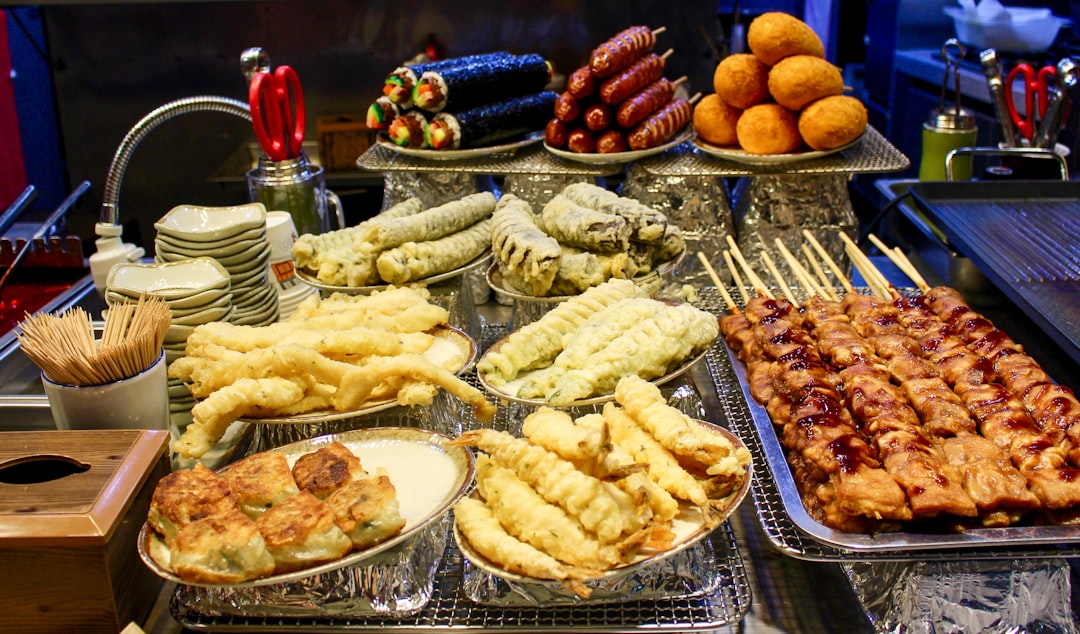
Picture this: it’s a freezing January evening in Seoul’s Myeongdong district, and the air is thick with steam rising from dozens of street food carts. You follow a crowd of locals — office workers still in suits, university students with backpacks, grandmothers pulling shopping carts — and they’re all heading toward the same thing. A massive flat pan filled with glistening, fiery-red rice cakes swimming in a sauce so aromatic it stops you mid-step. That, my friend, is tteokbokki (떡볶이), and it is arguably the single most iconic dish in all of Korean street food culture.
What began as a humble royal court dish in the Joseon Dynasty has transformed into a $3 billion industry in South Korea alone, with an estimated 30,000+ tteokbokki specialty restaurants operating nationwide. It’s the dish that Korean children beg their parents for after school. It’s the late-night craving that sends college students sprinting to the nearest convenience store. And increasingly, it’s the dish that’s conquering international palates — from food halls in New York City to night markets in London and Sydney.
If you’ve been exploring easy Korean dishes to try at home or you’ve seen tteokbokki on your social media feed and wondered what the fuss is about, you’re in the right place. This comprehensive guide covers everything: the history, the ingredients, a foolproof recipe, regional variations, and exactly where to buy what you need — even if you don’t live anywhere near a Korean grocery store. Let’s dive in.
The Fascinating History of Tteokbokki: From Royal Courts to Street Carts
Joseon Dynasty Origins: A Dish Fit for Kings
Most people associate tteokbokki with fiery red chili paste, but the dish’s origins tell a very different story. Historical records from the Joseon Dynasty (1392–1897) describe a dish called tteok jjim — braised rice cakes cooked with soy sauce, sesame oil, beef, and vegetables. There was no gochugaru (red pepper flakes) or gochujang (red pepper paste) in sight, because chili peppers didn’t even arrive in Korea until the 16th or 17th century via Portuguese traders.
This original version was considered a royal court delicacy, served alongside other elaborate dishes during banquets. The rice cakes were made from the finest glutinous rice, pounded by hand until perfectly chewy, and the soy-based sauce was rich with umami from slow-braised beef stock. You can still find this version today — it’s called gungjung tteokbokki (궁중떡볶이), or “royal court tteokbokki,” and it remains a beloved dish, especially during holidays like Chuseok and Lunar New Year.
The 1950s Transformation: How Gochujang Changed Everything
The tteokbokki we know and love today — the spicy, saucy, addictive version — was reportedly invented in the 1950s. The most widely told origin story credits a woman named Ma Bok-rim in the Sindang-dong neighborhood of Seoul. According to food historians, she accidentally dropped some rice cakes into a pot of jjajang (black bean) sauce, then experimented with adding gochujang instead. The result was an instant hit.
The timing was perfect. Post-Korean War South Korea was rebuilding, and affordable, filling street food was in massive demand. Tteokbokki — made from inexpensive rice cakes, a few spoonfuls of gochujang, and some fish cakes — became the ultimate budget-friendly comfort food. By the 1970s, tteokbokki carts were fixtures outside every school in the country. Sindang-dong itself became known as “Tteokbokki Town,” a nickname it carries to this day, with an entire alley of restaurants dedicated to the dish.
Learn more about Korean food culture and travel
Tteokbokki in the 21st Century: A Global Phenomenon
Fast-forward to today, and tteokbokki has become a global food trend. The Korean wave (Hallyu) — driven by K-dramas, K-pop, and social media — has introduced millions of international food lovers to this dish. TikTok alone has over 5 billion views under the #tteokbokki hashtag. Instant tteokbokki cups from brands like Yopokki and Samyang are now sold in Walmart, Target, and Whole Foods across the United States.
According to industry data, South Korea’s rice cake exports grew by over 40% between 2020 and 2024, with the United States, Japan, and Southeast Asia being the biggest importers. Major Korean restaurant chains like Dookki and Sindangdong Tteokbokki have opened franchises in cities like Los Angeles, Jakarta, and Bangkok. Tteokbokki has gone from humble street snack to bona fide international culinary star.
Korean Cuisine 2026: 6 Insights for Global F&B Brands
Essential Ingredients: Everything You Need for Authentic Tteokbokki
The Rice Cakes (Tteok): Choosing the Right Type
The star of the dish is, of course, the rice cakes — specifically, a variety called garaetteok (가래떡). These are long, cylindrical tubes made from short-grain rice that’s been steamed and pounded. For tteokbokki, they’re typically cut into pieces about 2–3 inches long and roughly the diameter of your thumb.
Here’s what to look for when shopping:
- Fresh rice cakes — Found in the refrigerated section of Korean grocery stores like H-Mart or Lotte Plaza. These are soft and pliable, requiring no soaking. They cook in about 8–10 minutes and have the best texture. Price: approximately $3–5 per pound.
- Frozen rice cakes — The most widely available option. Brands like Assi, Chongga, and Wang are commonly found at H-Mart, Asian grocery stores, and even Amazon Fresh. Soak them in warm water for 20–30 minutes before cooking. Price: approximately $4–6 per 2-pound bag.
- Shelf-stable (dried) rice cakes — Less common and require longer soaking (1–2 hours or overnight). These are a good pantry staple but won’t achieve the same chewiness as fresh or frozen.
Pro tip: If your rice cakes have been in the fridge for more than a day, they’ll harden. Don’t throw them out — just soak in room-temperature water for 15–20 minutes, and they’ll soften right up. Never microwave dry rice cakes; they’ll turn into rubber.
Gochujang and Gochugaru: The Heart of the Sauce
The iconic red color and complex spicy-sweet flavor of tteokbokki come from two key ingredients:
- Gochujang (고추장) — A fermented red pepper paste made from chili flakes, glutinous rice, fermented soybeans, and salt. It provides a deep, savory heat that builds slowly rather than hitting all at once. Look for brands like CJ Haechandle, Sempio, or Chung Jung One. A 500g tub runs about $5–8 at H-Mart and around $8–12 on Amazon.
- Gochugaru (고추가루) — Korean red pepper flakes. These are milder and smokier than Western crushed red pepper and have a slightly sweet undertone. They add extra heat and color without overpowering the sauce. A bag costs about $6–10.
Important note: Gochujang is not the same as sriracha, sambal oelek, or generic “chili paste.” Those substitutes will give you a completely different flavor profile. For one of the most beloved easy Korean dishes, using authentic gochujang is non-negotiable if you want the real deal.
Supporting Ingredients That Elevate the Dish
Beyond the rice cakes and sauce base, traditional tteokbokki includes several supporting players:
- Eomuk (fish cakes) — Flat, processed fish cake sheets cut into triangles or rectangles. They absorb the sauce beautifully and add a subtle seafood umami. Available at any Korean grocery store for about $3–4 per pack.
- Cabbage or scallions — For freshness and a slight crunch that contrasts the chewy rice cakes.
- Hard-boiled eggs — A classic addition. The eggs soak up the sauce and provide a creamy, rich counterpoint to the spice.
- Anchovy or kelp broth — The base liquid. Using stock instead of plain water is the secret weapon that separates good tteokbokki from unforgettable tteokbokki. Simply simmer 6–8 dried anchovies (heads and guts removed) and a 4-inch piece of dried kelp (dashima) in 3 cups of water for 15 minutes.
- Sugar and soy sauce — Sugar balances the heat, and a splash of soy sauce adds depth. Some cooks also add a drizzle of corn syrup or oligodang (올리고당) for a glossy finish.
Korean Banchan Guide: 12 Traditional Side Dishes to Try
Classic Tteokbokki Recipe: A Step-by-Step Guide Even Beginners Can Follow
Ingredient List (Serves 2–3)
| Ingredient | Amount | Notes |
|---|---|---|
| Garaetteok (rice cakes) | 1 lb (450g) | Fresh or frozen (soak if frozen) |
| Fish cakes (eomuk) | 4–5 sheets | Cut into triangles |
| Anchovy-kelp broth | 2.5 cups | Or 2.5 cups water + 1 tsp dashi powder |
| Gochujang | 2.5 tbsp | Adjust to taste |
| Gochugaru | 1 tbsp | Optional for extra heat |
| Sugar | 1.5 tbsp | White or brown sugar |
| Soy sauce | 1 tbsp | Regular or light soy sauce |
| Garlic, minced | 2 cloves | About 1 tbsp |
| Scallions | 2–3 stalks | Cut into 2-inch pieces |
| Hard-boiled eggs | 2–3 | Optional but highly recommended |
Step-by-Step Instructions
- Prepare the broth. If making anchovy-kelp broth from scratch, combine 2.5 cups of water with 6–8 dried anchovies (intestines removed) and a 4-inch square of dried kelp in a pot. Bring to a boil, then reduce heat and simmer for 12–15 minutes. Strain and discard the solids. This broth is liquid gold — it adds layers of umami that water alone simply cannot provide.
- Soak the rice cakes. If using frozen rice cakes, soak them in room-temperature water for at least 20 minutes. Fresh rice cakes from the fridge only need a quick 5-minute soak to separate. Gently pull apart any pieces that are stuck together.
- Mix the sauce. In a small bowl, combine the gochujang, gochugaru, sugar, soy sauce, and minced garlic. Stir until smooth. This allows you to taste and adjust before it hits the pan — much easier than adjusting once everything is bubbling.
- Bring it all together. Pour the broth into a wide, shallow pan or skillet (a 12-inch pan works perfectly). Add the sauce mixture and stir to dissolve. Place the pan over medium-high heat and bring to a gentle boil.
- Add the rice cakes and fish cakes. Once the sauce is bubbling, add the rice cakes and fish cake pieces. Stir well to coat everything evenly. If adding hard-boiled eggs, add them now too.
- Cook and stir frequently. This is the critical step. Cook for 8–12 minutes, stirring every minute or so. The sauce will gradually thicken as the starch from the rice cakes releases. You want the sauce to go from watery to glossy and clingy — thick enough to coat the back of a spoon but not so thick it becomes a paste.
- Test for doneness. Bite into a rice cake. It should be chewy and soft throughout, with no hard or chalky center. If the center is still firm, add a splash of water and continue cooking for another 2–3 minutes.
- Finish and serve. Toss in the scallions, give a final stir, and serve immediately in the pan or transfer to a shallow bowl. Tteokbokki waits for no one — the rice cakes will continue to absorb sauce and firm up as they cool, so eat it hot.
Pro tip: Sprinkle toasted sesame seeds and a drizzle of sesame oil on top for a nutty, aromatic finish. Some people also add a handful of mozzarella cheese on top and let it melt under a broiler for 2 minutes — a modern Korean twist that’s become wildly popular.
Explore more Korean recipes and video tutorials at Maangchi
Popular Tteokbokki Variations You Need to Try
Cheese Tteokbokki (치즈떡볶이)
If there’s one modern variation that’s taken tteokbokki to the next level, it’s cheese tteokbokki. The concept is simple: cook classic tteokbokki, transfer it to an oven-safe dish, blanket the top with shredded mozzarella, and broil until bubbly and golden. The stretchy, melty cheese tempers the spice and creates an addictive sweet-savory-spicy-creamy combination that’s hard to stop eating.
Korean restaurants in the U.S. like BCD Tofu House and Bonchon often serve their own versions. At home, you can use any good melting cheese — mozzarella is classic, but a blend of mozzarella and mild cheddar works beautifully too. This variation is particularly great for introducing spice-shy friends to Korean food, as the cheese significantly mellows the heat.
Rabokki (라볶이): Tteokbokki Meets Instant Ramen
Rabokki is the ultimate Korean comfort food mashup: tteokbokki + ramyeon (Korean instant noodles). You cook the tteokbokki as usual but add a block of instant ramen noodles (Shin Ramyun is the classic choice) about 3 minutes before the dish is done. The noodles soak up the spicy sauce, and the combination of chewy rice cakes and slurpy noodles is textural perfection.
This is one of the most popular easy Korean dishes among college students in Korea — cheap, fast, and incredibly satisfying. Total cost for a generous serving? Under $4.
Gungjung Tteokbokki (궁중떡볶이): The Royal Court Version
As mentioned earlier, this is the original, non-spicy version of tteokbokki. The rice cakes are stir-fried with soy sauce, sesame oil, thinly sliced beef (usually sirloin), mushrooms, carrots, bell peppers, and scallions. The flavor is savory, slightly sweet, and deeply umami — completely different from the red street food version, but equally delicious.
Gungjung tteokbokki is a fantastic option for anyone who can’t handle spice but still wants to enjoy Korean rice cakes. It also makes an elegant banchan (side dish) or appetizer for dinner parties.
Other Notable Variations
- Jjajang tteokbokki — Made with black bean paste (jjajang) instead of gochujang. Savory, slightly sweet, and non-spicy.
- Rose tteokbokki (로제떡볶이) — A trendy fusion that adds heavy cream or rosé pasta sauce to the gochujang base. The result is a creamy, pink sauce that’s milder and richer. This version went massively viral on Korean social media in 2021–2022 and shows no signs of slowing down.
- Gireum tteokbokki (기름떡볶이) — “Oil tteokbokki,” stir-fried in oil with gochujang and soy sauce. Less saucy, more caramelized, with delicious crispy edges on the rice cakes.
- Seafood tteokbokki — Loaded with shrimp, squid, mussels, and clams. Common at seafood-focused Korean restaurants.
I Ate the Most Viral Korean Street Foods!
Where to Buy Tteokbokki Ingredients (In-Store and Online)
Korean Grocery Stores
Your best bet for the freshest ingredients at the lowest prices is a Korean or Asian grocery store. In the United States, the biggest chain is H-Mart, with over 90 locations across the country. Other excellent options include:
- Lotte Plaza — East Coast (Maryland, Virginia, New York)
- Zion Market — West Coast (California)
- Assi Plaza — Georgia, Texas, New Jersey
- Hana World Market — Texas
- Galleria Supermarket — Canada (Toronto, Vancouver)
At H-Mart, you’ll find fresh rice cakes in the refrigerated section (usually near the tofu and fresh noodles), gochujang and gochugaru in the condiment aisle, and fish cakes in both refrigerated and frozen sections. A full shopping basket for tteokbokki at H-Mart will typically cost $12–18 — enough to make 4–5 generous servings.
Mainstream Grocery Stores
The good news is that Korean ingredients are increasingly available at mainstream U.S. grocery stores:
- Whole Foods — Carries gochujang (usually the Mother-in-Law’s Gochujang brand, $8–10), sometimes frozen rice cakes, and Yopokki instant tteokbokki cups.
- Trader Joe’s — Sells their own branded gochujang ($3.99) and Korean-inspired frozen items. No rice cakes currently, but worth checking periodically.
- Walmart — Stocks several gochujang brands, frozen rice cakes in some locations, and instant tteokbokki cups in the international food aisle.
- Target — Carries Bibigo and Annie Chun’s branded Korean products, including some tteokbokki kits.
Online Shopping
If there’s no Korean grocery near you, online retailers have you covered:
- Amazon — Search for “tteokbokki rice cakes” and you’ll find dozens of options. The Assi brand frozen garaetteok (2.2 lbs) is a popular choice at around $9–12 with Prime shipping.
- H-Mart Online (hmart.com) — Ships nationally with a solid selection of Korean pantry staples.
- Weee! — An Asian grocery delivery app with competitive prices and fast shipping in many metro areas.
- Yamibuy — Another online Asian grocery with a wide selection of Korean ingredients.
For the complete beginner, tteokbokki meal kits are a fantastic option. Brands like Yopokki, Samyang, and Jongga sell all-in-one kits that include rice cakes and pre-mixed sauce packets. Just add water. They cost $3–6 and are available at most of the stores listed above. They’re one of the easiest Korean dishes you can make — literally ready in 5 minutes.
Tips and Tricks for Perfect Tteokbokki Every Time
Getting the Sauce Consistency Right
The number one mistake beginners make is ending up with sauce that’s either too watery or too thick. Here’s the key: the sauce will thicken significantly as the rice cakes cook, because they release starch into the liquid. Start with what looks like too much liquid, and trust the process.
If your sauce is too thin after 10 minutes of cooking, simply keep cooking over medium heat — the starch will continue to thicken it. If it’s gotten too thick (the rice cakes are clumping and sticking), add 2–3 tablespoons of water or broth at a time until you reach the right consistency. The ideal sauce is glossy, coats the rice cakes evenly, and pools slightly at the bottom of the dish.
Controlling the Spice Level
Korean spice levels can vary wildly depending on the brand of gochujang and gochugaru you use. Here’s a simple guide:
| Spice Level | Gochujang | Gochugaru | Sugar |
|---|---|---|---|
| Mild (kids/beginners) | 1.5 tbsp | Skip | 2 tbsp |
| Medium (most people) | 2.5 tbsp | 0.5 tbsp | 1.5 tbsp |
| Spicy (heat lovers) | 3 tbsp | 1.5 tbsp | 1 tbsp |
| Nuclear (Korean-level) | 3.5 tbsp | 2 tbsp + fresh chili | 1 tbsp |
Pro tip: You can always add more gochujang or gochugaru later, but you can’t take it away. Start mild and build up. Adding a tablespoon of ketchup might sound bizarre, but it’s a common Korean home-cooking trick — it adds sweetness, tanginess, and color without additional heat.
Reheating and Storing Leftovers
Tteokbokki is best eaten fresh, but leftovers happen. Store in an airtight container in the refrigerator for up to 2 days. The rice cakes will harden as they cool — this is completely normal.
To reheat, add the tteokbokki to a pan with 3–4 tablespoons of water. Cook over medium heat, stirring frequently, until the sauce loosens and the rice cakes soften again (about 5–7 minutes). Do not microwave without adding water — you’ll end up with hard, dry rice cakes welded to the bowl. Adding a fresh splash of gochujang and a pinch of sugar when reheating can revive the flavors beautifully.
Tteokbokki in Korean Culture: More Than Just Food
The After-School Ritual
In Korea, tteokbokki is deeply tied to childhood nostalgia and school memories. Almost every Korean person over the age of 15 can tell you about their favorite tteokbokki cart or snack shop near their school. These shops, called bunsikjip (분식집), are casual eateries that serve tteokbokki alongside other affordable snacks like kimbap (Korean rice rolls), twigim (Korean tempura), odeng (fish cake skewers), and sundae (blood sausage).
A typical after-school order might be: a plate of tteokbokki, two sticks of odeng in broth, some twigim, and a kimbap roll — all for around $5–7. These bunsikjip remain a vital part of Korean neighborhood culture, and many have been run by the same families for decades.
Tteokbokki in K-Dramas and K-Pop
If you’ve watched any Korean drama, you’ve almost certainly seen characters eating tteokbokki. It appears in everything from romantic comedies to thrillers. In the hit drama “Goblin” (2016), tteokbokki plays a recurring role in key emotional scenes. In “Reply 1988,” the characters constantly share tteokbokki as a symbol of friendship and community. The dish is so culturally significant that it’s practically a character itself in Korean storytelling.
K-pop idols frequently mention tteokbokki as their favorite comfort food in interviews and variety shows. BTS’s RM, BLACKPINK’s Lisa, and Stray Kids’ Bang Chan have all professed their love for it, introducing the dish to millions of international fans.
2026 K-Pop New Albums & Singles Release Calendar
K-Pop Comeback Schedule 2025: All Official Dates & Updates
Tteokbokki as a Social Food
In Korean dining culture, tteokbokki is inherently communal. It’s served in a shared pan at the center of the table, and everyone eats from the same dish. This reflects the broader Korean value of jeong (정) — a deep emotional bond built through sharing food, time, and experiences. Eating tteokbokki alone is perfectly acceptable (and common), but sharing it amplifies the joy.
Modern Korean restaurants have expanded on this communal aspect with tteokbokki buffets where you choose your toppings and spice level. Chains like Dookki and Jaws Tteokbokki offer all-you-can-eat tteokbokki spreads for around $10–15 per person (₩12,000–18,000), with dozens of add-ins like cheese, ramen, dumplings, sausages, and corn.
Frequently Asked Questions About Tteokbokki
Is tteokbokki gluten-free?
Traditional rice cakes (garaetteok) made from pure rice flour are naturally gluten-free. However, many commercial brands add wheat starch for texture, so always check the ingredients label. The bigger concern is the fish cakes (eomuk), which almost always contain wheat flour. To make a fully gluten-free version, omit the fish cakes and use a gluten-free soy sauce (tamari) in the sauce. Also verify that your gochujang is gluten-free — some brands use wheat as a fermentation base, while others like Chung Jung One’s “O’Food” line are certified gluten-free.
How spicy is tteokbokki, and can I make it mild?
Standard tteokbokki ranges from moderately spicy to quite hot, roughly equivalent to a medium-heat buffalo wing sauce. However, the beauty of making it at home is that you control the heat. Reduce the gochujang to 1–1.5 tablespoons, skip the gochugaru entirely, and increase the sugar slightly. You can also add a splash of heavy cream or coconut milk to mellow the spice. For kids, the rose tteokbokki variation (with cream sauce) is usually a hit. The spice level is one of the reasons tteokbokki is among the most customizable and easy Korean dishes to adapt.
Can I make tteokbokki vegan or vegetarian?
Absolutely. Skip the fish cakes and replace the anchovy-kelp broth with a vegetable broth or plain kombu (kelp) broth. Check your gochujang — most brands are naturally vegan, but some contain small amounts of shrimp paste. The Sempio brand gochujang is a widely available vegan-friendly option. Add extra vegetables like mushrooms, zucchini, sweet potato, or leafy greens to make the dish more substantial. Fried tofu puffs are another excellent vegan addition that soaks up the sauce wonderfully.
What’s the best way to eat leftover tteokbokki?
Beyond simply reheating (as described above), leftover tteokbokki makes an amazing base for other dishes. Try stirring it into fried rice — the sauce seasons the rice beautifully. You can also spread leftover tteokbokki in a baking dish, top with shredded mozzarella and a sprinkle of breadcrumbs, and bake at 400°F for 12–15 minutes for a Korean-Italian fusion tteokbokki gratin. Another popular option is to wrap leftover rice cakes and sauce inside a tortilla with cheese for a tteokbokki quesadilla.
How is tteokbokki different from other rice cake dishes around the world?
While many Asian cuisines feature rice cakes, Korean tteok has a distinctive dense, chewy texture that sets it apart. Chinese nian gao (年糕) is sliced thin and typically stir-fried; Japanese mochi is softer, stretchier, and often used in sweet applications; and Filipino puto is a steamed rice cake that’s light and fluffy. Korean garaetteok specifically used for tteokbokki is firm yet yielding — it has a satisfying “bounce” when you bite into it that’s quite unique. The combination of this specific texture with the complex fermented flavors of gochujang is what makes tteokbokki truly one of a kind.
Can I use something besides rice cakes if I can’t find them?
In a pinch, you can substitute thick-cut fresh pasta like gnocchi or penne rigate — they won’t replicate the exact texture but will absorb the sauce well. Some creative home cooks have used thick-sliced mochi (available at Whole Foods and Trader Joe’s) as a closer substitute. However, for the authentic experience, ordering frozen Korean rice cakes online is the best option. They keep for months in the freezer and ship well.
Related Posts You’ll Love
If you enjoyed learning about tteokbokki, dive deeper into Korean food and culture with these guides:
- Korean Banchan Guide: 12 Traditional Side Dishes to Try — Every tteokbokki meal deserves a spread of banchan. Learn about the essential side dishes that complete the Korean table.
- I Ate the Most Viral Korean Street Foods! — From hotteok to tornado potatoes, explore the street foods that make Korea a food lover’s paradise.
- Korean Cuisine 2026: 6 Insights for Global F&B Brands — Discover how Korean food trends are shaping the global food industry this year.
Suggested future articles:
- Complete Guide to Korean Instant Noodles: Top 15 Ramyeon Brands Ranked
- Korean Fried Chicken at Home: The Ultimate Crispy Recipe Guide
- Essential Korean Pantry Staples: 20 Ingredients Every Home Cook Needs
Your Turn: Share Your Tteokbokki Story!
Tteokbokki is more than a recipe — it’s a gateway to Korean culture, a beloved comfort food with centuries of history, and one of the most satisfying easy Korean dishes you can make at home. Whether you go classic with gochujang and fish cakes, level up with melted cheese on top, or dive into the creamy rosé variation, one thing is certain: once you’ve had your first bite of properly made tteokbokki, you’ll understand why an entire nation is obsessed with it.
Now I want to hear from you:
- Have you tried tteokbokki before? What did you think?
- Which variation are you most excited to try at home?
- Do you have your own tteokbokki tips or secret ingredients?
Drop a comment below and share your tteokbokki experience! If this guide helped you, please share it with a friend who’s been curious about Korean food — they’ll thank you after their first bite. And if you want more Korean food guides, recipe breakdowns, and cultural deep-dives delivered to your inbox, subscribe to our newsletter so you never miss a post.
Happy cooking, and as they say in Korea — 잘 먹겠습니다 (jal meokgesseumnida) — I will eat well!