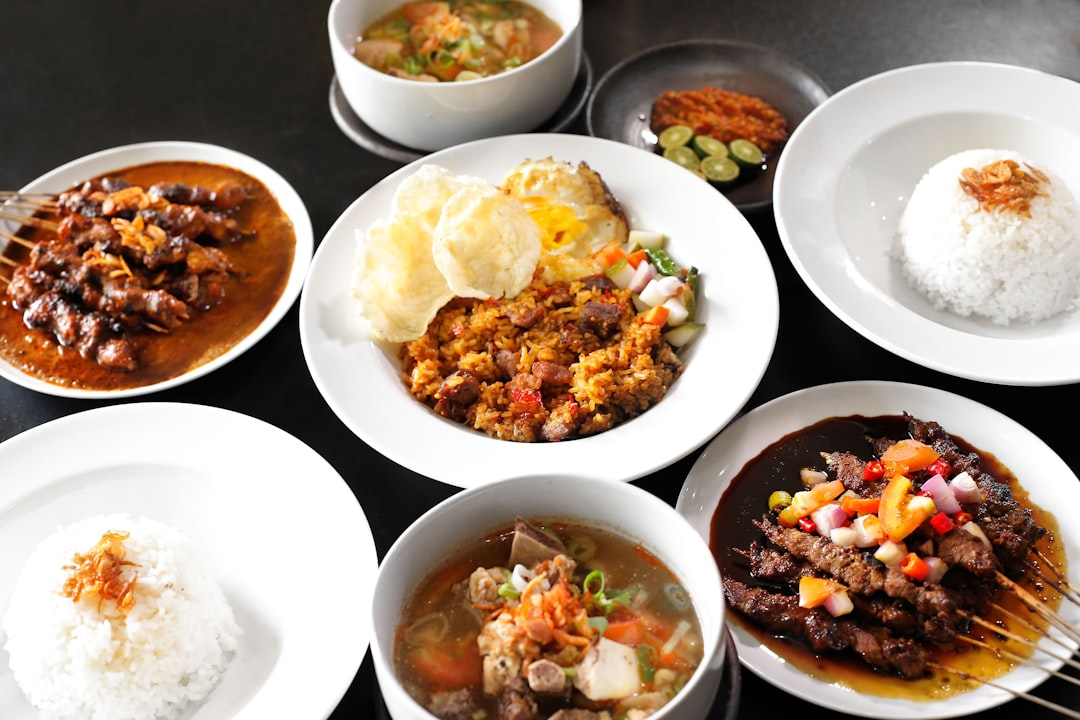
Why Korean Banchan Will Change the Way You Think About Side Dishes Forever
Watch: A Beginner’s Guide to Korean Cooking
Picture this: you sit down at a Korean restaurant, order a single entrée, and within minutes your entire table is covered with small, colorful dishes you never asked for. Crispy seasoned spinach. Fiery cubes of radish. Cool, nutty bean sprouts. Sweet black beans glistening like tiny jewels. And of course, the unmistakable aroma of perfectly fermented kimchi. Welcome to the world of Korean banchan — a dining tradition so generous, so deeply rooted in Korean culture, that it has captivated food lovers across the globe.
Unlike Western side dishes that you order (and pay for) separately, banchan are complimentary dishes served alongside every Korean meal. They arrive before your main course, they get refilled for free, and they transform even a simple bowl of rice into a multi-sensory feast. The word “banchan” (반찬) literally translates to “companion to rice,” and once you understand these little plates, you’ll never look at a dinner table the same way again.
In this comprehensive guide, we’ll walk you through everything you need to know about Korean banchan — from the most iconic dishes and their cultural significance to how to make them at home, where to buy them, and how to serve them like a true Korean host. Whether you’re a complete beginner or a seasoned K-food enthusiast, this article will deepen your appreciation for one of the world’s most remarkable culinary traditions.
What Is Korean Banchan? Understanding the Heart of Korean Dining
The Cultural Roots of Banchan
Korean banchan is far more than a collection of side dishes — it’s a philosophy of balance, nutrition, and hospitality that dates back centuries. The tradition of serving multiple small dishes alongside rice can be traced to the royal court cuisine of the Joseon Dynasty (1392–1897), where kings were served elaborate spreads of 12 or more banchan at every meal. This practice, known as surasang, reflected the belief that a proper meal should nourish the body through variety and harmony.
Over time, this royal tradition filtered down to common households. Today, even a modest Korean home meal typically includes three to five banchan, while restaurants may serve anywhere from five to twenty depending on the establishment. The underlying principle remains the same: every meal should include a balance of flavors (sweet, salty, sour, bitter, spicy) and cooking methods (raw, fermented, steamed, braised, stir-fried).
Learn more about Korean food culture and traditions
Banchan vs. Western Side Dishes: Key Differences
If you’re coming from a Western dining perspective, Korean banchan will feel refreshingly different. Here’s a quick comparison to help you understand what makes them unique:
| Feature | Korean Banchan | Western Side Dishes |
|---|---|---|
| Cost | Complimentary (free with your meal) | Ordered and paid for separately ($4–$12+) |
| Quantity | 3–20 small dishes per meal | Typically 1–2 per person |
| Refills | Unlimited free refills | Must reorder and pay again |
| Purpose | Balance, variety, communal sharing | Complement a single main dish |
| Preparation | Often made days ahead, fermented or preserved | Usually made fresh to order |
One of the most important things to know: banchan are meant to be shared communally. Everyone at the table picks from the same dishes with their chopsticks. This communal dining style is central to Korean culture and reflects the value of togetherness, or jeong (정) — a deep emotional bond fostered through shared meals.
The Five-Color Principle (Obangsaek)
Traditional Korean banchan follows the principle of obangsaek (오방색), or the five cardinal colors: white, black, red, yellow, and green. Each color is associated with a direction, an element, and specific nutritional benefits. A well-composed banchan spread will naturally incorporate all five colors, ensuring both visual beauty and nutritional completeness.
- White — rice, radish, bean sprouts (purity, metal element)
- Black — black beans, seaweed, sesame seeds (wisdom, water element)
- Red — kimchi, gochugaru chili, red pepper paste (passion, fire element)
- Yellow — egg, pumpkin, soybean sprouts (earth, center)
- Green — spinach, cucumber, perilla leaves (growth, wood element)
This isn’t just aesthetics — it’s ancient nutritional wisdom. A meal that hits all five colors naturally includes a wide range of vitamins, minerals, and antioxidants. It’s one reason Korean cuisine is consistently ranked among the world’s healthiest food traditions.
The 15 Most Essential Korean Banchan You Need to Try
With hundreds of banchan varieties across Korea’s regions, it can feel overwhelming to know where to start. Here are the 15 most essential Korean banchan you’ll encounter at restaurants and Korean dinner tables, ranked by how commonly they appear.
1–5: The “Always on the Table” Classics
- Baechu Kimchi (배추김치) — Napa Cabbage Kimchi: The undisputed king of all Korean banchan. Fermented napa cabbage seasoned with gochugaru (Korean red pepper flakes), garlic, ginger, fish sauce, and scallions. Ranges from fresh and crunchy (geotjeori) to deeply funky and sour (mugeunji, aged 1+ years). Every Korean household has its own kimchi recipe, and over 1.5 million tons of kimchi are consumed in South Korea annually. You’ll find it at absolutely every Korean meal.
- Kongnamul Muchim (콩나물무침) — Seasoned Soybean Sprouts: Blanched soybean sprouts tossed with sesame oil, garlic, salt, and sometimes a touch of gochugaru. It’s crunchy, nutty, and incredibly simple — a banchan that even beginner cooks can master in under 10 minutes. Koreans eat this daily; it’s also the base for kongnamul-guk (soybean sprout soup), one of the most popular hangover remedies in Korea.
- Sigeumchi Namul (시금치나물) — Seasoned Spinach: Blanched spinach seasoned with sesame oil, garlic, soy sauce, and sesame seeds. The trick is to not overcook the spinach — you want it tender but still vibrant green. This banchan is a cornerstone of bibimbap and provides an earthy, slightly sweet counterpoint to spicier dishes on the table.
- Kkakdugi (깍두기) — Cubed Radish Kimchi: Korean radish cut into chunky cubes and fermented with the same seasonings as napa cabbage kimchi. The result is crunchy, spicy, and slightly sweet with a satisfying bite. Kkakdugi is the traditional companion to seolleongtang (ox bone soup) and other milky-white Korean soups — the spicy crunch cuts through the richness perfectly.
- Gyeran Mari (계란말이) — Rolled Egg Omelette: A Korean-style rolled omelette, often with finely diced vegetables (carrots, scallions, sometimes ham) mixed into the egg. It’s sliced into pinwheel rounds that look beautiful on the plate. Slightly sweet, custardy in the center, and a hit with both kids and adults. You’ll see this at Korean BBQ restaurants, lunch boxes (dosirak), and home tables alike.
6–10: The Beloved Regulars
- Japchae (잡채) — Glass Noodle Stir-Fry: Sweet potato starch noodles stir-fried with vegetables, soy sauce, and sesame oil. While japchae is sometimes served as a main dish, it also frequently appears as a banchan in smaller portions. The chewy, slippery noodles mixed with colorful julienned vegetables make it an absolute crowd-pleaser.
- Gamja Jorim (감자조림) — Braised Potatoes: Small potato cubes braised in a sweet-savory soy sauce glaze. Think of them as Korean candy potatoes — shiny, slightly sticky, with a caramelized sweetness that’s irresistible. Some recipes add a little corn syrup for extra gloss. This banchan demonstrates the Korean mastery of jorim, or soy-braised cooking.
- Musaengchae (무생채) — Spicy Shredded Radish: Julienned Korean radish dressed with gochugaru, vinegar, sugar, and garlic. It’s crisp, tangy, and refreshing — like a spicy coleslaw but lighter and more vibrant. This raw preparation provides a fresh, crunchy contrast to heavier dishes on the table.
- Myeolchi Bokkeum (멸치볶음) — Stir-Fried Anchovies: Tiny dried anchovies stir-fried with soy sauce, sugar, garlic, and sometimes almonds or peanuts. This crunchy, sweet-savory snack is packed with calcium and protein. Many Koreans eat the anchovies whole — head, tail, and all. They’re surprisingly addictive, like Korean-style trail mix.
- Oi Sobagi (오이소박이) — Cucumber Kimchi: Kirby cucumbers stuffed with a spicy filling of garlic, chives, gochugaru, and fish sauce. They’re refreshing, crunchy, and perfect for summer. The cucumbers are scored in a cross pattern and filled, then left to ferment briefly. This banchan is lighter than napa cabbage kimchi and especially popular during the warmer months.
11–15: The Specialty Favorites
- Kongjang (콩장) — Braised Black Beans: Black beans slowly simmered in a soy sauce, sugar, and sesame oil mixture until they’re glossy, plump, and sweet. These little beans are a staple in Korean lunch boxes and a comforting, protein-rich banchan that keeps well in the refrigerator for over a week.
- Eomuk Bokkeum (어묵볶음) — Stir-Fried Fish Cake: Korean fish cake (eomuk) sliced into strips and stir-fried with soy sauce, gochujang, vegetables, and a touch of sugar. Chewy, savory, and mildly sweet — it’s comfort food in its purest form. You’ll find variations of this banchan at nearly every Korean restaurant.
- Doraji Namul (도라지나물) — Seasoned Bellflower Root: A less common but deeply traditional banchan made from bellflower root. It has a pleasantly bitter, slightly crunchy texture. The root is soaked to reduce bitterness, then seasoned with sesame oil and salt. It’s believed to be excellent for respiratory health in traditional Korean medicine.
- Hobak Bokkeum (호박볶음) — Stir-Fried Zucchini: Thinly sliced Korean zucchini (aehobak) stir-fried with garlic, salt, and a bit of shrimp paste or fish sauce. Soft, delicate, and subtly sweet — this banchan lets the natural flavor of the squash shine. It takes just five minutes to make and pairs perfectly with a bowl of doenjang-jjigae (soybean paste stew).
- Gim (김) — Roasted Seaweed: Sheets of dried seaweed brushed with sesame oil and salt, then roasted until crispy. Korean gim is thinner and more delicate than Japanese nori. It’s used to wrap rice, crumbled over bibimbap, or simply eaten as a snack. A pack of seasoned gim at H-Mart costs around $3–$5 and is one of the easiest banchan to have on hand.
I Ate the Most Viral Korean Street Foods!
How to Make Korean Banchan at Home: A Beginner’s Guide
Essential Ingredients You’ll Need
Before you start making Korean banchan at home, stock your pantry with these foundational Korean ingredients. The good news is that most of these are now available at mainstream grocery stores like Whole Foods, Trader Joe’s, and of course Korean supermarkets like H-Mart and Lotte Plaza.
- Gochugaru (Korean red pepper flakes) — $8–$14 per bag at H-Mart. Not the same as regular crushed red pepper. Gochugaru has a smoky sweetness that’s essential for kimchi and many banchan.
- Sesame oil (chamgireum) — The finishing oil for nearly every namul banchan. Buy the Korean-brand toasted variety ($6–$10) for the most intense, nutty aroma.
- Soy sauce (ganjang) — Korean soy sauce tends to be lighter and saltier than Japanese varieties. Sempio and Joseon ganjang are popular brands.
- Fish sauce or salted shrimp (saeujeot) — Adds the umami depth that distinguishes authentic Korean banchan. Available at H-Mart for about $5–$8.
- Garlic — Koreans use an astonishing amount of garlic. For banchan prep, pre-minced garlic from the refrigerated section saves enormous time.
- Toasted sesame seeds — The finishing garnish for almost every banchan. Buy them pre-toasted, or toast raw seeds in a dry pan for 2–3 minutes.
- Rice vinegar and sugar — For the tangy-sweet dressings used in cold banchan like musaengchae and oi-sobagi.
Find hundreds of authentic Korean banchan recipes at Maangchi
Three Beginner-Friendly Banchan Recipes
Here are three banchan that require minimal skill, fewer than five ingredients, and under 15 minutes each. Master these, and you’ll have the confidence to tackle more complex preparations.
Recipe 1: Kongnamul Muchim (Seasoned Bean Sprouts)
- Boil 12 oz soybean sprouts in salted water for 7 minutes with the lid on (don’t open the lid — this prevents a beany smell).
- Drain and rinse with cold water.
- Toss with 1 tbsp sesame oil, 1 tsp minced garlic, ½ tsp salt, and a sprinkle of sesame seeds.
- Optional: add ½ tsp gochugaru for a spicy version.
Recipe 2: Sigeumchi Namul (Seasoned Spinach)
- Blanch 1 bunch of spinach in boiling water for 30 seconds — no longer.
- Immediately plunge into ice water. Squeeze out all excess moisture.
- Cut into 2-inch pieces and toss with 1 tbsp soy sauce, 1 tbsp sesame oil, 1 tsp minced garlic, and sesame seeds.
Recipe 3: Gyeran Mari (Korean Rolled Omelette)
- Beat 4 eggs with a pinch of salt, 1 tbsp finely diced carrot, and 1 tbsp chopped scallion.
- Heat a rectangular pan (or regular non-stick pan) with oil over medium-low heat.
- Pour a thin layer of egg mixture, let it set, then roll it to one side. Repeat 3–4 times, building layers.
- Cool slightly, slice into ½-inch rounds, and arrange on a plate.
Meal Prep and Storage Tips
One of the best things about Korean banchan is that most dishes are designed to be made in advance. Here’s how long common banchan last in the refrigerator:
- Kimchi: Weeks to months (it just keeps fermenting and gets tangier)
- Namul (seasoned vegetables): 3–5 days in airtight containers
- Jorim (braised dishes): 5–7 days
- Bokkeum (stir-fried dishes): 3–4 days
- Gyeran mari (egg roll): 2–3 days
Pro tip: Many Korean cooks dedicate one day per week — usually Sunday — to preparing a full batch of banchan for the week ahead. This practice, called banchan jangman, is the Korean version of meal prep, and it’s incredibly efficient. Spend 90 minutes on Sunday, and you’ll have 5–7 banchan ready for every dinner that week.
Where to Buy Korean Banchan: Store-Bought and Online Options
Korean Grocery Stores
The best place to buy ready-made Korean banchan is at a Korean grocery store’s prepared foods section. H-Mart, the largest Korean-American supermarket chain with over 90 locations across the U.S., has an extensive banchan section in every store. You’ll find fresh kimchi, seasoned vegetables, braised dishes, and marinated proteins typically priced between $4.99 and $8.99 per container.
Other excellent Korean grocery chains include:
- Lotte Plaza — Primarily East Coast, especially the D.C. metro area
- Zion Market — Southern California locations
- Hankook Supermarket — Georgia and the Southeast
- Galleria Supermarket — New York and New Jersey
At these stores, don’t overlook the refrigerated aisle near the tofu section — you’ll find packaged banchan from brands like Chongga, Pulmuone, and CJ that are ready to eat. A pack of Chongga kkakdugi (cubed radish kimchi) runs about $5.99–$7.99 and tastes remarkably close to homemade.
Online Retailers and Subscription Services
If you don’t live near a Korean grocery store, several online services now deliver Korean banchan nationwide. The market for online banchan has grown significantly since 2020, and today’s options are impressive:
- Banchan.com — A dedicated Korean side dish delivery service with rotating weekly menus. Prices start around $8–$12 per dish.
- Kimchimari.com — Offers curated banchan boxes shipped cold overnight.
- Amazon Fresh and Whole Foods delivery — Carries brands like Mother-in-Law’s Kimchi ($8.99) and Lucky Foods kimchi.
- Weee! — An Asian grocery delivery app with an excellent Korean section, often with better prices than H-Mart for packaged items.
For the best value, look for banchan variety packs that include 5–8 dishes for $30–$50. These are perfect for trying a range of Korean banchan without committing to making everything from scratch.
Mainstream Grocery Stores
Even if you don’t have access to Korean specialty stores, you can now find basic Korean banchan ingredients and prepared items at mainstream retailers. Whole Foods carries gochugaru, kimchi, and sesame oil in most locations. Trader Joe’s stocks their own Korean-inspired items including kimchi fried rice and shelf-stable seaweed snacks. Target and Walmart have expanded their international aisles to include brands like Bibigo, which offers ready-to-eat Korean side dishes and dumplings.
Korean Cuisine 2026: 6 Insights for Global F&B Brands
How to Serve Korean Banchan Like a Korean Host
The Traditional Table Setting (Bapsang)
In Korean dining, the table setting — called bapsang (밥상) — follows specific conventions based on how many banchan are served. The configurations have formal names:
- 3-cheop (3첩) — Rice, soup, and 3 banchan (everyday home meal)
- 5-cheop (5첩) — Rice, soup, and 5 banchan (modest family dinner)
- 7-cheop (7첩) — Rice, soup, and 7 banchan (hosting guests)
- 9-cheop (9첩) — Rice, soup, and 9 banchan (special occasions)
- 12-cheop (12첩) — Rice, soup, and 12 banchan (royal court-style, formal banquets)
For a standard home meal, aim for 3–5 banchan. Place the rice bowl on the left, soup on the right, and arrange banchan dishes in the center of the table. Chopsticks and a spoon go to the right of the rice bowl. The spoon is for rice and soup; chopsticks are for banchan.
Pairing Banchan with Main Dishes
The art of Korean banchan lies not just in the individual dishes but in how they complement each other and the main course. Here are some classic pairing principles:
- Rich, fatty mains (Korean BBQ, samgyeopsal) → Serve with acidic, refreshing banchan like kimchi, pickled radish, and fresh lettuce wraps. The acidity cuts through the richness.
- Mild, brothy mains (seolleongtang, doenjang-jjigae) → Pair with bold, spicy banchan like kkakdugi and spicy cucumber salad to add excitement.
- Spicy mains (tteokbokki, kimchi-jjigae) → Balance with mild, cooling banchan like steamed egg (gyeranjjim) and sweet braised potatoes.
The general rule is contrast and balance. If the main dish is heavy, banchan should be light. If the main dish is mild, banchan should be bold. This is the Korean approach to creating a harmonious, satisfying meal that engages every part of your palate.
The Health Benefits of Korean Banchan: Why Nutritionists Love This Tradition
Fermented Foods and Gut Health
One of the biggest health advantages of Korean banchan is the heavy emphasis on fermented foods. Kimchi, the most prominent banchan, is a probiotic powerhouse. A 2023 study published in the Journal of Medicinal Food found that regular kimchi consumption was associated with improved gut microbiome diversity, reduced inflammation markers, and better cholesterol profiles.
Beyond kimchi, other fermented banchan like jangajji (soy-pickled vegetables) and jeotgal (fermented seafood) contribute additional strains of beneficial lactobacillus bacteria. The Korean tradition of eating multiple fermented foods at every meal means that the average Korean consumes significantly more probiotics than the average American — without ever taking a supplement.
Portion Control Through Variety
Korean banchan naturally encourages mindful eating and portion control. Because the food arrives in many small dishes rather than one large plate, diners tend to eat more slowly, sample a wider variety of nutrients, and feel satisfied with less total volume. Research on the “variety effect” in nutrition science shows that diverse food presentations lead to higher nutrient intake without excess caloric consumption.
A typical Korean banchan spread provides vegetables, protein, healthy fats (sesame oil), and complex carbohydrates in balanced proportions — all while keeping the total calorie count remarkably low. Most vegetable-based banchan contain only 30–80 calories per serving, making them one of the most nutrient-dense food traditions in the world.
10-Step Korean Skincare Routine: K-Beauty for Beginners
K-Beauty Ingredients: Snail Mucin, Centella & Rice Guide
Regional Banchan Specialties Across South Korea
Seoul and Gyeonggi Province
Seoul-style banchan tends to be moderately seasoned with a sophisticated balance of flavors. The capital city’s cuisine reflects the royal court tradition, so expect more refined preparations like japchae, jeon (savory pancakes), and elaborately seasoned namul. Gwangjang Market in Seoul is one of the best places in the world to experience traditional banchan — vendors have been making the same recipes for generations.
Jeolla Province (Jeonju, Gwangju)
The Jeolla region in southwestern Korea is widely considered the culinary capital of Korean banchan. Restaurants here are famous for serving 20 to 30 banchan dishes with every meal — even at modest, family-run establishments. Jeolla-style banchan tends to be bold, richly seasoned, and generously portioned. The city of Jeonju, a UNESCO Creative City of Gastronomy, is particularly renowned for its hanjeongsik (full-course Korean meal) with endless banchan.
Gyeongsang Province (Busan, Daegu)
The southeastern coast is known for seafood-forward banchan. You’ll find dishes like gejang (raw marinated crab), fermented fish, and spicy fish cake that reflect the region’s proximity to the sea. Busan’s Jagalchi Fish Market is a stunning showcase of the freshest seafood banchan in Korea. The flavors here tend to be saltier and spicier than in other regions.
Frequently Asked Questions About Korean Banchan
Are Korean banchan really free at restaurants?
Yes! At virtually every Korean restaurant — both in Korea and abroad — banchan are served free of charge with your meal. This includes unlimited refills. The cost of banchan is built into the price of the main dishes. It’s considered rude for a restaurant not to provide banchan, and the quality and variety of a restaurant’s banchan is often how Korean diners judge the overall establishment. If you want more of a particular banchan, simply ask your server for a refill (in Korean, say “banchan deo juseyo,” 반찬 더 주세요).
Can Korean banchan be made vegan or vegetarian?
Many Korean banchan are naturally vegetable-based, but traditional recipes often include fish sauce, shrimp paste (saeujeot), or anchovy broth as flavor enhancers. To make banchan fully vegan, substitute fish sauce with soy sauce or mushroom-based seasoning, skip the saeujeot, and use kelp or mushroom broth instead of anchovy stock. Namul dishes (seasoned vegetables) are the easiest to veganize — simply season with soy sauce, sesame oil, garlic, and sesame seeds. Kimchi can be made vegan by omitting the fish sauce and using miso paste for umami instead.
How long does homemade banchan last in the refrigerator?
Most banchan last 3–7 days when properly stored in airtight containers in the refrigerator. Kimchi is the exception — it lasts indefinitely and actually improves with age. Braised dishes (jorim) tend to last longer (5–7 days) because the soy sauce and sugar act as preservatives. Fresh namul (seasoned vegetables) are best consumed within 3–4 days. Always use clean utensils when serving banchan to prevent contamination and extend shelf life.
What is the proper etiquette for eating banchan?
Korean banchan etiquette is simple but important. Always use chopsticks (not your fingers) to take food from shared banchan dishes. Take small portions at a time rather than loading up your plate. Don’t dig through a dish to find preferred pieces — take from the top. Wait for the eldest person at the table to begin eating before you start. And if you really love a particular banchan, it’s perfectly acceptable to ask for more — your server will be happy to refill it.
What is the difference between banchan and anju?
Banchan are side dishes served with rice-based meals, while anju (안주) are dishes specifically meant to accompany alcoholic drinks — especially soju and beer. There’s some overlap: kimchi and jeon (pancakes) can be both banchan and anju. But anju tends to be heavier and more indulgent — think fried chicken, dried squid, spicy rice cakes, and cheese corn. In Korean drinking culture, it’s almost unthinkable to drink without anju. The dishes serve both to enhance the drinking experience and to slow alcohol absorption.
Related Posts You’ll Love
If you enjoyed this guide to Korean banchan, we think you’ll love these articles too:
- Korean Cuisine 2026: 6 Insights for Global F&B Brands
- I Ate the Most Viral Korean Street Foods!
- 10-Step Korean Skincare Routine: K-Beauty for Beginners
Suggested future articles:
- The Ultimate Guide to Korean BBQ: Cuts, Grilling Tips & Restaurant Etiquette
- Kimchi 101: How to Make Authentic Korean Kimchi at Home
- Korean Drinking Culture: A Guide to Soju, Makgeolli & Anju
Over to You: What’s Your Favorite Korean Banchan?
We’d love to hear from you! Korean banchan is one of those culinary traditions that inspires strong opinions and personal favorites. Maybe you’re a die-hard kimchi loyalist. Maybe you secretly hoard the braised potatoes before anyone else at the table gets to them. Or maybe you just discovered banchan for the first time and can’t wait to try everything.
Drop a comment below and tell us:
- What’s your all-time favorite Korean banchan?
- Have you tried making any banchan at home? How did it go?
- What banchan would you like us to feature in a dedicated recipe article?
If this guide helped you understand and appreciate Korean banchan, please share it with a friend who loves Korean food — or anyone who’s curious about why those little dishes are so special. And don’t forget to subscribe to our newsletter for weekly deep dives into Korean cuisine, K-beauty, K-pop, and everything that makes Korean culture so endlessly fascinating.
Until next time — 맛있게 드세요! (Mashitge deuseyo!) — Eat deliciously!